
Fixing Burst Pipes and Water Damage in Historic Old City Apartments
When a pipe bursts in your Old City apartment, every minute counts. The historic row homes along Walnut Street and Second Street face unique plumbing challenges that can turn a small leak into major structural damage within hours. Our emergency response team understands the urgency and arrives prepared to protect your 18th or 19th-century home from water damage. EPA mold remediation guidelines.
Old City’s aging infrastructure creates specific vulnerabilities. Many buildings still use original cast iron or galvanized steel pipes that corrode from the inside out. When temperatures drop below freezing, these brittle pipes crack under pressure. Water can flood multiple floors in minutes, damaging original hardwood floors, plaster walls, and irreplaceable historic details.
Our team responds within 45 minutes anywhere in Old City, equipped with industrial-grade water extraction equipment and moisture detection technology specifically calibrated for historic building materials. We work directly with your insurance company and understand the preservation requirements that come with restoring Philadelphia’s architectural heritage.
Call (215) 610-8188 now for immediate assistance. Every minute you wait allows water to spread deeper into your home’s structure.
What to Do Immediately When a Pipe Bursts
Before help arrives, you can minimize damage by taking these critical steps. First, locate your main water shut-off valve. In most Old City row homes, this is in the basement near the front of the building where the water main enters. Turn the valve clockwise until it stops completely.
Next, shut off electricity to affected areas at your circuit breaker. Water conducts electricity and can create dangerous conditions. If water has reached outlets or electrical panels, stay clear and wait for professionals.
Move valuable items to dry areas immediately. Historic homes often contain irreplaceable antiques, artwork, or documents. Even a few inches of elevation can save these items from water damage.
Document everything with photos and videos. Insurance companies require evidence of damage extent and pre-existing conditions. This documentation becomes crucial for historic preservation claims.
Finally, open windows if weather permits. Philadelphia’s humid climate can accelerate mold growth within 24-48 hours after water exposure. Ventilation helps slow this process while you wait for professional drying equipment.
Our Philadelphia Water Damage Restoration Process
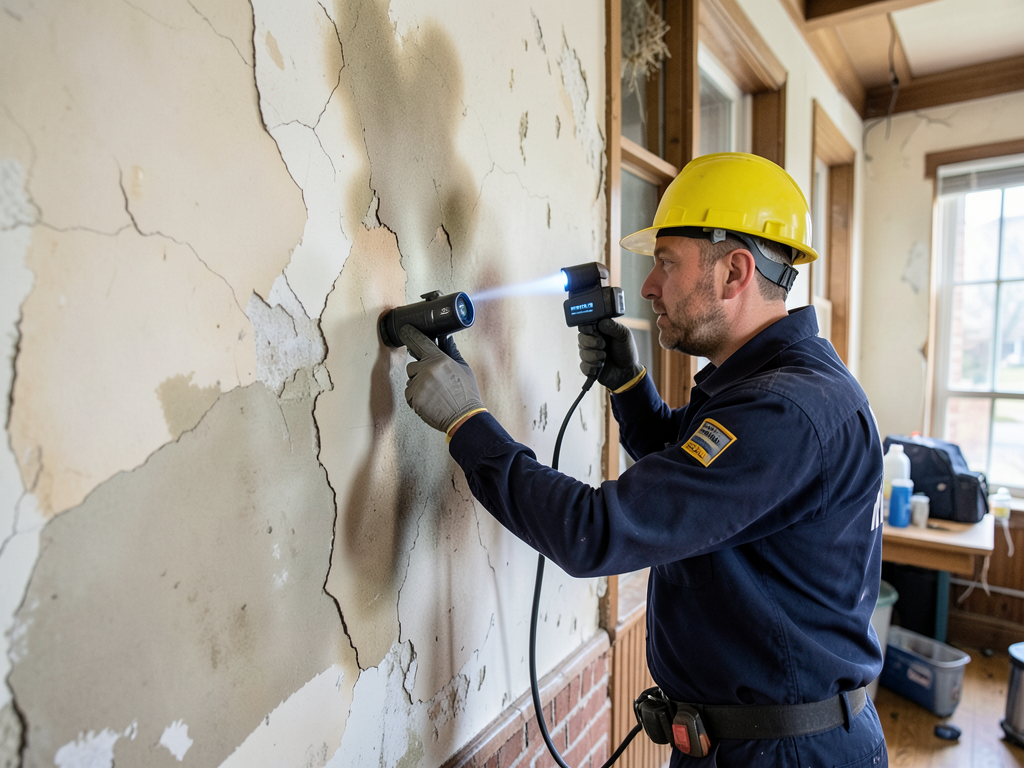
Our restoration process follows IICRC S500 standards for water damage mitigation. We begin with a comprehensive moisture assessment using thermal imaging cameras and penetrating moisture meters to detect water migration behind historic plaster walls and under original flooring. IICRC S500 water damage standards.
Water extraction comes next. We use truck-mounted extraction units capable of removing hundreds of gallons per hour. For Old City apartments, we employ specialized attachments that protect delicate surfaces while maximizing water removal efficiency.
Structural drying involves placing commercial-grade dehumidifiers and air movers strategically throughout the affected area. Historic buildings require careful drying to prevent warping of original wood elements. We monitor moisture levels daily, adjusting equipment placement based on psychrometric readings.
Content cleaning and pack-out services protect your belongings. Our team carefully documents, photographs, and inventories items before moving them to our secure facility. We clean and restore everything from antique furniture to historic documents using specialized techniques.
Mold prevention is critical in Philadelphia’s climate. We apply antimicrobial treatments to affected areas and maintain negative air pressure during remediation to prevent spore spread. Our technicians hold PA HIC licenses and follow all Philadelphia mold remediation requirements.
Final restoration includes repairing damaged plaster, refinishing floors, and matching historic paint colors and finishes. We work with preservation architects when necessary to ensure compliance with Philadelphia Historic Commission guidelines.
Why Philly Pipes Burst: Winter Freezes and Aging Infrastructure
Philadelphia’s freeze-thaw cycles create perfect conditions for pipe failure. When temperatures drop below 20°F, water in pipes expands by approximately 9%. Old City’s historic buildings often have pipes running through uninsulated exterior walls or crawl spaces where freezing occurs rapidly.
The city’s combined sewer system, dating back to the 19th century, creates additional pressure on aging water infrastructure. During heavy rainfall, system backups can cause pressure surges that stress already compromised pipes. Many Old City buildings sit above clay soils that shift seasonally, creating stress points in underground plumbing.
Philadelphia’s building codes require specific freeze protection measures for new construction, but historic buildings were built before these standards existed. Cast iron pipes installed before 1960 have an average lifespan of 75-100 years. Many Old City buildings still contain original plumbing nearing or past this age.
Water pressure fluctuations in the city’s aging distribution system also contribute to pipe failure. When pressure suddenly increases, weakened joints and corroded pipe walls can fail catastrophically. This is particularly common in areas near major water main breaks or construction projects.
Philadelphia’s humid summers compound winter damage. Moisture that entered through winter cracks promotes corrosion during warmer months. By the following winter, pipes are even more vulnerable to freezing and bursting.
Direct Insurance Billing and Assistance
We handle insurance claims directly with major carriers including State Farm, Allstate, Liberty Mutual, and Philadelphia Insurance Companies. Our team documents damage using industry-standard software that insurance adjusters recognize and trust.
Philadelphia homeowners should understand that standard policies cover sudden pipe bursts but not gradual leaks or maintenance-related failures. We help you determine coverage and provide detailed estimates that meet insurance requirements.
For historic properties, we coordinate with preservation specialists and insurance underwriters who understand the unique restoration requirements. Many policies include provisions for maintaining historic character while ensuring structural integrity.
Our documentation includes moisture mapping, structural assessments, and itemized restoration plans. This comprehensive approach prevents disputes and ensures you receive full compensation for covered damages.
We also assist with Additional Living Expenses (ALE) coverage when displacement is necessary. Philadelphia’s rental market means temporary housing costs can be significant, and we help you navigate these claims efficiently.
Service Areas in the Greater Philadelphia Area
While this article focuses on Old City, our emergency response covers all of Philadelphia County and surrounding areas. We maintain crews in Center City, Northeast Philadelphia, and the Main Line for rapid deployment anywhere in the region.
Our Allentown team serves the Lehigh Valley, while our Reading office covers Berks County. Lancaster, Wilkes-Barre, Scranton, and Erie each have dedicated restoration crews familiar with local building codes and climate challenges.
We understand that water damage doesn’t respect municipal boundaries. A burst pipe in Old City requires the same urgency as one in Manayunk or Chestnut Hill. Our regional presence means we can mobilize the nearest available crew, reducing response times across the entire Delaware Valley.
Each location maintains specialized equipment for local conditions. Our Scranton team handles frozen pipe situations common in the Poconos, while our coastal Erie crew deals with storm surge and flooding from Lake Erie.
Regardless of location, all crews follow the same IICRC S500 standards and maintain current PA HIC licenses. This consistency ensures you receive the same quality restoration whether you’re in Old City or Allentown.
Preventing Future Pipe Bursts in Your Historic Home
Prevention starts with understanding your home’s plumbing system. In Old City row homes, pipes often run through shared walls with neighbors. A burst pipe next door can affect your unit through these connections.
Install pipe insulation on all accessible pipes, especially those in exterior walls or unheated spaces. Foam insulation costs approximately $1-2 per linear foot and can prevent 90% of freeze-related bursts. Pay special attention to pipe joints and elbows where freezing often begins.
Maintain consistent indoor temperatures, even when away. Set thermostats to at least 55°F during winter months. In extreme cold, open cabinet doors under sinks to allow warm air circulation around pipes.
Consider installing water leak detection systems. Modern sensors can detect moisture and automatically shut off water supply when leaks occur. These systems cost $200-500 but can prevent thousands in damage.
Schedule annual plumbing inspections with a licensed professional familiar with historic buildings. They can identify corrosion, weak joints, and other vulnerabilities before they cause major problems.
Replace aging pipes proactively. If your home still has original galvanized steel pipes, replacement with modern PEX or copper piping can prevent future emergencies. While expensive upfront, this investment protects your home’s value and prevents emergency repair costs.
Understanding Water Categories and Health Risks
Water damage falls into three categories based on contamination level. Category 1 is clean water from broken supply lines. Category 2 contains significant contamination and can cause discomfort or illness. Category 3 is grossly contaminated water that can cause severe illness or death.
Burst pipes typically start as Category 1 but can quickly become Category 2 or 3 depending on what they contact. Water passing through insulation, ceiling tiles, or contaminated surfaces becomes increasingly hazardous.
Philadelphia’s aging infrastructure means Category 3 water is always a possibility in urban settings. Sewage backups, street flooding, and contaminated groundwater can introduce dangerous pathogens into your home.
Health risks include bacterial infections, mold exposure, and chemical contamination. Vulnerable populations including children, elderly, and those with compromised immune systems face higher risks.
Professional remediation is essential for Category 2 and 3 water. Our technicians wear personal protective equipment and follow OSHA standards for handling contaminated materials. We use EPA-registered antimicrobials and dispose of contaminated materials according to local regulations.
Even Category 1 water requires professional drying to prevent secondary damage. Within 48-72 hours, clean water can support mold growth and become a Category 2 situation.
Emergency Response Time Guarantee
We guarantee arrival within 45 minutes anywhere in Old City and surrounding Philadelphia neighborhoods. Our dispatch center operates 24/7, and we maintain fully stocked response vehicles ready for immediate deployment.
During winter months, we increase staffing and preposition equipment in high-risk areas. Our predictive modeling identifies neighborhoods most likely to experience frozen pipe emergencies based on weather forecasts and historical data.
Every response vehicle carries thermal imaging cameras, moisture meters, water extraction equipment, and temporary plumbing repair supplies. This allows us to begin mitigation immediately while permanent repairs are arranged.
We coordinate with local plumbers and can provide temporary plumbing solutions to restore water service while permanent repairs are completed. This is crucial for multi-unit buildings where water shutoff affects multiple residents.
Our emergency hotline connects you directly with a certified technician, not a call center. They assess your situation, provide immediate guidance, and dispatch the appropriate crew with the right equipment.
Frequently Asked Questions
How much does burst pipe repair cost?
Costs vary based on damage extent, pipe location, and building construction. Simple repairs start around $500, while extensive restoration can exceed $10,000. Insurance typically covers sudden, accidental damage but not gradual leaks or maintenance issues.
Can I stay in my home during restoration?
This depends on damage extent and building systems affected. If electrical, plumbing, or structural systems are compromised, temporary relocation may be necessary. We work with your insurance to cover Additional Living Expenses when required.
How long does the restoration process take?
Initial water extraction and drying typically takes 3-5 days. Complete restoration, including repairs and finishing work, can take 2-6 weeks depending on damage extent and material availability. Historic restoration may require additional time for specialized materials and craftsmanship.
Will my insurance cover all restoration costs?
Most standard policies cover sudden pipe bursts but not gradual leaks or maintenance-related failures. We help document damage and work directly with adjusters to maximize your coverage. Some historic properties may have additional coverage for preservation requirements.
What should I do if I smell gas after a pipe burst?
Immediately evacuate the building and call 911. Water can damage gas lines and create dangerous conditions. Do not use electrical switches or create any sparks. Wait for emergency responders to clear the building before re-entry.
Don’t Wait Until It’s Too Late
Water damage in historic Old City apartments requires immediate professional attention. Every hour of delay allows water to penetrate deeper into historic materials, causing irreversible damage and creating perfect conditions for mold growth.
Our team understands the unique challenges of restoring Philadelphia’s architectural heritage. We balance modern restoration techniques with preservation requirements to return your home to its pre-loss condition while maintaining its historic character.
Call (215) 610-8188 now for emergency response. Our certified technicians are standing by 24/7 to protect your home from water damage. Don’t let a burst pipe destroy your piece of Philadelphia history.
Pick up the phone and call (215) 610-8188 before the next freeze hits. Prevention is always less expensive than emergency restoration.