menu

Water Bug & Pest Infestations in Philadelphia – Permanent Moisture Control Stops the Source

When water damage creates breeding grounds for oriental cockroaches and sewer roaches, surface pest control fails. We eliminate water bug infestations by fixing the moisture problems that attract them to your Philadelphia property.

Slider Image 1
Slider Image 2
Slider Image 3
Slider Image 4
Slider Image 5
Slider Image 7
Slider Image 8
Slider Image 9
Slider Image 10
Slider Image 11

Why Philadelphia Properties Attract Water Bugs and Moisture-Related Pests

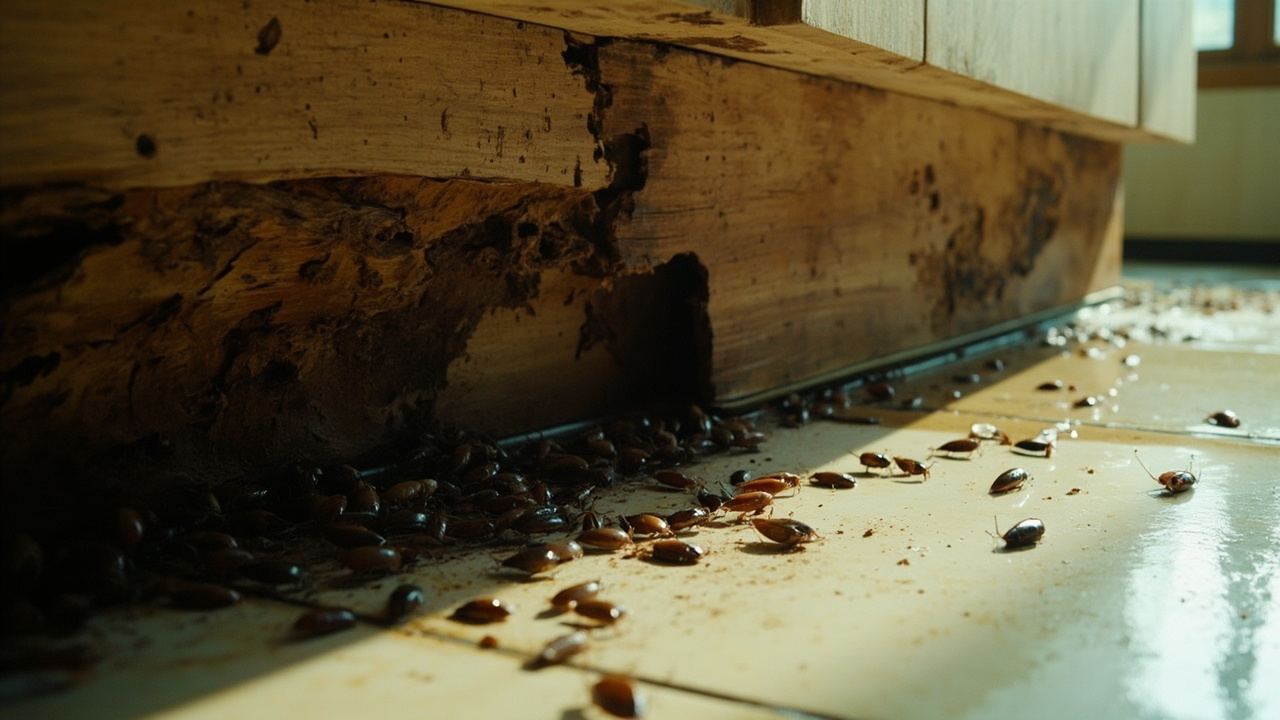
You see them in your basement. You hear them scuttling near floor drains. You find them in bathrooms, kitchens, and crawl spaces. Oriental cockroaches, American cockroaches, and sewer roaches thrive in Philadelphia homes and businesses because of one thing: persistent moisture.

Philadelphia's humid summers and aging infrastructure create perfect conditions for moisture-related pest infestations. Cracked foundation walls in Fishtown rowhomes, failed sump pumps in Manayunk basements, and deteriorating cast iron drain pipes in Center City buildings all create the damp environments insects need to survive. These pests do not invade dry buildings. They follow water sources.

Water bugs congregate near leaking pipes, condensation on basement walls, and standing water under slab foundations. They breed in sewer lines, floor drain traps, and damp crawl spaces. When you see water damage roaches in your property, you are looking at a symptom. The problem is structural moisture intrusion.

Pest control companies spray chemicals. The bugs return in weeks because the water source remains. Reliance Water Damage Restoration Philadelphia addresses the root cause. We identify where water enters your building, eliminate the moisture that sustains damp environment insects, and create conditions where pests cannot survive. This is not pest management. This is environmental modification through professional water damage remediation.

Philadelphia's combined sewer system and high water table mean basement moisture is not just common but inevitable without proper waterproofing. That moisture brings sewer roach infestations that no surface treatment can permanently solve.

Why Philadelphia Properties Attract Water Bugs and Moisture-Related Pests
How We Eliminate Pest Infestations Through Moisture Remediation

How We Eliminate Pest Infestations Through Moisture Remediation

We do not spray pesticides. We remove the environmental conditions that allow water bugs to colonize your property. Our approach combines structural drying, plumbing diagnostics, and targeted remediation to eliminate moisture at every entry point.

First, we map moisture intrusion using thermal imaging cameras and moisture meters. We test wall cavities, subflooring, and foundation walls to identify hidden water accumulation that creates breeding grounds for oriental cockroach problems. We inspect plumbing systems for slow leaks, condensation patterns, and drain line failures that provide constant water sources.

Next, we execute targeted drying protocols. We deploy commercial dehumidifiers, air movers, and vapor barriers to reduce relative humidity below 50 percent. Water damage roaches cannot survive in environments with controlled humidity and no standing water. We do not just dry surfaces. We dry structural cavities where pests hide and breed.

We then address the source. Cracked foundation walls get sealed with hydraulic cement or epoxy injection. Failed drain lines get repaired or replaced. Sump pump failures get corrected with battery backup systems. Crawl space moisture gets controlled with encapsulation and drainage systems. Every repair focuses on permanent water elimination.

Finally, we verify results with post-remediation moisture testing. We document humidity levels, confirm no standing water remains, and ensure proper drainage function. When we complete remediation, your property no longer supports pest populations. The environment becomes inhospitable to moisture-dependent insects.

This methodology works because it changes the habitat. Chemical treatments kill visible pests but leave the water source intact. We eliminate the resource that sustains the infestation. No water means no bugs.

What Happens During Water-Driven Pest Elimination

Water Bug & Pest Infestations in Philadelphia – Permanent Moisture Control Stops the Source
01

Moisture Source Identification

We conduct a comprehensive moisture assessment using infrared thermal imaging and calibrated moisture meters. This reveals hidden water accumulation behind walls, under floors, and in crawl spaces where damp environment insects breed. We trace every water source to its origin, whether foundation seepage, plumbing leaks, or condensation problems. You receive a documented moisture map showing every problem area.
02

Structural Drying Protocol

We deploy industrial dehumidifiers and air circulation equipment to reduce ambient humidity and extract moisture from building materials. This process continues until moisture meters confirm all affected areas reach acceptable dryness levels. We monitor daily and adjust equipment placement to ensure complete drying. Pest populations cannot sustain reproduction in properly dried environments. This phase eliminates the habitat that supports water bug colonies.
03

Permanent Water Control

We repair or replace failed waterproofing systems, seal foundation cracks, correct drainage issues, and fix plumbing failures. Every repair focuses on preventing water reentry. We install vapor barriers in crawl spaces, upgrade sump pump systems, and apply foundation sealants as needed. You receive documentation of all repairs and post-remediation moisture readings proving the environment no longer supports moisture-related pest infestations.

Why Philadelphia Properties Need Specialized Water Damage Expertise

Philadelphia's building stock presents unique moisture challenges that generic pest control cannot address. Rowhomes in South Philadelphia share party walls with no air gaps, trapping humidity between units. Victorian homes in Chestnut Hill have fieldstone foundations that wick groundwater. Post-war construction in Northeast Philadelphia often lacks proper vapor barriers under basement slabs.

These structural realities mean moisture intrusion is not just possible but predictable. When you combine Philadelphia's 47 inches of annual precipitation with aging infrastructure and high water tables near the Delaware and Schuylkill Rivers, you create ideal conditions for sewer roach infestations and water damage roaches.

Reliance Water Damage Restoration Philadelphia understands these local factors. We know how Philadelphia Plumbing Code affects drain line repairs. We recognize the moisture patterns in different neighborhoods based on soil composition and elevation. We work with buildings constructed between the 1800s and today, each with distinct vulnerabilities.

We also understand that Oriental cockroaches in Philadelphia basements are not random. They follow specific moisture corridors: floor drain traps that lose their water seals, foundation wall penetrations where utilities enter, and the gap between basement slabs and foundation walls. We know where to look because we have remediated hundreds of local properties with identical moisture profiles.

National pest control chains treat symptoms. We treat causes. That distinction matters when you face recurring infestations despite repeated chemical treatments. Water bugs return because the water remains. We remove both.

Our approach also protects your property value. Chronic moisture problems cause mold growth, wood rot, and structural deterioration. By addressing moisture comprehensively, we prevent secondary damage that reduces property values and creates health hazards.

What You Can Expect From Our Moisture Elimination Process

Response Time and Availability

We provide same-day assessment for moisture-related pest problems in Philadelphia. When you call, we schedule an inspection within hours, not days. We understand that water bug infestations cause legitimate distress and indicate active water damage that worsens with time. Our technicians arrive with diagnostic equipment ready to identify moisture sources immediately. We operate year-round because water damage does not wait for business hours. You receive a detailed assessment report the same day we inspect, including moisture readings, identified water sources, and a remediation plan with transparent scope.

Comprehensive Moisture Assessment

Our diagnostic process examines every potential water source in your property. We inspect plumbing systems, foundation walls, crawl spaces, roof drainage, and HVAC condensation patterns. We use thermal imaging to detect temperature differentials that indicate hidden moisture. We test relative humidity in multiple locations to identify microclimates where pests thrive. This assessment reveals why pests colonized your specific property rather than guessing. You receive documentation showing moisture levels before remediation begins, creating a baseline we can verify against after completion. This data-driven approach eliminates surprises.

Verified Dry Environment

When we complete remediation, you receive post-remediation moisture readings proving we eliminated water sources. We document humidity levels in previously affected areas and confirm all building materials have returned to normal moisture content. This verification matters because it proves we did not just mask symptoms. We test floor drain traps to ensure proper water seals, confirm foundation repairs hold during rain events, and verify drainage systems function as designed. The result is a quantifiably dry environment where water bugs cannot establish colonies. You get measurable proof, not promises.

Ongoing Moisture Monitoring Recommendations

After remediation, we provide guidance on maintaining dry conditions. This includes seasonal maintenance recommendations for sump pumps, proper use of dehumidifiers, and signs of moisture reentry to watch for. We explain how Philadelphia's seasonal humidity changes affect basements and crawl spaces. While we do not offer pest control services, we can recommend environmental maintenance practices that prevent moisture accumulation. Many clients schedule annual moisture inspections to verify systems remain functional. This proactive approach prevents moisture problems from returning and maintains the pest-resistant environment we create.

Frequently Asked Questions

You Have Questions,
We Have Answers

How to get rid of a waterbug infestation? +

Eliminate water bugs by fixing leaky pipes, sealing cracks around baseboards and windows, and removing standing water in basements or crawl spaces. Philadelphia homes, especially in older neighborhoods like South Philly and Fishtown, often have moisture issues due to aging plumbing. Apply gel baits in dark corners, under sinks, and behind appliances. Use boric acid powder along baseboards and entry points. Remove food sources by cleaning thoroughly and storing items in sealed containers. For severe infestations, professional pest control uses targeted insecticides and exclusion methods to stop re-entry. Consistent moisture control prevents future problems.

What causes water bugs in a house? +

Water bugs enter Philadelphia homes searching for moisture and food. Leaky pipes, dripping faucets, damp basements, and poor drainage create ideal conditions. Older rowhomes and properties near the Schuylkill or Delaware rivers face higher risk due to elevated humidity and proximity to water sources. Cracks in foundations, gaps around doors, and openings near utility lines provide entry points. Leaving pet food out, crumbs on counters, or unsealed garbage attracts them. Philadelphia's humid summers worsen the problem. Address plumbing leaks, improve ventilation, and seal entry points to reduce attractants and stop infestations before they establish.

How do you know if you have a waterbug infestation? +

You have a water bug infestation if you see multiple bugs, especially at night when they are most active. Check under sinks, behind toilets, in basements, and near laundry areas. Look for dark droppings resembling coffee grounds or pepper in cabinets and along baseboards. A musty, oily odor signals a large colony. Shed skins near hiding spots indicate active breeding. Philadelphia homeowners often discover them in damp crawl spaces or near older cast-iron plumbing. If you see bugs during the day, the population is likely large. Dead bugs near drains or water heaters confirm an active problem.

What is the hardest bug infestation to get rid of? +

Bed bugs are the hardest infestation to eliminate. They hide in tiny cracks, reproduce quickly, and resist many over-the-counter treatments. German cockroaches rank second due to rapid breeding cycles. Water bugs are easier to control than both because they rely heavily on moisture and food sources. Cut off water access, seal entry points, and apply targeted treatments to disrupt their habitat. Philadelphia homes with persistent moisture issues in basements or crawl spaces face tougher battles. Professional heat treatments or residual insecticides work best for stubborn cases. Consistent sanitation and moisture control prevent re-infestation.

What kills waterbugs instantly? +

Insecticidal sprays containing pyrethroids or cyfluthrin kill water bugs on contact. Soapy water suffocates them instantly by blocking their breathing pores. Gel baits with fipronil or indoxacarb work slower but eliminate colonies as bugs carry poison back to nests. Boric acid powder damages their exoskeletons and digestive systems. For immediate results, spray visible bugs directly and wipe surfaces clean. Philadelphia homeowners should focus on long-term solutions rather than just killing visible bugs. Treat entry points, repair leaks, and eliminate hiding spots. Contact kills provide quick relief, but sustained control requires targeting the source and moisture issues.

Does pouring bleach down the drain get rid of roaches? +

Bleach temporarily clears drains but does not eliminate roaches or water bugs effectively. It kills bugs on contact but evaporates quickly and leaves no residual protection. Pests hide deep in pipes, wall voids, and cracks where bleach cannot reach. Philadelphia's older plumbing systems have numerous hiding spots bleach will never penetrate. Bleach also damages pipes over time and creates toxic fumes. Instead, use gel baits near drains, apply boric acid powder around openings, and fix leaks that attract pests. Mechanical traps and residual insecticides provide better long-term control than pouring bleach down drains.

How to find a water bug nest? +

Water bug nests are not traditional nests but congregation areas near moisture and food. Check under sinks, behind water heaters, in damp basements, and crawl spaces. Look inside wall voids near leaking pipes or around bathtub drains. Philadelphia rowhomes often have nests behind old radiators or near laundry hookups. Shine a flashlight into dark corners at night when bugs are active. Follow trails of droppings or shed skins to locate high-traffic areas. Use sticky traps to monitor activity and pinpoint entry routes. Eliminate moisture sources and seal cracks to destroy harborage sites and force bugs out.

What smell do water bugs hate the most? +

Water bugs hate peppermint oil, cedar oil, and citrus scents. These strong odors disrupt their sensory organs and deter entry. Mix peppermint oil with water and spray along baseboards, under sinks, and near entry points. Bay leaves placed in cabinets repel them naturally. However, scents alone will not eliminate an active infestation. Philadelphia homeowners must combine repellents with moisture control, sealing cracks, and sanitation. Essential oils work as a deterrent but lack the residual killing power of baits or insecticides. Use scents as part of a broader prevention strategy, not a standalone solution.

What time of year are water bugs most active? +

Water bugs are most active from late spring through early fall in Philadelphia, peaking during July and August when humidity spikes. Warm, moist conditions increase breeding and foraging activity. They enter homes seeking cooler, damp spaces as outdoor temperatures rise. Philadelphia's humid summers create perfect conditions near basements, crawl spaces, and older plumbing systems. Activity decreases in winter but does not stop entirely. Heated indoor spaces with moisture issues attract them year-round. Homeowners near the rivers or in areas with poor drainage face higher activity levels. Seal entry points and control moisture before summer to prevent seasonal surges.

Where do water bugs hide during the day? +

Water bugs hide in dark, damp areas during the day. Check behind refrigerators, under sinks, inside cabinets, and near water heaters. They squeeze into cracks along baseboards, behind wallpaper, and inside wall voids. Philadelphia basements with poor ventilation or standing water provide perfect daytime shelter. Look inside drain pipes, around bathtub edges, and beneath appliances. Cardboard boxes, stacked newspapers, and cluttered storage areas offer additional cover. They avoid light and prefer undisturbed spaces. Inspect behind toilets and washing machines where moisture accumulates. Use a flashlight to check crevices at floor level where humidity collects.

How Philadelphia's Aging Sewer Infrastructure Drives Water Bug Problems

Philadelphia's combined sewer system dates to the 1800s. Many properties in Old City, Queen Village, and Graduate Hospital still have original terracotta or cast iron lateral lines connecting to city mains. These lines crack, separate at joints, and allow sewer gases and insects direct access to buildings through floor drains and foundation wall penetrations. When heavy rain overwhelms the system, backflow events push sewer roaches directly into basements. This infrastructure reality means Philadelphia properties face unique moisture-related pest infestations that newer cities with separated storm and sanitary systems rarely experience.

Philadelphia Water Department regulations require lateral sewer line maintenance to remain the property owner's responsibility. When these lines fail, moisture seeps into foundation walls and creates breeding grounds for oriental cockroach problems. Reliance Water Damage Restoration Philadelphia works within Philadelphia Plumbing Code requirements to address these moisture intrusions properly. We understand local permit requirements, know which repairs need inspection, and coordinate with licensed plumbers when sewer line replacement becomes necessary. This local knowledge ensures moisture elimination meets code and solves the problem permanently.

Water Damage Restoration Services in The Philadelphia Area

View our service area to see how Reliance Water Damage Restoration delivers fast, reliable support across the region. Whether it’s residential basements or commercial spaces, our team is locally based and ready to respond 24/7. We’re committed to being near you when emergencies strike—count on us for prompt, professional care.
(80 words)

Address:
Reliance Water Damage Restoration Philadelphia, 100 N 18th St, Philadelphia, PA, 19103

Additional Services We Offer

Our news updates

Latest Articles & News from The Blogs

Identifying moisture problems in the unique limestone foundations of Swarthmore homes If you own a historic home in Swarthmore you…

Identifying moisture problems in the unique limestone foundations of Swarthmore homes

Identifying moisture problems in the unique limestone foundations of Swarthmore homes If you own a historic home in Swarthmore you…

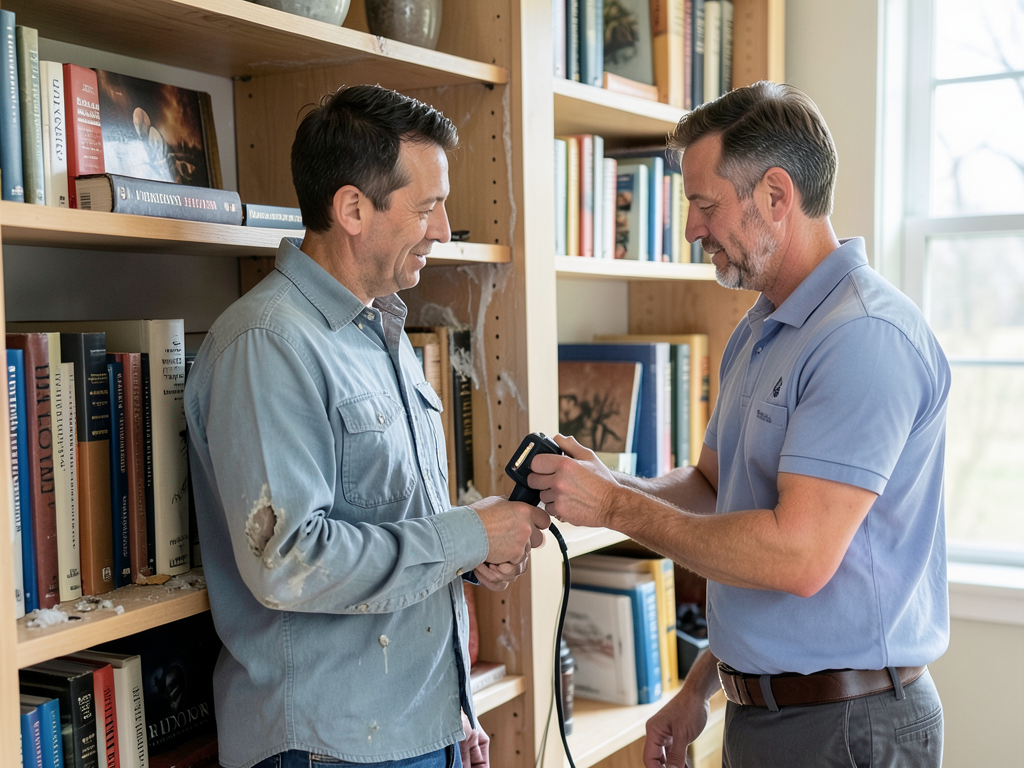
Can your custom built-in bookshelves in Radnor be saved after a pipe burst?

Can Your Custom Built-In Bookshelves in Radnor Be Saved After a Pipe Burst? Water damage to custom built-ins in Radnor…

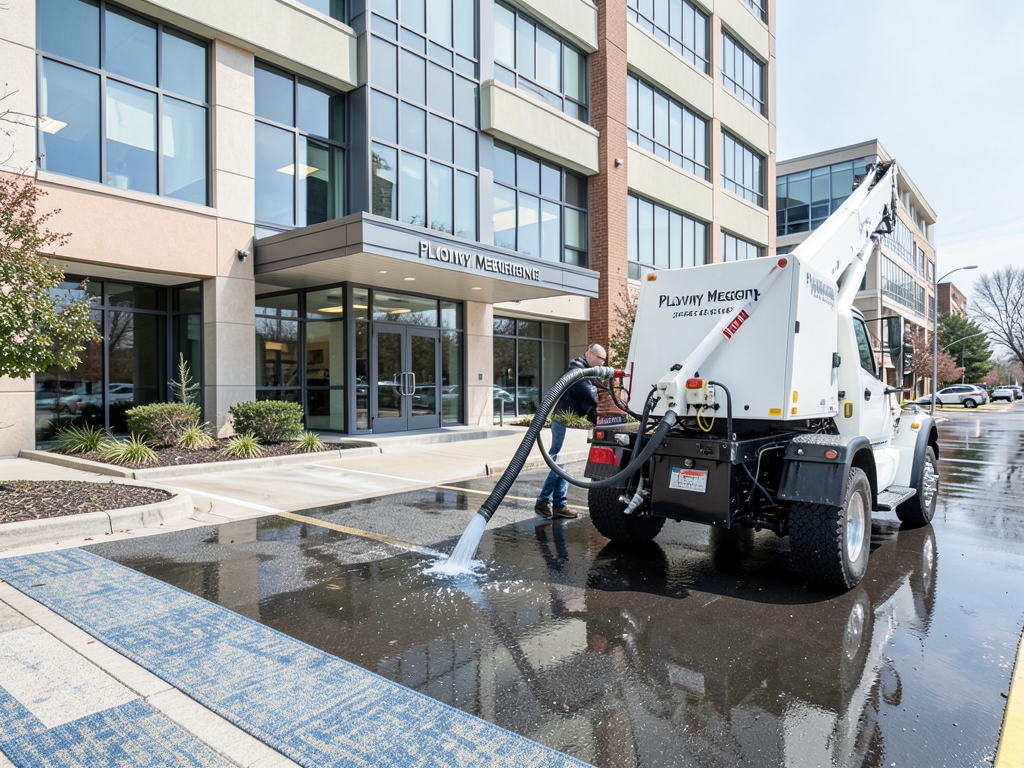
Solving the mystery of office park leaks in Plymouth Meeting before they ruin the carpet

Solving the mystery of office park leaks in Plymouth Meeting before they ruin the carpet Office park leaks in Plymouth…

Contact Us

Water bugs infest your property because moisture gives them habitat. We eliminate that habitat through professional moisture remediation. Call Reliance Water Damage Restoration Philadelphia at (215) 610-8188 for same-day moisture assessment. We solve the water problem that pest control cannot fix.