menu

Retail Store Water Cleanup in Philadelphia – Minimize Downtime and Protect Revenue

Commercial retail water extraction and store flood cleanup services engineered to restore operations fast, prevent inventory loss, and maintain your business reputation across Philadelphia's retail corridors.

Slider Image 1
Slider Image 2
Slider Image 3
Slider Image 4
Slider Image 5
Slider Image 7
Slider Image 8
Slider Image 9
Slider Image 10
Slider Image 11

Water Emergencies Cost Retail Operations Revenue Every Hour

A burst pipe, roof leak, or flooding event inside your Philadelphia retail space does not wait for convenient hours. Every minute your store remains closed translates to lost sales, spoiled inventory, and frustrated customers who take their business elsewhere. In Center City, Rittenhouse, or Fishtown, where foot traffic drives revenue, even a single day of closure damages your brand.

Philadelphia's aging commercial building stock compounds the risk. Many retail spaces in historic districts operate in structures built before modern plumbing standards. Freeze-thaw cycles during winter months stress aging water lines. Summer humidity accelerates mold growth after water intrusion. When water infiltrates your sales floor, stockroom, or point-of-sale systems, you need commercial retail water extraction that prioritizes speed and thoroughness.

Retail water damage restoration requires different protocols than residential work. You manage lease obligations, inventory liability, ADA-compliant access, and customer safety. Generic water removal fails to address the operational complexity of keeping a retail business viable during remediation. Store flood cleanup services must coordinate with your landlord, insurance adjuster, and suppliers while protecting your merchandise and fixtures.

The longer water sits on retail flooring, the deeper it penetrates subfloors, wall cavities, and electrical systems. What starts as a visible puddle becomes hidden structural damage. Mold colonies establish within 48 hours. Your commercial property insurance may require specific documentation and mitigation timelines. Shop water damage mitigation demands industrial equipment, commercial-grade drying capacity, and experience with business interruption claims. Philadelphia retailers need a partner who understands that time equals money.

Water Emergencies Cost Retail Operations Revenue Every Hour
Commercial-Grade Water Extraction Built for Retail Operations

Commercial-Grade Water Extraction Built for Retail Operations

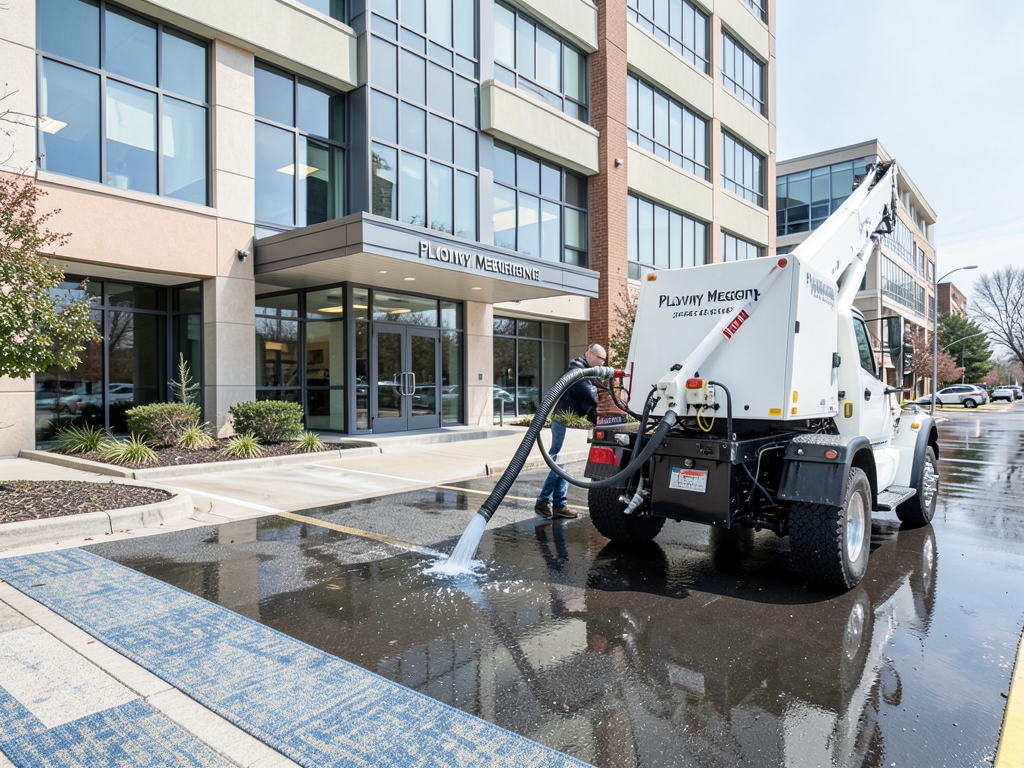
Reliance Water Damage Restoration Philadelphia deploys truck-mounted extraction units capable of removing thousands of gallons per hour from retail spaces. We do not arrive with residential shop-vacs. Our commercial retail water extraction equipment includes trailer-mounted desiccant dehumidifiers that process air volumes appropriate for big-box stores, strip malls, and multi-level retail buildings.

We begin with thermal imaging to map moisture intrusion behind shelving, under flooring, and within wall assemblies. This non-invasive scanning identifies wet building materials before visual cues appear. We document moisture readings at intake and throughout the drying process to satisfy insurance requirements and prove compliance with IICRC S500 standards for water damage restoration.

Our approach segments your retail space into containment zones. We isolate wet areas using temporary barriers and negative air pressure, allowing unaffected sections to remain operational. This zoning strategy lets you maintain partial business operations during remediation. We schedule loud equipment operation during off-hours when possible to minimize disruption to adjacent tenants.

For inventory protection, we coordinate rapid pack-out services. Our teams document, photograph, and relocate salvageable merchandise to climate-controlled storage. We work directly with your insurance adjuster to classify items as restorable or total loss. Contents cleaning happens off-site using specialized techniques for textiles, electronics, and paper goods.

Retail water remediation extends to subfloor drying using injection systems that force heated air beneath tile, hardwood, or laminate without demolition. We extract water from concrete slabs using weighted extraction mats. For drop ceilings common in retail spaces, we remove panels to dry plenum spaces and inspect for hidden damage in HVAC ductwork or electrical conduits. This systematic approach prevents secondary damage and reduces the total scope of reconstruction your business must endure.

How Store Flood Cleanup Restores Your Retail Space

Retail Store Water Cleanup in Philadelphia – Minimize Downtime and Protect Revenue
01

Emergency Water Extraction

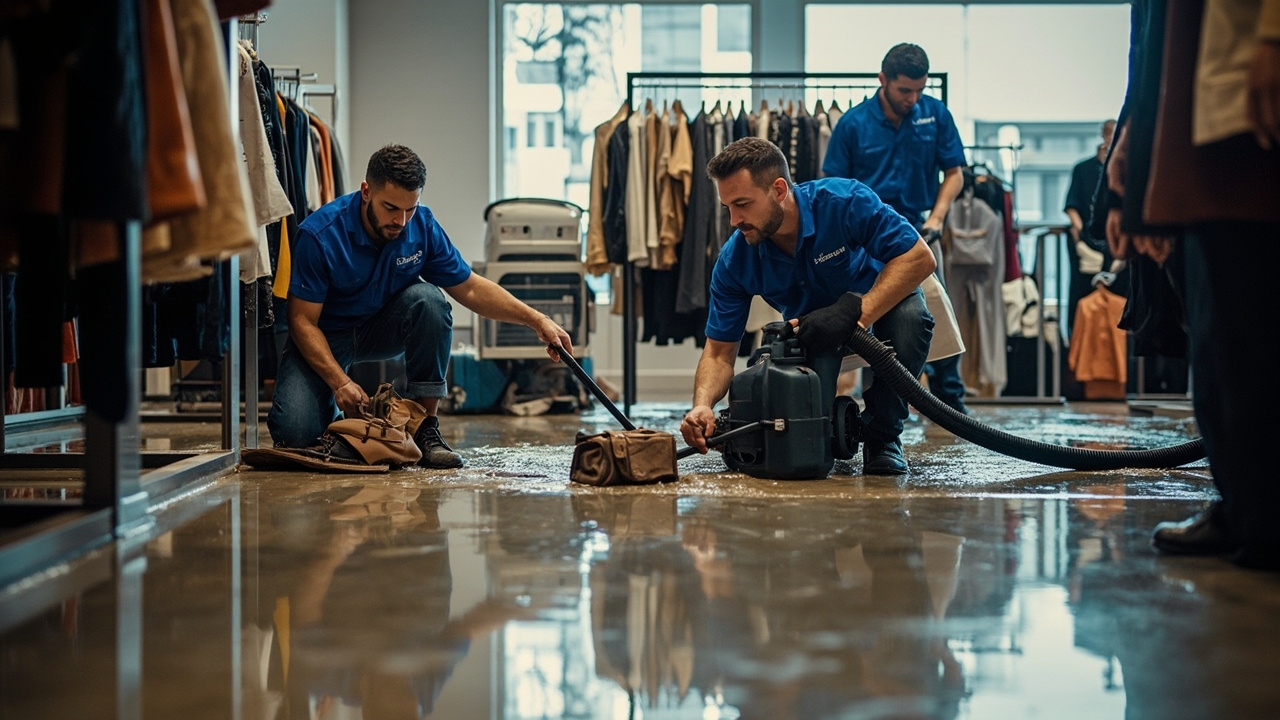
We deploy immediately to your Philadelphia retail location with truck-mounted pumps and portable extraction units. Our teams remove standing water from sales floors, stockrooms, and customer areas within hours. We prioritize high-traffic zones and areas with electrical systems to restore safe access fast. Initial moisture mapping documents the full extent of water intrusion for insurance and identifies hidden pockets behind fixtures.
02

Structural Drying and Monitoring

Commercial air movers and dehumidifiers run continuously to dry building materials and prevent mold growth. We monitor moisture levels in walls, subfloors, and ceiling cavities twice daily using calibrated meters. This data-driven approach ensures thorough drying before reconstruction begins. We coordinate with your landlord and insurance adjuster throughout the process, providing daily progress reports and adjusted timelines based on drying performance.
03

Sanitization and Business Resumption

After achieving dry standards, we apply antimicrobial treatments to all affected surfaces and perform air scrubbing to remove airborne contaminants. We conduct final walkthrough inspections with you to verify the space meets code and is ready for rebuilding or reopening. Our documentation package includes all moisture readings, equipment logs, and photographic evidence required for your insurance claim and provides a clear record of professional remediation.

Philadelphia Retail Water Damage Specialists Who Understand Your Business

Reliance Water Damage Restoration Philadelphia works exclusively in commercial retail water extraction across the Philadelphia metro. We maintain relationships with commercial insurance adjusters, property management firms, and landlords throughout Center City, University City, and Northeast Philadelphia. This network allows us to expedite approvals and coordinate multi-party claims that involve tenant improvements, landlord responsibilities, and business interruption coverage.

Our technicians hold IICRC certifications in commercial water damage restoration and understand Philadelphia's commercial building codes. We know which retail corridors operate under historic preservation restrictions that limit demolition options. We navigate the permitting process for commercial properties and coordinate inspections with the Department of Licenses and Inspections when structural repairs require oversight.

Philadelphia's retail landscape includes everything from Old City boutiques in 18th-century buildings to modern shopping centers along Roosevelt Boulevard. Each structure presents different challenges. Older buildings lack vapor barriers and use plaster walls that require specialized drying. Newer construction uses engineered lumber that degrades quickly when wet. We adjust our mitigation strategy based on building age, construction type, and your specific lease obligations.

We staff projects with enough technicians to complete retail water remediation on compressed timelines. A standalone shop receives a three-person crew. A department store flood requires coordinated teams working in shifts. We maintain equipment inventory to handle multiple commercial projects simultaneously without cannibalizing resources from active jobs. When you call, we deploy the capacity your situation demands.

You chose your Philadelphia location for its customer base. We protect that investment by treating your retail space as the revenue-generating asset it is. Our goal extends beyond drying your building. We restore your ability to serve customers and generate income.

What Philadelphia Retailers Can Expect From Professional Water Cleanup

Rapid Response Timelines

We maintain on-call crews 24 hours a day for retail water emergencies across Philadelphia. You reach a dispatcher, not an answering service. Our average response time to commercial properties in Center City, South Philadelphia, and surrounding neighborhoods is under 90 minutes. We arrive with enough equipment to begin extraction immediately rather than making multiple trips for gear. Emergency response includes temporary power if your electrical systems are compromised and temporary barriers to secure your space if water damage affects entryways or windows.

Detailed Damage Assessment

Our initial assessment includes thermal imaging, moisture mapping, and photographic documentation of all affected areas. We identify the water source, classify the contamination level, and estimate drying timelines based on building materials and ambient conditions. You receive a written scope of work within 24 hours that breaks down the remediation process by phase. This assessment coordinates with your insurance adjuster and provides the documentation required to file a business interruption claim if applicable. We explain which costs are typically covered and which fall under your deductible.

Complete Moisture Removal

We do not stop drying when surfaces feel dry to the touch. Our goal is achieving equilibrium moisture content in all building materials. This requires monitoring with calibrated moisture meters until readings match unaffected areas of your building. For retail spaces, this typically takes three to seven days depending on the volume of water, the materials affected, and humidity conditions. You receive daily logs showing moisture reduction progress. Final sign-off includes verification that your space meets industry dry standards and is ready for reconstruction or reopening without risk of mold growth.

Post-Remediation Documentation

Your insurance claim requires proof that remediation was performed correctly. We provide a complete documentation package including all moisture readings, equipment placement logs, daily progress photos, and a certificate of completion. This package supports your claim and protects you if disputes arise about coverage or scope. We also provide recommendations for preventing future water damage, including maintenance items your landlord should address and upgrades to consider during reconstruction. If follow-up mold testing is required by your lease or insurance, we coordinate with independent environmental consultants to perform clearance testing.

Frequently Asked Questions

You Have Questions,
We Have Answers

Who is the alternative to ServPro? +

Retailers in Philadelphia seeking alternatives to ServPro have multiple options for commercial water damage response. Local restoration contractors often provide faster response times, direct communication with decision-makers, and flexible pricing structures tailored to retail operations. When evaluating providers, prioritize IICRC-certified technicians, commercial loss experience, and proven expertise with inventory salvage. Philadelphia retailers face unique challenges including older building infrastructure and seasonal freeze-thaw cycles. Choose a contractor who understands local building codes, works efficiently with commercial insurance adjusters, and minimizes business interruption. Request case studies from similar retail environments and verify their capacity to handle your square footage.

Is water remediation covered by insurance? +

Coverage depends on the water source and your commercial policy terms. Sudden and accidental water damage from burst pipes, roof leaks, or supply line failures typically qualifies for coverage. Philadelphia retailers should review their policies for exclusions related to maintenance neglect, gradual seepage, groundwater intrusion, and sewer backup without additional endorsements. Most commercial policies cover Category 1 and 2 water losses but may limit Category 3 coverage. Document everything immediately, including photos, damaged inventory, and business interruption costs. Your adjuster will evaluate the cause, not just the damage. Policies often exclude flood damage, requiring separate flood insurance.

How to clean up large amounts of water? +

Large-volume water extraction in retail environments requires commercial-grade equipment and systematic protocol. Begin with truck-mounted extractors for maximum suction power, removing standing water before it migrates to storage areas or beneath fixtures. Deploy air movers strategically to create airflow across wet surfaces and commercial dehumidifiers to pull moisture from the air. Philadelphia's humidity requires aggressive drying to prevent secondary damage. Move inventory to dry zones immediately. Document moisture readings using thermal imaging and moisture meters at multiple locations. For losses exceeding 2,000 square feet or affecting multiple departments, professional restoration ensures proper drying verification and prevents hidden moisture pockets that cause mold.

What does ServPro actually do? +

ServPro operates as a franchise network providing water damage restoration, fire cleanup, and mold remediation services. Technicians extract water, dry structures using air movers and dehumidifiers, and document the process for insurance claims. They follow IICRC standards for drying and typically coordinate directly with insurance carriers. Response protocols include assessment, water removal, antimicrobial treatment, and reconstruction referrals if needed. Each franchise operates independently, which creates variability in pricing, response speed, and technician experience. For Philadelphia retail stores, services include content manipulation, moisture monitoring, and temporary climate control. Quality and efficiency depend heavily on the specific franchise location serving your area.

What are the pros and cons of SERVPRO? +

ServPro franchises offer brand recognition and established insurance relationships, which can streamline claims processing. Their standardized procedures and national support network provide consistency. However, franchise models create variability in service quality, pricing, and local expertise. Philadelphia retailers may experience longer response times compared to local contractors due to territory size and call volume. Pricing often runs higher than independent restoration companies. Decision-making gets filtered through corporate protocols, reducing flexibility for unique retail situations. Some franchises subcontract specialized work. Benefits include predictable processes and insurance familiarity. Drawbacks include potential rigidity, premium pricing, and inconsistent franchise-to-franchise performance.

Has SERVPRO ever been sued? +

Litigation against ServPro franchises has occurred, including class action suits related to pricing practices, employment disputes, and occasional service quality complaints. Like any large service network with thousands of franchise locations nationwide, individual franchises face lawsuits ranging from contract disputes to property damage claims. Legal history does not necessarily reflect the performance of a specific franchise location. Philadelphia retailers should evaluate providers based on local reputation, verifiable references, and direct communication during the estimate process. Request certificates of insurance, ask about subcontracting practices, and review contracts carefully before signing. Past litigation against corporate entities differs from evaluating your local franchise operator.

What kind of water damage is not covered by insurance? +

Commercial policies typically exclude flood damage from external sources, requiring separate flood insurance through NFIP or private carriers. Gradual damage from long-term leaks, maintenance neglect, or deferred repairs gets denied routinely. Groundwater seepage, sewer backup without specific endorsements, and earth movement causing water intrusion fall outside standard coverage. Philadelphia retailers should note that policies exclude damage from frozen pipes if the building was unheated or vacant beyond specified periods. Mold remediation often has sub-limits or exclusions unless directly resulting from covered water damage. Cosmetic damage without functional impairment may not qualify. Review your declarations page and schedule endorsements for gaps.

How to dry out walls after a water leak? +

Commercial wall drying requires controlled extraction and dehumidification to prevent microbial growth and structural damage. Begin by identifying the water source and stopping further intrusion. Remove baseboards to allow airflow into wall cavities. Position air movers at angles directing airflow across wall surfaces and place commercial dehumidifiers to reduce ambient humidity below 50 percent. Philadelphia's older retail buildings often have plaster or dense materials requiring longer dry times. Use moisture meters to track progress in multiple wall locations. Avoid closing up walls until readings reach acceptable levels, typically under 15 percent moisture content. Professional equipment accelerates drying and prevents hidden moisture pockets.

Is toilet water category 3? +

Yes, toilet overflow containing fecal matter or urine qualifies as Category 3 water, also called black water. This designation applies regardless of whether the water appears clear. Category 3 water contains pathogenic bacteria, viruses, and other harmful microorganisms requiring specialized handling and disposal protocols. Philadelphia retailers experiencing toilet overflows must treat affected areas as contaminated. Restoration requires antimicrobial treatment, disposal of porous materials like drywall and insulation that contacted the water, and thorough disinfection of hard surfaces. IICRC standards mandate specific PPE and containment procedures. Never attempt DIY cleanup of Category 3 losses. Professional remediation protects employees and customers from health risks.

How to purify 1000 gallons of water? +

This question falls outside water damage restoration scope and addresses potable water treatment, which requires entirely different equipment and expertise. Retail store water cleanup focuses on extracting contaminated water, drying structures, and preventing microbial growth, not purifying water for consumption. Philadelphia retailers experiencing water damage need extraction, dehumidification, and antimicrobial treatment, not water purification systems. If your question relates to storing or protecting large water volumes during restoration work, clarify your specific concern. For contaminated water disposal during cleanup, restoration contractors follow local wastewater regulations and coordinate with Philadelphia Water Department requirements. Water damage restoration and water purification serve completely different functions.

Why Philadelphia's Commercial Building Stock Increases Retail Water Damage Risk

Philadelphia ranks among the oldest major cities in America, with thousands of commercial buildings constructed before 1950. Many retail spaces occupy ground floors of mixed-use buildings where aging plumbing serves multiple tenants. Cast iron drain lines corrode from the inside, failing without warning. Galvanized supply pipes develop pinhole leaks. Shared water lines mean a plumbing failure three floors above your store floods your retail space. Winter freeze-thaw cycles common to the Mid-Atlantic region stress pipes in exterior walls and unheated spaces, causing seasonal spikes in water damage claims across Fishtown, Northern Liberties, and Manayunk.

Philadelphia's commercial retail water extraction specialists must navigate the city's complex web of property ownership, historic district regulations, and aging infrastructure. Reliance Water Damage Restoration Philadelphia maintains working relationships with property managers throughout the city and understands the documentation requirements for both modern commercial leases and older triple-net arrangements. We coordinate with the Philadelphia Water Department when water main breaks affect retail corridors and work within the constraints of historic preservation guidelines that govern renovations in Old City, Society Hill, and Chestnut Hill. This local expertise prevents delays and ensures your remediation meets all applicable codes.

Water Damage Restoration Services in The Philadelphia Area

View our service area to see how Reliance Water Damage Restoration delivers fast, reliable support across the region. Whether it’s residential basements or commercial spaces, our team is locally based and ready to respond 24/7. We’re committed to being near you when emergencies strike—count on us for prompt, professional care.
(80 words)

Address:
Reliance Water Damage Restoration Philadelphia, 100 N 18th St, Philadelphia, PA, 19103

Additional Services We Offer

Our news updates

Latest Articles & News from The Blogs

Identifying moisture problems in the unique limestone foundations of Swarthmore homes If you own a historic home in Swarthmore you…

Identifying moisture problems in the unique limestone foundations of Swarthmore homes

Identifying moisture problems in the unique limestone foundations of Swarthmore homes If you own a historic home in Swarthmore you…

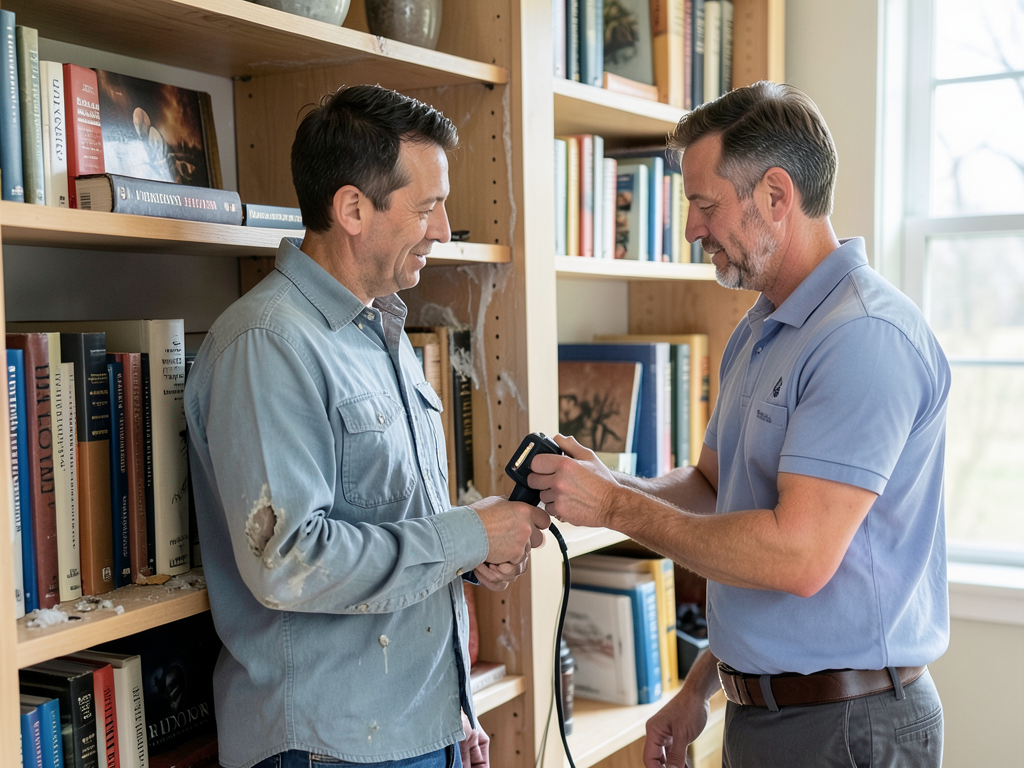
Can your custom built-in bookshelves in Radnor be saved after a pipe burst?

Can Your Custom Built-In Bookshelves in Radnor Be Saved After a Pipe Burst? Water damage to custom built-ins in Radnor…

Solving the mystery of office park leaks in Plymouth Meeting before they ruin the carpet

Solving the mystery of office park leaks in Plymouth Meeting before they ruin the carpet Office park leaks in Plymouth…

Contact Us

Every hour your store remains closed costs money. Call Reliance Water Damage Restoration Philadelphia now at (215) 610-8188 for immediate dispatch of commercial water extraction teams. We respond 24/7 to retail water emergencies across the Philadelphia metro.