menu

Sanitization & Odor Removal in Philadelphia – Complete Antimicrobial Treatment for Residential and Commercial Properties

Professional disinfection and deodorization services that eliminate pathogens, neutralize odors at the molecular level, and restore indoor air quality after water damage, sewage backups, and microbial contamination throughout the Philadelphia metro area.

Slider Image 1
Slider Image 2
Slider Image 3
Slider Image 4
Slider Image 5
Slider Image 7
Slider Image 8
Slider Image 9
Slider Image 10
Slider Image 11

Why Philadelphia Properties Need Professional Sanitization After Water Intrusion

Philadelphia's humid summers and aging infrastructure create ideal conditions for microbial growth after water damage events. The city's row homes, brownstones, and older commercial buildings often retain moisture in plaster walls and original wood framing, allowing bacteria and mold to colonize within 24 to 48 hours.

When water intrusion occurs from burst pipes, basement flooding, or sewer backups, contamination spreads beyond visible surfaces. Porous materials absorb bacteria, viruses, and organic compounds that generate persistent odors. Standard cleaning cannot reach these embedded contaminants.

Neighborhoods like Fishtown, South Philadelphia, and Center City face additional challenges from aging sewer systems prone to backups during heavy rain. Category 3 water (sewage) introduces E. coli, Salmonella, and other pathogens requiring antimicrobial treatment protocols that exceed basic sanitation.

The health risks are real. Contaminated surfaces release airborne particles that cause respiratory issues, allergic reactions, and infections, especially in vulnerable populations. Children, elderly residents, and immune-compromised individuals face the greatest exposure risks.

Professional sanitizing and deodorizing addresses both surface and subsurface contamination. This process uses hospital-grade disinfectants, EPA-registered antimicrobials, and advanced odor control services that break down organic compounds at the molecular level. Surface wiping alone cannot achieve this level of decontamination.

Philadelphia property owners face insurance claim complications when sanitization is inadequate or improperly documented. Insurance adjusters require proof of professional disinfection and deodorization to approve claims and verify that properties meet habitability standards before reoccupancy.

Why Philadelphia Properties Need Professional Sanitization After Water Intrusion
How Professional Antimicrobial Treatment Eliminates Contamination

How Professional Antimicrobial Treatment Eliminates Contamination

Effective sanitization follows a systematic protocol that removes contaminants, disinfects all affected surfaces, and neutralizes odor sources rather than masking them with fragrances.

The process begins with identification of contamination categories. Category 1 (clean water) requires basic disinfection. Category 2 (gray water) demands broader antimicrobial application. Category 3 (black water from sewage) requires aggressive treatment with sporicidal agents that kill bacteria, viruses, and resistant spores.

We remove all porous materials that cannot be effectively sanitized. This includes saturated drywall, insulation, carpeting, and padding. These materials harbor bacteria deep within their structure where surface disinfectants cannot penetrate. Attempting to save contaminated porous materials creates ongoing health risks and odor problems.

Hard surfaces receive multi-stage treatment. First, we clean visible debris and organic matter. Then we apply EPA-registered antimicrobial solutions at proper concentrations and contact times. Different pathogens require different kill times. Rushing this process leaves viable contamination.

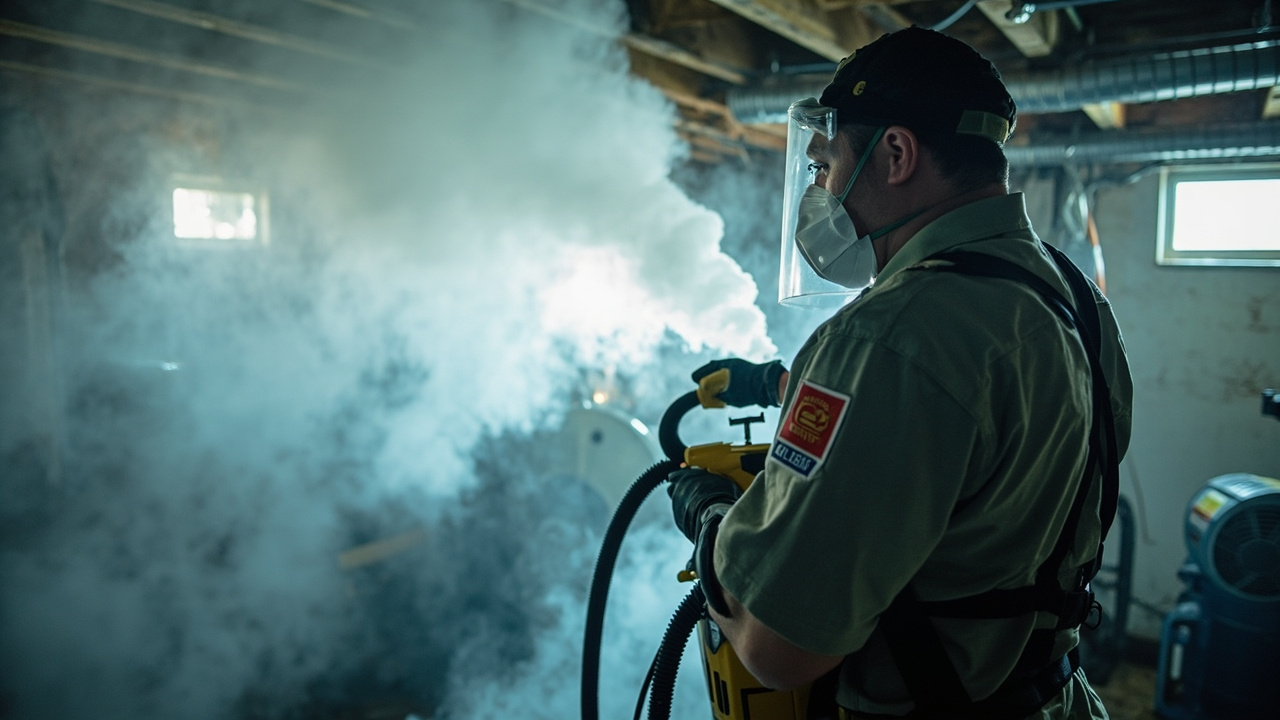
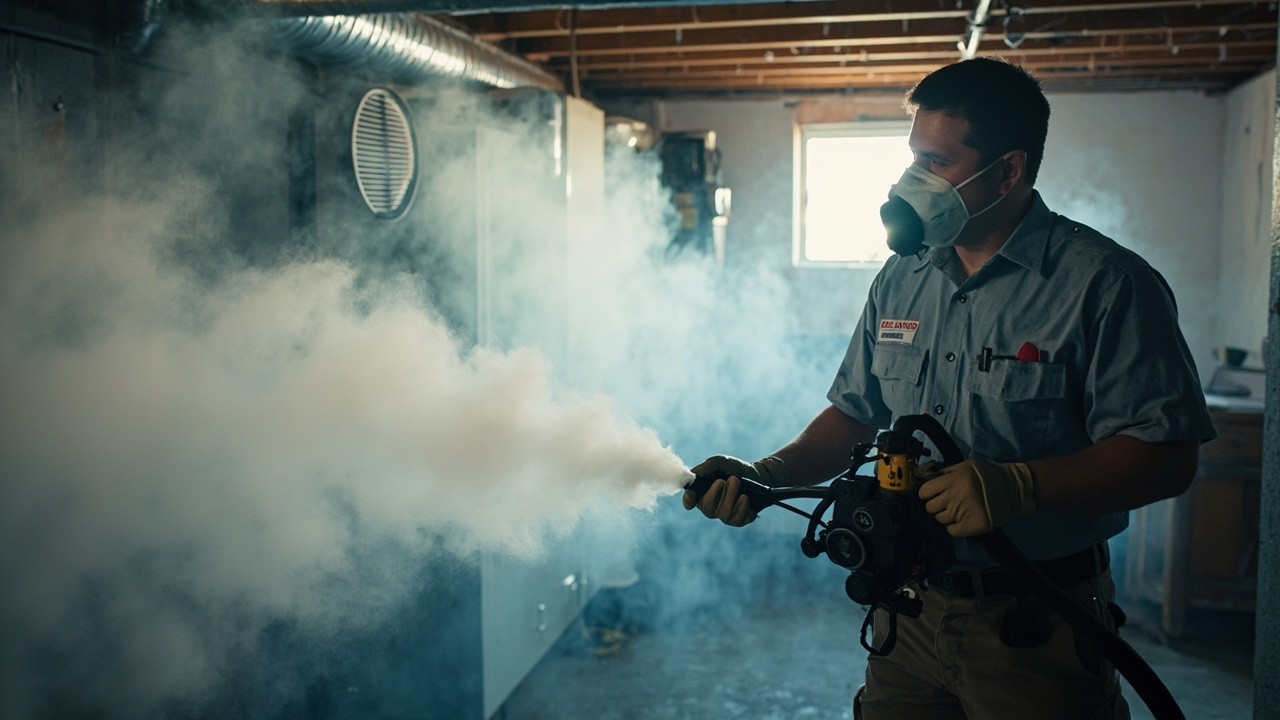
For odor abatement, we use hydroxyl generators and thermal fogging that breaks down odor molecules rather than covering them. Hydroxyl radicals oxidize organic compounds responsible for sewage, mildew, and decomposition smells. This process continues for 24 to 72 hours depending on contamination severity.

Air scrubbers with HEPA filtration capture airborne particles during the entire remediation process. This prevents cross-contamination to unaffected areas and protects occupants during treatment.

We document every step with photos, moisture readings, and ATP testing that measures surface cleanliness at the microbial level. This documentation satisfies insurance requirements and provides proof of proper sanitization protocols.

What Happens During Your Property Sanitization

Sanitization & Odor Removal in Philadelphia – Complete Antimicrobial Treatment for Residential and Commercial Properties
01

Contamination Assessment and Containment

Our technicians establish containment barriers using plastic sheeting and negative air pressure to prevent contaminated particles from spreading to clean areas. We identify water categories, document affected zones, and create a site-specific treatment plan based on contamination type, material porosity, and exposure duration. This assessment determines which materials can be salvaged and which require removal for safety.
02

Removal and Surface Treatment

We remove all non-salvageable porous materials and dispose of them according to EPA guidelines for contaminated waste. Remaining hard surfaces receive thorough cleaning followed by antimicrobial application at manufacturer-specified concentrations. We allow proper contact time for each disinfectant, typically 10 to 15 minutes, before wiping or rinsing. HVAC systems receive separate treatment to prevent recontamination through ductwork.
03

Odor Elimination and Verification

Hydroxyl generators and thermal fogging treat the entire airspace and penetrate porous structural elements where odor compounds hide. This process runs continuously until air quality testing confirms elimination of volatile organic compounds and particulates. We perform ATP surface testing to verify microbial reduction meets industry standards, then provide detailed documentation showing pre-treatment and post-treatment readings for your records and insurance claim.

Why Philadelphia Property Owners Choose Reliance for Sanitization Services

Philadelphia's diverse building stock requires experience with different construction methods and materials. Row homes built in the 1800s with horsehair plaster and lathe construction demand different approaches than mid-century ranchers with drywall or modern condos with concrete substrates.

We understand how water moves through Philadelphia's typical basement configurations, including below-grade stone foundations common in older neighborhoods. These foundations lack modern waterproofing and create chronic moisture issues that require aggressive antimicrobial treatment when flooding occurs.

Our familiarity with Philadelphia L&I requirements ensures your property meets municipal code for reoccupancy after contamination events. This matters for landlords dealing with rental properties and business owners needing occupancy certificates after commercial water damage.

Local insurance adjusters recognize proper documentation and treatment protocols. We work directly with major carriers serving the Philadelphia market, including State Farm, Allstate, and Liberty Mutual. Our detailed reports include photos, moisture logs, and microbial test results that expedite claim approval.

Response time matters during contamination events. We dispatch crews from our Philadelphia location within two hours of your call. This speed prevents contamination from spreading and reduces overall remediation costs by limiting exposure time.

Commercial clients including restaurants, medical offices, and retail spaces trust us for sanitization that meets health department standards. We coordinate with Philadelphia Department of Public Health inspectors when required and provide documentation proving proper disinfection and deodorization protocols.

Our technicians hold IICRC certifications in Applied Microbial Remediation and Water Damage Restoration. This training covers bloodborne pathogens, sewage contamination, and antimicrobial application techniques that protect both occupants and restoration workers during treatment.

We maintain relationships with environmental testing labs in the Philadelphia area for third-party verification when insurance companies or property buyers require independent confirmation of successful remediation.

What to Expect During Sanitization and Odor Removal

Response Time and Scheduling

We respond to sanitization emergencies within two hours throughout Philadelphia County and surrounding communities. For sewage backups and Category 3 contamination, immediate response limits exposure risks and prevents contamination from spreading to unaffected areas. Commercial properties receive priority scheduling to minimize business interruption. Most residential sanitization projects begin within four to six hours of initial contact. We work around your schedule for non-emergency sanitizing and deodorizing services, including evenings and weekends when necessary to accommodate occupied properties.

Initial Assessment and Testing

Our assessment includes moisture mapping with infrared cameras to identify hidden water damage, visual inspection of all affected areas, and documentation of contamination sources and categories. We explain which materials can be sanitized and which require removal based on porosity and contamination severity. For insurance claims, we photograph all damage and create detailed scope documents outlining necessary sanitization procedures. When requested, we arrange third-party environmental testing for mold spores, bacteria counts, or specific pathogens. This baseline testing provides objective proof of contamination levels before treatment begins.

Treatment Quality and Completion

We use only EPA-registered antimicrobials approved for the specific contamination type affecting your property. Each product is applied at manufacturer-specified dilution rates with proper contact time to ensure complete pathogen elimination. Our odor control services continue until air quality monitoring confirms elimination of volatile organic compounds and particulates. You receive post-treatment ATP test results showing microbial reduction to acceptable levels. Final documentation includes before and after photos, moisture readings, and detailed treatment logs. Properties are not released for reoccupancy until testing confirms safe conditions and all treated surfaces have dried completely.

Post-Treatment Monitoring and Documentation

After sanitization is complete, we provide comprehensive reports documenting all treatment steps, products used, contact times, and test results. These reports satisfy insurance requirements and provide permanent records for property disclosure requirements. For commercial properties, we supply documentation meeting OSHA and health department standards. If odors return or moisture readings indicate incomplete drying, we return to identify the source and provide additional treatment at no charge. This commitment ensures contamination is fully eliminated rather than temporarily masked. We remain available for questions from insurance adjusters, property buyers, or tenants regarding treatment procedures and safety verification.

Frequently Asked Questions

You Have Questions,
We Have Answers

What is the strongest odor eliminator? +

Professional-grade hydroxyl generators and ozone machines are the strongest odor eliminators for severe contamination. These tools break down odor molecules at the source rather than masking them. For DIY situations, enzymatic cleaners work well on organic odors like pet urine or food spills. In Philadelphia homes, where older row houses trap moisture and smells in tight spaces, thermal fogging penetrates porous materials like brick and wood. Avoid relying solely on air fresheners. They mask odors temporarily but do not eliminate the source. For persistent problems, professional sanitization ensures complete odor removal.

What do nursing homes use to get rid of urine smell? +

Nursing homes use hospital-grade enzymatic cleaners and oxidizing agents to neutralize urine odor. Products containing live bacteria break down uric acid crystals embedded in carpet padding, mattresses, and flooring. Facilities also use vapor treatments to penetrate porous surfaces. In Philadelphia's humid climate, moisture worsens urine smell by reactivating old contamination. Professional sanitization combines deep extraction, antimicrobial treatments, and controlled drying to prevent recurring odors. Surface cleaning alone fails because urine soaks deep into subflooring. Proper removal requires identifying all contaminated materials and treating them at the molecular level.

How do I permanently get rid of a bad smell in my house? +

Permanently eliminating house odors requires identifying and removing the source, not masking it. Start by checking for hidden water damage, mold, or sewage issues common in Philadelphia's older housing stock. Porous materials like carpet, drywall, and insulation absorb odors and may need replacement. Professional thermal fogging and hydroxyl treatments neutralize embedded smells in structural materials. Ventilation alone does not work. You must break down odor molecules chemically. For severe cases like smoke or decomposition, professional sanitization uses HEPA air scrubbers and antimicrobial treatments to restore indoor air quality permanently.

What do nurses use to block smells? +

Nurses use mentholated ointments like Vicks VapoRub under their nostrils to block strong odors during patient care. Some wear masks infused with peppermint or eucalyptus oil. These methods provide temporary relief but do not eliminate odors. In water damage restoration, technicians use respirators with activated carbon filters when working in contaminated environments. Philadelphia properties affected by sewage backups or decomposition require professional-grade PPE and air filtration. Blocking smells protects workers temporarily, but proper sanitization eliminates odors at the source using enzymatic treatments and oxidizing agents.

What kills all smells? +

No single product kills all smells because odors have different chemical structures. Ozone generators destroy most organic odors by oxidizing molecules, but they require controlled application and evacuation. Hydroxyl generators work similarly but are safer for occupied spaces. Enzymatic cleaners break down protein-based odors like urine and decomposition. For smoke or chemical odors, thermal fogging penetrates porous materials. Philadelphia homes with multiple odor sources, like mold and pet contamination, need layered treatments. Professional sanitization combines methods based on the specific odor type and affected materials for complete elimination.

What do hotels use to make the room smell good? +

Hotels use a combination of high-powered HVAC filtration, scheduled deep cleaning, and scent diffusers with signature fragrances. Commercial properties invest in air purifiers and ozone treatments between guest stays to eliminate lingering odors. Philadelphia hotels in historic buildings face challenges with old HVAC systems that recirculate stale air. Professional sanitization services provide deep fabric cleaning, antimicrobial treatments, and air scrubbing. Hotels avoid masking odors because guests detect artificial scents. Instead, they focus on source elimination through rigorous cleaning protocols and controlled air exchange to maintain fresh environments.

What is the old lady's smell called? +

The smell associated with aging is called nonenal. This odor comes from the breakdown of omega-7 unsaturated fatty acids in aging skin. It intensifies in enclosed spaces with poor ventilation. Philadelphia row homes with limited airflow can trap nonenal and other household odors. Addressing it requires improved ventilation, regular deep cleaning of fabrics and upholstery, and air purification. Surface cleaning does not eliminate nonenal because it embeds in textiles and porous materials. Professional sanitization includes enzymatic treatments and hydroxyl generation to neutralize organic odors without harsh chemicals.

How do professionals remove pee smell? +

Professionals remove urine smell using a multi-step process. First, moisture meters locate all contaminated areas, including hidden subflooring and wall cavities. UV lights reveal old urine stains invisible to the naked eye. Next, enzymatic cleaners break down uric acid crystals at the molecular level. Severe cases require removing and replacing contaminated materials like carpet padding or subflooring. In Philadelphia homes with hardwood floors, urine penetrates between boards and requires specialized extraction. Finally, antimicrobial treatments prevent bacterial growth, and controlled drying eliminates moisture that reactivates odors.

What do morticians use to block smell? +

Morticians use formaldehyde-based embalming fluids and external masking agents like fragrance sprays or ointments under their nostrils. They also rely on proper ventilation systems and air purifiers in preparation rooms. In restoration work involving decomposition, professionals use industrial respirators with organic vapor cartridges and full-body PPE. Philadelphia properties affected by unattended deaths require biohazard remediation with specialized equipment. Professionals apply enzyme digesters and oxidizing agents to break down organic matter, then use hydroxyl generators and HEPA filtration to eliminate airborne particles and odors before sanitizing all surfaces.

What is the hardest smell to get rid of in a house? +

Smoke odor is the hardest smell to remove because it penetrates every porous surface and HVAC system. Fire residue embeds in drywall, insulation, ductwork, and structural materials. Philadelphia row homes face added challenges because smoke travels through shared walls. Effective removal requires thermal fogging, ozone or hydroxyl treatments, HVAC cleaning, and often replacing porous materials. Surface cleaning fails because smoke particles are microscopic. Professional fire restoration combines multiple techniques based on burn severity. Attempting DIY removal leaves residual odors that reappear with temperature and humidity changes.

How Philadelphia's Aging Infrastructure Increases Sanitization Needs

Philadelphia's combined sewer system dating from the 1800s regularly overflows during heavy rain, backing sewage into basements throughout South Philadelphia, Manayunk, and neighborhoods along the Schuylkill River. The Philadelphia Water Department reports over 50 combined sewer overflow events annually, each introducing Category 3 contamination requiring professional antimicrobial treatment. Row home construction with shared walls means contamination in one property can migrate through connected basements and crawl spaces. These frequent overflow events demand aggressive disinfection and deodorization protocols that exceed standard cleaning methods.

Reliance Water Damage Restoration Philadelphia understands the specific contamination patterns affecting properties throughout the city's distinct neighborhoods. We work regularly with Philadelphia L&I inspectors and maintain current knowledge of municipal code requirements for reoccupancy certificates after water damage events. Our technicians recognize the difference between treating stone foundations in Chestnut Hill versus concrete block basements in Northeast Philadelphia. This local expertise ensures proper sanitization methods for your specific building type and contamination source, protecting your investment and meeting insurance documentation requirements.

Water Damage Restoration Services in The Philadelphia Area

View our service area to see how Reliance Water Damage Restoration delivers fast, reliable support across the region. Whether it’s residential basements or commercial spaces, our team is locally based and ready to respond 24/7. We’re committed to being near you when emergencies strike—count on us for prompt, professional care.
(80 words)

Address:
Reliance Water Damage Restoration Philadelphia, 100 N 18th St, Philadelphia, PA, 19103

Additional Services We Offer

Our news updates

Latest Articles & News from The Blogs

Identifying moisture problems in the unique limestone foundations of Swarthmore homes If you own a historic home in Swarthmore you…

Identifying moisture problems in the unique limestone foundations of Swarthmore homes

Identifying moisture problems in the unique limestone foundations of Swarthmore homes If you own a historic home in Swarthmore you…

Can your custom built-in bookshelves in Radnor be saved after a pipe burst?

Can Your Custom Built-In Bookshelves in Radnor Be Saved After a Pipe Burst? Water damage to custom built-ins in Radnor…

Solving the mystery of office park leaks in Plymouth Meeting before they ruin the carpet

Solving the mystery of office park leaks in Plymouth Meeting before they ruin the carpet Office park leaks in Plymouth…

Contact Us

Contamination worsens with every hour of delay. Call Reliance Water Damage Restoration Philadelphia at (215) 610-8188 for immediate assessment and treatment. We respond within two hours to eliminate pathogens and restore safe indoor air quality throughout your property.