
menu

Disaster Recovery Planning in Philadelphia – Protect Operations with Industrial-Grade Business Continuity Solutions

Reliance Water Damage Restoration Philadelphia delivers comprehensive disaster recovery planning and commercial emergency response planning tailored to your facility's operational requirements, minimizing downtime and protecting your bottom line when water damage strikes.

Slider Image 1
Slider Image 2
Slider Image 3
Slider Image 4
Slider Image 5
Slider Image 7
Slider Image 8
Slider Image 9
Slider Image 10
Slider Image 11

Why Philadelphia Facilities Require Specialized Pre-Loss Planning

Philadelphia's infrastructure presents distinct operational risks that demand proactive facility contingency planning. The city's aging commercial building stock, concentrated in Center City and the Navy Yard, relies on plumbing systems installed decades before modern code requirements. High water table zones near the Delaware and Schuylkill Rivers amplify flood vulnerability during storm surges.

Winter freeze-thaw cycles stress building envelopes and mechanical systems. A burst pipe in a multi-tenant office building can cascade through multiple floors before detection. Supply chain operations in Port Richmond face contamination risks from river flooding. Manufacturing facilities in Kensington operate machinery sensitive to moisture intrusion.

Without business continuity planning, a single water event halts operations for 3-7 days minimum. You lose production capacity, miss delivery windows, and breach contractual obligations. Insurance covers physical damage but not revenue loss from inadequate disaster restoration planning.

Philadelphia's mixed-use zoning complicates emergency response. Accessing a commercial space in Old City requires coordination with historic district regulations. Loading dock restrictions in University City limit equipment deployment windows. These factors make pre-loss planning essential rather than optional.

Your commercial emergency response planning must account for sector-specific risks. Healthcare facilities face HIPAA compliance during remediation. Food processing plants require FDA-compliant sanitation protocols. Data centers demand uptime guarantees that standard restoration timelines cannot meet. Generic contingency templates fail because they ignore your facility's operational dependencies and Philadelphia's unique regulatory environment.

Why Philadelphia Facilities Require Specialized Pre-Loss Planning
How Professional Disaster Recovery Planning Reduces Operational Exposure

How Professional Disaster Recovery Planning Reduces Operational Exposure

Effective disaster recovery planning starts with vulnerability mapping. We conduct facility walkthroughs to identify critical infrastructure dependencies. Where are your water supply lines routed? Which zones house moisture-sensitive equipment? What drainage paths exist if a sprinkler line fails? We document these factors in a site-specific response protocol.

We integrate with your existing business continuity planning framework. Your operations team knows production schedules and equipment criticality. We contribute restoration logistics and timeline modeling. Together, we establish response triggers and escalation pathways. When moisture detection systems alert or a pipe fails, your team executes predefined actions rather than improvising under pressure.

Our commercial emergency response planning includes vendor pre-qualification. We verify that temporary power suppliers can deliver within your required timeframe. We confirm that industrial dehumidification equipment matches your facility's cubic footage. We establish priority service agreements so equipment mobilizes to your location first during regional events affecting multiple properties.

Pre-loss planning eliminates decision paralysis. You already know which restoration firm responds, which insurance adjuster to contact, and which operations to prioritize for recovery. We provide facility-specific remediation protocols that address your contamination risks, whether that involves sterile pharmaceutical environments or food-grade processing zones.

We conduct annual plan reviews because facilities evolve. You expand into adjacent spaces, install new mechanical systems, or modify production workflows. Your disaster restoration planning must reflect current operational realities. We update response protocols and conduct tabletop exercises with your management team to validate execution readiness.

Building Your Facility Contingency Plan

Disaster Recovery Planning in Philadelphia – Protect Operations with Industrial-Grade Business Continuity Solutions
01

Risk Assessment and Documentation

We map your facility's water damage vulnerabilities through comprehensive site surveys. Critical infrastructure receives priority classification. Equipment dependencies get documented. Drainage patterns are photographed and measured. You receive a detailed risk profile identifying high-exposure zones requiring monitoring or system upgrades. This assessment forms the foundation of your response protocols.
02

Response Protocol Development

We create action matrices defining who does what when water intrusion occurs. Emergency contacts are listed with escalation timelines. Equipment shutdown procedures are specified. Notification trees ensure compliance teams and insurance carriers receive immediate alerts. Your protocol addresses Philadelphia-specific factors like historic district access restrictions or loading zone permits required for equipment staging.
03

Plan Validation and Maintenance

We conduct tabletop exercises simulating water damage scenarios specific to your facility type. Management teams practice executing response protocols under time pressure. We identify gaps in communication or resource allocation. Annual reviews update plans as your operations change. You maintain certification-ready documentation demonstrating due diligence for regulatory audits and insurance underwriting reviews.

Why Philadelphia Facilities Trust Reliance for Pre-Loss Planning

Commercial operations require restoration partners who understand regulatory complexity and operational dependencies. Reliance Water Damage Restoration Philadelphia specializes in facility contingency planning for the city's diverse commercial sectors.

We work within Philadelphia's building code framework and historic preservation requirements. A property in Society Hill demands different protocols than a warehouse in Holmesburg. We coordinate with the Department of Licenses and Inspections when remediation affects building systems requiring permit modifications.

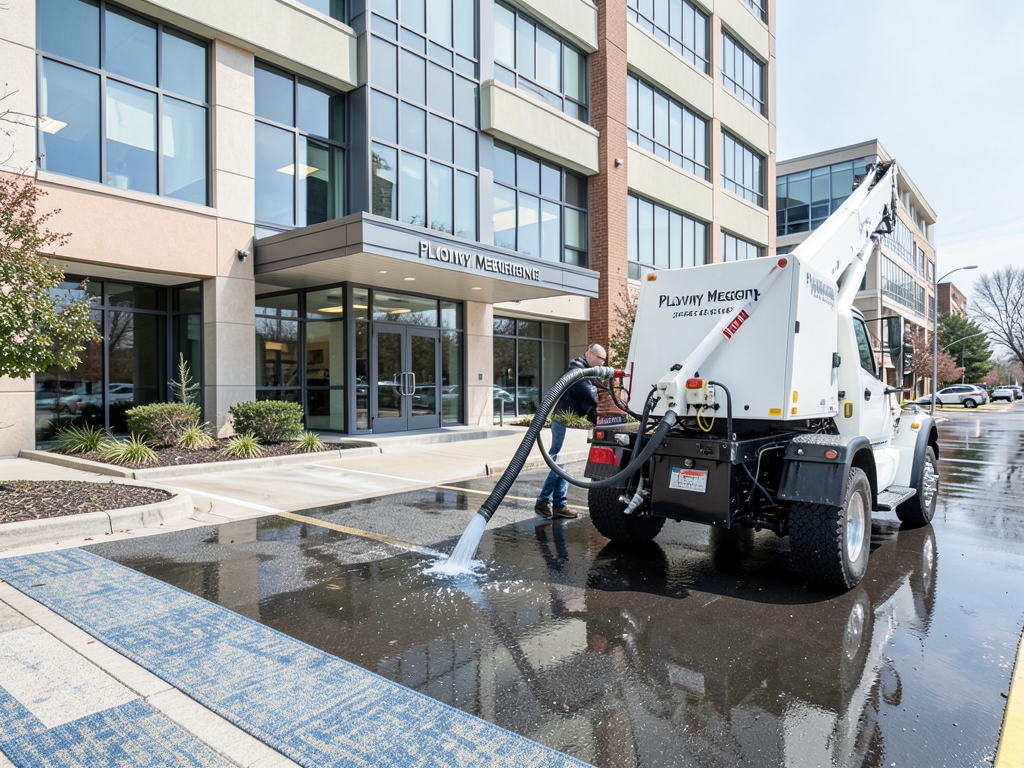
Our equipment inventory supports industrial-scale response. We deploy truck-mounted extraction units capable of removing thousands of gallons per hour from flooded facilities. Our desiccant dehumidification systems handle the cubic footage of multi-story office buildings. We maintain relationships with structural engineers and industrial hygienists for complex remediation requiring third-party validation.

Philadelphia's commercial real estate market demands rapid response to protect tenant relationships and property values. A law firm in Liberty Place cannot tolerate extended downtime. A restaurant in Rittenhouse Square faces revenue loss from every closed service shift. Our pre-loss planning ensures you have priority access to resources during peak demand periods when multiple properties compete for limited restoration capacity.

We integrate with national facility management platforms while maintaining local decision-making authority. Your corporate risk management team receives standardized reporting. Your local operations team gets hands-on coordination from technicians who know Philadelphia's infrastructure and can navigate permitting processes efficiently.

Insurance carriers recognize comprehensive disaster restoration planning as loss mitigation. Properties with documented response protocols often qualify for premium reductions because they demonstrate lower risk profiles than facilities operating without contingency frameworks.

What Your Disaster Recovery Planning Engagement Delivers

Planning Timeline and Implementation

Comprehensive facility assessments typically require 2-4 site visits depending on property size and operational complexity. We complete initial risk mapping within 10 business days. Response protocol development takes an additional 2-3 weeks as we integrate with your operational teams and validate resource availability. You receive completed documentation in both digital and physical formats. Implementation includes staff training sessions ensuring key personnel understand their roles during activation. Updates occur annually or following significant facility modifications.

Assessment Scope and Deliverables

Our facility assessment documents all water-related vulnerabilities including supply line routing, drainage capacity, mechanical system locations, and moisture-sensitive zones. You receive annotated floor plans marking critical infrastructure. Equipment inventories identify items requiring priority protection or specialized remediation protocols. We provide vulnerability scoring helping you prioritize capital improvements. Risk mitigation recommendations address both immediate concerns and long-term system upgrades. All documentation meets insurance carrier requirements for pre-loss planning certification.

Response Capability and Mobilization

Properties with active pre-loss planning receive priority dispatch during water damage events. Our 24/7 operations center maintains your facility profile including access procedures, emergency contacts, and equipment locations. Technician response begins within 90 minutes of notification for Philadelphia properties. Initial stabilization focuses on source control and critical area protection. Equipment staging follows your predefined protocols minimizing operational disruption. You receive real-time progress updates through digital dashboards accessible to all stakeholders.

Plan Maintenance and Support

Active pre-loss planning includes annual protocol reviews at no additional cost. We update documentation when you modify facilities or change operational workflows. Quarterly check-ins verify emergency contact accuracy and equipment readiness. You receive priority access to training resources including tabletop exercise facilitation and staff education modules. Our client portal provides 24/7 access to your response protocols, facility documentation, and vendor contact information. Plan revisions incorporate lessons learned from actual activation events or industry developments.

Frequently Asked Questions

You Have Questions,
We Have Answers

What are the 5 steps of disaster recovery planning? +

The five steps are risk assessment, business impact analysis, recovery strategy development, plan documentation, and testing. First, you identify threats specific to Philadelphia, like flooding from the Schuylkill or Delaware Rivers. Second, you analyze how downtime affects revenue and operations. Third, you define recovery time objectives and backup protocols. Fourth, you document procedures, vendor contacts, and communication chains. Fifth, you conduct drills to validate response effectiveness. Commercial properties in Philadelphia must account for aging infrastructure and seasonal weather patterns when building recovery frameworks. Regular updates ensure your plan adapts to changing business conditions and regulatory requirements.

What is disaster and recovery planning? +

Disaster and recovery planning is a structured framework that defines how your business responds to and recovers from disruptions. It covers data backup, facility restoration, supply chain continuity, and communication protocols. For Philadelphia businesses, plans must address regional risks like severe storms, power grid failures, and water main breaks common in older urban infrastructure. The goal is minimizing downtime and financial losses while maintaining compliance with industry regulations. Effective planning includes clear role assignments, vendor agreements for emergency services, and documented procedures for relocating operations if your primary facility becomes unusable. Testing validates that your team can execute under pressure.

What are the 4 pillars of disaster recovery? +

The four pillars are prevention, preparedness, response, and recovery. Prevention involves risk mitigation like waterproofing basements in flood-prone Philadelphia neighborhoods or upgrading HVAC systems. Preparedness includes staff training, emergency supply stockpiling, and vendor pre-qualification. Response covers immediate actions during a crisis, like activating backup systems or evacuating personnel. Recovery focuses on restoring normal operations, documenting damage for insurance claims, and implementing lessons learned. Philadelphia businesses must integrate these pillars with local emergency management protocols and building codes. Each pillar requires dedicated resources and executive oversight to function effectively when disaster strikes.

What are the 5 P's of disaster? +

The five Ps are proper planning prevents poor performance. This principle emphasizes that proactive disaster recovery planning directly determines how well your business survives a crisis. Without documented procedures, Philadelphia businesses face extended downtime when flooding hits or equipment fails. Proper planning means identifying single points of failure, establishing redundant systems, and training staff before emergencies occur. It includes testing backup power systems before winter storms and maintaining relationships with restoration contractors. Commercial properties that skip planning steps face higher insurance premiums and longer recovery periods. The investment in preparation pays immediate dividends when disruption strikes.

What are the 4 C's of disaster recovery? +

The four Cs are crisis management, communications, continuity, and coordination. Crisis management involves immediate threat assessment and decision-making. Communications covers internal alerts and external stakeholder notifications, including employees, customers, and regulatory bodies. Continuity ensures essential operations continue during disruption through backup systems and alternate work locations. Coordination involves synchronizing with vendors, emergency services, and insurance adjusters. Philadelphia businesses must coordinate with local utilities like PECO and the Philadelphia Water Department during infrastructure failures. Effective use of the four Cs reduces confusion, prevents miscommunication, and accelerates recovery timelines when water damage or other disasters impact your facility.

What are the 5 Rs of recovery? +

The five Rs are rescue, recover, restore, rebuild, and review. Rescue prioritizes life safety and immediate hazard mitigation. Recover involves stabilizing the situation and preventing secondary damage, like extracting water before mold growth begins. Restore means returning affected areas to pre-loss condition through professional remediation. Rebuild addresses structural repairs and system upgrades to prevent recurrence. Review analyzes response effectiveness and updates procedures based on lessons learned. Philadelphia commercial properties benefit from contractors who understand local building codes and historic preservation requirements. Each R requires specific expertise, proper equipment, and coordination with insurance carriers to minimize business interruption.

How Philadelphia's Flood Zones and Aging Infrastructure Elevate Pre-Loss Planning Importance

Philadelphia's location at the confluence of the Delaware and Schuylkill Rivers places thousands of commercial properties within FEMA-designated flood zones. Storm surge events push tidal water into Gray's Ferry, University City, and Delaware Avenue warehouse districts. The city's combined sewer system experiences overflow during heavy precipitation, backing contaminated water into basements in Manayunk and East Falls. These geographic factors make facility contingency planning essential for maintaining operations during seasonal weather events that other regions face less frequently.

Commercial properties in Philadelphia benefit from restoration partners familiar with the city's regulatory environment and building department procedures. Historic district properties require L&I coordination for remediation affecting original building fabric. Multi-tenant buildings demand protocols that protect adjacent occupants from cross-contamination. Reliance Water Damage Restoration Philadelphia maintains working relationships with local adjusters, engineers, and compliance specialists who understand these requirements. Our pre-loss planning accounts for Philadelphia-specific factors that generic national providers overlook.

Water Damage Restoration Services in The Philadelphia Area

View our service area to see how Reliance Water Damage Restoration delivers fast, reliable support across the region. Whether it’s residential basements or commercial spaces, our team is locally based and ready to respond 24/7. We’re committed to being near you when emergencies strike—count on us for prompt, professional care.
(80 words)

Address:
Reliance Water Damage Restoration Philadelphia, 100 N 18th St, Philadelphia, PA, 19103

Additional Services We Offer

Our news updates

Latest Articles & News from The Blogs

Identifying moisture problems in the unique limestone foundations of Swarthmore homes If you own a historic home in Swarthmore you…

Identifying moisture problems in the unique limestone foundations of Swarthmore homes

Identifying moisture problems in the unique limestone foundations of Swarthmore homes If you own a historic home in Swarthmore you…

Can your custom built-in bookshelves in Radnor be saved after a pipe burst?

Can Your Custom Built-In Bookshelves in Radnor Be Saved After a Pipe Burst? Water damage to custom built-ins in Radnor…

Solving the mystery of office park leaks in Plymouth Meeting before they ruin the carpet

Solving the mystery of office park leaks in Plymouth Meeting before they ruin the carpet Office park leaks in Plymouth…

Contact Us

Schedule your facility risk assessment today. Our team will map your vulnerabilities and build response protocols tailored to your operational requirements. Call (215) 610-8188 now to discuss how comprehensive disaster recovery planning protects your business continuity and minimizes downtime when water damage occurs.