menu

Signs of Hidden Mold in Philadelphia – Expert Detection That Protects Your Health and Property Value

Philadelphia homes face constant mold threats from basement seepage and row home moisture traps. Learn how to identify hidden mold growth before it spreads, reduces air quality, and damages structural integrity throughout your property.

Slider Image 1
Slider Image 2
Slider Image 3
Slider Image 4
Slider Image 5
Slider Image 7
Slider Image 8
Slider Image 9
Slider Image 10
Slider Image 11

Why Philadelphia Homes Are Breeding Grounds for Invisible Mold

Philadelphia's climate creates perfect conditions for concealed mold growth. High summer humidity combines with cold winters to produce condensation inside exterior walls. Row homes and twins share party walls that trap moisture between units. Basements in older neighborhoods like Fishtown and Graduate Hospital flood during heavy rain because dated drainage systems cannot handle modern storm volumes.

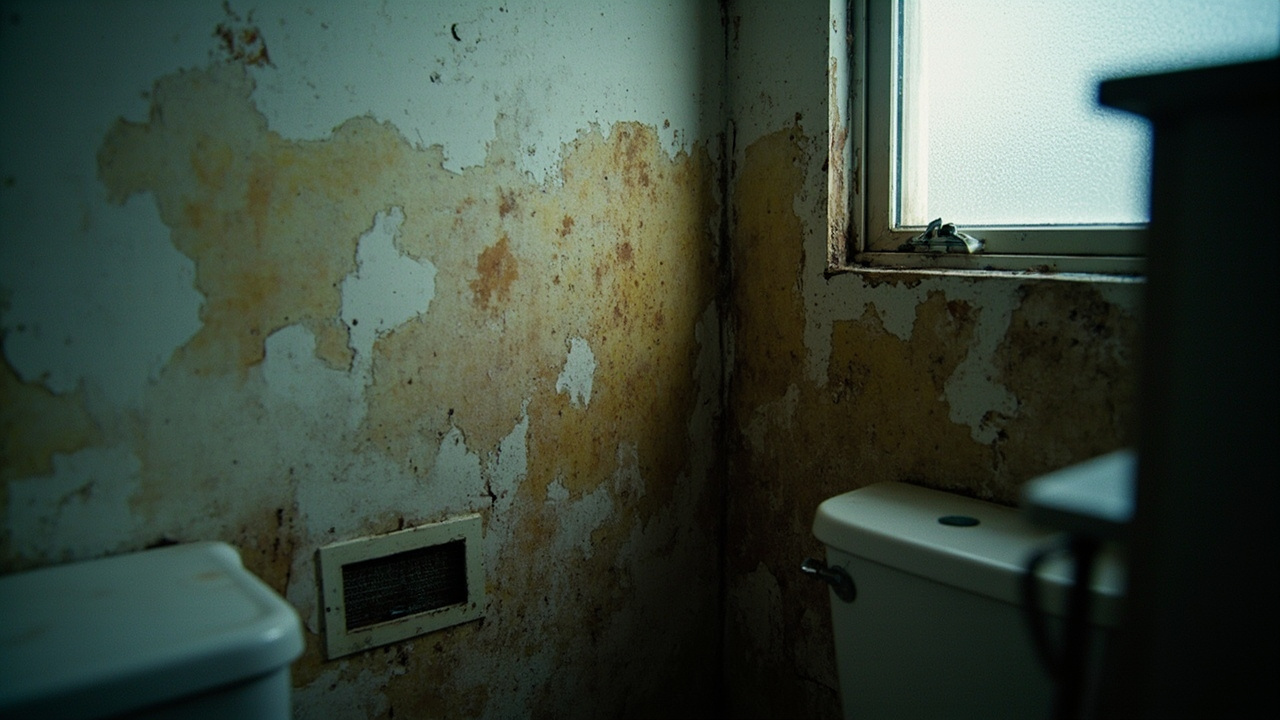
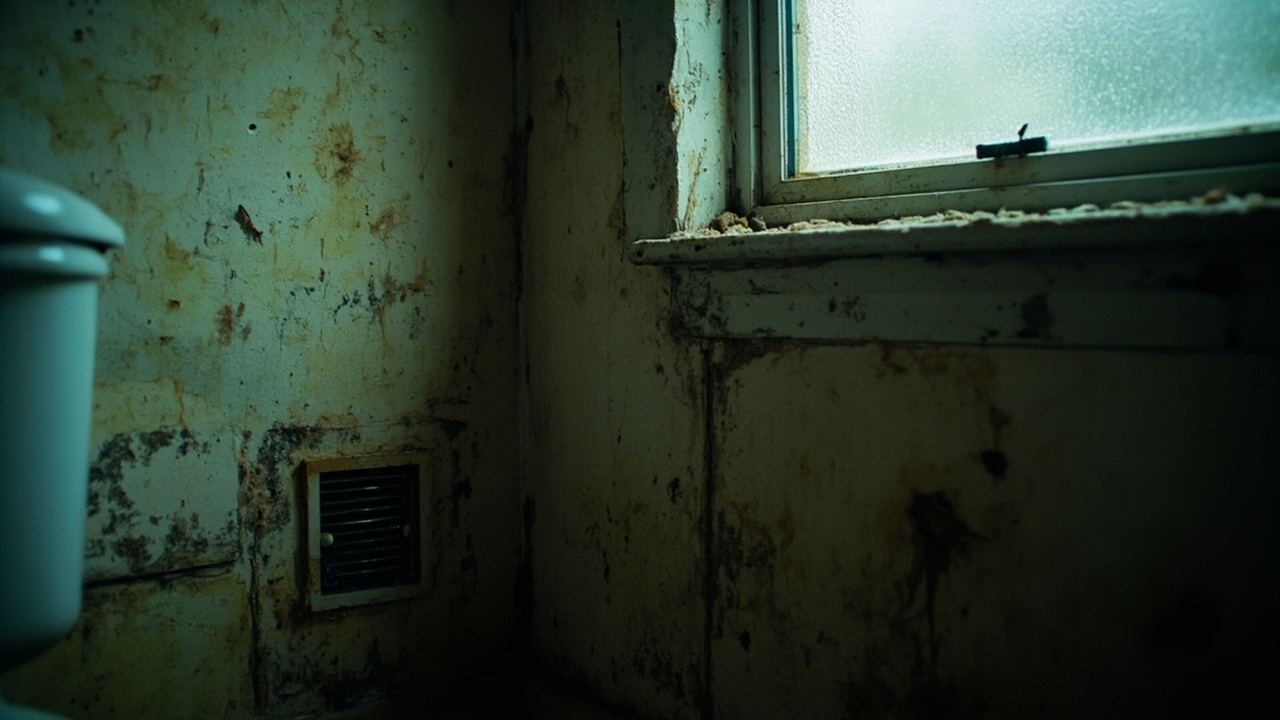
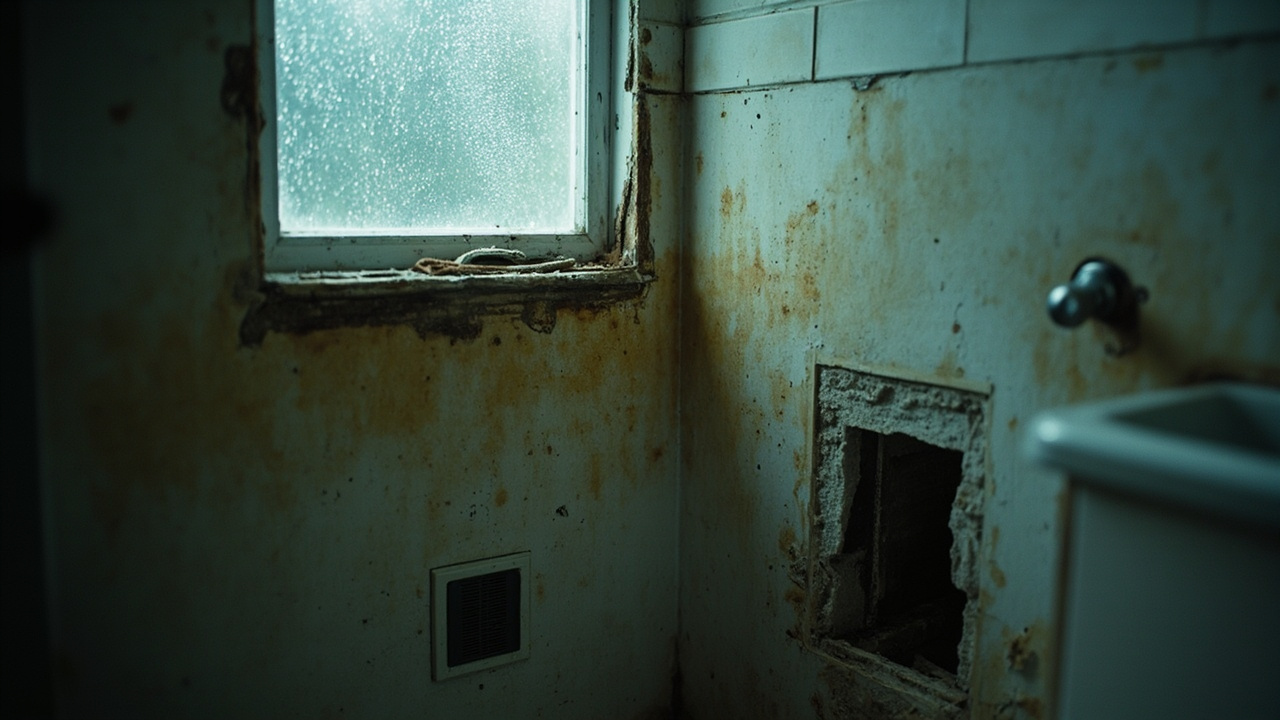
Symptoms of concealed mold often appear months after the initial water intrusion. You smell a musty odor in the finished basement but see no visible growth. Your child develops a persistent cough that clears up when they leave the house. Paint bubbles on interior walls near bathrooms or kitchens. These indicators of invisible mold signal active colonies behind drywall, under flooring, or inside HVAC ductwork.

The city's aging housing stock amplifies the problem. Homes built before 1950 lack vapor barriers. Original plaster walls absorb moisture like a sponge. Cast iron plumbing develops pinhole leaks that drip inside wall cavities for years before homeowners notice water damage. By the time you see discoloration on the ceiling below a second-floor bathroom, mold has colonized the floor joists and subfloor.

Evidence of unseen mold includes warped baseboards, soft spots in hardwood floors, and water stains that reappear after painting. Each sign points to chronic moisture that feeds fungal growth. Philadelphia's freeze-thaw cycles worsen the damage. Ice dams force water under roof shingles. Melting snow seeps through mortar joints in brick facades. Spring flooding saturates crawl spaces and slab foundations. Your home becomes a petri dish for toxic spores.

Why Philadelphia Homes Are Breeding Grounds for Invisible Mold
The Scientific Approach to Detecting Hidden Mold

The Scientific Approach to Detecting Hidden Mold

Detecting hidden mold requires diagnostic tools that see beyond surface conditions. Thermal imaging cameras reveal temperature differentials that indicate moisture accumulation. Cold spots on interior walls signal air leakage or water infiltration. Moisture meters measure substrate moisture content in wood framing, drywall, and concrete. Any reading above 17 percent creates favorable conditions for mold colonization.

Air quality testing identifies elevated spore counts that confirm active growth. Surface sampling with tape lifts captures visible colonies for lab analysis. We collect samples from multiple zones to map contamination patterns. The lab identifies species and concentration levels. Stachybotrys chartarum produces mycotoxins that cause respiratory distress. Aspergillus triggers allergic reactions in sensitive individuals. Penicillium thrives in water-damaged buildings and spreads rapidly through HVAC systems.

Invasive inspection reveals the full scope of colonization. We remove baseboards to inspect wall cavities. Borescopes allow visual inspection behind finished surfaces without major demolition. Fiber optic cameras snake through HVAC ductwork to document mold growth on coil fins and air handler interiors. Each inspection point builds a complete picture of contamination.

The diagnosis determines the remediation protocol. Small isolated colonies require limited containment and surface cleaning. Widespread growth behind walls demands full containment with negative air pressure and HEPA filtration. We test building materials for salvageability. Porous materials like drywall and insulation trap spores and require removal. Non-porous surfaces like metal studs and PVC piping can be cleaned and sanitized. The approach depends on species type, material porosity, and contamination depth. Generic cleaning fails because it addresses symptoms rather than the moisture source driving fungal growth.

How We Uncover What Others Miss

Signs of Hidden Mold in Philadelphia – Expert Detection That Protects Your Health and Property Value
01

Comprehensive Property Assessment

We begin with a thorough building inspection that traces moisture pathways from roof to foundation. Thermal imaging scans exterior walls, ceilings, and floors to identify hidden water intrusion. Moisture meters test building materials in suspect areas. We inspect crawl spaces, attics, and mechanical rooms where conditions favor mold growth. The assessment identifies active leaks, chronic dampness, and areas with elevated humidity that support fungal colonization.
02

Targeted Sampling and Testing

Air quality samples measure airborne spore concentrations throughout your home. Surface samples document visible growth on walls, ceilings, and HVAC components. We collect bulk samples from suspect materials for lab analysis. Testing identifies mold species, concentration levels, and contamination extent. Results guide the remediation scope and determine which materials require removal versus cleaning. The lab report provides documentation for insurance claims and establishes baseline conditions for post-remediation verification testing.
03

Detailed Findings Report

You receive a comprehensive report with thermal images, moisture readings, lab results, and photographs documenting all findings. The report explains contamination sources, affected building systems, and health risks from identified species. We provide a detailed remediation protocol with scope definitions, material removal requirements, and moisture control recommendations. The documentation gives you clarity on the problem and a roadmap for permanent resolution rather than temporary surface treatments.

Why Philadelphia Property Owners Trust Our Diagnostic Expertise

Philadelphia building construction creates unique mold challenges that demand local knowledge. We understand how brick veneer traps moisture against wood framing. We know which neighborhoods have combined sewer systems that back up during heavy rain. Experience with local architecture means we check party walls in row homes, inspect flat roofs on trinity houses, and examine stone foundations in Chestnut Hill properties. Generic mold inspectors miss these regional vulnerabilities.

Our technicians recognize Philadelphia-specific moisture patterns. They understand how nor'easters drive rain through mortar joints. They know freezing temperatures burst copper pipes inside exterior walls. They anticipate basement seepage in areas with high water tables near the Schuylkill and Delaware Rivers. This local insight leads to accurate diagnosis rather than surface-level guesswork.

We use advanced diagnostic equipment that reveals hidden conditions. Thermal cameras detect temperature anomalies invisible to the naked eye. Hygrometers measure relative humidity in wall cavities and crawl spaces. Borescopes allow visual inspection behind finished surfaces. The technology eliminates guesswork and documents actual conditions rather than assumptions. You receive hard data that shows exactly where moisture accumulates and mold colonizes.

Reliance Water Damage Restoration Philadelphia focuses on root cause analysis rather than symptom treatment. We trace mold growth back to the moisture source. Improper grading directs water toward the foundation. Missing flashing allows water penetration at roof-to-wall intersections. Bathroom exhaust fans vent into attic spaces instead of outdoors. The diagnostic process identifies these deficiencies so remediation addresses the source problem. Surface cleaning without moisture correction guarantees mold returns within months. Our approach prevents recurrence through comprehensive moisture management.

What Your Mold Inspection Includes

Same-Day Scheduling Available

We respond quickly when you suspect hidden mold growth. Most inspections occur within 24 to 48 hours of your call. The assessment takes two to four hours depending on property size and complexity. We work around your schedule for minimal disruption. Evening and weekend appointments accommodate busy property owners. You receive preliminary findings before we leave the site. Lab results arrive within three to five business days. Fast turnaround means you address the problem before it spreads to additional building areas.

Multi-Point Diagnostic Protocol

The inspection evaluates every potential moisture source and mold reservoir in your property. We examine the building envelope for water intrusion pathways. Attics receive scrutiny for roof leaks and ventilation deficiencies. Basements and crawl spaces get tested for groundwater seepage and humidity levels. Bathrooms and kitchens undergo plumbing inspections and exhaust system evaluations. HVAC systems get checked for condensate leaks and ductwork contamination. The comprehensive approach ensures we find all problem areas rather than obvious surface conditions.

Clear Action Plan

You receive documentation that explains findings in plain language. The report includes annotated photographs showing problem areas. Thermal images highlight moisture patterns. Lab results identify mold species and concentration levels. Most importantly, you get a prioritized action plan that addresses immediate health risks first. The remediation protocol specifies which materials require removal and which surfaces can be cleaned. Cost factors get explained based on contamination extent and accessibility. The clarity allows informed decisions about remediation scope and timing.

Post-Remediation Verification

After remediation, we conduct clearance testing to verify successful mold removal. Air quality samples confirm spore counts return to normal background levels. Visual inspection ensures all contaminated materials were properly removed. Moisture readings verify affected areas dried completely. The verification testing provides documentation that remediation met industry standards. Insurance companies require this proof before closing claims. Future buyers need assurance the problem was properly resolved. The clearance report gives you confidence the mold issue is permanently corrected rather than temporarily concealed.

Frequently Asked Questions

You Have Questions,
We Have Answers

How can you tell if you have hidden mold in your house? +

You can detect hidden mold through several signs. A persistent musty odor, even without visible growth, indicates mold behind walls or under floors. Watch for water stains, discoloration, or peeling paint on ceilings and baseboards. Philadelphia's older rowhomes often trap moisture in crawl spaces and basements. You may notice increased allergy symptoms, condensation on windows, or warping in wood floors. Check behind appliances, under sinks, and near HVAC systems. If you experienced past water damage or flooding, mold likely developed in hidden cavities. Professional inspection with thermal imaging and moisture meters reveals growth you cannot see.

What are signs of mold sickness? +

Mold sickness triggers respiratory symptoms like persistent coughing, wheezing, and nasal congestion. You may experience itchy eyes, throat irritation, and frequent headaches. Skin rashes and hives appear in sensitive individuals. Fatigue, difficulty concentrating, and memory problems signal prolonged exposure. Philadelphia's humid summers worsen symptoms as mold spores multiply rapidly. Some people develop chest tightness or shortness of breath. Chronic sinus infections that resist treatment often stem from mold exposure. If symptoms improve when you leave your home and return when you come back, hidden mold is the likely culprit. Immune-compromised individuals face more severe reactions.

Can mold cause a baby to cough? +

Yes, mold can cause a baby to cough. Infants have developing respiratory systems that react strongly to mold spores. You may notice persistent dry coughing, wheezing, or labored breathing. Babies exposed to mold often develop frequent respiratory infections and congestion. Philadelphia's row homes and older construction can trap moisture, creating ideal conditions for mold growth in nurseries. Watch for coughing that worsens at night or during naps when your baby spends extended time in one room. Mold exposure also triggers skin rashes and excessive fussiness. If your baby's cough persists beyond typical cold symptoms, investigate for hidden mold growth.

Can mold cause twitching? +

Mold can potentially cause twitching through mycotoxin exposure, though this is a less common symptom. Toxic molds produce compounds that affect the nervous system in sensitive individuals. You might experience muscle spasms, tremors, or involuntary twitching alongside other neurological symptoms like dizziness and numbness. Philadelphia residents in water-damaged buildings face higher exposure risks. Twitching typically appears with other mold-related symptoms like respiratory issues, headaches, and cognitive difficulties. This reaction indicates significant exposure requiring immediate remediation. If you experience unexplained twitching with other health changes, consult a physician and investigate your home for hidden mold growth, particularly after water damage.

Can I test for mold in the air myself? +

You can purchase DIY mold test kits at hardware stores, but they have significant limitations. Surface swab tests and air quality plates provide basic detection, though they cannot identify mold species or concentration levels accurately. Philadelphia's naturally humid air often yields false positives. These kits miss hidden mold behind walls or in HVAC systems. Professional testing uses calibrated equipment, chain-of-custody protocols, and laboratory analysis for accurate results. DIY tests cost less upfront but waste money if results are unreliable. For accurate assessment, especially after water damage in Philadelphia's older housing stock, hire certified professionals with thermal imaging and moisture detection tools.

Can doctors check if you've been exposed to mold? +

Yes, doctors can check for mold exposure through specific tests. Blood tests measure antibodies your immune system produces in response to mold. Skin prick tests identify allergic reactions to specific mold species. Some physicians order urine mycotoxin tests to detect toxic mold metabolites. Philadelphia-area allergists and environmental medicine specialists offer these assessments. However, no single test definitively proves mold illness. Doctors evaluate your symptoms, medical history, and home environment together. Many insurance plans do not cover mold-specific testing. If you suspect exposure, document your symptoms and any known water damage. Medical testing works best alongside professional home inspection and remediation.

How Philadelphia's Row Home Design Creates Perfect Conditions for Hidden Mold

Philadelphia's iconic row home architecture creates shared wall assemblies that trap moisture between adjacent properties. Party walls lack ventilation and drainage pathways found in detached homes. When one unit experiences a plumbing leak or roof failure, water migrates laterally into neighboring properties through shared framing and masonry. The trapped moisture creates ideal conditions for mold growth that remains hidden for months. Finished basements in row homes suffer particularly acute problems because foundation walls contact soil on three sides with limited air circulation. Add Philadelphia's humid summers and you create year-round fungal growth that spreads vertically through wall cavities.

Local building codes require specific mold remediation protocols that out-of-state contractors often misunderstand. Philadelphia's Department of Licenses and Inspections enforces strict lead paint and asbestos regulations during renovation work. Properties built before 1978 demand certified lead-safe practices during mold remediation that involves demolition. We maintain all required certifications and understand local permit requirements. Our technicians recognize Philadelphia construction methods from different eras and know which building materials likely contain hazardous substances. This local expertise prevents code violations and protects occupant health during the remediation process.

Water Damage Restoration Services in The Philadelphia Area

View our service area to see how Reliance Water Damage Restoration delivers fast, reliable support across the region. Whether it’s residential basements or commercial spaces, our team is locally based and ready to respond 24/7. We’re committed to being near you when emergencies strike—count on us for prompt, professional care.
(80 words)

Address:
Reliance Water Damage Restoration Philadelphia, 100 N 18th St, Philadelphia, PA, 19103

Additional Services We Offer

Our news updates

Latest Articles & News from The Blogs

Identifying moisture problems in the unique limestone foundations of Swarthmore homes If you own a historic home in Swarthmore you…

Identifying moisture problems in the unique limestone foundations of Swarthmore homes

Identifying moisture problems in the unique limestone foundations of Swarthmore homes If you own a historic home in Swarthmore you…

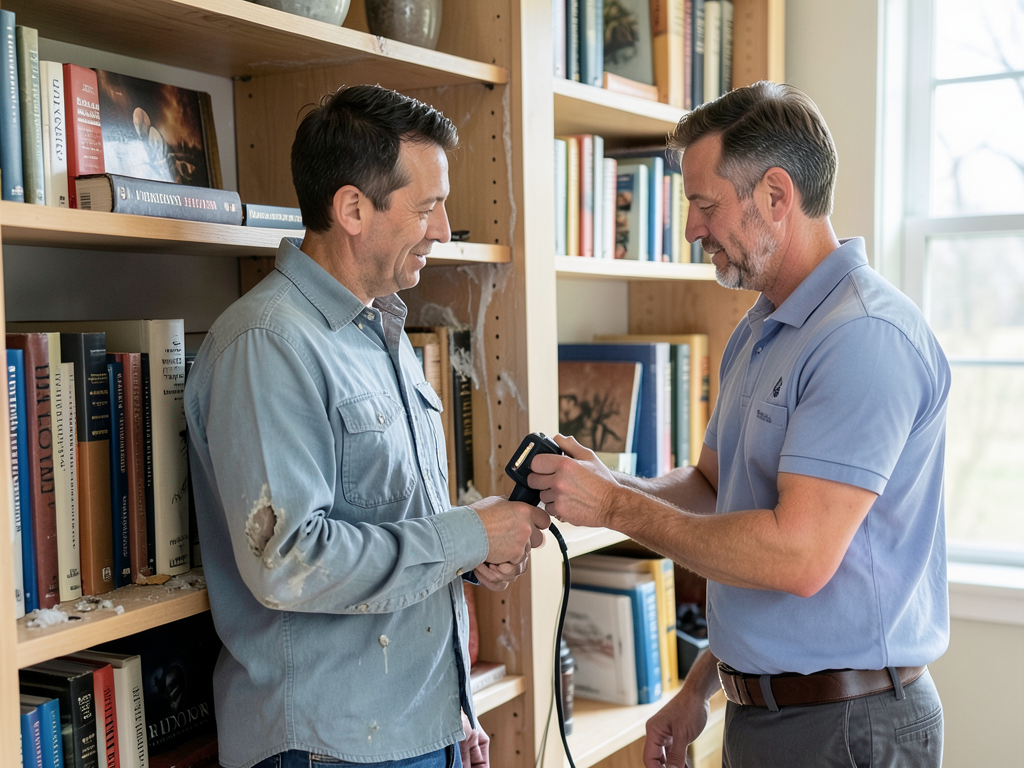
Can your custom built-in bookshelves in Radnor be saved after a pipe burst?

Can Your Custom Built-In Bookshelves in Radnor Be Saved After a Pipe Burst? Water damage to custom built-ins in Radnor…

Solving the mystery of office park leaks in Plymouth Meeting before they ruin the carpet

Solving the mystery of office park leaks in Plymouth Meeting before they ruin the carpet Office park leaks in Plymouth…

Contact Us

Hidden mold compromises air quality and structural integrity daily. Call Reliance Water Damage Restoration Philadelphia at (215) 610-8188 for a comprehensive inspection. We identify contamination sources and provide clear remediation guidance. Schedule your assessment today.