menu

Fire Sprinkler Water Cleanup in Philadelphia – 60-Minute Emergency Response 24/7

When a fire sprinkler floods your property, every minute counts. Our rapid-response teams arrive fast across Philadelphia to extract water, prevent structural damage, and protect your belongings before irreversible harm sets in.

Slider Image 1
Slider Image 2
Slider Image 3
Slider Image 4
Slider Image 5
Slider Image 7
Slider Image 8
Slider Image 9
Slider Image 10
Slider Image 11

Why Fire Sprinkler Discharge Creates Urgent Damage in Philadelphia Properties

A single triggered fire sprinkler head can discharge up to 25 gallons of water per minute. In Philadelphia's mixed-use buildings and older commercial structures common in Center City and Old City, that volume overwhelms wood subfloors, saturates plaster walls, and penetrates century-old masonry within minutes.

Accidental sprinkler discharge cleanup becomes critical when you realize the water carries stagnant residue from pipes that may have sat dormant for decades. This contaminated water seeps into HVAC ductwork, behind brick facades, and under hardwood floors faster than rain or plumbing leaks because the pressure is designed to flood a space rapidly.

Philadelphia's freeze-thaw cycles stress fire suppression systems in winter. A frozen sprinkler pipe that bursts on a subzero February morning can dump thousands of gallons before you locate the shutoff valve. Row homes in South Philly and Fishtown face additional risk because shared walls allow water migration between units.

Emergency sprinkler water removal must begin immediately. Water-logged drywall loses structural integrity within 48 hours. Mold colonization starts within 24 to 72 hours in Philadelphia's humid climate, particularly during summer months when indoor moisture levels spike.

Fire sprinkler water damage restoration is not a standard water cleanup job. The high volume, the contaminated source, and the pressure-driven saturation require industrial extraction equipment and antimicrobial treatment protocols that go beyond what a wet-dry vacuum can handle.

Every hour you wait increases the total restoration cost and the likelihood of permanent damage.

Why Fire Sprinkler Discharge Creates Urgent Damage in Philadelphia Properties
How Professional Fire Suppression System Water Extraction Works

How Professional Fire Suppression System Water Extraction Works

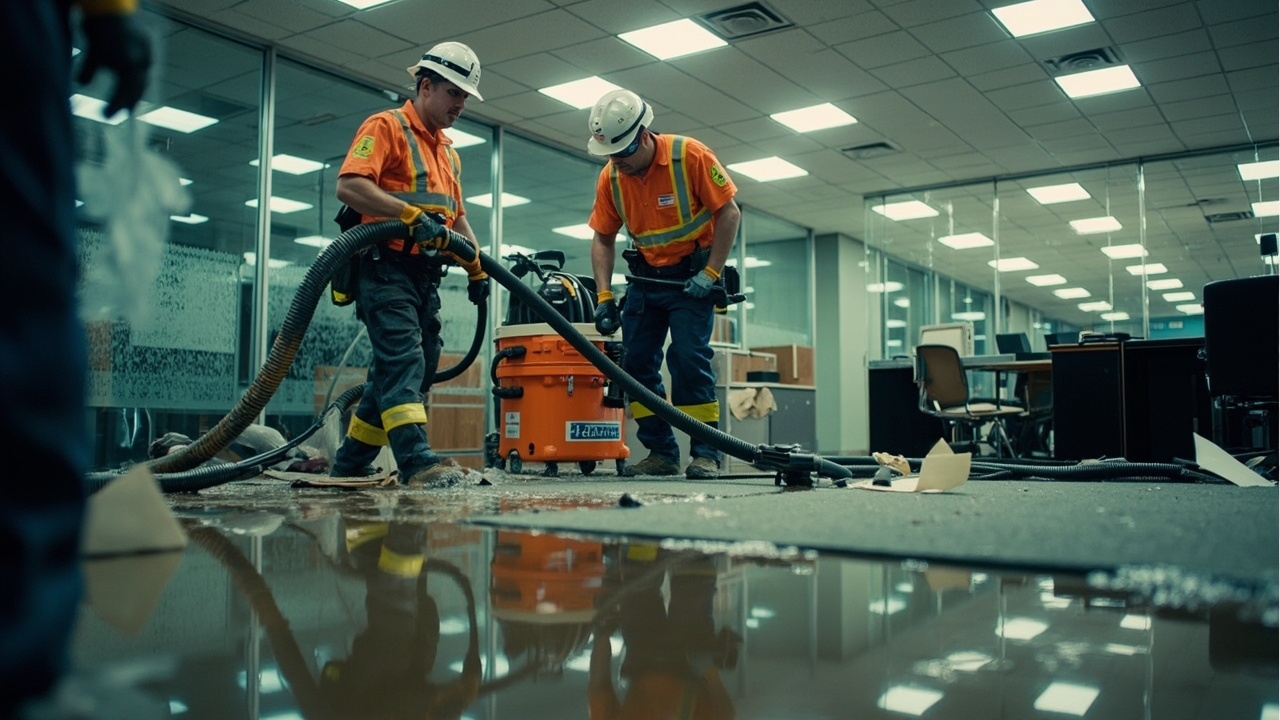
Burst fire sprinkler flood remediation starts with source control. Our teams shut down the affected zone or isolate the malfunctioning head, then immediately deploy truck-mounted extractors that pull standing water at 10 times the rate of portable units.

We do not wait for insurance approval to begin water extraction. Delayed response guarantees secondary damage that inflates your claim and extends downtime.

Philadelphia's commercial spaces often have concealed sprinkler systems above drop ceilings. We remove ceiling tiles to access trapped water in the plenum space, which prevents the slow drip that ruins inventory and electronics over the following weeks.

Our extraction process includes submersible pumps for bulk water removal, followed by weighted extraction wands that pull moisture from carpet padding and subfloors. We measure moisture content in wood framing and masonry using penetrating pin meters, not surface sensors that miss embedded saturation.

Fire sprinkler water damage restoration requires negative air pressure containment when the discharge occurs in multi-tenant buildings. This prevents airborne contaminants and humidity from spreading through shared ventilation systems, a common problem in older Philadelphia buildings that lack compartmentalized HVAC.

We inject antimicrobial agents into wall cavities and under flooring before drying begins. Fire suppression system water extraction is incomplete if you only dry visible surfaces. The black water that sits in pipe systems contains biofilm, rust particulate, and bacterial colonies that standard cleaning does not address.

Structural drying uses commercial dehumidifiers calibrated to pull 150 pints per day, combined with high-velocity air movers that create laminar airflow across wet materials. We monitor daily until moisture readings return to baseline.

What Happens During Emergency Sprinkler Water Removal

Fire Sprinkler Water Cleanup in Philadelphia – 60-Minute Emergency Response 24/7
01

Immediate Water Extraction

Our crew arrives with truck-mounted extraction units and submersible pumps to remove standing water within the first hour. We prioritize structural cavities, under-floor spaces, and areas where water has penetrated walls. Speed at this stage determines whether you face a cleanup project or a full reconstruction. We document moisture levels in all affected materials before extraction begins to establish a drying baseline.
02

Contamination Control and Treatment

Fire sprinkler discharge carries rust, sediment, and bacterial contamination from pipe systems. We apply hospital-grade antimicrobial treatments to all wetted surfaces, including wall cavities and subfloor areas you cannot see. This step prevents mold growth and eliminates odor-causing bacteria. We also establish containment barriers in multi-unit buildings to prevent cross-contamination through shared walls or ventilation systems common in Philadelphia's older structures.
03

Structural Drying and Verification

Industrial dehumidifiers and air movers run continuously until moisture readings return to normal ranges. We measure daily using penetrating moisture meters and thermal imaging to confirm hidden saturation is resolved. Drying typically takes three to five days depending on materials affected and building construction. We provide written verification of complete drying to your insurance adjuster and document that no residual moisture remains to trigger future mold or rot.

Why Philadelphia Property Owners Choose Local Fire Sprinkler Water Cleanup Experts

Fire suppression system water extraction in Philadelphia requires familiarity with the city's building stock. Center City high-rises, Old City colonial-era structures, and West Philadelphia row homes all respond differently to water intrusion. A crew experienced in one does not automatically understand the others.

Older Philadelphia buildings often have plaster-on-lath walls instead of drywall. Plaster absorbs water differently, dries slower, and cracks when dried too aggressively. Technicians who treat it like drywall cause irreversible damage that turns a cleanup into a demolition project.

We understand Philadelphia's fire code requirements and work directly with building inspectors when sprinkler discharge affects life safety systems. Your suppression system cannot simply be turned back on after a malfunction. It requires inspection, and in some cases, recertification before the building can legally reopen.

Our response time matters because we stage equipment throughout Philadelphia County. When you call at 2 a.m. because a sprinkler head discharged in your Rittenhouse Square apartment building, we arrive in under an hour, not three hours from a distant suburb.

Insurance companies trust local providers who document thoroughly. We photograph everything, log moisture readings at every check, and provide line-item reporting that matches the insurance industry's Xactimate estimating software. This eliminates the back-and-forth that delays your claim payment.

Reliance Water Damage Restoration Philadelphia has handled sprinkler discharge events in the Convention Center District, University City student housing, and Northern Liberties loft conversions. We know the building types, the construction methods, and the insurance adjusters who cover this market.

You do not get a second chance to extract water correctly. The first 24 hours determine whether you recover your property or lose it to mold and structural failure.

What to Expect During Fire Sprinkler Water Damage Restoration

Response Time and Availability

We dispatch teams 24 hours a day, 365 days a year. When you call our emergency line, you speak to a technician who can deploy immediately, not an answering service that takes a message. Our average response time across Philadelphia is under 60 minutes from the time of your call. We do not wait for business hours or insurance authorization to begin water extraction. Speed during the first few hours prevents tens of thousands of dollars in secondary damage. Our trucks carry extraction equipment, containment barriers, and antimicrobial treatments so we can begin work the moment we arrive.

Initial Assessment and Scope Documentation

Our lead technician conducts a room-by-room assessment using moisture meters and thermal imaging cameras to identify all affected areas, including hidden saturation in wall cavities and subfloors. We document the extent of water intrusion with photographs, moisture readings, and written notes that satisfy insurance requirements. You receive a detailed scope of work within two hours of our arrival that outlines the extraction process, expected drying timeline, and materials that require removal or treatment. This assessment identifies structural risks, contamination levels, and any life safety concerns that require immediate attention before drying begins.

Drying Results and Final Verification

Complete structural drying means moisture content in all materials returns to baseline levels measured before water intrusion occurred. We do not rely on surface drying or visual inspection. Our technicians measure moisture in wood framing, masonry, and concrete using calibrated meters daily until readings confirm no residual saturation remains. You receive a written certificate of drying completion that documents final moisture levels in every affected material. This certification protects you from future mold claims and provides proof to your insurance company that the job was completed to industry standards. We do not consider the project finished until independent verification confirms your property is dry.

Post-Restoration Monitoring and Support

Fire sprinkler water damage restoration does not end when equipment is removed. We provide follow-up inspections at 30 and 60 days after project completion to verify no moisture reappears and no mold growth develops. These inspections are included in your initial service and give you confidence that hidden problems will not emerge months later. If your insurance claim requires additional documentation or if adjusters request supplemental information, we provide that support at no extra charge. We also coordinate with your fire suppression contractor to ensure the sprinkler system is restored to code-compliant operation before final sign-off.

Frequently Asked Questions

You Have Questions,
We Have Answers

Is fire sprinkler water clean? +

No. Fire sprinkler water sits stagnant in pipes for months or years. This creates bacterial growth, rust, and sediment buildup. When a sprinkler activates, the water often appears black, brown, or rust-colored. It smells foul due to sulfur bacteria and decaying organic matter. This contaminated water can stain floors, furniture, and walls immediately. If your Philadelphia property experiences sprinkler discharge, treat it as Category 2 (gray water) contamination at minimum. Do not touch or walk through it barefoot. Professional extraction and antimicrobial treatment are critical to prevent mold growth and protect your health.

What is the 3 times rule for fire sprinklers? +

The 3 times rule refers to required distance clearances around fire sprinkler heads. NFPA 13 mandates maintaining three times the maximum dimension of any obstruction as clear space from the sprinkler deflector. For example, if a light fixture is 12 inches wide, you need 36 inches of clearance. This ensures proper water distribution during activation. In Philadelphia commercial buildings and multi-family properties, building inspectors enforce this rule strictly. Violating clearance requirements can result in failed inspections, insurance claim denials, and inadequate fire protection. Always consult NFPA standards before installing shelving, lighting, or HVAC equipment near sprinklers.

How often do sprinkler systems need to be flushed? +

Fire sprinkler systems require quarterly inspection and testing, but full flushing frequency depends on water quality and system type. NFPA 25 recommends annual main drain tests and five-year internal pipe inspections for wet systems. Dry systems need more frequent attention due to trapped air and condensation issues. Philadelphia properties with older galvanized pipes or high mineral content water may need flushing every 2-3 years to prevent blockages. If water appears discolored during testing or you notice reduced pressure, schedule immediate flushing. Neglecting maintenance leads to clogged heads, false activations, and severe water damage during emergencies.

How to drain water from a fire sprinkler system? +

Draining a fire sprinkler system requires trained technicians and coordination with your fire alarm monitoring company. First, shut off the main water supply valve. Open drain valves at low points in the system to gravity-drain pipes. Use air compressors to blow out remaining water in dry systems. For wet systems, open inspector test valves and main drains to evacuate water. Philadelphia buildings must notify the fire marshal before taking systems offline. Never attempt this yourself. Improper draining causes pipe damage, system failures, and code violations. After water damage, restoration professionals coordinate with licensed sprinkler contractors to safely drain and restore protection.

Why does fire sprinkler water smell bad? +

Fire sprinkler water smells like rotten eggs or sewage due to anaerobic bacteria thriving in stagnant pipes. Sulfur-reducing bacteria produce hydrogen sulfide gas, creating that distinctive foul odor. Rust particles, biofilm, and decomposed organic matter add to the stench. In Philadelphia properties with older pipe systems, the smell intensifies over years of neglect. This contaminated water carries bacteria, mold spores, and corrosive compounds. When sprinklers discharge during a fire or malfunction, the odor permeates carpets, drywall, and furniture. Professional water extraction removes the source quickly. Air scrubbers and antimicrobial treatments eliminate lingering smells and prevent microbial growth in affected materials.

How long does it take to get 1 inch of water from a sprinkler? +

This question confuses irrigation sprinklers with fire suppression systems. Fire sprinklers discharge 15-40 gallons per minute per head at high pressure, flooding spaces rapidly. A single activated head releases hundreds of gallons in minutes, not the gradual watering of lawn irrigation. In Philadelphia commercial properties, one triggered sprinkler can dump 300-500 gallons before shutoff. This creates standing water inches deep across floors within 10-15 minutes. The volume overwhelms standard drains and requires immediate professional extraction. Do not wait. Call emergency water damage restoration services within the first hour to prevent structural damage, mold growth, and category escalation from clean to contaminated water.

How Philadelphia's Aging Fire Suppression Systems Increase Sprinkler Discharge Risk

Philadelphia has one of the oldest building stocks on the East Coast. Many commercial and residential structures installed fire sprinkler systems in the 1970s and 1980s when retrofitting older buildings became a code requirement. These systems have aging pipes, corroded fittings, and outdated sprinkler heads that fail without warning. In neighborhoods like Old City and Society Hill, original wet-pipe systems installed in converted warehouses and historic buildings are reaching the end of their service life. Freeze damage during harsh winters, pressure fluctuations from Philadelphia Water Department main work, and simple metal fatigue cause sudden ruptures that flood properties instantly. Emergency sprinkler water removal becomes more common as these systems age past their 40-year design life.

Philadelphia's Department of Licenses and Inspections requires fire suppression systems in most commercial buildings and multi-family residential structures over three stories. This means thousands of properties across the city have active sprinkler systems that require professional water damage restoration when malfunction occurs. Local restoration companies understand the city's inspection protocols, the required documentation for insurance claims filed through Pennsylvania providers, and the coordinated response needed when sprinkler discharge affects multiple tenants in shared buildings. Working with a provider who knows Philadelphia's building department procedures, insurance market, and construction methods ensures your claim is processed correctly and your property is restored to code-compliant condition.

Water Damage Restoration Services in The Philadelphia Area

View our service area to see how Reliance Water Damage Restoration delivers fast, reliable support across the region. Whether it’s residential basements or commercial spaces, our team is locally based and ready to respond 24/7. We’re committed to being near you when emergencies strike—count on us for prompt, professional care.
(80 words)

Address:
Reliance Water Damage Restoration Philadelphia, 100 N 18th St, Philadelphia, PA, 19103

Additional Services We Offer

Our news updates

Latest Articles & News from The Blogs

Identifying moisture problems in the unique limestone foundations of Swarthmore homes If you own a historic home in Swarthmore you…

Identifying moisture problems in the unique limestone foundations of Swarthmore homes

Identifying moisture problems in the unique limestone foundations of Swarthmore homes If you own a historic home in Swarthmore you…

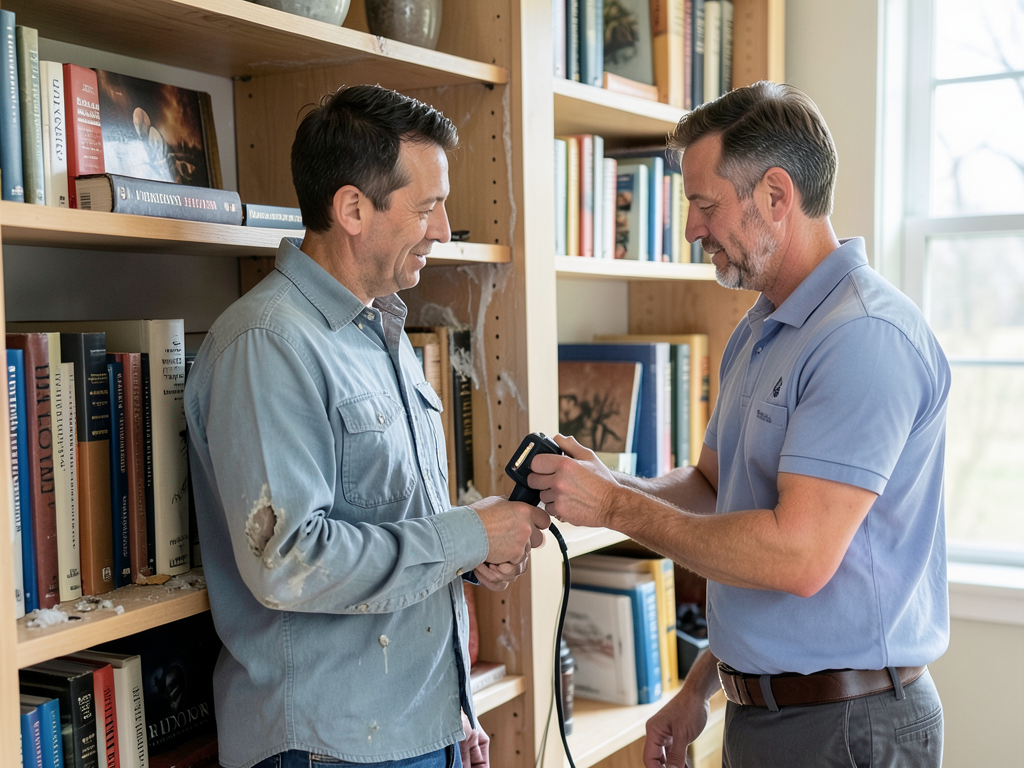
Can your custom built-in bookshelves in Radnor be saved after a pipe burst?

Can Your Custom Built-In Bookshelves in Radnor Be Saved After a Pipe Burst? Water damage to custom built-ins in Radnor…

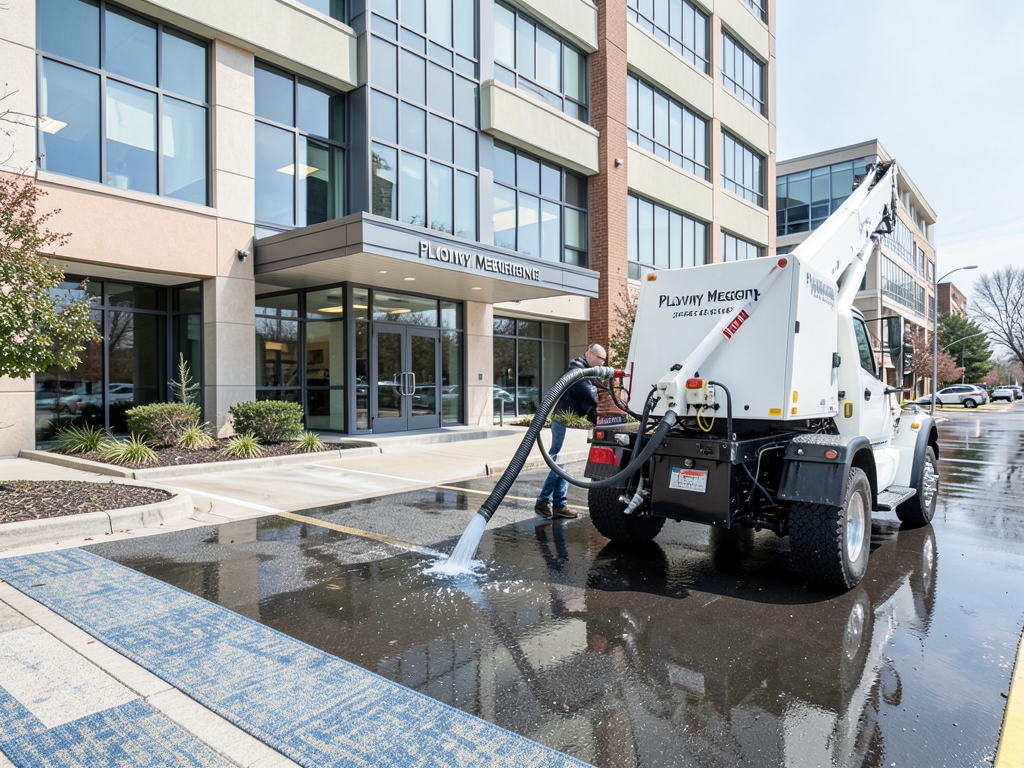
Solving the mystery of office park leaks in Plymouth Meeting before they ruin the carpet

Solving the mystery of office park leaks in Plymouth Meeting before they ruin the carpet Office park leaks in Plymouth…

Contact Us

Do not let water sit while you wait for business hours. Call (215) 610-8188 now for immediate dispatch. Our crews are standing by 24/7 to extract water, prevent mold, and protect your property from permanent damage.