menu

Risks of DIY Water Cleanup in Philadelphia – Why Amateur Extraction Can Cause Permanent Structural Damage

Understanding the dangers of DIY water damage restoration protects your property from hidden mold growth, electrical hazards, and structural compromise that amateur water removal often creates in Philadelphia homes.

Slider Image 1
Slider Image 2
Slider Image 3
Slider Image 4
Slider Image 5
Slider Image 7
Slider Image 8
Slider Image 9
Slider Image 10
Slider Image 11

Why Philadelphia Homeowners Who Try DIY Water Cleanup Often Face Worse Damage

You mop up the water, rent a wet vac from the hardware store, and run a few fans. The visible water disappears. Problem solved, right?

Wrong. The dangers of DIY water damage restoration become obvious weeks later when you notice the musty smell or the buckling floorboards.

Philadelphia's climate creates specific challenges for water cleanup. High humidity levels throughout spring and summer slow evaporation rates. Our freeze-thaw cycles during winter cause hidden foundation cracks that channel water into places you cannot see. Row homes and older construction, common in neighborhoods like Fishtown and South Philadelphia, often have brick walls that wick moisture upward through capillary action. You cannot see this process happening.

The hazards of do-it-yourself water removal center on what you miss. Moisture meters detect trapped water behind baseboards and inside wall cavities. Thermal imaging reveals wet insulation. Professional extraction equipment removes water from carpet padding and subfloors. A shop vac does not reach these areas.

The consequences of amateur water cleanup compound over time. Wet drywall loses structural integrity within 48 hours. Mold colonies establish within 24 to 48 hours in damp conditions. Wood framing begins to rot. Electrical systems corrode. Each day of incomplete drying increases the repair bill.

Philadelphia's older housing stock adds complexity. Plaster walls absorb water differently than drywall. Hardwood floors over crawl spaces need different drying protocols than concrete slabs. Victorian-era homes in Chestnut Hill have different ventilation patterns than newer construction in University City.

The hidden risks of self-managed water mitigation include health threats. Contaminated water from sewage backups or appliance failures contains bacteria and pathogens. Without proper protective equipment and disposal protocols, you expose your family to these hazards.

Why Philadelphia Homeowners Who Try DIY Water Cleanup Often Face Worse Damage
How Professional Water Extraction Prevents the Pitfalls of DIY Methods

How Professional Water Extraction Prevents the Pitfalls of DIY Methods

Professional water damage restoration follows IICRC S500 standards. This protocol requires specific moisture content readings before declaring materials dry. Technicians measure moisture levels in affected materials and compare them to unaffected control areas. When readings match, drying is complete. Shop vacs and box fans cannot achieve this standard.

Extraction equipment matters. Truck-mounted extractors generate vacuum pressure that pulls water from deep within carpet fibers and padding. Portable extractors for upper floors use similar technology on a smaller scale. These systems remove 10 to 20 times more water than consumer-grade equipment.

Air movement creates evaporation. Professional restoration uses axial fans positioned at specific angles to create cyclical airflow patterns. This directed airflow carries moisture-saturated air away from wet surfaces. Dehumidifiers remove moisture from the air itself. Commercial dehumidifiers process 150 to 200 pints per day, compared to 30 to 50 pints for residential units.

Moisture mapping documents the full extent of damage. Technicians use penetrating moisture meters to check wall studs, subfloors, and ceiling joists. Non-penetrating meters detect moisture without creating holes. Thermal cameras identify wet areas behind finished surfaces. This documentation guides the drying strategy and provides insurance documentation.

Containment prevents secondary damage. Professionals isolate affected areas using plastic sheeting and negative air pressure. This containment stops airborne mold spores from spreading to unaffected rooms. It also improves drying efficiency by concentrating dehumidification in the wet zone.

Antimicrobial treatment addresses contamination. Category 2 water from dishwasher overflows or washing machine failures contains biological contaminants. Category 3 water from sewage or flooding requires specialized cleaning agents. EPA-registered antimicrobials eliminate bacteria and prevent mold growth during the drying process.

Material removal decisions require expertise. Drywall can often be saved if dried within 48 hours. Insulation must be removed. Hardwood floors may be salvageable depending on water exposure time and wood species. These decisions impact both repair costs and structural integrity.

What Actually Happens During Professional Water Damage Assessment

Risks of DIY Water Cleanup in Philadelphia – Why Amateur Extraction Can Cause Permanent Structural Damage
01

Initial Damage Documentation

Technicians photograph all affected areas before starting work. Moisture meters establish baseline readings in walls, floors, and ceilings. This documentation creates a reference point for insurance claims and tracks drying progress. The assessment identifies water category, affected materials, and the source of intrusion. Stopping active water flow happens first. A burst pipe gets shut off. A roof leak gets tarped. Without source control, extraction is pointless.
02

Strategic Equipment Placement

Extractors remove standing water first. Technicians then position air movers to create airflow across all wet surfaces. Dehumidifiers get placed in central locations to process the maximum air volume. Equipment placement follows psychrometric principles based on temperature, humidity, and airflow patterns. In Philadelphia's older homes, technicians adjust fan angles to account for irregular room layouts and multiple doorways. Daily monitoring adjusts equipment positioning as materials dry and moisture migrates.
03

Verification and Clearance

Drying continues until moisture readings match unaffected control areas. This process typically takes three to five days but varies based on materials and conditions. Final moisture mapping confirms complete drying. Technicians document all readings and photograph equipment removal. The property owner receives a completion certificate showing moisture levels returned to normal ranges. This documentation satisfies insurance requirements and provides proof of proper restoration, protecting your claim and your investment.

Why Philadelphia Properties Need Local Water Damage Expertise

Philadelphia's building codes and construction methods require local knowledge. The city's L&I department has specific requirements for water damage repairs in historic districts. Technicians familiar with these regulations prevent permit issues and inspection failures that delay repairs.

Row home construction presents unique challenges. Shared walls mean water damage in one unit can affect neighbors. Party walls built with brick and plaster require different drying approaches than standard drywall. Water travels along mortar joints and appears several feet from the actual source. Technicians experienced with Philadelphia's housing stock recognize these patterns.

Basement water intrusion follows predictable patterns based on neighborhood geology. Areas built on clay soil, common in Northeast Philadelphia, experience different foundation issues than properties on rock ledge in Manayunk. Understanding these soil conditions helps identify whether water came from surface flooding, groundwater infiltration, or plumbing failure.

Insurance claim knowledge protects your financial interests. Philadelphia homeowners insurance policies vary in water damage coverage. Some exclude certain types of water intrusion. Professional restoration companies document damage using industry-standard terminology that insurance adjusters recognize. This documentation includes water category classification, affected material inventories, and equipment logs. Proper documentation speeds claim processing and reduces denial risk.

Seasonal factors influence restoration strategies. Summer humidity in Philadelphia slows drying times. Winter heating creates dry indoor air but frozen ground prevents drainage. Spring rain increases basement seepage risk. Experienced local technicians adjust drying protocols based on these seasonal conditions. They know when outdoor air exchange helps drying and when it adds moisture.

Reliance Water Damage Restoration Philadelphia understands these local factors. Our technicians work throughout the greater Philadelphia metro area. They recognize the difference between water damage in a Center City high-rise and a Main Line colonial. This local expertise ensures appropriate restoration strategies for your specific property type and location.

What to Expect When You Call for Professional Water Cleanup

Immediate Response Timeline

Water damage requires immediate action. Mold begins growing within 24 to 48 hours. Structural materials weaken as they absorb moisture. Professional restoration companies maintain 24/7 emergency response capability. Technicians arrive within hours, not days. Initial assessment takes 30 to 60 minutes. Equipment deployment begins immediately after assessment. Extraction starts the same day as your call. The faster water gets removed, the less secondary damage occurs. Time directly impacts both repair costs and restoration success. Emergency response prevents small water problems from becoming major renovation projects.

Comprehensive Damage Assessment Process

The initial evaluation uses specialized detection equipment. Moisture meters measure water content in building materials. Thermal imaging cameras identify hidden moisture behind walls and ceilings. Hygrometers measure relative humidity levels. This assessment creates a moisture map of your property. Technicians identify all affected areas, including hidden damage you cannot see. The assessment determines water category based on contamination level. Category 1 is clean water from supply lines. Category 2 contains contaminants from appliances. Category 3 is grossly contaminated from sewage or flooding. Water category determines required safety protocols and cleaning procedures. Assessment findings guide the restoration plan and equipment selection.

Professional Restoration Outcomes

Complete drying prevents long-term problems. Professional restoration returns materials to their pre-loss moisture content. Floors do not buckle months later. Walls do not develop mold colonies. Paint does not peel from trapped moisture. The restoration process includes antimicrobial treatment to eliminate contamination and prevent biological growth. Affected areas get treated with EPA-registered products designed for water damage applications. Final moisture readings document successful drying. These readings prove materials reached safe moisture levels. Your property gets returned to a clean, dry, safe condition. Professional restoration protects your property value and prevents recurring problems from incomplete drying.

Documentation and Insurance Support

Professional restoration includes comprehensive documentation for insurance claims. Technicians photograph all damage before starting work. They create detailed equipment logs showing placement and run times. Moisture readings get recorded daily throughout the drying process. This documentation package includes before and after photos, moisture maps, and completion certificates. Insurance adjusters require this level of detail to process claims. Companies experienced with insurance work communicate directly with adjusters and provide required documentation in the correct format. This support streamlines the claims process and reduces your administrative burden. You receive copies of all documentation for your records and future property transactions.

Frequently Asked Questions

You Have Questions,
We Have Answers

How Philadelphia's Humid Climate Amplifies the Dangers of DIY Water Cleanup

Philadelphia averages 65 to 75 percent relative humidity during summer months. High ambient humidity slows evaporation rates from wet building materials. When outdoor air is already moisture-saturated, opening windows does not help drying. It often adds moisture. DIY attempts that rely on natural ventilation fail in these conditions. Box fans simply move humid air around without removing moisture. The consequences of amateur water cleanup become severe when materials stay damp for extended periods. Philadelphia's humidity creates ideal conditions for mold growth on wet surfaces. Aspergillus and Penicillium species colonize damp drywall and insulation within 48 hours. Without dehumidification equipment, DIY efforts cannot achieve the low humidity levels needed for proper drying.

Philadelphia's older housing stock requires specialized knowledge for water damage restoration. Many properties in neighborhoods like Queen Village and Bella Vista feature original plaster walls, hardwood floors, and brick foundations built before modern waterproofing existed. These historic materials respond differently to water exposure than modern construction. Licensed restoration technicians understand how these traditional building methods affect water migration and drying requirements. They know Philadelphia's building codes for historic properties and work within preservation guidelines when required. Local expertise prevents restoration mistakes that damage historic features or violate neighborhood conservation standards. This knowledge protects both your property and your investment.

Water Damage Restoration Services in The Philadelphia Area

View our service area to see how Reliance Water Damage Restoration delivers fast, reliable support across the region. Whether it’s residential basements or commercial spaces, our team is locally based and ready to respond 24/7. We’re committed to being near you when emergencies strike—count on us for prompt, professional care.
(80 words)

Address:
Reliance Water Damage Restoration Philadelphia, 100 N 18th St, Philadelphia, PA, 19103

Additional Services We Offer

Our news updates

Latest Articles & News from The Blogs

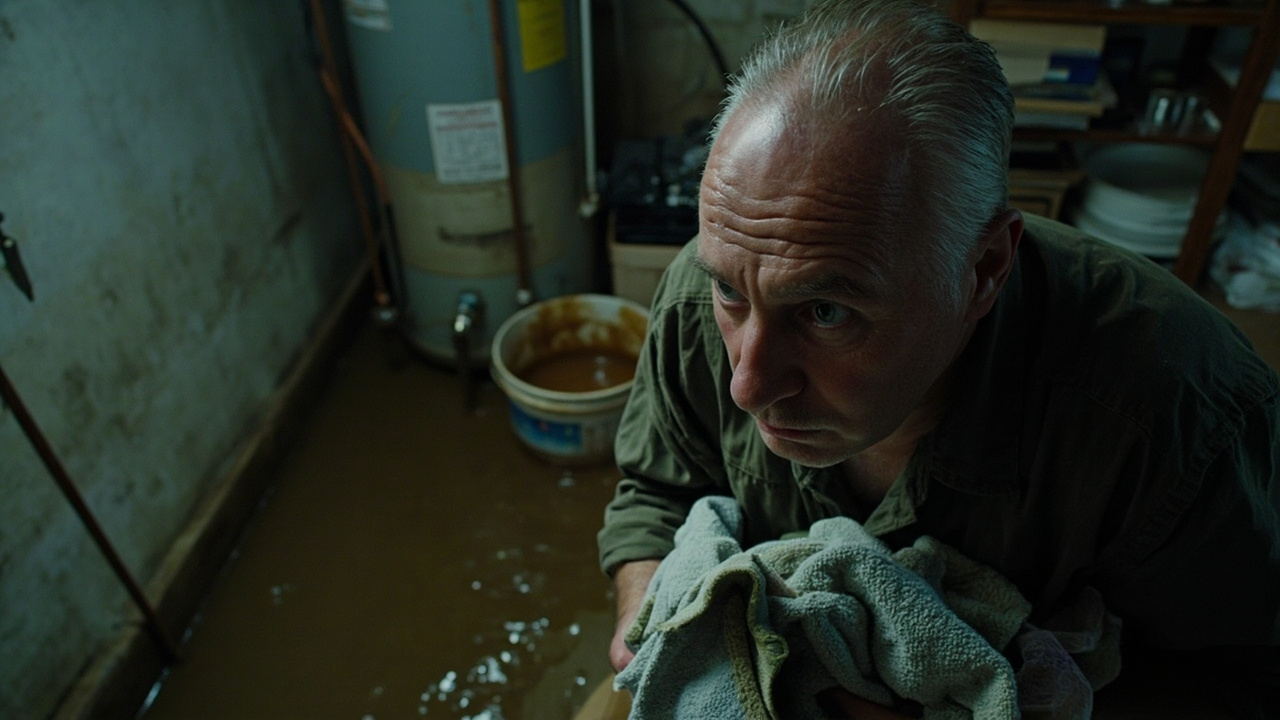
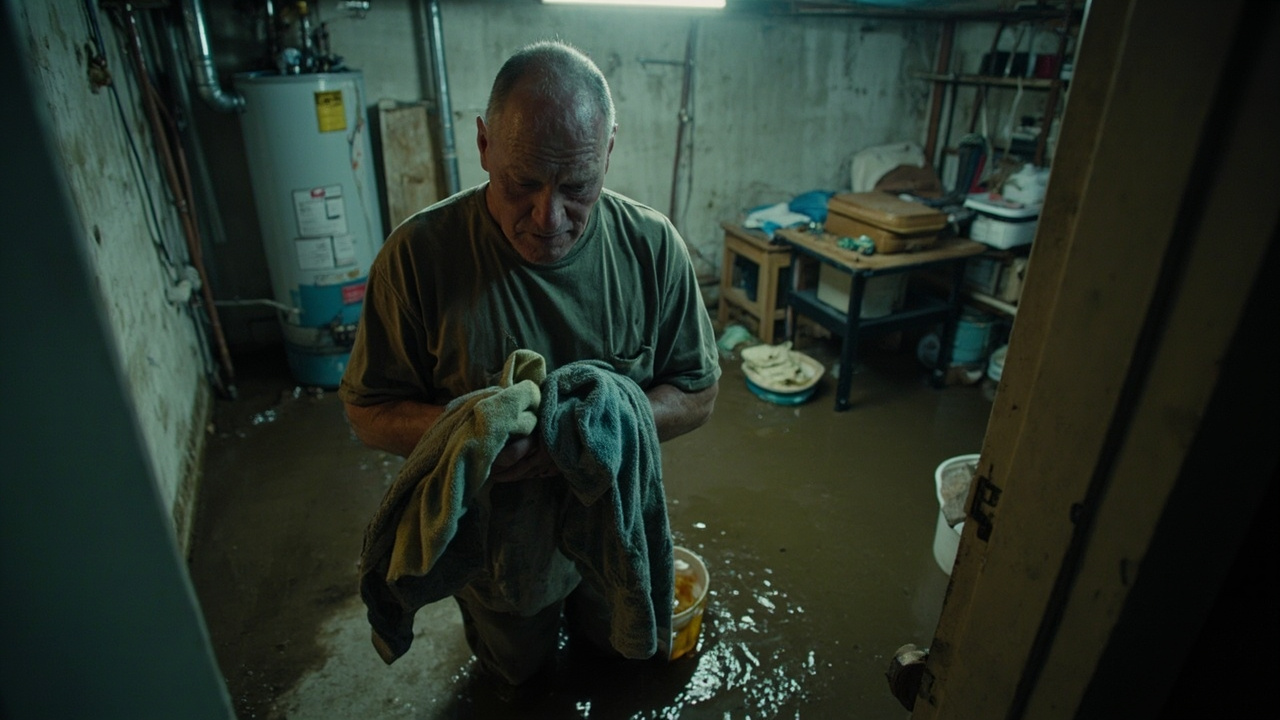
Identifying moisture problems in the unique limestone foundations of Swarthmore homes If you own a historic home in Swarthmore you…

Identifying moisture problems in the unique limestone foundations of Swarthmore homes

Identifying moisture problems in the unique limestone foundations of Swarthmore homes If you own a historic home in Swarthmore you…

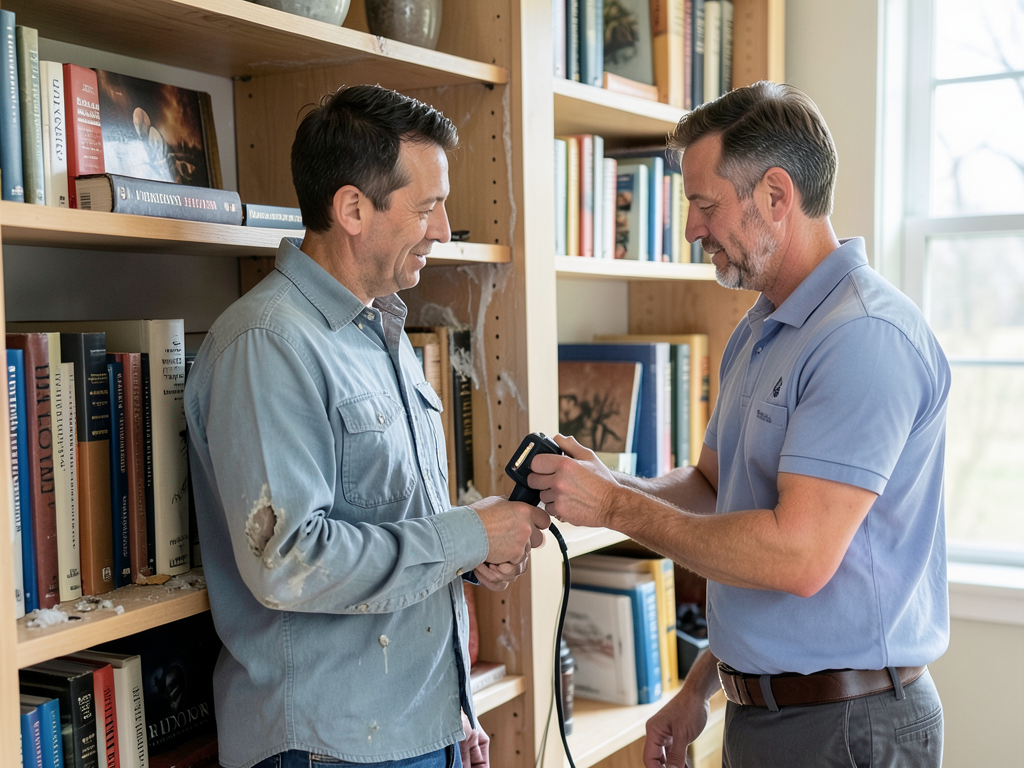
Can your custom built-in bookshelves in Radnor be saved after a pipe burst?

Can Your Custom Built-In Bookshelves in Radnor Be Saved After a Pipe Burst? Water damage to custom built-ins in Radnor…

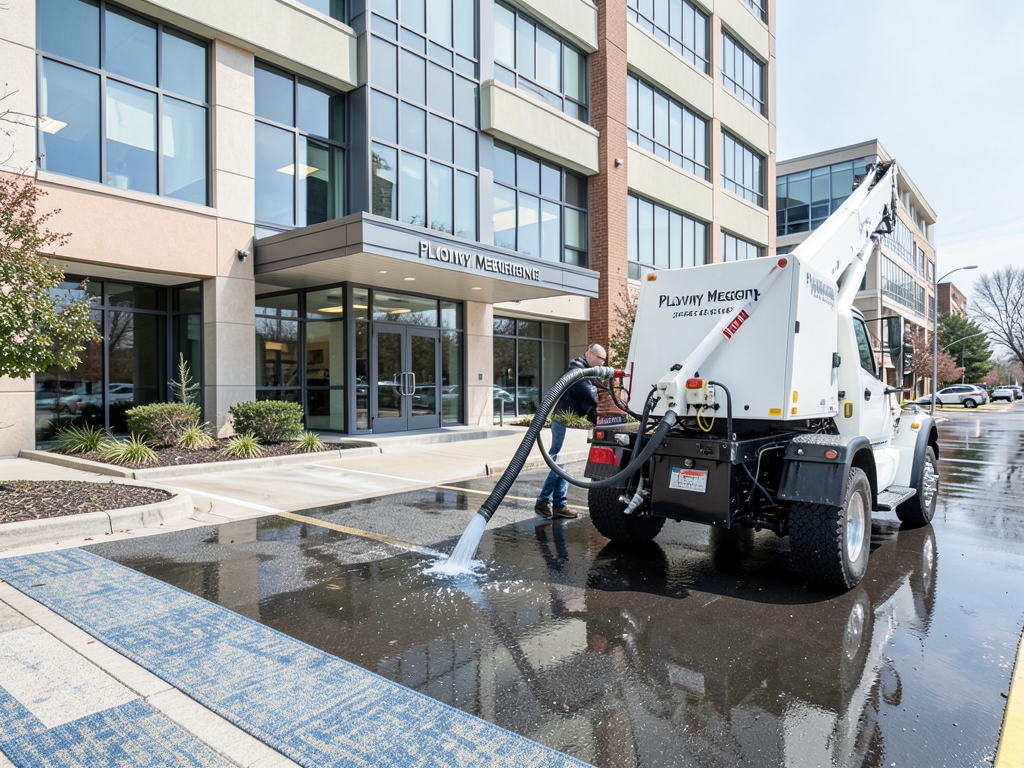
Solving the mystery of office park leaks in Plymouth Meeting before they ruin the carpet

Solving the mystery of office park leaks in Plymouth Meeting before they ruin the carpet Office park leaks in Plymouth…

Contact Us

Stop water damage from becoming a major renovation project. Call Reliance Water Damage Restoration Philadelphia at (215) 610-8188 for immediate response. Our technicians arrive equipped to assess damage, extract water, and start drying today. We work directly with your insurance company and provide complete documentation.