menu

Mold Remediation & Removal in Philadelphia – Certified Protocols That Stop Spread and Protect Your Property

Professional mold remediation and removal using EPA-approved containment and HEPA filtration to eliminate colonies, prevent cross-contamination, and restore safe indoor air quality throughout Philadelphia properties.

Slider Image 1
Slider Image 2
Slider Image 3
Slider Image 4
Slider Image 5
Slider Image 7
Slider Image 8
Slider Image 9
Slider Image 10
Slider Image 11

Why Philadelphia Properties Face Persistent Mold Problems

Philadelphia's humid summers and aging building stock create ideal conditions for mold growth. When humidity levels exceed 60 percent for extended periods, mold spores activate and colonize porous materials within 24 to 48 hours. Row homes with shared walls, basements below the water table, and older HVAC systems without proper ventilation accelerate the problem.

The Schuylkill and Delaware Rivers contribute moisture to the air year-round. Combined with Philadelphia's freeze-thaw cycles, this creates condensation issues in attics, crawl spaces, and behind exterior walls. Many properties in neighborhoods like Fishtown, South Philly, and West Philadelphia contain original plaster walls and wood framing that retain moisture longer than modern materials.

Mold abatement requires more than surface cleaning. Active colonies release airborne spores that travel through HVAC ducts and penetrate adjacent rooms. Without proper containment and negative air pressure, mold cleanup services can actually spread contamination. Professional mold removal addresses the source, not just visible growth.

Insurance companies increasingly require documentation of proper mold mitigation protocols. DIY attempts often fail to address hidden growth behind walls or under flooring. Incomplete mold decontamination allows colonies to return within weeks, creating ongoing health risks and property damage.

You need a methodical approach that identifies moisture sources, contains affected areas, removes contaminated materials, and prevents recurrence. Philadelphia's housing density means mold in one unit can migrate to neighboring properties through shared structures.

Why Philadelphia Properties Face Persistent Mold Problems
How Professional Mold Remediation Eliminates Contamination

How Professional Mold Remediation Eliminates Contamination

Effective mold remediation begins with moisture mapping using infrared cameras and moisture meters. We identify all water sources, including roof leaks, plumbing failures, foundation seepage, and condensation points. Eliminating moisture stops active growth and prevents new colonies from forming.

Containment comes next. We install polyethylene barriers and create negative air pressure using HEPA-filtered air scrubbers. This prevents spores from migrating during demolition. All HVAC systems get sealed to prevent contamination of ductwork. Entry and exit points include decontamination chambers where workers remove protective equipment before leaving the work zone.

Material removal follows IICRC S520 standards. Porous materials like drywall, insulation, and carpeting that show active growth get removed and disposed of in sealed bags. Non-porous surfaces undergo HEPA vacuuming followed by antimicrobial treatment. We remove materials until we reach clean substrate, confirmed through visual inspection and air sampling.

Air scrubbing continues throughout the project and for 24 to 72 hours after material removal. HEPA filters capture particles down to 0.3 microns, removing airborne spores from the environment. Post-remediation verification includes surface sampling and air quality testing to confirm clearance levels below acceptable thresholds.

Reliance Water Damage Restoration Philadelphia coordinates with industrial hygienists for third-party clearance testing on commercial projects. We document every phase with photos and moisture readings. The final step addresses the root cause, whether that means foundation waterproofing, improved ventilation, or plumbing repairs. Mold mitigation fails without correcting the underlying moisture problem.

What Happens During Your Mold Remediation Project

Mold Remediation & Removal in Philadelphia – Certified Protocols That Stop Spread and Protect Your Property
01

Assessment and Containment

We arrive with moisture detection equipment and air sampling tools to map the full extent of contamination. You receive a written scope identifying affected materials, moisture sources, and containment boundaries. We establish physical barriers and negative air pressure before any demolition begins, protecting unaffected areas from cross-contamination during the removal process.
02

Removal and Decontamination

Our crew removes contaminated materials using controlled demolition techniques that minimize dust generation. HEPA vacuums capture particles during cutting and removal. All debris goes into sealed bags before transport. We treat remaining surfaces with EPA-registered antimicrobials and run continuous air filtration. You see daily progress as we work methodically through contaminated zones.
03

Verification and Prevention

After final cleaning, we conduct clearance testing to confirm spore counts meet acceptable standards. You receive lab results and documentation showing the property is safe for reconstruction. We identify and address moisture sources to prevent recurrence, whether that requires dehumidification, ventilation improvements, or structural repairs. Your property is ready for rebuild with confidence the problem is solved.

Why Philadelphia Property Owners Choose Local Mold Specialists

Philadelphia's building codes and housing authority requirements demand specific documentation for mold remediation projects. We understand L&I permit requirements for work involving structural alterations and know which projects require licensed contractors versus remediation specialists. Our familiarity with local inspectors streamlines approvals and prevents delays.

Row home construction presents unique containment challenges. Shared walls, common attics, and connected basements require coordination with neighbors and modified containment strategies. We have relationships with property managers throughout Center City, University City, and surrounding neighborhoods, allowing us to navigate multi-unit scenarios efficiently.

Philadelphia's older housing stock means dealing with materials like horsehair plaster, lead paint, and asbestos-containing products. Our crews hold appropriate certifications for safe handling of hazardous materials commonly found in pre-1950 construction. We coordinate with abatement specialists when projects involve regulated substances, keeping you compliant with EPA and OSHA requirements.

Insurance claims for mold damage require detailed documentation and often involve disputes over coverage. We provide thorough photo documentation, moisture readings, and written scopes that support your claim. Our estimates align with Xactimate pricing, the standard most adjusters use, reducing back-and-forth negotiations.

Time matters with mold growth. Active colonies spread rapidly in humid conditions. Our response time averages under two hours for emergency calls in Philadelphia proper, and we maintain equipment inventory locally to start containment immediately. You get technicians who live and work in the area, not crews dispatched from distant suburbs.

Reliance Water Damage Restoration Philadelphia focuses exclusively on water damage and mold remediation. We are not general contractors who occasionally handle mold. This specialization means our crews have seen every scenario Philadelphia properties present, from flooded basements in Manayunk to roof leaks in Chestnut Hill.

What You Can Expect From Start to Finish

Response Time and Availability

We dispatch crews 24 hours a day, 365 days a year. Emergency containment begins within two hours of your call for properties in Philadelphia. Initial assessment takes 60 to 90 minutes, after which you receive a written scope and project timeline. Most residential projects require three to seven days from containment to clearance, depending on contamination extent. Commercial projects get prioritized scheduling to minimize business disruption. We coordinate with your schedule for occupied properties and work nights or weekends when necessary to reduce impact.

Inspection and Documentation Process

Your project begins with comprehensive moisture mapping and visual inspection. We use thermal imaging to identify hidden moisture behind walls and document all findings with photos and written notes. Air sampling establishes baseline spore counts for comparison after remediation. You receive a detailed scope identifying which materials require removal versus cleaning. This documentation supports insurance claims and provides contractors with clear guidance for reconstruction. We explain findings in plain language, showing you exactly what we found and why specific actions are necessary.

Final Results and Clearance

Your project concludes with post-remediation verification. We conduct final air sampling and surface testing to confirm spore levels meet industry clearance standards. You receive lab results typically within 48 hours of sample collection. All contaminated materials are removed, affected areas are cleaned to bare substrate, and moisture sources are identified. The space is ready for reconstruction with confidence that mold will not return. We provide written clearance documentation that satisfies insurance requirements and building inspectors.

Ongoing Prevention and Monitoring

Mold remediation only succeeds if moisture problems are corrected. We identify and document all moisture sources, from foundation leaks to condensation issues. You receive specific recommendations for repairs, ventilation improvements, or dehumidification systems. Follow-up inspections are available to verify repairs addressed root causes. We help you establish maintenance protocols for high-risk areas like basements and crawl spaces. Many clients schedule annual moisture inspections to catch problems early, before visible mold develops. This proactive approach prevents costly remediation projects and protects property value.

Frequently Asked Questions

You Have Questions,
We Have Answers

How much does it cost to remove mold? +

Mold removal costs vary based on square footage, extent of contamination, and access difficulty. Small projects under 10 square feet may run a few hundred dollars. Larger infestations requiring containment, HEPA filtration, and structural repairs cost significantly more. Philadelphia's older housing stock, particularly in Fishtown and South Philly rowhouses, often involves hidden mold behind plaster walls or in basements prone to groundwater seepage. Costs increase when you factor in material disposal, air scrubbing, and post-remediation testing. Insurance may cover mold if it stems from a covered peril like burst pipes. Get a professional inspection before estimating final costs.

What is the difference between mold remediation and mold removal? +

Mold removal means physically eliminating visible mold growth from surfaces. Mold remediation is the complete process of identifying the moisture source, containing the affected area, removing contaminated materials, cleaning salvageable surfaces, and preventing future growth. Remediation addresses the root cause. Simply scrubbing mold off a basement wall in West Philadelphia without fixing the foundation leak or dehumidifying the space guarantees recurrence. Remediation includes air filtration, antimicrobial treatments, and verification testing. Removal is a step within remediation. Professional remediation ensures the problem does not return after you close the walls back up.

How much should it cost to remove mold? +

Expect to pay based on contamination severity and location accessibility. Minor mold patches cost less. Extensive growth requiring wall demolition, HVAC cleaning, or crawlspace work costs more. Philadelphia homes with fieldstone foundations or poor ventilation in bathrooms often need comprehensive remediation. Structural drying, containment barriers, and disposal fees add to total costs. Professionals price per square foot or project scope. Pricing also reflects required protective equipment, specialized equipment rental, and labor hours. Request itemized estimates from licensed contractors. Avoid bargain quotes that skip containment or air quality testing. Cutting corners during remediation leads to recurring problems and higher long-term costs.

Is professional mold removal worth it? +

Yes. Professional mold remediation protects your health and property value. Mold releases spores and mycotoxins that trigger respiratory issues, allergies, and asthma attacks. Philadelphia's humid summers and aging building envelopes create ideal conditions for hidden growth behind walls or under flooring. Professionals use containment barriers, negative air machines, and HEPA filtration to prevent cross-contamination during removal. They identify moisture sources you might miss, like roof leaks or condensation in rim joists. Proper remediation also includes documentation for insurance claims and future home sales. DIY efforts often spread spores throughout your home and fail to address underlying water intrusion.

What kills mold permanently? +

Nothing kills mold permanently if moisture remains. You must eliminate the water source first. Professionals use antimicrobial solutions, HEPA vacuuming, and controlled demolition to remove contaminated materials. Porous items like drywall and insulation cannot be fully cleaned and require disposal. Non-porous surfaces can be treated with EPA-registered fungicides after physical removal. Philadelphia's brick and stone foundations require proper grading and interior drainage to keep basements dry. Encapsulation coatings prevent future growth on treated wood framing. The key is moisture control through dehumidification, ventilation improvements, and fixing leaks. Without eliminating water intrusion, mold returns regardless of cleaning methods.

Can a house recover from mold? +

Yes. Houses recover from mold with proper remediation and moisture control. You must remove contaminated materials, treat affected surfaces, and fix the underlying water problem. Philadelphia rowhomes and twins commonly experience party wall moisture transmission or shared gutter failures that allow water intrusion. After remediation, improve ventilation in bathrooms and basements. Install dehumidifiers if needed. Monitor humidity levels below 60 percent. Address foundation grading, downspout extensions, and roof maintenance. Once the moisture source is eliminated and contaminated materials are removed, the structure is safe. Post-remediation air quality testing confirms clearance. Persistent neglect causes structural rot, but timely action restores homes fully.

Can I remediate mold myself? +

You can handle small patches under 10 square feet if you identify and fix the moisture source. Wear an N95 mask, gloves, and eye protection. Contain the area with plastic sheeting. Scrub non-porous surfaces with detergent and water. Bag and dispose of porous materials like drywall or carpet padding. However, extensive mold, HVAC contamination, or hidden growth behind walls requires professional remediation. Philadelphia homes with finished basements or concealed pipe chases often hide larger problems than visible surface mold indicates. Professionals use moisture meters, thermal imaging, and air sampling to find hidden reservoirs. Disturbing large mold colonies without containment spreads spores throughout your home.

Why is mold remediation so expensive? +

Mold remediation costs reflect specialized equipment, labor intensity, and disposal requirements. Professionals use negative air machines, HEPA vacuums, containment barriers, and protective gear. Philadelphia's older housing stock often requires selective demolition to access hidden mold in wall cavities or floor joist bays. Contaminated materials must be bagged and disposed of according to EPA guidelines. Technicians need training in proper protocols to prevent cross-contamination. Post-remediation air quality testing adds to costs but confirms clearance. Insurance and licensing requirements increase overhead. Cutting corners spreads spores, leaves moisture sources unaddressed, and leads to recurring contamination. Proper remediation done once costs less than repeated DIY failures.

How long should you stay out of house after mold remediation? +

You can typically return within 24 hours after remediation is complete and air quality testing confirms clearance. Timing depends on project scope and ventilation. Small contained projects may allow same-day return. Extensive remediation involving antimicrobial fogging or ozone treatment requires longer clearance periods. Philadelphia's tightly built rowhomes may need additional ventilation time compared to detached homes with better air exchange. Professionals should provide post-remediation verification results showing spore counts within normal ranges. If you have respiratory sensitivities or compromised immunity, wait for lab-confirmed clearance. Never re-enter during active remediation when containment barriers and negative air pressure are in place.

What to do if you can't afford mold remediation? +

Start by addressing the moisture source yourself. Fix leaky pipes, improve ventilation, and run dehumidifiers. Some insurance policies cover mold if it results from a covered loss like burst pipes or roof damage. Review your policy and file a claim if applicable. For small areas under 10 square feet, you can attempt DIY removal with proper containment and protection. Contact local housing agencies in Philadelphia for assistance programs if mold stems from landlord negligence or code violations. Request payment plans from remediation companies. Leaving mold unaddressed worsens structural damage and health risks, increasing future costs. Prioritize fixing water intrusion even if you delay full remediation temporarily.

How Philadelphia's Climate and Housing Create Year-Round Mold Risk

Philadelphia averages 75 to 85 percent relative humidity during summer months, well above the 60 percent threshold where mold becomes active. The Delaware River Valley traps moisture, creating persistent dampness in basements and crawl spaces. Older neighborhoods with combined sewer systems experience periodic backflows during heavy rain, introducing contaminated water into below-grade spaces. Row homes lack airflow between units, allowing humidity to accumulate in shared walls and common attics. These conditions make professional mold decontamination essential, as surface cleaning cannot address colonies growing inside wall cavities or beneath flooring.

Philadelphia enforces strict disclosure requirements for mold damage in real estate transactions. Properties with documented mold history require clearance certificates before closing. Local courts increasingly hold landlords liable for mold-related health claims when they fail to address moisture problems promptly. We maintain relationships with industrial hygienists, property attorneys, and L&I inspectors who understand local standards. Our documentation meets Philadelphia Housing Authority requirements for Section 8 properties and satisfies disclosure obligations for sellers. Choosing local expertise means working with professionals who understand the regulatory environment and can navigate city-specific requirements efficiently.

Water Damage Restoration Services in The Philadelphia Area

View our service area to see how Reliance Water Damage Restoration delivers fast, reliable support across the region. Whether it’s residential basements or commercial spaces, our team is locally based and ready to respond 24/7. We’re committed to being near you when emergencies strike—count on us for prompt, professional care.
(80 words)

Address:
Reliance Water Damage Restoration Philadelphia, 100 N 18th St, Philadelphia, PA, 19103

Additional Services We Offer

Our news updates

Latest Articles & News from The Blogs

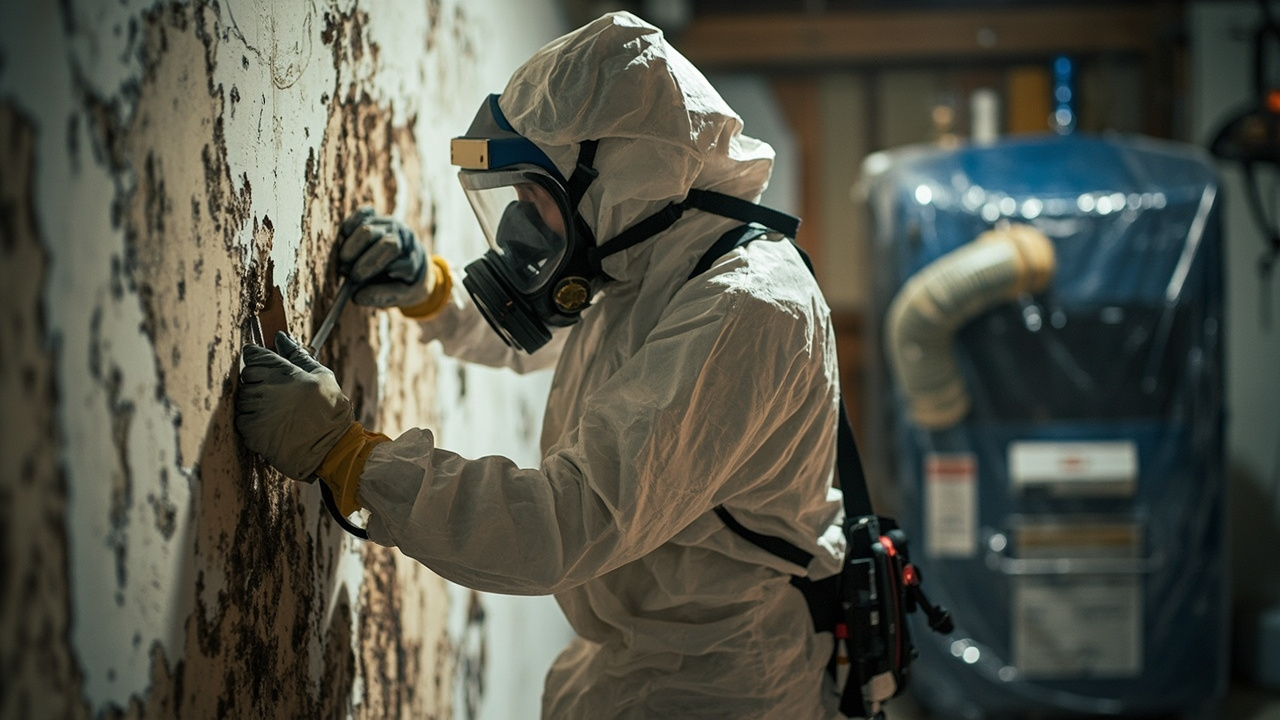
Identifying moisture problems in the unique limestone foundations of Swarthmore homes If you own a historic home in Swarthmore you…

Identifying moisture problems in the unique limestone foundations of Swarthmore homes

Identifying moisture problems in the unique limestone foundations of Swarthmore homes If you own a historic home in Swarthmore you…

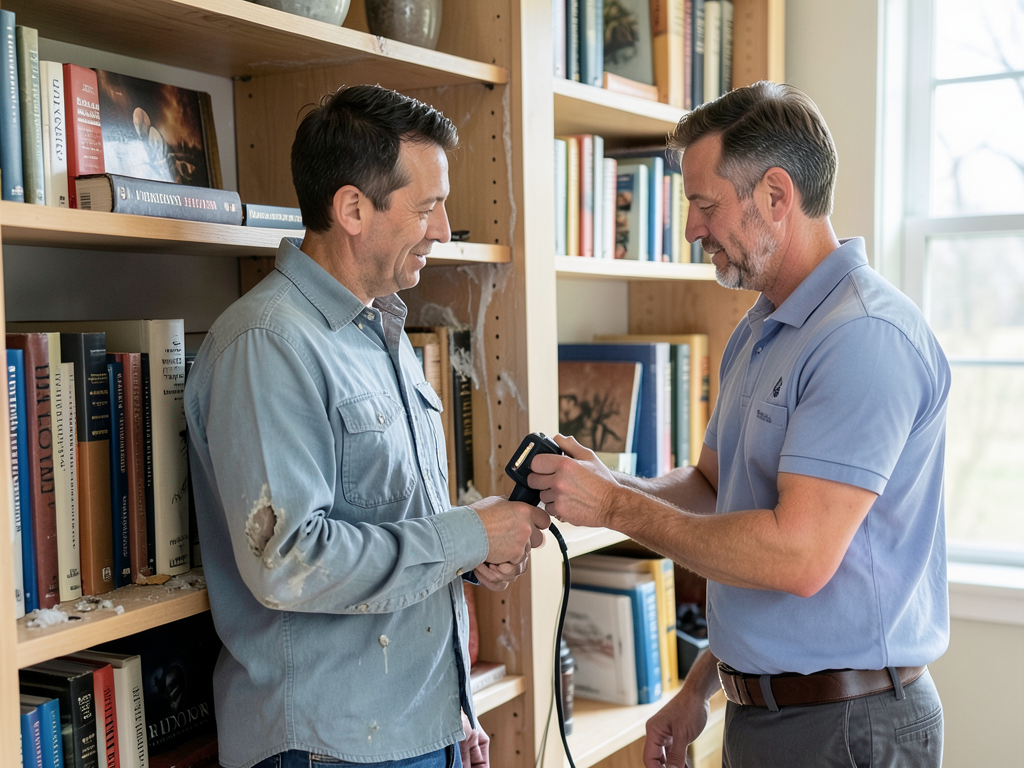
Can your custom built-in bookshelves in Radnor be saved after a pipe burst?

Can Your Custom Built-In Bookshelves in Radnor Be Saved After a Pipe Burst? Water damage to custom built-ins in Radnor…

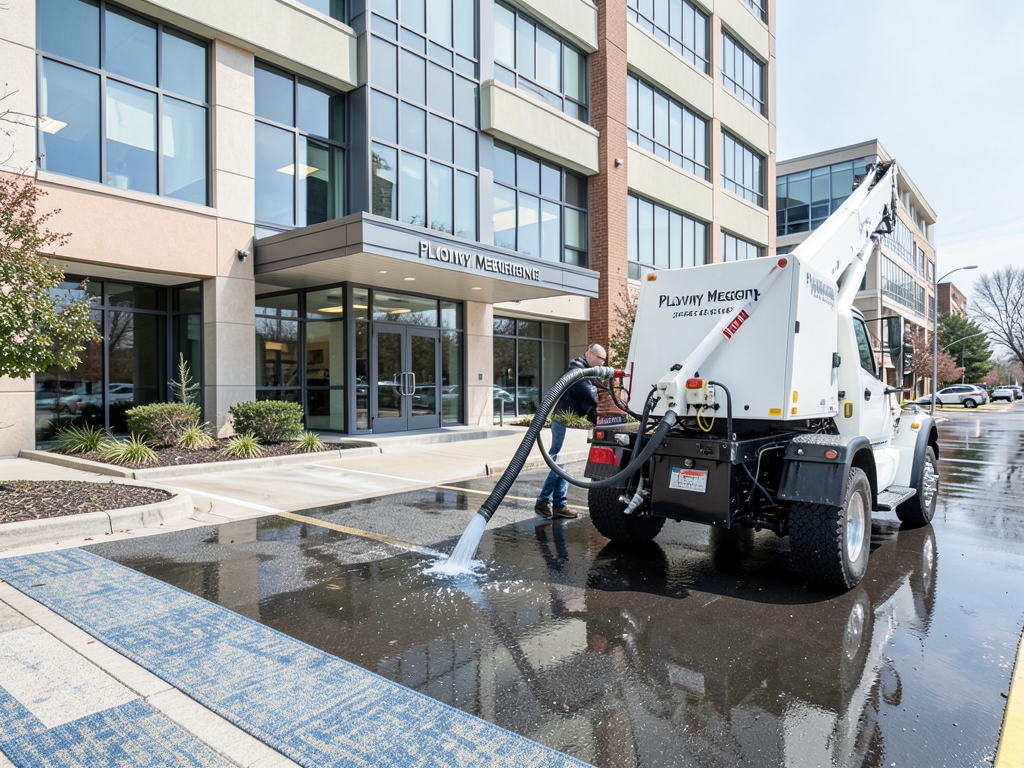
Solving the mystery of office park leaks in Plymouth Meeting before they ruin the carpet

Solving the mystery of office park leaks in Plymouth Meeting before they ruin the carpet Office park leaks in Plymouth…

Contact Us

Active mold colonies spread rapidly in Philadelphia's humid climate. Call (215) 610-8188 now for same-day assessment and containment. Our crews are standing by 24/7 to prevent further damage and start the remediation process immediately.