menu

Condensation on Windows & Walls in Philadelphia – Expert Diagnosis Stops Mold, Rot & Structural Damage Before It Spreads

Get a Professional Moisture Assessment That Identifies Hidden Sources of Condensation on Windows & Walls Before Toxic Mold Takes Over Your Home or Business

Slider Image 1
Slider Image 2
Slider Image 3
Slider Image 4
Slider Image 5
Slider Image 7
Slider Image 8
Slider Image 9
Slider Image 10
Slider Image 11

Why Philadelphia Homes and Buildings Battle Constant Window Sweating and Moisture Buildup on Walls

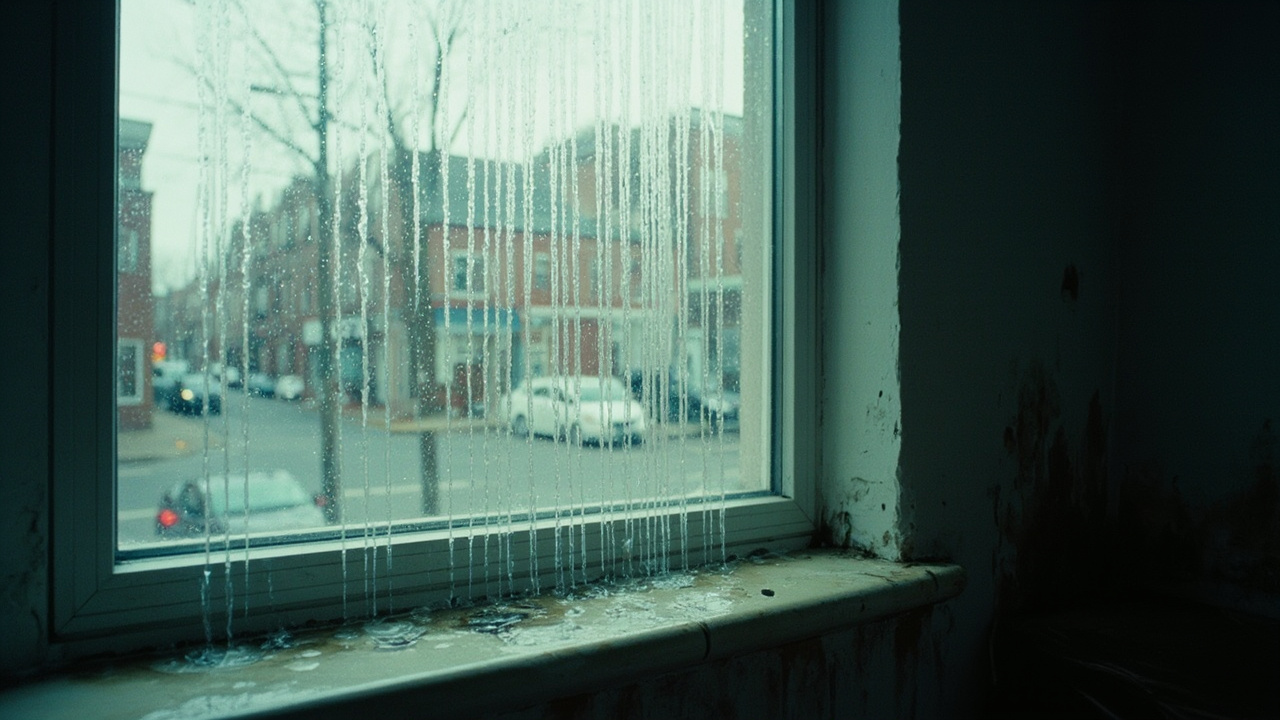
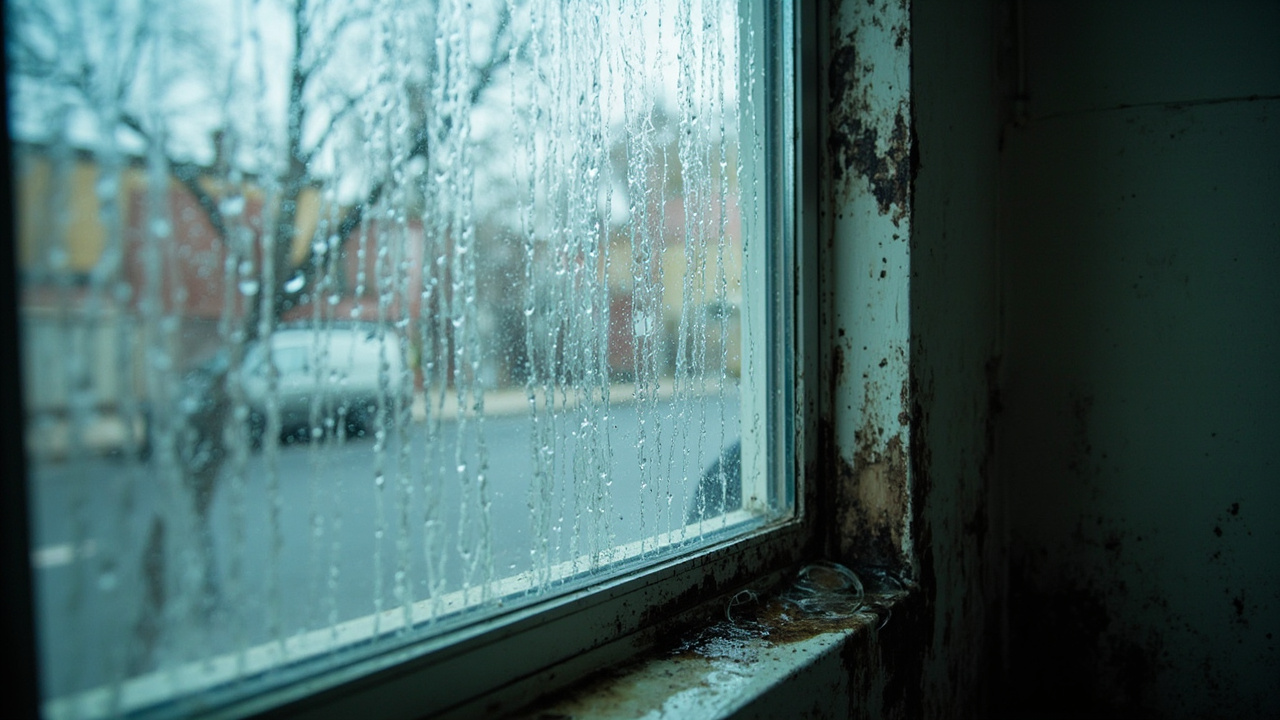
You wake up to weeping window panes covered in droplets. You notice damp drywall patches spreading near baseboards. Interior glass condensation fogs up every morning, and you wipe it away thinking it will stop. It does not.

Philadelphia's climate creates perfect conditions for chronic moisture problems. The Delaware and Schuylkill River valleys trap humid air, especially from late spring through early fall. Row homes and older brick buildings in neighborhoods like Fishtown, Queen Village, and West Philadelphia lack proper vapor barriers. When outdoor humidity climbs above 70 percent and indoor heating or cooling creates temperature differentials, condensation forms wherever warm, moist air meets cold surfaces.

This is not just annoying. Window sweating signals that your indoor humidity is too high or your building envelope is failing. Moisture buildup on walls indicates air leakage, poor insulation, or failed weatherproofing. That interior glass condensation you see every morning means water vapor is condensing inside your home instead of being vented out.

Left unchecked, these damp drywall patches become breeding grounds for Stachybotrys chartarum, the black mold linked to respiratory illness. Water seeps into wall cavities, rotting studs and sills. Wood trim swells and warps. Paint bubbles and peels. Wallpaper separates. Your heating bills spike because wet insulation loses R-value.

The root cause is rarely obvious. It could be a crawl space flooding after rain, a bathroom exhaust fan venting into the attic, a leaking window flashing, or simply too many people living in a small space without adequate ventilation. You need a professional diagnosis that pinpoints the moisture source and eliminates it permanently.

Why Philadelphia Homes and Buildings Battle Constant Window Sweating and Moisture Buildup on Walls
How We Stop Condensation at the Source and Restore Healthy Indoor Air Quality

How We Stop Condensation at the Source and Restore Healthy Indoor Air Quality

Most homeowners try DIY fixes like running dehumidifiers or cracking windows. These strategies treat symptoms, not causes. You need a forensic moisture assessment that identifies why water vapor is condensing inside your building.

Reliance Water Damage Restoration Philadelphia uses thermal imaging cameras to map temperature differentials across walls, ceilings, and window frames. Cold spots reveal where insulation has failed or air is infiltrating. We use calibrated moisture meters to measure water content in drywall, plaster, and framing lumber. Readings above 16 percent indicate active moisture intrusion.

We test indoor relative humidity at multiple points throughout your home or building. We inspect crawl spaces, attics, and basements for groundwater seepage, plumbing leaks, and inadequate ventilation. We examine window installations for failed sealant, missing flashing, or improperly sloped sills that trap water instead of shedding it.

Once we identify the moisture source, we eliminate it. This might involve sealing foundation cracks, installing vapor barriers in crawl spaces, repairing roof penetrations, upgrading bathroom exhaust fans, or replacing failed window units. We remove water-damaged materials and dry structural cavities using commercial-grade air movers and dehumidifiers.

We do not just dry things out and leave. We measure moisture levels daily until readings drop below 12 percent. We apply antimicrobial treatments to affected surfaces to prevent mold colonization. We document the entire process with photos and moisture logs for your records and insurance claim.

The goal is not just to stop the condensation you see today. We engineer a permanent fix that prevents future moisture problems by controlling humidity, improving ventilation, and sealing the building envelope against infiltration.

What Happens When You Call About Chronic Window Sweating or Damp Wall Patches

Condensation on Windows & Walls in Philadelphia – Expert Diagnosis Stops Mold, Rot & Structural Damage Before It Spreads
01

Thermal and Moisture Mapping

We arrive with FLIR thermal cameras and pin-type moisture meters. Thermal scans reveal hidden temperature differentials that cause condensation. Moisture readings tell us if wall cavities are wet or just humid. We inspect every suspect area including window frames, exterior walls, crawl spaces, and attic voids. This diagnostic phase typically takes 60 to 90 minutes and gives us a complete picture of where water is entering and why vapor is condensing.
02

Source Elimination and Controlled Drying

After identifying the moisture source, we fix it. This might involve sealing foundation penetrations, installing sump pumps, repairing window flashing, or upgrading mechanical ventilation systems. We remove saturated drywall and insulation that cannot be salvaged. We set up containment barriers to isolate affected areas, then deploy air movers and commercial dehumidifiers to pull moisture out of structural cavities. Drying typically takes three to seven days depending on the extent of saturation.
03

Antimicrobial Treatment and Verification

Once moisture readings drop below 12 percent, we apply EPA-registered antimicrobial coatings to all affected surfaces. This prevents mold spores from colonizing during reconstruction. We take final moisture readings and document them with photos. You receive a complete report showing before and after conditions, moisture logs, and thermal images. This documentation supports insurance claims and proves the problem has been fully resolved, not just temporarily masked.

Why Philadelphia Property Owners Trust Local Expertise for Moisture Problems

Condensation problems in Philadelphia require local knowledge. National franchises send technicians who follow scripts. They do not understand how Delaware Valley humidity patterns interact with century-old masonry construction or why row homes built with common walls behave differently than detached structures.

Reliance Water Damage Restoration Philadelphia has worked in every neighborhood from Society Hill to Manayunk. We know which buildings have rubble-stone foundations that wick groundwater. We know how to deal with plaster-on-lath walls without destroying historic details. We understand how Philadelphia's Building Code addresses vapor barriers and mechanical ventilation in renovations.

We also understand the urgency. When you call about weeping window panes and damp drywall patches, you are worried about mold exposure, repair costs, and whether your home is safe. You need answers fast, not a sales pitch. Our assessments are diagnostic, not transactional. We tell you what is wrong, why it is happening, and what it will take to fix it permanently.

We work directly with your insurance carrier when coverage applies. We document everything with photos, moisture logs, and thermal images. We provide detailed estimates that break down labor, materials, and equipment costs so you understand exactly what you are paying for. No hidden fees, no change orders, no surprises.

You also get real accountability. We are not a national call center routing your job to subcontractors. Our crews live and work in Philadelphia. We have relationships with local building inspectors, insurance adjusters, and suppliers. If something goes wrong, you can walk into our office and talk to someone face to face.

This local presence matters when you are dealing with property damage. You need people who show up when they say they will, do the work right the first time, and stand behind it after the check clears.

What You Can Expect When You Hire Us to Solve Your Condensation Problem

Fast Response and Transparent Assessment

We schedule moisture assessments within 24 to 48 hours of your call. Emergency situations like active water intrusion get same-day response. The assessment takes 60 to 90 minutes and includes thermal imaging, moisture testing, and a full inspection of suspect areas. You receive a written report the same day with photos, moisture readings, and a recommended action plan. No guessing, no vague estimates, no pressure to sign anything on the spot.

Comprehensive Diagnostic Process

Our technicians do not just look at the wet spot on your wall. We trace moisture back to its source. This means inspecting crawl spaces, attics, plumbing penetrations, window installations, and HVAC systems. We test indoor humidity levels and compare them to outdoor conditions. We use thermal imaging to find cold spots that cause condensation even when there is no visible moisture. You get a complete picture of what is wrong and why it happened.

Permanent Fixes, Not Temporary Patches

We engineer solutions that eliminate the root cause of condensation. If your crawl space is flooding, we install vapor barriers and drainage systems. If your windows are leaking, we repair or replace failed units with proper flashing and sealant. If your ventilation is inadequate, we upgrade exhaust fans and install fresh air intakes. We dry structural cavities to specification, remove contaminated materials, and apply antimicrobial treatments. The goal is a permanent fix that stops condensation for good.

Documentation and Post-Restoration Monitoring

You receive a complete file with thermal images, moisture logs, before and after photos, and a detailed scope of work. This documentation supports insurance claims and proves the problem has been fully resolved. We also provide guidance on maintaining proper humidity levels, improving ventilation, and preventing future condensation. If you experience any issues after restoration, we come back and investigate at no additional diagnostic fee.

Frequently Asked Questions

You Have Questions,
We Have Answers

How to stop condensation on windows and walls? +

Reduce indoor humidity first. Run exhaust fans in bathrooms and kitchens during and after use. Open windows for short periods to vent moisture, even in Philadelphia winters. Use a dehumidifier to keep indoor humidity between 30-50%. Check that your dryer vents outside properly. Improve air circulation by moving furniture away from exterior walls. Seal air leaks around windows with weatherstripping or caulk. If you have single-pane windows common in older Philadelphia rowhomes, consider upgrading to double-pane or using insulating window film. Address water intrusion sources like roof leaks or foundation seepage immediately.

Should I be worried about condensation on windows? +

Occasional condensation on cold mornings is normal in Philadelphia. Persistent condensation signals excess moisture that can lead to mold growth, wood rot, and structural damage. Pay attention if you see water pooling on sills or if condensation appears daily. Philadelphia's humid summers and freeze-thaw cycles make homes vulnerable. Interior condensation can damage plaster walls common in historic properties. If condensation appears on interior walls or ceilings, not just windows, you have a serious moisture problem requiring professional assessment. Ignoring it invites mold, peeling paint, and compromised indoor air quality.

Should you wipe condensation off windows? +

Wipe it off to prevent immediate water damage to sills and frames. Use a clean, dry cloth or towel. This stops water from seeping into wood trim or causing paint to peel. However, wiping is a temporary fix. You must address the root cause of excess moisture. In Philadelphia rowhomes with original wood windows, standing water accelerates rot. Check sills for soft spots or discoloration. If you wipe condensation daily, your home has a ventilation or humidity problem that needs correction. Consider it a diagnostic tool pointing to bigger issues.

Why am I getting condensation on my walls? +

Wall condensation happens when warm, moist indoor air contacts cold wall surfaces. Philadelphia winters create significant temperature differences between heated interiors and cold exterior walls. Poor insulation in older brick or stone homes makes walls cold. High indoor humidity from cooking, showers, or clothes drying adds moisture. Exterior walls facing north stay coldest. Inadequate vapor barriers allow moisture to migrate into wall cavities. Thermal bridging through studs creates cold spots. Hidden water intrusion from roof leaks or foundation issues can also cause interior condensation patterns that mimic humidity problems.

What to put on walls to stop condensation? +

You cannot put a product on walls to stop condensation. You must eliminate the moisture source and improve insulation. First, reduce indoor humidity with dehumidifiers and ventilation. Second, insulate exterior walls properly to raise their interior surface temperature above the dew point. Add rigid foam or spray foam insulation during renovations. Install vapor barriers correctly. In Philadelphia rowhomes, insulating shared party walls does not help. Focus on exterior walls. Apply mold-resistant paint only after fixing the humidity problem. Covering condensation with paint or sealers traps moisture inside walls, causing worse damage.

Does condensation mean my house is too cold? +

Not necessarily. Condensation forms when warm, humid air contacts cold surfaces. Your house might be adequately heated but too humid. Philadelphia homes often run humidifiers in winter for comfort, creating excess moisture. Poor insulation makes window glass and wall surfaces cold regardless of thermostat settings. Single-pane windows in older properties stay cold even with proper heating. Check your indoor humidity with a hygrometer. If it exceeds 50% in winter, reduce moisture sources. If walls feel cold to touch, improve insulation. The issue is temperature differential, not just overall warmth.

Does condensation on windows mean poor insulation? +

Often, yes. Windows with poor insulation transfer cold from outside, making interior glass surfaces drop below the dew point. Single-pane windows common in pre-1950s Philadelphia homes have minimal insulation value. Even newer windows with broken seals or damaged weatherstripping lose insulation. However, condensation on well-insulated windows indicates very high indoor humidity. Check window frames for air leaks. Feel for drafts. Condensation between double-pane glass means failed seals requiring replacement. Condensation on interior glass surfaces points to either poor windows or excess humidity. Both issues often coexist in older homes.

What are signs of excessive condensation? +

You see water droplets on windows daily, especially mornings. Windows fog up during showers or cooking. Water pools on sills or runs down walls. You notice musty odors or visible mold spots on walls, ceilings, or around windows. Paint peels or wallpaper bubbles near exterior walls. Wood trim feels damp or shows discoloration. Closets on exterior walls smell musty. You see water stains on ceilings below bathrooms. In Philadelphia rowhomes, check basement walls for efflorescence or dampness. Relative humidity stays above 60% on your hygrometer. These signs demand immediate action.

Will a dehumidifier stop condensation on windows? +

Yes, if excess indoor humidity causes the problem. Dehumidifiers remove moisture from air, reducing condensation on cold surfaces. Run one in basements or main living areas, maintaining 30-50% relative humidity in winter. Empty collection tanks regularly. In Philadelphia's humid summers, dehumidifiers prevent condensation on cold water pipes and air conditioning ducts. However, dehumidifiers cannot fix poor insulation or air leaks. Combine dehumidification with proper ventilation and window upgrades for best results. Size your dehumidifier correctly for square footage. A small unit in a large rowhome will not solve the problem.

Does condensation always indicate a problem? +

No. Light morning condensation on windows during temperature swings is normal. Philadelphia experiences rapid weather changes that create temporary condensation. A cold snap after mild weather causes brief fogging. This clears as indoor and outdoor temperatures stabilize. However, daily condensation, water running down walls, or moisture appearing in multiple locations signals problems. Condensation accompanied by musty smells, mold, or peeling paint requires action. Trust your instincts. If condensation seems excessive or persists beyond brief weather events, investigate humidity sources and insulation quality. Temporary condensation is normal. Chronic condensation damages your home.

How Philadelphia's River Valley Humidity and Old Housing Stock Make Condensation a Year-Round Threat

Philadelphia sits at the confluence of the Delaware and Schuylkill Rivers, creating a natural humidity trap. Summer dew points regularly exceed 65 degrees, and morning fog blankets neighborhoods near the waterfront. This moisture-laden air infiltrates buildings through cracks, gaps, and porous masonry. When it meets cold surfaces like single-pane windows, uninsulated walls, or basement floors, it condenses instantly. Row homes built before 1950 lack vapor barriers, and their shared walls create thermal bridges that amplify condensation. Winter heating compounds the problem by drying indoor air, which then pulls moisture from damp basements and crawl spaces into living areas where it condenses on cold glass and exterior walls.

Reliance Water Damage Restoration Philadelphia understands these local conditions because we deal with them every day. We know how to retrofit historic masonry buildings without violating preservation guidelines. We understand Philadelphia Building Code requirements for ventilation in renovated row homes. We work with insurance adjusters who know that condensation claims in older Philadelphia properties require proof of maintenance and documentation of the moisture source. When you hire local experts who understand Delaware Valley humidity patterns and century-old construction methods, you get solutions that actually work instead of generic fixes that fail within months.

Water Damage Restoration Services in The Philadelphia Area

View our service area to see how Reliance Water Damage Restoration delivers fast, reliable support across the region. Whether it’s residential basements or commercial spaces, our team is locally based and ready to respond 24/7. We’re committed to being near you when emergencies strike—count on us for prompt, professional care.
(80 words)

Address:
Reliance Water Damage Restoration Philadelphia, 100 N 18th St, Philadelphia, PA, 19103

Additional Services We Offer

Our news updates

Latest Articles & News from The Blogs

Identifying moisture problems in the unique limestone foundations of Swarthmore homes If you own a historic home in Swarthmore you…

Identifying moisture problems in the unique limestone foundations of Swarthmore homes

Identifying moisture problems in the unique limestone foundations of Swarthmore homes If you own a historic home in Swarthmore you…

Can your custom built-in bookshelves in Radnor be saved after a pipe burst?

Can Your Custom Built-In Bookshelves in Radnor Be Saved After a Pipe Burst? Water damage to custom built-ins in Radnor…

Solving the mystery of office park leaks in Plymouth Meeting before they ruin the carpet

Solving the mystery of office park leaks in Plymouth Meeting before they ruin the carpet Office park leaks in Plymouth…

Contact Us

Call Reliance Water Damage Restoration Philadelphia at (215) 610-8188 right now for a professional moisture assessment. We identify the source, eliminate the problem, and restore healthy indoor air quality. Do not wait until you see black mold spreading across your walls.