


Philadelphia's location between the Delaware and Schuylkill Rivers creates elevated groundwater tables that put constant pressure on foundation walls and basement floors. The city's aging infrastructure means many rowhomes and commercial buildings in neighborhoods like Fishtown, Northern Liberties, and South Philadelphia were built before modern waterproofing standards existed. Their shared walls and connected systems mean water damage in one unit can quickly spread to adjacent properties.
The region's freeze-thaw cycles stress pipe systems every winter. When temperatures drop below freezing, water expands inside copper and PVC pipes. A single cold snap can cause multiple pipe failures across a building. Spring thaw brings rapid snowmelt that overwhelms storm drains and causes street flooding, pushing water toward foundation walls. Summer thunderstorms dump heavy rain in short periods, testing roof drainage systems and exposing weak points in building envelopes.
Philadelphia's clay-rich soil expands when wet and contracts when dry. This movement shifts foundations and cracks basement walls, creating entry points for water. The Philadelphia Building Code requires proper drainage around structures, but many older properties lack adequate foundation waterproofing or have outdated sump pump systems that fail during peak demand.
When water threatens your Philadelphia property, you need a restoration company that understands local construction methods, responds immediately, and handles the entire process from extraction to rebuild. Reliance Water Damage Restoration Philadelphia operates 24/7 dispatch with crews staged throughout the city for rapid response to Center City high-rises, Chestnut Hill estates, and rowhomes across every neighborhood.
Our technicians hold IICRC certifications in water damage restoration and applied structural drying. We invest in truck-mounted extraction systems that remove thousands of gallons per hour, commercial-grade dehumidifiers that process Philadelphia's humid summer air, and thermal imaging cameras that detect hidden moisture behind walls and under floors. This equipment matters because incomplete drying leads to mold growth within 48 hours.
We navigate insurance claims daily. Our estimators document damage with detailed photos, moisture readings, and reports that insurance adjusters accept without dispute. We bill directly to your carrier and handle the paperwork so you avoid out-of-pocket costs while fighting for reimbursement. Many Philadelphia homeowners discover their policies cover more than they expected when we advocate for full restoration.
Every project includes direct communication with a dedicated project manager. You get their cell number and daily updates on drying progress, rebuild timelines, and any complications we uncover. We protect your contents, coordinate with plumbers and electricians when needed, and leave your property restored to pre-loss condition. Philadelphia properties deserve focused attention, not a corporate call center routing your emergency to the lowest bidder.

Our crews stage equipment throughout Philadelphia and respond within 60 minutes of your call. We arrive with truck-mounted extraction systems and begin water removal immediately to prevent secondary damage. Fast response stops water from spreading through walls, soaking into subfloors, and causing structural deterioration that turns a manageable emergency into a complete rebuild.

We document every step with photos, moisture readings, and detailed estimates that insurance companies accept without dispute. Our team handles direct billing, submits claims paperwork, and communicates with adjusters so you avoid fighting for coverage. Most Philadelphia homeowners pay only their deductible while we manage the entire claims process and ensure full restoration funding.
Every technician holds IICRC certifications in water damage restoration and applied structural drying. We follow scientific drying protocols, use thermal imaging to find hidden moisture, and monitor progress with calibrated hygrometers. Proper training prevents mold growth, structural damage, and failed inspections. Philadelphia properties need certified professionals, not handymen with shop vacuums attempting complex remediation.
We understand how Philadelphia's rowhomes share plumbing walls, how historic properties have different framing methods, and how the city's clay soil affects foundation drainage. Local knowledge means faster diagnosis, accurate estimates, and restoration methods that match your building's construction. Generic restoration companies learn your property's quirks on your dime while our crews arrive knowing exactly what to expect.
Water damage restoration requires more than removing standing water. Complete remediation involves structural drying, contamination control, damage repair, and prevention strategies that protect your property long-term. Reliance Water Damage Restoration Philadelphia handles every phase with specialized equipment and trained crews who understand how water behaves in different building materials.
Our services cover emergency water extraction, thermal drying systems, mold prevention protocols, and complete reconstruction when water damages structural components. We treat clean water events like supply line breaks differently than contaminated water from sewage backups or storm flooding. Each situation demands specific protocols for occupant safety and proper restoration.
Philadelphia properties face water damage from multiple sources. Burst pipes during winter freezes, roof leaks during summer storms, appliance malfunctions, sewer backups, and foundation seepage all require different response strategies. We mobilize the right equipment and technicians for your specific emergency, whether that means truck-mounted extractors for flooded basements or specialty drying systems for water trapped inside wall cavities. Our approach combines immediate damage mitigation with long-term solutions that prevent recurrence.
When water floods your property, immediate extraction prevents it from soaking into drywall, insulation, and structural framing. Our crews arrive with truck-mounted pumps that remove thousands of gallons per hour from basements, crawl spaces, and living areas. We extract standing water, pull saturated carpets and padding, and begin air circulation to stop moisture from migrating through walls. Fast response within the first 24 hours prevents most secondary damage and reduces restoration costs by stopping water before it compromises structural components.
Removing standing water is just the first step. Moisture trapped in walls, subfloors, and framing causes mold growth, wood rot, and structural failure if not properly dried. We deploy commercial dehumidifiers, air movers, and specialty drying equipment while monitoring moisture levels daily with calibrated meters. Thermal imaging cameras detect hidden water behind walls and under flooring. Our IICRC-certified technicians follow psychrometric calculations to create ideal drying conditions and document complete moisture removal before reconstruction begins.
Water damage often requires removing drywall, insulation, and flooring to access wet framing and prevent mold growth. Our reconstruction crews rebuild everything we remove during the drying phase. We match existing finishes, coordinate with plumbers and electricians when water damages building systems, and restore your property to pre-loss condition. One company handles the entire process from emergency response through final walkthrough, eliminating coordination headaches between separate restoration and construction contractors.
Philadelphia's climate, aging infrastructure, and building characteristics create specific water damage vulnerabilities. Winter brings pipe failures from freeze-thaw cycles. Spring delivers rapid snowmelt and heavy rain that overwhelms drainage systems. Summer humidity makes basements prone to condensation and groundwater seepage. Fall storms test aging roofs and gutter systems across properties built decades before modern building codes.
The city's rowhome construction means shared plumbing walls and connected building systems. Water damage in one unit can spread to adjacent properties through shared walls, ceiling cavities, and basement interconnections. Many Philadelphia properties have cast iron drain lines installed 50-plus years ago that corrode and fail. Older neighborhoods feature combined sewer systems that back up during heavy rain, pushing contaminated water into basements through floor drains.
Understanding these local patterns helps property owners recognize warning signs before minor issues become major disasters. Small leaks turn into structural damage. Slow seepage creates mold colonies. Ignored maintenance leads to insurance claims and displacement. These four scenarios represent the most common water emergencies we respond to across Philadelphia neighborhoods.
Philadelphia winters stress pipe systems when temperatures drop below freezing. Water expands inside pipes, creating pressure that splits copper lines and cracks PVC joints. Pipes in exterior walls, unheated crawl spaces, and attics face the highest risk. A single burst pipe can release hundreds of gallons per hour, flooding multiple rooms before someone discovers the break. Immediate shutoff and extraction prevent water from soaking through floors and ceilings.
Summer thunderstorms dump intense rainfall that exposes weak points in roof systems and overwhelms gutters. Water enters through damaged flashing, cracked shingles, and clogged downspouts. Flat roofs on Philadelphia rowhomes pool water when drains clog with debris. Once water penetrates the building envelope, it soaks insulation, drips through ceiling fixtures, and damages interior finishes. Roof leaks often go unnoticed until water stains appear on ceilings.
Philadelphia's high groundwater table and clay soil push water against foundation walls. Hydrostatic pressure forces moisture through concrete cracks, floor-wall joints, and deteriorated waterproofing. Failed sump pumps during storms allow water to accumulate in basements. Slow seepage creates persistent dampness that ruins stored belongings and creates ideal conditions for mold growth. Addressing foundation water requires extraction plus permanent drainage solutions.
Older Philadelphia neighborhoods have combined sewer systems that handle both sewage and stormwater. During heavy rain, these systems overflow and push contaminated water back through basement floor drains. Aging cast iron drain pipes corrode and collapse, blocking sewage flow. Sewage contains dangerous bacteria and requires specialized cleaning beyond standard water removal. Black water events demand immediate professional remediation to protect occupant health.
Water damage creates immediate stress. You need help fast and want to know what happens next. Our process focuses on rapid response, clear communication, and predictable outcomes so you regain control during a chaotic situation.
When you call our 24/7 dispatch, we gather essential information about your emergency and send a crew immediately. You speak with a real person who answers questions and provides an estimated arrival time based on your Philadelphia location. We do not route calls to answering services or make you wait until morning for help.
Upon arrival, our crew evaluates the damage, identifies the water source, and begins extraction. You receive an explanation of what happened, what we need to do, and how long restoration will take. We document everything with photos and moisture readings for your insurance claim. Throughout the process, your dedicated project manager provides daily updates and remains available to answer questions. You always know what is happening, what comes next, and when you can return to normal.
We dispatch crews within minutes of your call and arrive at most Philadelphia properties within 60 minutes. Upon arrival, we assess the damage and provide a clear timeline for water removal, structural drying, and restoration. You know immediately whether this is a two-day drying job or a two-week reconstruction project. We explain what equipment we will use, how long it needs to run, and when you can expect completion. Uncertainty makes water damage worse, so we eliminate surprises with upfront communication.
We document damage with detailed photos, moisture maps, and comprehensive estimates that insurance companies accept. Our team contacts your insurance carrier, submits all required paperwork, and communicates directly with adjusters throughout the claim. You receive copies of everything we send to your carrier. Most clients pay only their deductible while we handle billing and fight for full coverage. We know what insurance companies approve and structure estimates to maximize your claim benefits.
You work with one dedicated project manager from emergency call through final walkthrough. They provide their direct cell number, answer questions immediately, and coordinate all crews working on your property. No rotating contacts or phone trees. Your project manager visits your property regularly, provides daily progress updates, and ensures work meets our quality standards. When complications arise or timelines change, you hear about it immediately from someone who knows your project inside and out.
Water damage restoration follows a proven sequence that stops active damage, removes moisture completely, and rebuilds affected areas. Our three-phase approach ensures nothing gets missed and your property returns to pre-loss condition.
Within 60 minutes of your call, our crew arrives with truck-mounted extraction equipment and begins removing standing water. We identify the source, stop active water flow when possible, and extract water from all affected areas. Crews remove saturated materials like carpet padding and document damage with photos and moisture readings. We deploy air movers and dehumidifiers to begin the drying process immediately. This rapid response prevents water from spreading through walls and soaking into structural components.
Our IICRC-certified technicians create ideal drying conditions using commercial dehumidifiers and strategic air movement. We monitor moisture levels daily in walls, floors, and structural framing using calibrated meters. Thermal imaging cameras detect hidden moisture behind surfaces. Drying typically takes three to five days depending on the extent of saturation and building materials affected. We document complete drying before moving to reconstruction, preventing mold growth and structural damage from trapped moisture.
Once drying is complete, our reconstruction crews rebuild everything water damaged. We replace drywall, insulation, flooring, and trim work to match existing finishes. Projects requiring plumbing or electrical work get coordinated through licensed trades we work with regularly. You receive a fully restored property that looks exactly as it did before water damage occurred. We handle final walkthrough, ensure your satisfaction, and provide documentation for your insurance carrier and records.
Proper water damage restoration follows scientific principles of structural drying, contamination control, and building science. The Institute of Inspection, Cleaning and Restoration Certification establishes industry standards that our technicians follow on every project. These protocols ensure complete moisture removal, prevent mold growth, and protect occupant health.
Water falls into three contamination categories under IICRC S500 Standard. Category 1 clean water comes from supply lines and poses minimal health risks. Category 2 gray water from appliances contains some contamination. Category 3 black water from sewage or flooding carries dangerous bacteria and requires specialized cleaning. Each category demands different safety protocols and disposal methods.
Structural drying uses psychrometry to calculate the relationship between temperature, humidity, and moisture content in building materials. We do not simply run fans and hope materials dry. Our technicians measure grain depression, set specific drying goals, and adjust equipment daily based on moisture meter readings. Proper drying prevents secondary damage that occurs when moisture remains trapped in building cavities.
Philadelphia's climate affects drying times. Summer humidity slows evaporation rates and requires more dehumidification capacity. Winter heating creates favorable drying conditions but risks over-drying sensitive materials. Our technicians adjust equipment and airflow patterns based on seasonal conditions and building characteristics. Technical knowledge prevents the incomplete drying and mold growth that plague amateur restoration attempts.
The Institute of Inspection, Cleaning and Restoration Certification publishes standards that govern professional water damage restoration. IICRC S500 covers water damage remediation protocols. IICRC S520 addresses mold remediation. Our technicians complete these certification courses and follow documented procedures on every project. Insurance companies recognize IICRC standards, and adherence to these protocols protects property owners from liability when mold or structural issues arise after restoration.
Water damage restoration costs depend on water volume, contamination level, affected square footage, and building materials involved. Clean water extraction costs less than sewage cleanup. Drying hardwood floors requires more time and equipment than drying concrete. Reconstruction expenses vary based on finish quality and structural repairs needed. Insurance typically covers sudden water damage from pipe failures and storms but excludes gradual damage from neglected maintenance.
Structural drying takes three to seven days for most residential water damage. Concrete foundations and hardwood floors require longer drying than carpet and drywall. Enclosed spaces with limited airflow need additional time. Our technicians monitor moisture daily and confirm complete drying with calibrated meters before declaring projects dry. Rushing the process or relying on visual inspection alone leads to mold growth and failed restoration.
Water damage reconstruction in Philadelphia must meet current building codes even when repairing older properties. Electrical systems exposed to water need inspection before re-energizing. Structural framing damaged by moisture requires engineering evaluation. Our reconstruction crews pull proper permits, schedule required inspections, and ensure all repairs meet code requirements. Compliance protects property owners from liability and ensures insurance companies honor warranties on completed restoration work.
Professional water damage restoration company explains the complete remediation process for Philadelphia properties. Video covers emergency water extraction techniques, structural drying protocols, moisture monitoring procedures, and reconstruction services. IICRC-certified technicians demonstrate equipment used for water removal and discuss how Philadelphia's climate and building characteristics affect restoration timelines. Includes information on insurance coordination, contamination categories, and mold prevention strategies for residential and commercial water damage emergencies.
Reliance Water Damage Restoration Philadelphia responds to water emergencies throughout the city and surrounding neighborhoods. Our crews know the distinct characteristics of properties across every area, from historic rowhomes in Old City and Society Hill to modern developments in University City and Navy Yard. We understand how Northern Liberties and Fishtown properties have shared plumbing walls, how Chestnut Hill and Mount Airy estates feature complex roof systems, and how South Philadelphia basements battle groundwater from their proximity to the Delaware River.
Center City high-rises present unique challenges with water traveling down elevator shafts and stairwells from upper-floor failures. Manayunk properties built into hillsides experience foundation water pressure during storms. Roxborough and East Falls neighborhoods feature older homes with galvanized plumbing that corrodes and fails. Germantown and West Oak Lane properties often have finished basements at risk during sewer backups.
We respond rapidly to Kensington, Port Richmond, and Northeast Philadelphia neighborhoods where aging infrastructure creates frequent pipe failures. Our crews serve properties throughout Montgomery County, Delaware County, and across the greater Philadelphia metro area. Distance from the Schuylkill and Delaware Rivers affects groundwater levels and foundation drainage requirements. Properties near Pennypack Creek, Cobbs Creek, and Wissahickon Creek face increased flood risk during heavy rainfall.
Every Philadelphia neighborhood presents different water damage scenarios. West Philadelphia properties near Drexel and University of Pennsylvania have student rentals with deferred maintenance. Graduate Hospital and Point Breeze feature renovated properties with modern plumbing alongside aging systems. Passyunk Square and East Passyunk experience combined sewer overflows during storms. Bridesburg and Tacony properties deal with industrial runoff and groundwater contamination.
Our familiarity with Philadelphia's geography means faster response, accurate damage assessment, and restoration methods matched to your building's construction. We stage equipment strategically to reach any address within 60 minutes. Local knowledge translates to better outcomes when water threatens your property.
Water damage restoration costs in Philadelphia typically range from a few hundred dollars for minor leaks to several thousand for major flooding. The price depends on the water source, affected square footage, and damage severity. Clean water from a broken pipe costs less than sewage backups. Philadelphia's older housing stock often requires additional structural repairs. Most restoration companies offer free inspections and work directly with your insurance carrier to minimize out-of-pocket expenses. The key is acting fast. Water spreads quickly through walls and floors, and delayed response increases costs exponentially.
Water damage restoration is absolutely worth it. Ignoring water damage in Philadelphia homes leads to structural decay, toxic mold growth within 24 to 48 hours, and decreased property value. The humid climate here accelerates deterioration. Professional restoration stops secondary damage, preserves structural integrity, and prevents health hazards. Most homeowners insurance covers sudden and accidental water damage, making restoration affordable. Without proper extraction, drying, and sanitization, you risk foundation issues, rotted framing, and respiratory problems. The small upfront investment protects your largest asset and your family's health.
Water damage repair timelines vary based on severity. Minor leaks in Philadelphia homes take 3 to 5 days for complete drying and restoration. Major flooding or sewage backups can require 2 to 4 weeks, especially in older rowhomes with limited airflow. Emergency water extraction starts within hours. Industrial dehumidifiers and air movers run continuously for several days. Structural repairs, including drywall replacement and flooring restoration, follow the drying phase. Philadelphia's humidity slows natural evaporation, so professional equipment is essential. Your restoration company should provide a detailed timeline after the initial assessment.
Water damage restoration costs in Philadelphia typically range from a few hundred dollars for minor leaks to several thousand for major flooding. The price depends on the water source, affected square footage, and damage severity. Clean water from a broken pipe costs less than sewage backups. Philadelphia's older housing stock often requires additional structural repairs. Most restoration companies offer free inspections and work directly with your insurance carrier to minimize out-of-pocket expenses. The key is acting fast. Water spreads quickly through walls and floors, and delayed response increases costs exponentially.
Water damage restoration is absolutely worth it. Ignoring water damage in Philadelphia homes leads to structural decay, toxic mold growth within 24 to 48 hours, and decreased property value. The humid climate here accelerates deterioration. Professional restoration stops secondary damage, preserves structural integrity, and prevents health hazards. Most homeowners insurance covers sudden and accidental water damage, making restoration affordable. Without proper extraction, drying, and sanitization, you risk foundation issues, rotted framing, and respiratory problems. The small upfront investment protects your largest asset and your family's health.
Water damage repair timelines vary based on severity. Minor leaks in Philadelphia homes take 3 to 5 days for complete drying and restoration. Major flooding or sewage backups can require 2 to 4 weeks, especially in older rowhomes with limited airflow. Emergency water extraction starts within hours. Industrial dehumidifiers and air movers run continuously for several days. Structural repairs, including drywall replacement and flooring restoration, follow the drying phase. Philadelphia's humidity slows natural evaporation, so professional equipment is essential. Your restoration company should provide a detailed timeline after the initial assessment.
Stop the water source immediately if safe to do. Shut off the main water valve for plumbing failures. Move valuables and furniture to dry areas. Document everything with photos for insurance claims. Call a licensed restoration company that serves Philadelphia 24/7. Do not use standard vacuums on standing water. Avoid walking through contaminated water. Open windows if weather permits to increase ventilation. Remove wet rugs and fabrics. Turn off electricity in affected areas to prevent shock hazards. Speed matters. The first 24 hours determine whether you face minor repairs or major reconstruction.
Philadelphia homeowners insurance typically covers sudden and accidental water damage in walls, like burst pipes or appliance malfunctions. Gradual damage from slow leaks, poor maintenance, or flooding from outside sources usually is not covered. You need separate flood insurance for rising water from storms or the Schuylkill River. Review your policy declarations page for specific exclusions. Most carriers require proof you maintained your property. Document the damage immediately and notify your insurer within 24 hours. A restoration company can help you navigate the claims process and communicate directly with adjusters.
Water damage repair costs depend on the source, category, and spread. Clean water from supply lines costs less to remediate than black water from sewage backups. Philadelphia's older homes with plaster walls and hardwood floors require specialized restoration techniques that increase labor costs. Structural damage to joists, subfloors, or foundations adds thousands to the bill. Most insurance policies cover sudden damage, reducing your expense to the deductible. Waiting makes repairs exponentially more expensive as water migrates through porous materials, weakens structures, and breeds mold. Fast action minimizes costs significantly.
Restoration timelines vary by company and damage severity. Most professional water damage companies in Philadelphia, including local firms, follow similar industry protocols. Emergency extraction begins within hours of your call. Drying and dehumidification take 3 to 7 days depending on moisture levels and materials affected. Total restoration including repairs can span 1 to 3 weeks. Philadelphia's humidity and older building construction can extend drying times. Any reputable company should provide monitoring equipment, daily moisture readings, and a clear timeline. Ask about response time, drying protocols, and project management before signing contracts.
Water damage restoration requires specialized equipment, skilled labor, and multiple phases. Industrial extractors, commercial dehumidifiers, air movers, and moisture meters are expensive to purchase and maintain. Technicians need certification in water damage restoration and microbial remediation. Philadelphia's building codes require permits and inspections for structural repairs. Hidden damage behind walls, under floors, and in crawl spaces increases scope unexpectedly. Insurance administration and documentation add overhead. Contaminated water requires biohazard protocols and disposal fees. Fast response prevents bigger expenses. The longer water sits, the more materials absorb moisture and require replacement instead of drying.
Mold can return after remediation if moisture problems persist. Successful mold removal requires eliminating the water source, not just treating visible growth. Philadelphia's humidity creates ideal conditions for recurrence if leaks continue or ventilation is poor. Professional remediation includes source repair, containment, HEPA filtration, antimicrobial treatment, and moisture control. If your restoration company only cleaned visible mold without addressing underlying moisture or used improper techniques, regrowth happens quickly. Proper remediation with moisture monitoring prevents return. Ask for documentation of moisture readings and source repair. Mold needs water. Control moisture and mold cannot survive.
Mold growth begins within 24 to 48 hours after water damage in Philadelphia's humid climate. The likelihood depends on response speed, water category, and affected materials. Porous materials like drywall, insulation, and carpet are mold magnets. Clean water from supply lines poses lower risk than contaminated water carrying organic matter. Philadelphia rowhomes with limited airflow and older construction materials are particularly vulnerable. Professional extraction and industrial drying within 24 hours dramatically reduces mold risk. Visible mold indicates delayed response or incomplete drying. Fast action and proper equipment make mold growth unlikely.
Stop the water source immediately if safe to do. Shut off the main water valve for plumbing failures. Move valuables and furniture to dry areas. Document everything with photos for insurance claims. Call a licensed restoration company that serves Philadelphia 24/7. Do not use standard vacuums on standing water. Avoid walking through contaminated water. Open windows if weather permits to increase ventilation. Remove wet rugs and fabrics. Turn off electricity in affected areas to prevent shock hazards. Speed matters. The first 24 hours determine whether you face minor repairs or major reconstruction.
Philadelphia homeowners insurance typically covers sudden and accidental water damage in walls, like burst pipes or appliance malfunctions. Gradual damage from slow leaks, poor maintenance, or flooding from outside sources usually is not covered. You need separate flood insurance for rising water from storms or the Schuylkill River. Review your policy declarations page for specific exclusions. Most carriers require proof you maintained your property. Document the damage immediately and notify your insurer within 24 hours. A restoration company can help you navigate the claims process and communicate directly with adjusters.
Water damage repair costs depend on the source, category, and spread. Clean water from supply lines costs less to remediate than black water from sewage backups. Philadelphia's older homes with plaster walls and hardwood floors require specialized restoration techniques that increase labor costs. Structural damage to joists, subfloors, or foundations adds thousands to the bill. Most insurance policies cover sudden damage, reducing your expense to the deductible. Waiting makes repairs exponentially more expensive as water migrates through porous materials, weakens structures, and breeds mold. Fast action minimizes costs significantly.
Restoration timelines vary by company and damage severity. Most professional water damage companies in Philadelphia, including local firms, follow similar industry protocols. Emergency extraction begins within hours of your call. Drying and dehumidification take 3 to 7 days depending on moisture levels and materials affected. Total restoration including repairs can span 1 to 3 weeks. Philadelphia's humidity and older building construction can extend drying times. Any reputable company should provide monitoring equipment, daily moisture readings, and a clear timeline. Ask about response time, drying protocols, and project management before signing contracts.
Water damage restoration requires specialized equipment, skilled labor, and multiple phases. Industrial extractors, commercial dehumidifiers, air movers, and moisture meters are expensive to purchase and maintain. Technicians need certification in water damage restoration and microbial remediation. Philadelphia's building codes require permits and inspections for structural repairs. Hidden damage behind walls, under floors, and in crawl spaces increases scope unexpectedly. Insurance administration and documentation add overhead. Contaminated water requires biohazard protocols and disposal fees. Fast response prevents bigger expenses. The longer water sits, the more materials absorb moisture and require replacement instead of drying.
Mold can return after remediation if moisture problems persist. Successful mold removal requires eliminating the water source, not just treating visible growth. Philadelphia's humidity creates ideal conditions for recurrence if leaks continue or ventilation is poor. Professional remediation includes source repair, containment, HEPA filtration, antimicrobial treatment, and moisture control. If your restoration company only cleaned visible mold without addressing underlying moisture or used improper techniques, regrowth happens quickly. Proper remediation with moisture monitoring prevents return. Ask for documentation of moisture readings and source repair. Mold needs water. Control moisture and mold cannot survive.
Mold growth begins within 24 to 48 hours after water damage in Philadelphia's humid climate. The likelihood depends on response speed, water category, and affected materials. Porous materials like drywall, insulation, and carpet are mold magnets. Clean water from supply lines poses lower risk than contaminated water carrying organic matter. Philadelphia rowhomes with limited airflow and older construction materials are particularly vulnerable. Professional extraction and industrial drying within 24 hours dramatically reduces mold risk. Visible mold indicates delayed response or incomplete drying. Fast action and proper equipment make mold growth unlikely.
View our service area to see how Reliance Water Damage Restoration delivers fast, reliable support across the region. Whether it’s residential basements or commercial spaces, our team is locally based and ready to respond 24/7. We’re committed to being near you when emergencies strike—count on us for prompt, professional care.
(80 words)
Address:
Philadelphia, PA, 19146

How to compare restoration quotes for historic Flourtown properties without overpaying Getting a restoration quote for a water-damaged historic home in Flourtown can feel overwhelming. You see line items like “structural drying” or “HEPA scrubbing”…

Identifying moisture problems in the unique limestone foundations of Swarthmore homes If you own a…
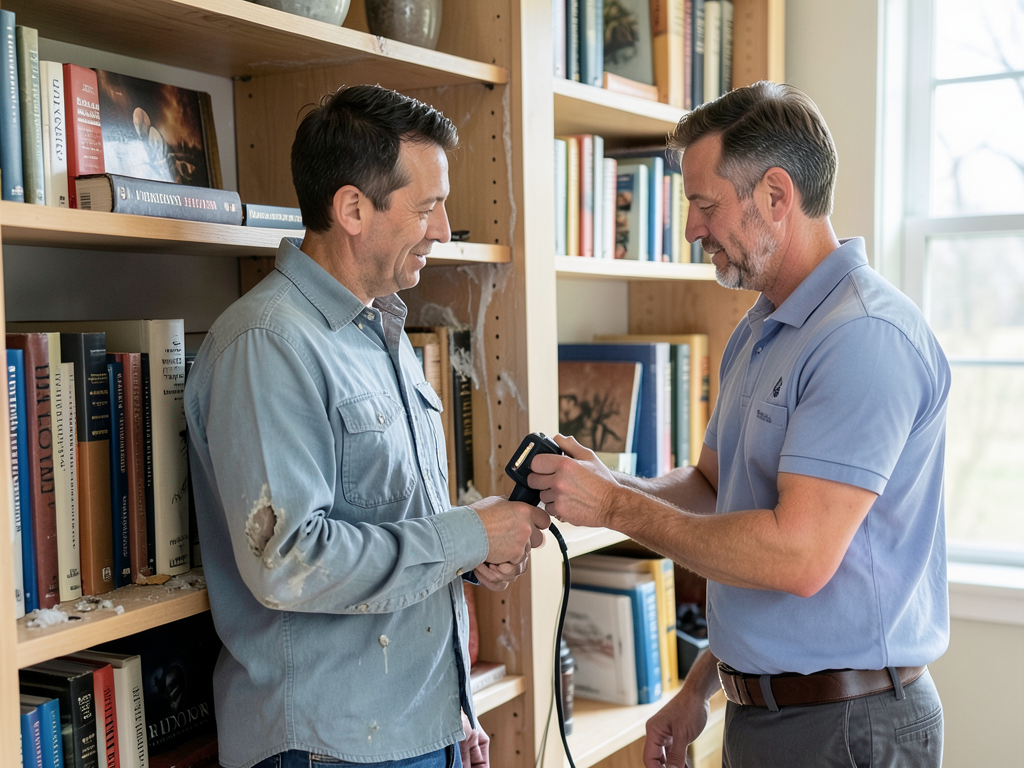
Can Your Custom Built-In Bookshelves in Radnor Be Saved After a Pipe Burst? Water damage…
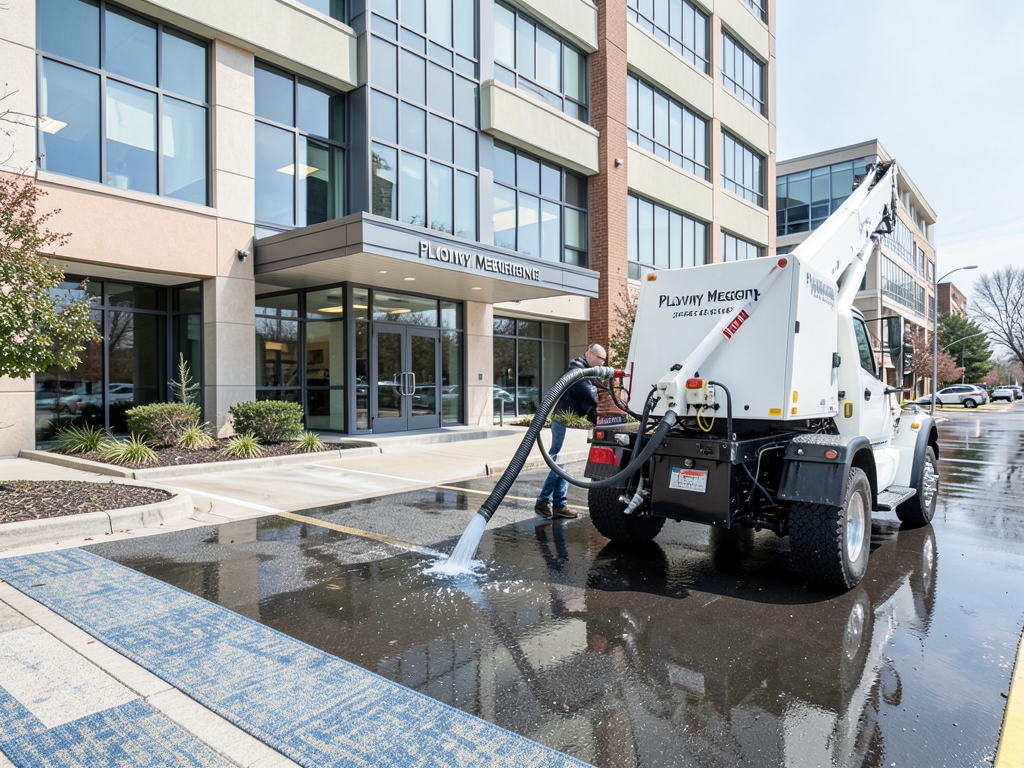
Solving the mystery of office park leaks in Plymouth Meeting before they ruin the carpet…
Water damage gets worse every hour you wait. Our crews respond 24/7 with the equipment and experience to stop damage and begin restoration immediately. Call (215) 610-8188 now for rapid response throughout Philadelphia. We answer your call, dispatch crews fast, and work directly with your insurance company.