menu

Burst Pipe Water Damage in Philadelphia – 24/7 Emergency Response to Stop Flooding Fast

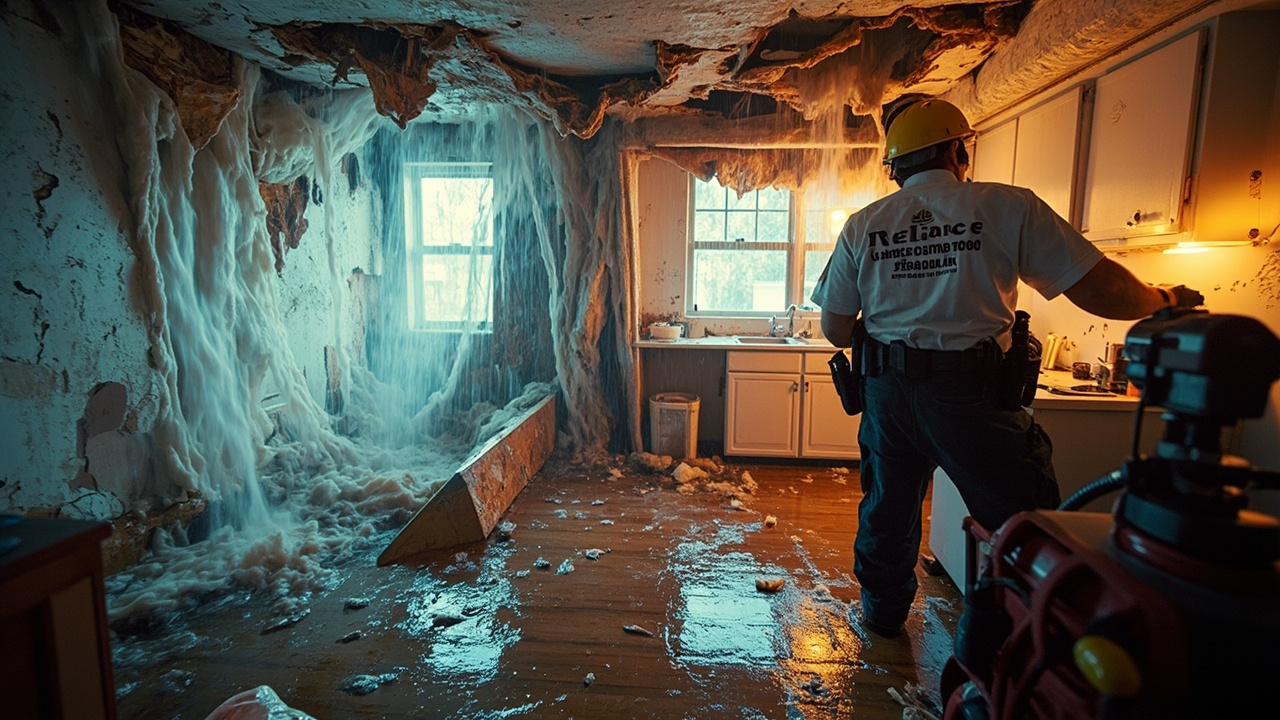
When a ruptured pipe floods your property, minutes matter. Reliance Water Damage Restoration Philadelphia provides immediate burst pipe water cleanup across the city, protecting your home or business from structural collapse and mold.

Slider Image 1
Slider Image 2
Slider Image 3
Slider Image 4
Slider Image 5
Slider Image 7
Slider Image 8
Slider Image 9
Slider Image 10
Slider Image 11

Why Philadelphia Properties Are Vulnerable to Burst Pipe Flooding

Philadelphia's freeze-thaw cycles hit older homes hard. When temperatures drop below freezing, water inside copper and galvanized pipes expands. The pressure builds until the weakest point ruptures. That is when you get broken pipe water damage flooding basements, crawl spaces, and living areas in minutes.

The city's housing stock compounds the problem. Rowhomes built before 1950 often have outdated plumbing hidden behind finished walls. You cannot see corrosion or pinhole leaks until a pipe bursts. When that happens, water damage from a burst pipe spreads fast through shared walls into neighboring units.

Clay soil under Philadelphia foundations shifts with seasonal moisture changes. This movement stresses underground pipes connecting your property to the main water line. A small crack becomes a full rupture during winter cold snaps. The result is ruptured pipe water damage that saturates foundation walls and causes structural settling.

Commercial properties face different risks. Multi-story buildings in Center City have complex plumbing systems with higher water pressure. A burst pipe on an upper floor can flood multiple businesses below before someone shuts off the main valve. Burst pipe flooding in commercial spaces means inventory loss, equipment damage, and business interruption that costs thousands per day.

The damage accelerates after the initial flood. Water seeps into drywall, insulation, and subflooring. Within 48 hours, mold colonies start growing. Wood framing begins to rot. What started as a plumbing failure becomes a comprehensive restoration project requiring burst pipe water cleanup, structural drying, and mold remediation.

Why Philadelphia Properties Are Vulnerable to Burst Pipe Flooding
Our Burst Pipe Emergency Response Protocol

Our Burst Pipe Emergency Response Protocol

Speed determines how much of your property we can save. When you call, our dispatch sends a technician to your location immediately. We arrive with truck-mounted extraction equipment, not a shop vac. Our pumps remove standing water at 200 gallons per minute. That is the difference between surface damage and total subflooring replacement.

Step one is source control. We locate the burst section of pipe and verify the main shutoff valve is closed. Many Philadelphia homes have corroded shutoffs that fail when you need them most. We carry bypass tools to stop water flow even when your shutoff does not work. Once the flood stops, we map the extent of water intrusion using thermal imaging cameras. This shows us hidden moisture inside wall cavities and under flooring that your eyes cannot see.

We then deploy industrial air movers and commercial dehumidifiers. Air movement is not about comfort. It is about vapor pressure gradients that pull moisture out of porous materials. We position equipment based on psychrometric calculations, not guesswork. Our dehumidifiers are refrigerant-based units that remove 150 pints of moisture per day. We monitor humidity levels with hygrometers and adjust equipment placement every 12 hours.

Structural drying takes three to five days for standard residential jobs. We document moisture readings daily to prove materials are returning to dry standard. This documentation matters for your insurance claim. Adjusters want proof that mitigation was done correctly. We provide detailed logs showing moisture levels dropped below 15 percent in wood framing and below 1 percent in concrete.

Antimicrobial treatment comes next. We apply EPA-registered biocides to all affected surfaces to prevent mold growth during the drying period. This is not optional. Philadelphia's humidity creates ideal conditions for Stachybotrys and Aspergillus within 72 hours of water exposure.

What Happens During Burst Pipe Water Damage Restoration

Burst Pipe Water Damage in Philadelphia – 24/7 Emergency Response to Stop Flooding Fast
01

Emergency Water Extraction

We arrive within 60 minutes of your call and immediately deploy truck-mounted pumps to remove standing water. Our extraction units pull water from carpets, padding, and subflooring before it saturates structural framing. We remove baseboards to access water trapped behind walls. This first-hour response prevents secondary damage that doubles restoration costs.
02

Structural Drying and Monitoring

We place commercial air movers and dehumidifiers in a scientifically calculated pattern to create rapid evaporation. Technicians measure moisture content in walls, floors, and ceilings twice daily using penetrating and non-invasive meters. We adjust equipment based on these readings until all materials reach dry standard. This process typically takes three to five days depending on the extent of saturation and building materials involved.
03

Restoration and Rebuild

Once drying is complete and final moisture readings are documented, we begin repairs. This includes replacing damaged drywall, insulation, and flooring. We coordinate with licensed plumbers to repair or replace the ruptured pipe section. Our reconstruction team matches existing finishes so repairs blend seamlessly. We provide a detailed scope of work and photo documentation for your insurance claim to ensure full reimbursement.

Why Philadelphia Property Owners Choose Reliance for Ruptured Pipe Water Damage

You need a restoration company that understands Philadelphia's building stock. Reliance Water Damage Restoration Philadelphia has worked on everything from 18th-century rowhomes in Society Hill to modern high-rises in University City. We know which buildings have lead pipes, where cast iron stacks fail, and how to work around knob-and-tube wiring without creating electrical hazards.

Local knowledge matters when dealing with insurance companies. Philadelphia policies often have specific requirements for emergency mitigation. We document every step of the drying process with calibrated meters and timestamped photos. Our estimates are written in Xactimate, the same software your adjuster uses. This eliminates disputes over pricing and speeds up claim approval.

We work directly with your insurance carrier. You should not have to translate between your adjuster and your restoration crew. We handle that communication. We provide daily updates to the claims department and respond to their questions immediately. This coordination prevents delays that leave equipment running longer than necessary.

Our response time gives you an advantage. Burst pipe flooding damages more property with every passing hour. Water seeps deeper into walls, saturates more insulation, and spreads further across flooring. We have trucks staged throughout Philadelphia, not in a single central location. When you call, the closest available crew responds. That usually means arrival within 60 minutes, even during peak demand periods after winter storms.

Equipment capacity separates professional restoration from inadequate mitigation. We own our extraction units, air movers, and dehumidifiers. We do not rent equipment from a supply house when you call. This means we can scale up for large commercial losses without delay. A burst pipe in a 20,000-square-foot commercial building requires 40 air movers and eight commercial dehumidifiers. We have that equipment ready.

What to Expect When You Call for Burst Pipe Water Cleanup

Immediate Dispatch and Arrival

We answer emergency calls 24 hours a day, 365 days a year. When you call, you speak to a dispatcher who immediately locates the closest available crew. We provide an estimated arrival time based on your exact Philadelphia location and current traffic conditions. Most customers see a technician at their door within one hour. We do not schedule appointments for burst pipe emergencies. We respond immediately because delay increases damage exponentially.

Comprehensive Damage Assessment

Our initial assessment takes 30 to 45 minutes. The technician walks your entire property to identify all affected areas. We use thermal imaging cameras to detect hidden moisture inside walls and ceilings. You receive a written scope of work explaining exactly what needs to happen. This includes the number of rooms affected, the type of materials damaged, and the estimated drying timeline. We also photograph all damage for insurance documentation before we move any contents or begin extraction.

Professional Results and Documentation

You get dried structure proven by documented moisture readings. We do not remove equipment based on time elapsed. We remove equipment when meters show materials have reached dry standard. That means wood framing below 15 percent moisture content and concrete below 1 percent. You receive a final report with daily moisture logs, equipment placement diagrams, and completion photos. This documentation protects you if mold appears later and proves you mitigated damage properly.

Post-Restoration Support and Insurance Coordination

We stay involved through the entire insurance claim process. Our estimators work directly with your adjuster to resolve any coverage questions. If additional damage appears during reconstruction, we document it and submit a supplement to your claim. You should not pay out of pocket for covered losses. We also provide referrals to licensed plumbers for pipe replacement and can coordinate with your general contractor if you are doing additional remodeling during repairs.

Frequently Asked Questions

You Have Questions,
We Have Answers

Does insurance cover damage from burst pipes? +

Most homeowners insurance policies cover sudden and accidental water damage from burst pipes. This includes damage to walls, floors, and belongings. Coverage applies when pipes burst due to freezing, aging, or defects. You must show the damage was unexpected, not caused by neglect. In Philadelphia, insurers expect you to maintain heat during winter and address known plumbing issues. Insurance typically covers repairs and restoration after the burst, but not the pipe replacement itself. Document everything immediately with photos. Review your policy for exclusions and deductibles. File your claim within 24 hours to avoid disputes.

Is water damage from a burst pipe covered by insurance? +

Yes, water damage from a burst pipe is generally covered if the event was sudden and accidental. Philadelphia homeowners can expect reimbursement for structural repairs, flooring replacement, and damaged personal property. The key requirement is proving the burst was unforeseen, not gradual deterioration you ignored. Insurance will not pay if you left your home unheated during a freeze or failed to fix a leaking pipe you knew about. Coverage includes water extraction, drying, and mold prevention services. The burst pipe itself may not be covered, only the resulting damage. Always file quickly and document thoroughly.

How many hours below freezing to freeze pipes? +

Pipes can freeze after just 6 hours when temperatures drop below 20 degrees Fahrenheit. Philadelphia winters often bring extended cold snaps where overnight lows stay in the teens for several consecutive nights. Uninsulated pipes in crawl spaces, attics, or exterior walls freeze fastest. Wind chill accelerates freezing, especially in older Philadelphia homes with poor insulation. Pipes with minimal water flow freeze quicker than those with active circulation. Even brief exposure to extreme cold can cause ice buildup. Let faucets drip when forecasts predict sustained temperatures below 32 degrees. Insulate vulnerable pipes before winter arrives.

Who is responsible for burst water pipes? +

Responsibility depends on where the pipe bursts and your housing situation. Philadelphia homeowners own pipes inside their property line, including interior plumbing and the main supply line up to the street connection. You pay for repairs inside your home. The Philadelphia Water Department handles public pipes in streets and sidewalks. Renters should notify landlords immediately since building owners maintain plumbing infrastructure. Condo owners typically own pipes within their unit, while the association handles shared lines. If a burst damages neighboring property, your homeowners insurance may cover liability. Always clarify responsibility boundaries before emergencies happen.

What is the average insurance payout for water damage? +

Average insurance payouts for water damage range from $3,000 to $10,000, depending on severity and affected areas. Philadelphia claims involving basement flooding or multi-floor damage skew higher. Payouts cover water extraction, structural drying, repairs, and content replacement. Your deductible reduces the final amount. Extensive damage requiring wall removal, floor replacement, or mold remediation increases costs. Insurance adjusters assess damage scope before determining payout. Document everything with photos and receipts. Claims exceeding $20,000 occur when burst pipes go undetected for hours or impact multiple rooms. Prompt response reduces payout amounts by minimizing damage spread.

How much does it cost to fix burst pipes? +

Repairing a burst pipe costs between $500 and $2,000 depending on location and accessibility. Philadelphia plumbers charge more for emergency calls during freezing weather. Simple exposed pipe repairs cost less than fixing pipes behind walls, which require drywall removal and patching. Copper pipe replacement runs higher than PEX repairs. Costs increase if you need multiple sections replaced or extensive water damage restoration afterward. Emergency weekend or night repairs add premium charges. Frozen pipe thawing without bursting costs $200 to $500. Get multiple estimates when possible. Prevention through insulation costs far less than emergency repairs.

Do insurance companies pay out for burst pipes? +

Yes, insurance companies pay for burst pipe damage when claims meet policy terms. Philadelphia homeowners receive payouts for sudden, accidental pipe failures causing water damage. Insurers require proof the burst was unforeseeable and not due to neglect. They pay for water removal, structural repairs, and content replacement after deductibles. Claims get denied if you failed to maintain heat, ignored known leaks, or left the property vacant without proper winterization. Document damage immediately with photos and videos. File within 24 hours. Insurers may send adjusters to assess damage before approving payment. Keep all repair receipts.

What kind of water damage is not covered by insurance? +

Insurance excludes water damage from gradual leaks, lack of maintenance, flooding from external sources, and sewer backups without additional coverage. Philadelphia policies do not cover damage from pipes you knew were leaking but ignored. Seepage through foundations, groundwater intrusion, and storm surge require separate flood insurance. Damage from frozen pipes in unheated homes may be denied. Mold growth from long-term moisture problems gets excluded. Wear and tear on aging plumbing systems is not covered. Preventable damage loses coverage. Read your policy exclusions carefully. Consider flood insurance and sewer backup endorsements for complete protection.

What to do immediately after a pipe bursts? +

Shut off the main water supply immediately to stop flooding. Find the shutoff valve near your water meter or where the main line enters your home. Turn off electricity if water contacts outlets or appliances. Move furniture and valuables to dry areas. Contact a water damage restoration company within the first hour. Philadelphia homes develop mold quickly in humid conditions. Document everything with photos for insurance. Call your insurance company to file a claim. Do not delay cleanup. Standing water causes exponential damage every hour. Extract water and start drying immediately to minimize structural damage and mold growth.

At what temperature should you let your faucets drip? +

Let faucets drip when temperatures drop to 28 degrees or below. Philadelphia homeowners should start this practice when forecasts predict overnight lows in the mid-20s for several hours. Open cabinet doors under sinks to let warm air circulate around pipes. A slow drip, about five drips per minute, keeps water moving and prevents freezing. Focus on faucets connected to pipes in exterior walls, crawl spaces, or unheated areas. The small water cost is far cheaper than burst pipe repairs. Stop dripping once temperatures rise above freezing. Insulate pipes in vulnerable areas for better long-term protection.

How Philadelphia's Aging Infrastructure Increases Burst Pipe Risk

Philadelphia has some of the oldest water infrastructure in the nation. Many properties built before 1960 still have original galvanized steel or cast iron pipes. These materials corrode from the inside out. You cannot see the degradation until a pipe fails. When winter temperatures drop below 20 degrees, the freeze-thaw cycle turns a corroded weak point into a full rupture. Broken pipe water damage is more common in Philadelphia than in cities with newer plumbing. The problem intensifies in rowhomes where pipes run through unheated party walls. One burst pipe can flood multiple connected properties.

Philadelphia property owners need restoration companies that understand local building codes. The city requires permits for certain types of plumbing repairs. We coordinate with licensed plumbers who know these requirements. Our restoration work also meets Philadelphia building code for moisture control and mold prevention. This local expertise matters when you file an insurance claim. Adjusters want proof that repairs were done correctly and legally. We provide that documentation because we know what Philadelphia inspectors require.

Water Damage Restoration Services in The Philadelphia Area

View our service area to see how Reliance Water Damage Restoration delivers fast, reliable support across the region. Whether it’s residential basements or commercial spaces, our team is locally based and ready to respond 24/7. We’re committed to being near you when emergencies strike—count on us for prompt, professional care.
(80 words)

Address:
Reliance Water Damage Restoration Philadelphia, 100 N 18th St, Philadelphia, PA, 19103

Additional Services We Offer

Our news updates

Latest Articles & News from The Blogs

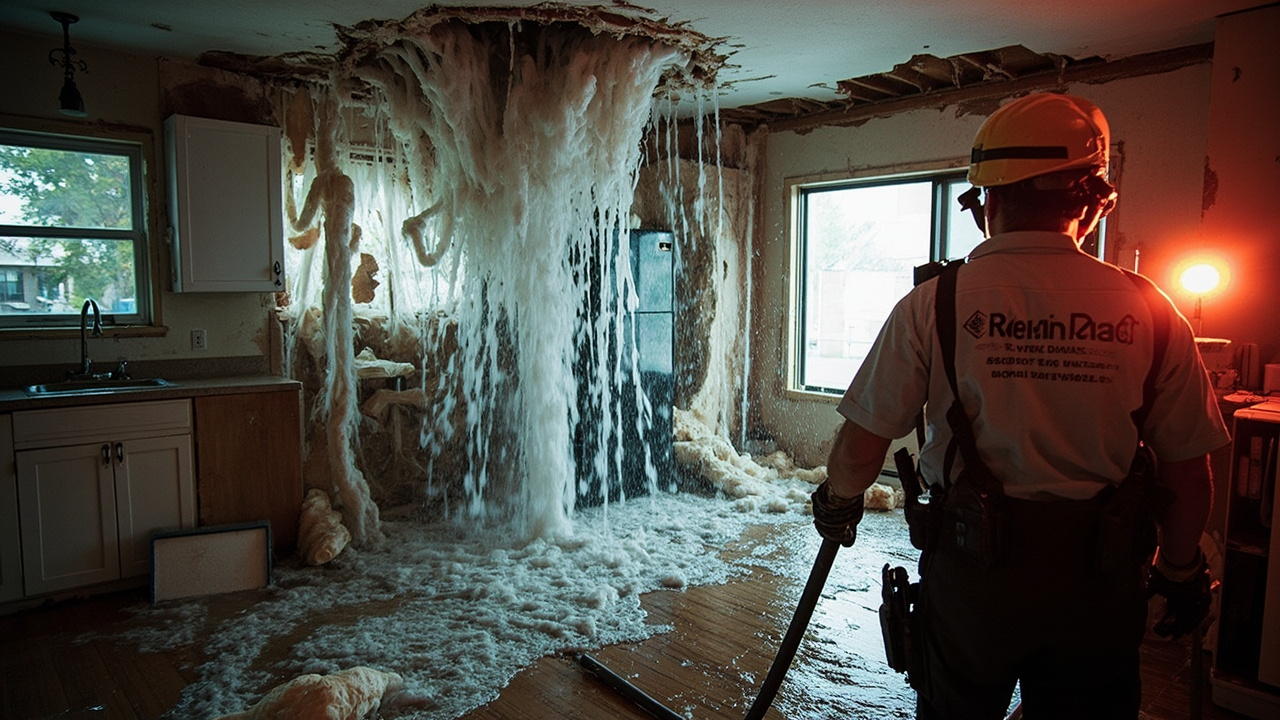
Identifying moisture problems in the unique limestone foundations of Swarthmore homes If you own a historic home in Swarthmore you…

Identifying moisture problems in the unique limestone foundations of Swarthmore homes

Identifying moisture problems in the unique limestone foundations of Swarthmore homes If you own a historic home in Swarthmore you…

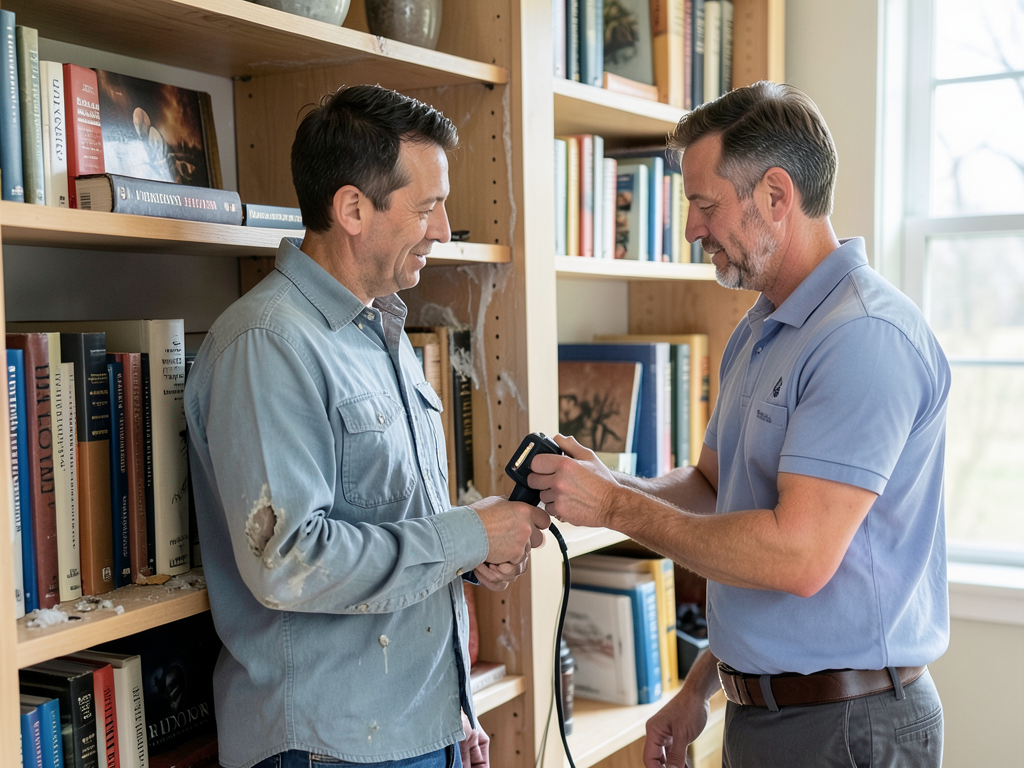
Can your custom built-in bookshelves in Radnor be saved after a pipe burst?

Can Your Custom Built-In Bookshelves in Radnor Be Saved After a Pipe Burst? Water damage to custom built-ins in Radnor…

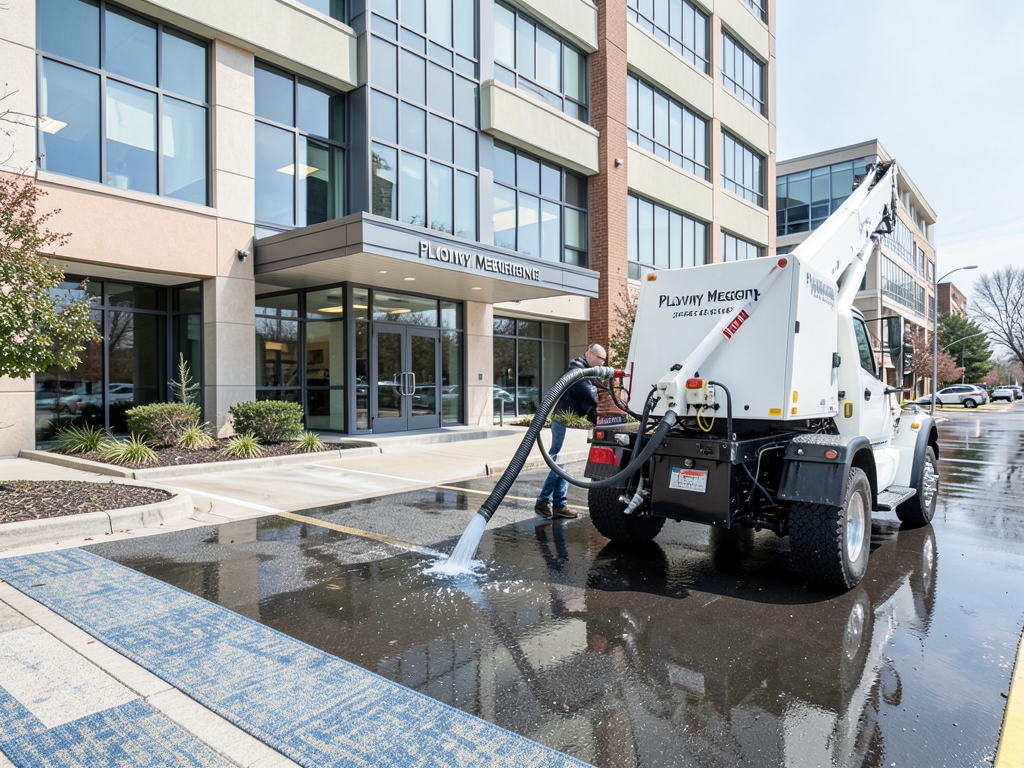
Solving the mystery of office park leaks in Plymouth Meeting before they ruin the carpet

Solving the mystery of office park leaks in Plymouth Meeting before they ruin the carpet Office park leaks in Plymouth…

Contact Us

Every minute counts when a pipe bursts. Call Reliance Water Damage Restoration Philadelphia at (215) 610-8188 right now. We dispatch a crew to your location immediately. Our technicians are standing by 24 hours a day to stop flooding and begin drying your property.