menu

Emergency Roof Leak Tarping in Philadelphia – 24/7 Response to Stop Water Damage Now

When your roof fails, every minute counts. Our emergency roof tarping services dispatch immediately across Philadelphia to secure your property, prevent interior water damage, and protect your belongings until permanent repairs restore your peace of mind.

Slider Image 1
Slider Image 2
Slider Image 3
Slider Image 4
Slider Image 5
Slider Image 7
Slider Image 8
Slider Image 9
Slider Image 10
Slider Image 11

Why Philadelphia Roofs Fail Without Warning

Your roof just gave out. Water is pouring into your bedroom, your office, or through the ceiling of your business. You need help right now.

Philadelphia's weather punishes roofs year-round. Winter freeze-thaw cycles crack flashing and split shingles. Spring storms deliver wind gusts that rip off sections of roofing in minutes. Summer humidity accelerates rot in aging wood decking. Fall nor'easters dump inches of rain on already compromised structures. One missing shingle becomes a catastrophic leak when the next storm hits.

Homes in neighborhoods like Fishtown and South Philly often feature older roofing systems on row homes where damage spreads quickly from unit to unit. Commercial flat roofs in the Navy Yard or along Roosevelt Boulevard develop ponding water that finds every weak point. When your roof fails, water does not wait. It floods insulation, saturates drywall, ruins electronics, and creates mold conditions within 48 hours.

Emergency roof tarp installation stops the bleeding. Urgent roof tarping services create a temporary waterproof barrier that gives you time to plan permanent repairs without watching your property deteriorate by the hour. Our 24 hour roof tarping team understands that emergency temporary roof covering is not about perfection. It is about speed, securing the breach, and preventing a bad situation from becoming a total loss. Water damage compounds exponentially. The leak you ignore today becomes structural rot tomorrow.

Why Philadelphia Roofs Fail Without Warning
How We Secure Your Roof in Under Two Hours

How We Secure Your Roof in Under Two Hours

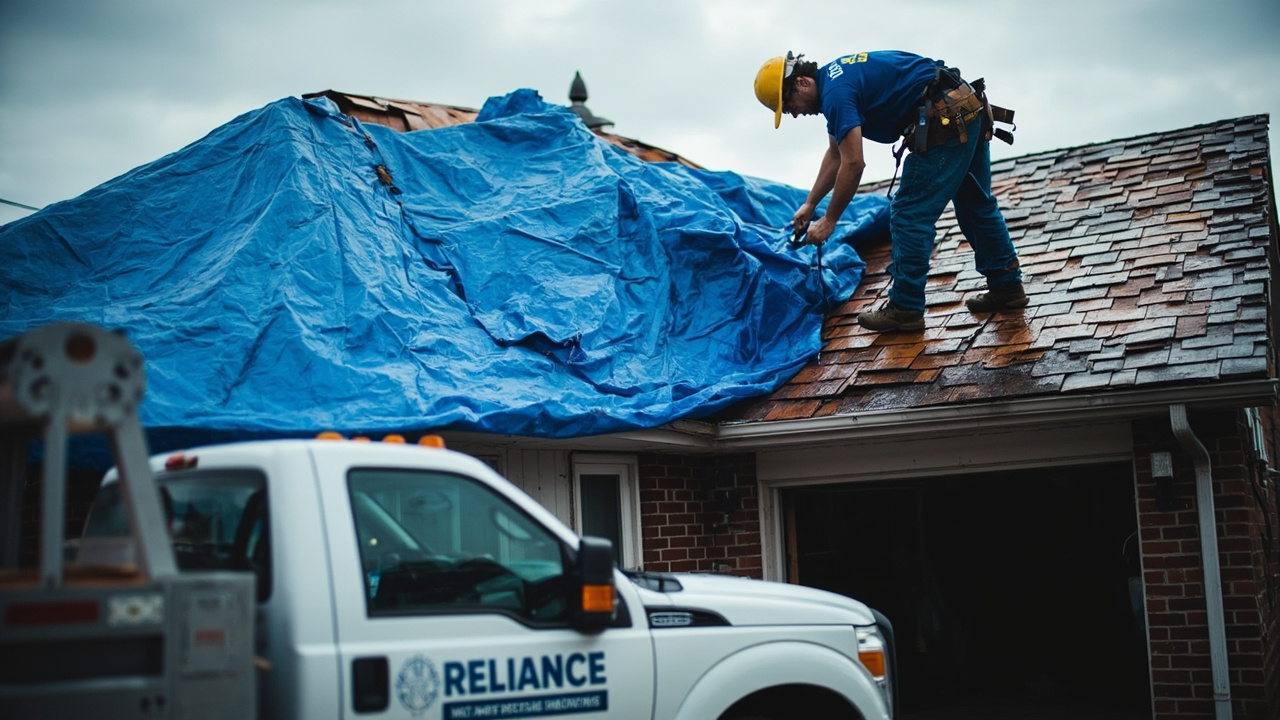
When you call for emergency roof leak tarp service, we mobilize immediately. Our trucks carry heavy-duty polyethylene tarps rated for wind loads, not the thin blue tarps from hardware stores that blow off in the first gust. We use proper fastening methods that protect your roof while creating a watertight seal.

First, we assess the damage area from inside and outside. We locate the breach, measure the coverage zone, and identify any structural hazards. If your decking is compromised, we note it. If flashing failed around a chimney or vent, we document it. You get a clear picture of what happened and what comes next.

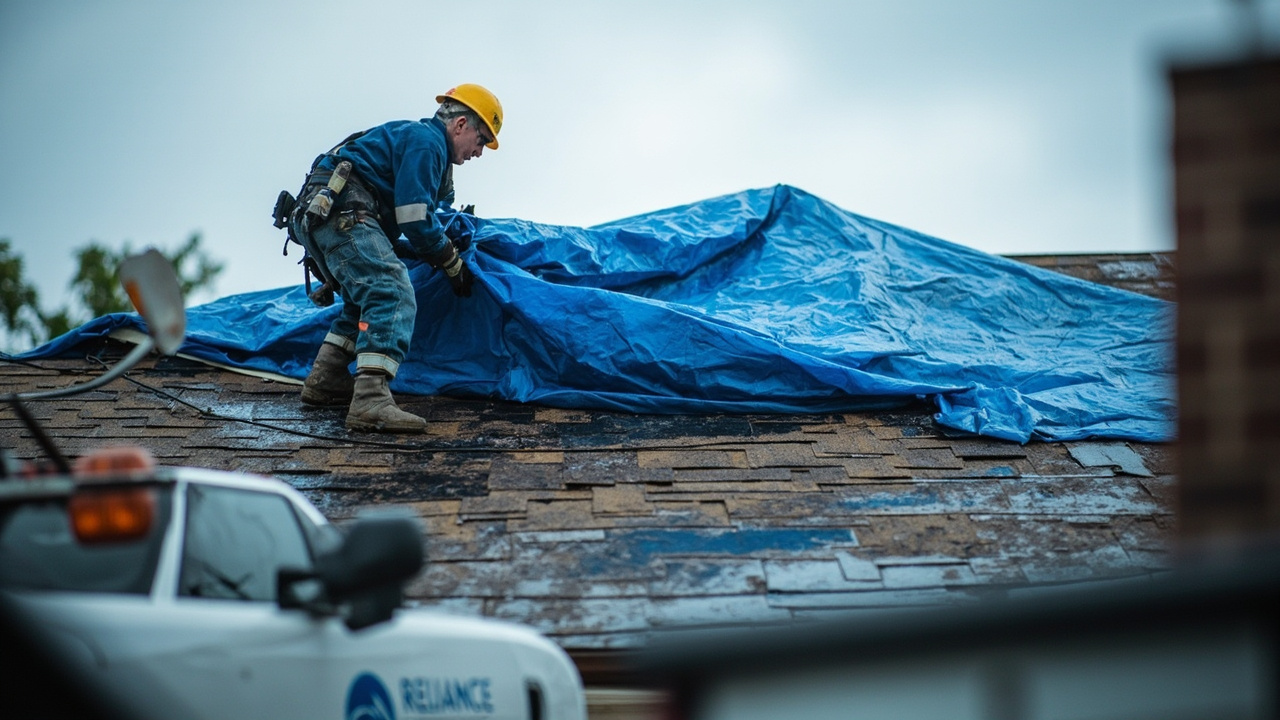
Next, we deploy the emergency temporary roof covering. We extend the tarp at least four feet beyond the damaged area in all directions. We secure it using wood battens screwed through the tarp into solid decking, never just laying it flat. This sandwich method prevents wind uplift. We seal edges and overlaps with contractor-grade tape. If your roof has complex geometry, multiple valleys, or penetrations, we cut and shape the material to follow the roofline. Sloppy tarping creates new leak points.

Finally, we anchor the system. We use rope and weight bags on areas where fasteners would cause more damage. On flat commercial roofs, we add perimeter weighting to prevent billowing. The goal is a tarp that survives the next storm cycle while you arrange permanent repairs. Reliance Water Damage Restoration Philadelphia has tarped hundreds of roofs across the city. We know what holds and what fails.

What Happens When You Call for Emergency Tarping

Emergency Roof Leak Tarping in Philadelphia – 24/7 Response to Stop Water Damage Now
01

Immediate Dispatch

You call our emergency line. We answer. No voicemail. No callbacks. We gather your address, damage description, and safety concerns. Our crew loads the truck and drives to your location within 60 minutes for most Philadelphia addresses. We bring ladders, safety equipment, tarps in multiple sizes, fasteners, and lighting for night work. You get a technician who can assess and tarp in one visit.
02

Damage Assessment and Tarp Installation

We inspect your roof safely, identify all compromised areas, and measure the damage zone. We select the appropriate tarp size and prepare the surface. We remove debris, dry the area if possible, and install the tarp using mechanical fastening and proper overlap technique. We secure all edges, check for gaps, and test the installation. You watch the leak stop. We photograph the work for your insurance documentation.
03

Documentation and Next Steps

We provide you with photos, a written damage summary, and a recommendation for permanent repair. We explain what your insurance adjuster will look for. We answer your questions about timeline and next steps. The tarp buys you time, usually several weeks, to get quotes and schedule roofing work. We offer to inspect the tarp after major storms if needed. You have breathing room to make smart decisions instead of panic decisions.

Why Philadelphia Property Owners Call Us First

Roof emergencies do not follow business hours. We run a true 24/7 operation with techs on call every night, every weekend, every holiday. When you call at 2 a.m. because your roof just failed during a thunderstorm, we answer and we come. Other companies promise emergency service but route you to voicemail. We dispatch.

We know Philadelphia construction. The roofing systems in Manayunk differ from those in Chestnut Hill. Row homes in Kensington share common structures that require specific tarping approaches to avoid affecting neighboring units. Commercial buildings along Market Street often have built-up roofing that fails differently than residential shingles. We have worked in every neighborhood, on every roof type, in every weather condition the city throws at us.

Our tarping is temporary, but it is not sloppy. We use commercial-grade materials because the cheap stuff fails and you end up with a second emergency. We fasten properly because wind uplift tears off poorly secured tarps. We document thoroughly because your insurance company will ask questions. Reliance Water Damage Restoration Philadelphia treats emergency tarping as a precision operation, not a band-aid.

We also coordinate the next phase. Need a roofing contractor? We can recommend qualified pros. Need an insurance adjuster walkthrough? We provide the documentation they require. Need interior water damage restoration? We handle that too. One call gets you a team that manages the entire crisis, not just a tarp guy who disappears.

You are dealing with enough stress. We show up, stop the water, explain your options, and give you a path forward. That is the standard.

What to Expect When We Arrive

Rapid Response Time

We aim for 60-minute response times throughout Philadelphia and surrounding areas. When you call (215) 610-8188, we answer immediately and dispatch the nearest crew. Our trucks are pre-loaded with tarps, fasteners, ladders, and safety gear. Weather conditions affect drive times, but we prioritize life-safety emergencies and active flooding situations. You get an estimated arrival time on the phone. We text when we are 10 minutes out. No waiting around wondering if help is coming. We arrive, we assess, we tarp. Most installations take 45 to 90 minutes depending on roof complexity and damage extent.

Thorough Damage Evaluation

Before we tarp, we inspect the full damage zone from both inside and outside your property. We identify the primary breach, secondary weak points, and any structural concerns. We look for compromised decking, damaged flashing, and saturated insulation. We document everything with photos. You receive a verbal summary on-site and a written report within 24 hours. This documentation helps with insurance claims and contractor estimates. We explain what caused the failure if visible and what type of permanent repair you will need. You get clarity, not guesses.

Professional Tarp Installation

We use heavy-duty polyethylene tarps designed for emergency roof applications, not consumer-grade materials. We secure tarps with wood battens and corrosion-resistant fasteners screwed into solid decking. We extend coverage at least four feet beyond the damage area. We seal seams and penetrations. We anchor corners and edges to prevent wind uplift. The installation is designed to survive Philadelphia weather for several weeks while you arrange permanent repairs. We do not rush. We do it right. You get a waterproof barrier that holds, not a tarp that blows off in the next storm.

Post-Installation Support

After we tarp your roof, we stay available. If a major storm is forecast, we can re-inspect the tarp for free. If you have questions about your insurance claim or contractor estimates, we answer them. We provide referrals to licensed roofing contractors if you need them. If water damage occurred inside your property, we offer full restoration services including drying, mold remediation, and reconstruction. The tarp is step one. We help you through the entire recovery process. You are not abandoned once the tarp goes up. We follow through.

Frequently Asked Questions

You Have Questions,
We Have Answers

Can I put a tarp on my roof to stop leaks? +

Yes, you can tarp your roof temporarily to stop leaks. Use a heavy-duty polyethylene tarp secured with 2x4 boards and sandbags, not nails that create more holes. In Philadelphia, freeze-thaw cycles and sudden storms make quick action critical to prevent interior water damage. Extend the tarp at least 4 feet past the damaged area on all sides. If your roof is steep, icy, or the damage is extensive, do not attempt this yourself. Call a professional immediately. A tarp is a stopgap measure, not a permanent fix. It buys you time until proper repairs can be made.

How to emergency tarp a roof? +

Start by identifying the leak source from inside your attic. Measure and mark the spot. From the roof, use a heavy-duty tarp large enough to cover the damage plus 4 feet on each side. Anchor the tarp using 2x4 boards screwed through the tarp into roof decking, then cover board edges with more tarp to prevent water infiltration. Secure loose edges with sandbags. Philadelphia's high winds require extra anchoring. Never work on a wet or icy roof. If conditions are dangerous or the damage is severe, call a professional tarping service immediately to prevent further interior damage.

How to temporarily cover a leaking roof? +

Cover a leaking roof with a heavy-duty polyethylene tarp, extending it at least 4 feet beyond the damaged area in all directions. Secure the tarp with lumber and sandbags, avoiding additional nail penetrations. Work only in safe, dry conditions. Philadelphia's unpredictable weather means leaks often worsen fast, causing ceiling damage, mold growth, and electrical hazards. If you cannot safely access the roof, place buckets inside to catch water and call a professional immediately. Temporary tarping protects your home from further damage but is not a substitute for proper roof repair. Document everything for insurance claims.

How much does emergency roof tarping cost? +

Emergency roof tarping in Philadelphia typically costs between $200 and $1,500, depending on roof size, pitch, damage extent, and accessibility. A small single-story tarp job runs lower, while multi-story homes or steep-pitch roofs cost more due to safety equipment and labor. Emergency after-hours or storm-surge pricing may apply. Most homeowner policies cover emergency tarping under dwelling protection if storm damage caused the leak. Always get written estimates and confirm insurance coverage before work begins. Professional tarping prevents thousands in additional water damage. Delaying action to save money often costs more in the long run.

Why are people putting blue tarps on roofs? +

Blue tarps appear on roofs after storms or sudden damage to stop water infiltration until permanent repairs can be scheduled. The blue color is standard for heavy-duty polyethylene tarps used in construction and emergency situations. In Philadelphia, you see blue tarps after severe storms, ice dams, or wind damage. They signal the homeowner is taking action to prevent secondary damage like mold, ceiling collapse, and structural rot. Insurance companies require prompt mitigation, and tarping is the fastest temporary solution. If you see a blue tarp on your neighbor's roof after a storm, it means they are protecting their home from further loss.

How do you stop a leaking roof during heavy rain? +

Stop a leaking roof during heavy rain by placing buckets inside to catch water, then move furniture and valuables away from the leak. From the attic, push a nail or wire through the leak point to create a single drain path into a bucket. Do not go on the roof during rain. Philadelphia thunderstorms bring lightning, high winds, and slippery conditions. Once rain stops, tarp the damaged area immediately or call a 24-hour emergency roof tarping service. Document all damage with photos for insurance. Fast action prevents ceiling collapse, electrical hazards, and mold growth. Your safety comes first.

Will Fema put a tarp on my roof? +

FEMA does not directly provide roof tarping services. The Blue Roof Program, run by the U.S. Army Corps of Engineers, operates only after presidentially declared disasters in specific regions. Philadelphia homeowners cannot request this service for individual roof leaks. Instead, contact your homeowner's insurance company, which typically covers emergency tarping under dwelling protection. Many local contractors offer 24-hour emergency tarping. If you lack insurance or cannot afford repairs, contact Philadelphia's Office of Community Empowerment and Opportunity for resource referrals. Do not wait for federal assistance. Tarp your roof immediately to prevent further damage and health hazards.

Can I apply roof Maxx myself? +

Roof Maxx is a soy-based rejuvenation treatment applied by certified professionals, not a DIY product. It restores flexibility to asphalt shingles and extends roof life by five years per application. The process requires specific equipment, training, and warranty compliance. Philadelphia homeowners should not attempt application themselves. Roof Maxx does not stop active leaks. It is a preventive maintenance treatment for aging but intact roofs. If your roof is leaking now, you need emergency tarping and repair, not rejuvenation. Contact a licensed roofer to assess damage. Roof Maxx may be an option after repairs if your shingles are simply aging.

What can I use instead of tarping my roof? +

Alternatives to tarping include emergency roof patches, roofing cement with fabric mesh, or temporary shingle replacement for small areas. For larger damage, roll roofing or peel-and-stick membrane can provide temporary coverage. However, tarping remains the fastest, most effective emergency solution for Philadelphia homeowners facing active leaks. Spray foam and sealants work only for minor gaps, not structural damage. If the damage involves missing shingles, broken decking, or punctures larger than a dinner plate, tarp it immediately and call a professional. Delaying proper coverage allows water infiltration, leading to mold, rot, and expensive interior repairs.

Does flex seal work on roof leaks? +

Flex Seal and similar rubberized sealants are not reliable solutions for roof leaks. They may stop minor seepage temporarily but fail under Philadelphia's freeze-thaw cycles, UV exposure, and thermal expansion. These products do not bond well to wet, dirty, or cold surfaces. For emergency leak control, use a tarp secured properly. Flex Seal cannot replace damaged shingles, flashing, or decking. It voids most roofing warranties and complicates future repairs because it is difficult to remove. If your roof is leaking, tarp it immediately and schedule a professional inspection. Sealants waste time and money when you need real structural repair.

Philadelphia's Freeze-Thaw Cycles Accelerate Roof Failure and Emergency Tarping Demand

Philadelphia winters cycle between freezing nights and thawing days, creating ice dam formation along roof edges and repeated expansion-contraction stress on shingles and flashing. This freeze-thaw pattern cracks sealant, loosens fasteners, and opens pathways for water infiltration. Spring storms exploit these weakened areas, causing sudden catastrophic leaks. Emergency roof tarp installation becomes critical because compromised roofs fail rapidly under rain load. Older homes in neighborhoods like Queen Village and Fairmount feature aging roofing systems that deteriorate faster under these conditions, requiring urgent roof tarping services to prevent interior water damage during the transition to permanent repair.

Philadelphia's dense row home construction means a roof failure in one unit can quickly affect adjacent properties through shared walls and connected attic spaces. Local contractors understand this unique architectural challenge and the importance of rapid containment. Reliance Water Damage Restoration Philadelphia operates across the city with knowledge of both historic district roofing requirements and modern commercial flat roof systems common in industrial areas. When you need 24 hour roof tarping, you need a team familiar with Philadelphia building codes, weather patterns, and the specific vulnerabilities of local construction types. Local expertise prevents secondary damage and ensures code-compliant temporary repairs.

Water Damage Restoration Services in The Philadelphia Area

View our service area to see how Reliance Water Damage Restoration delivers fast, reliable support across the region. Whether it’s residential basements or commercial spaces, our team is locally based and ready to respond 24/7. We’re committed to being near you when emergencies strike—count on us for prompt, professional care.
(80 words)

Address:
Reliance Water Damage Restoration Philadelphia, 100 N 18th St, Philadelphia, PA, 19103

Additional Services We Offer

Our news updates

Latest Articles & News from The Blogs

Identifying moisture problems in the unique limestone foundations of Swarthmore homes If you own a historic home in Swarthmore you…

Identifying moisture problems in the unique limestone foundations of Swarthmore homes

Identifying moisture problems in the unique limestone foundations of Swarthmore homes If you own a historic home in Swarthmore you…

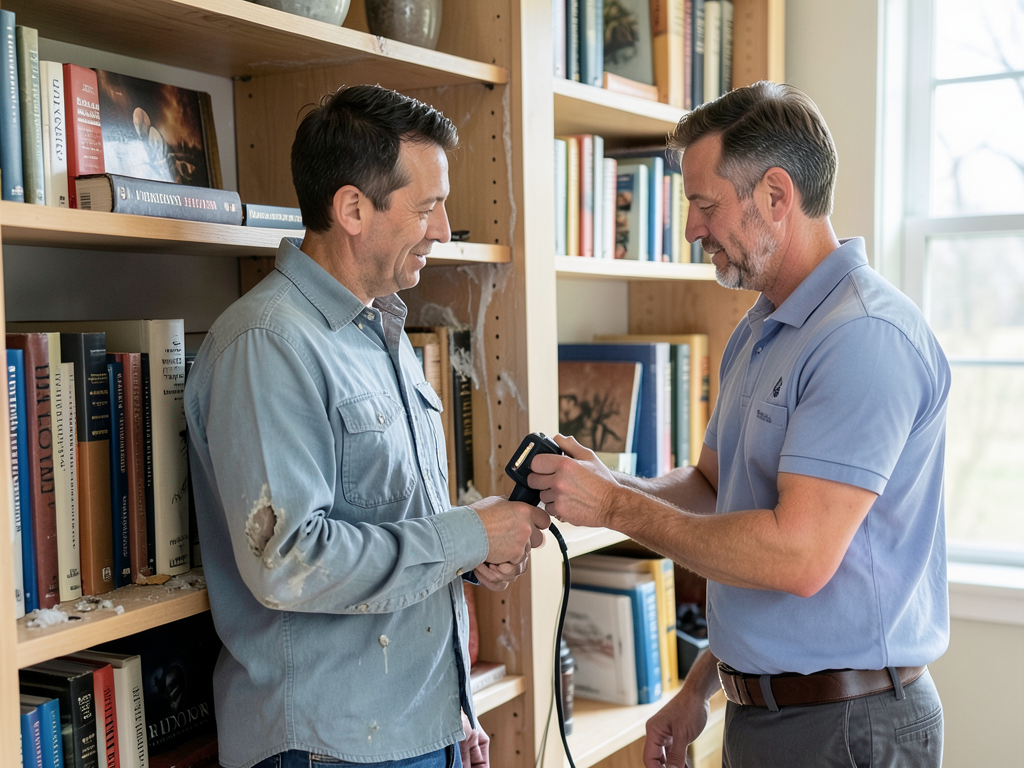
Can your custom built-in bookshelves in Radnor be saved after a pipe burst?

Can Your Custom Built-In Bookshelves in Radnor Be Saved After a Pipe Burst? Water damage to custom built-ins in Radnor…

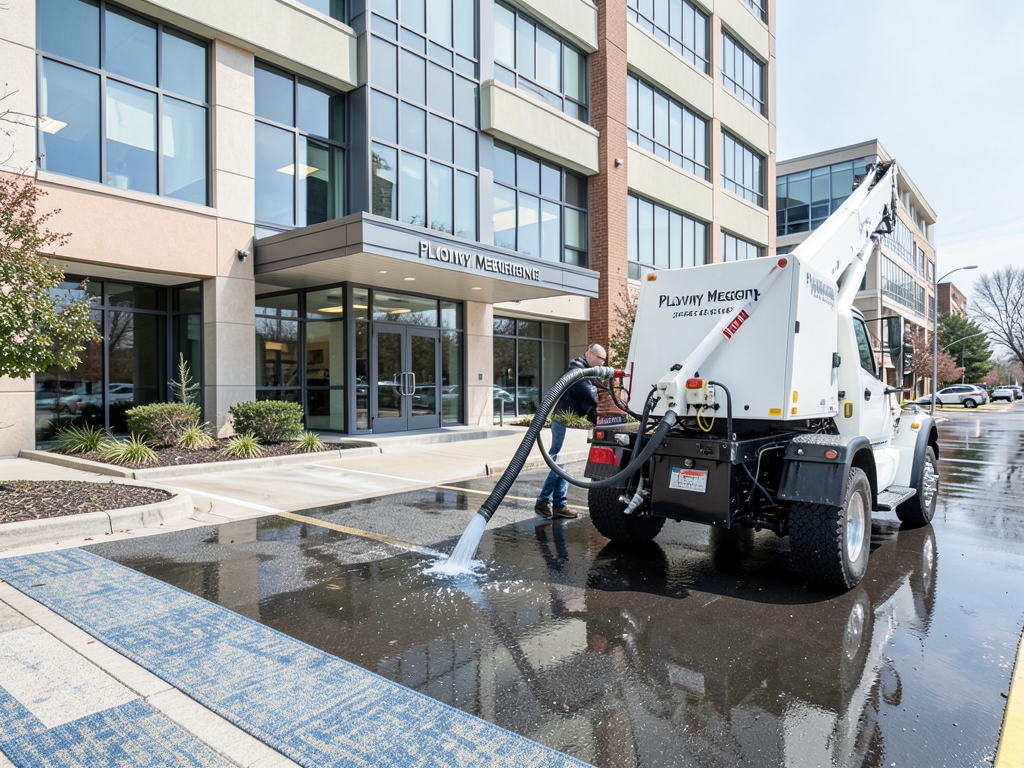
Solving the mystery of office park leaks in Plymouth Meeting before they ruin the carpet

Solving the mystery of office park leaks in Plymouth Meeting before they ruin the carpet Office park leaks in Plymouth…

Contact Us

Your roof is leaking. Every minute increases the damage. Call (215) 610-8188 now for immediate emergency roof tarping. We dispatch within the hour, tarp your roof properly, and stop the water. Available 24/7 across Philadelphia.