menu

Commercial Fire & Smoke Cleanup in Philadelphia | Industrial-Grade Response That Keeps Your Business Operating

When fire strikes your Philadelphia facility, every hour offline costs revenue. Our commercial fire damage restoration team mobilizes heavy-duty extraction systems and commercial smoke remediation protocols to minimize business interruption and get your operation back online fast.

Slider Image 1
Slider Image 2
Slider Image 3
Slider Image 4
Slider Image 5
Slider Image 7
Slider Image 8
Slider Image 9
Slider Image 10
Slider Image 11

Fire Damage in Philadelphia Commercial Buildings: The Hidden Costs of Delayed Response

Philadelphia's dense commercial corridors and aging industrial infrastructure create unique fire damage challenges for business owners. A single sprinkler discharge in a Center City office building can dump thousands of gallons through multiple floors before you shut it down. Fire marshal protocols in Philadelphia County require specific documentation before you can reoccupy, and insurance adjusters demand detailed mitigation records to process claims.

The real cost is not the visible char. It is the corrosive soot that migrates through HVAC systems, contaminating inventory three floors away from the burn site. It is the acidic smoke residue that degrades electrical components and computer equipment. Philadelphia's humid climate accelerates secondary damage. Within 48 hours, soot etching becomes permanent on glass and metal surfaces. Within a week, untreated smoke odor bonds to porous materials and becomes nearly impossible to remove without replacement.

Commercial fire cleanup services require industrial-grade equipment and methodologies that residential crews cannot deliver. You need thermal foggers that penetrate commercial ductwork. You need hydroxyl generators rated for spaces exceeding 10,000 square feet. You need teams trained in commercial soot removal from sensitive electronics and inventory.

Most fire damage companies subcontract the commercial work. That creates coordination delays and liability gaps. When your lease requires you to restore premises to pre-loss condition, or your insurance policy has a business interruption clock ticking, you cannot afford a learning curve. You need a team that understands commercial fire damage restoration and can execute industrial fire mitigation protocols the day you call.

Fire Damage in Philadelphia Commercial Buildings: The Hidden Costs of Delayed Response
How Professional Commercial Smoke Remediation Differs from Standard Fire Cleanup

How Professional Commercial Smoke Remediation Differs from Standard Fire Cleanup

Generic fire cleanup focuses on visible damage. Professional commercial smoke remediation addresses the entire contamination pathway. We map smoke migration patterns using thermal imaging and particle testing. Smoke follows pressure differentials and temperature gradients. In multi-story buildings, it rises through elevator shafts and stairwells, then settles in upper-floor spaces far from the fire origin.

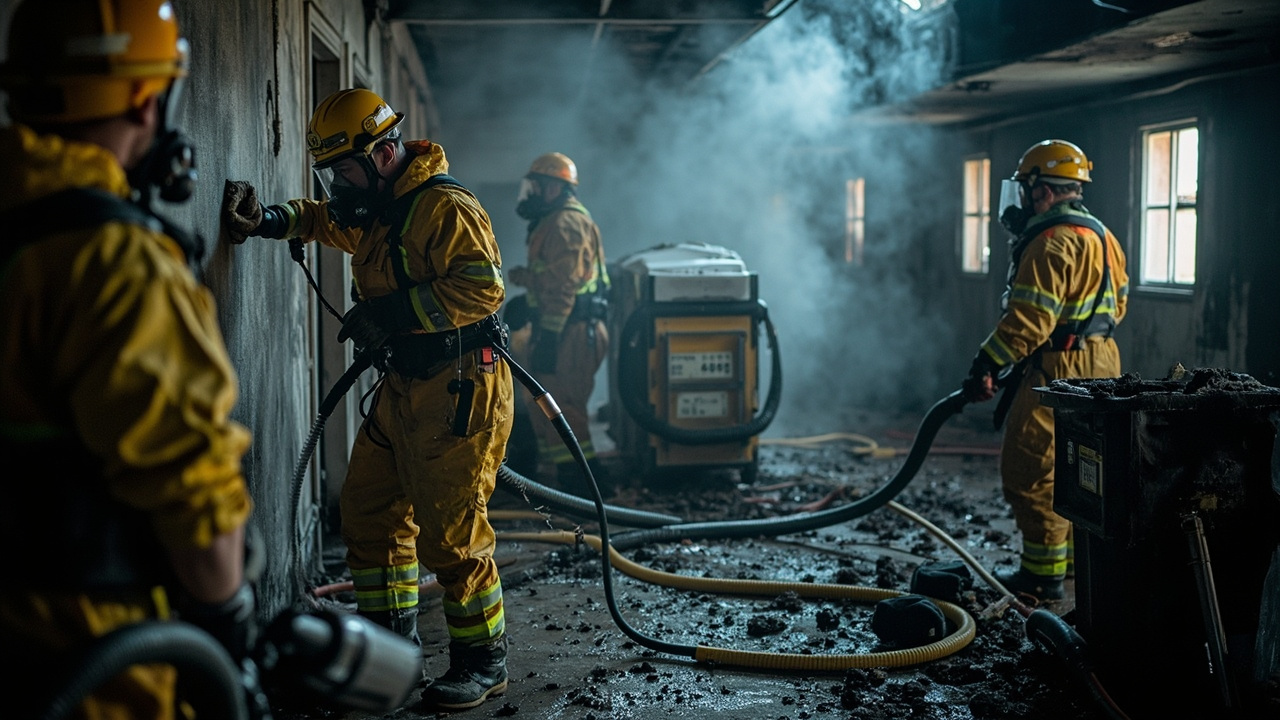
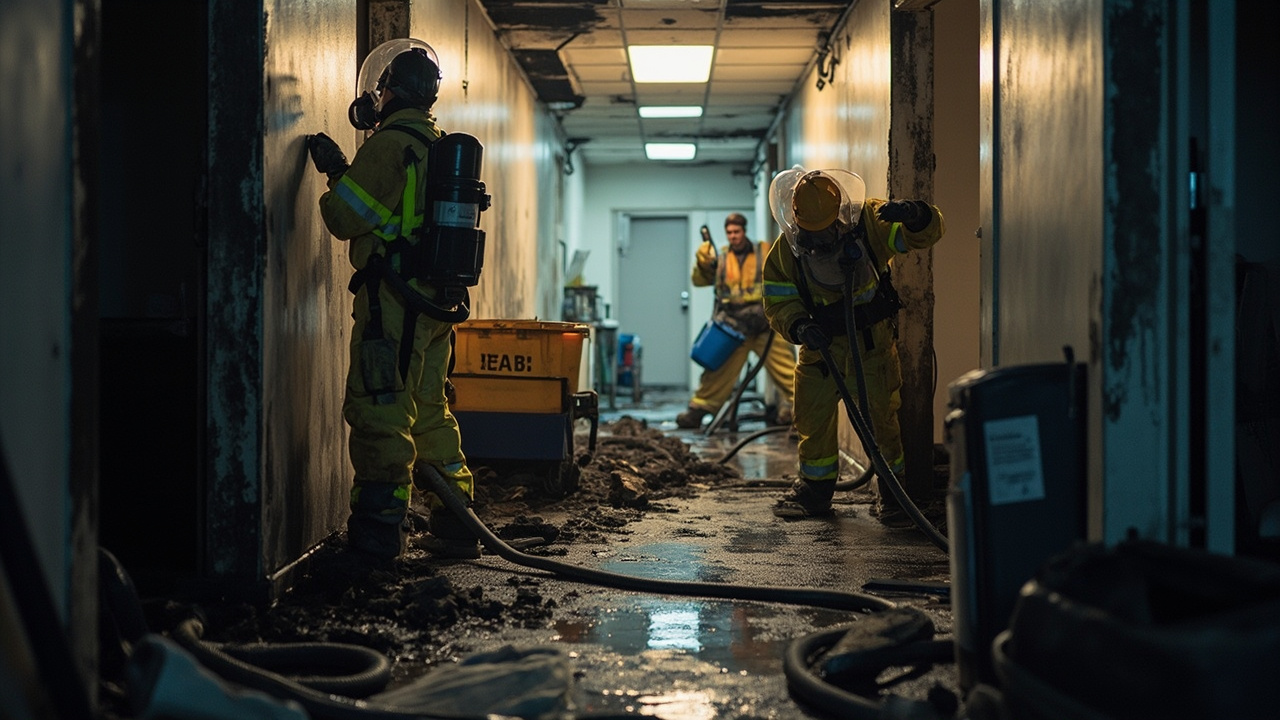
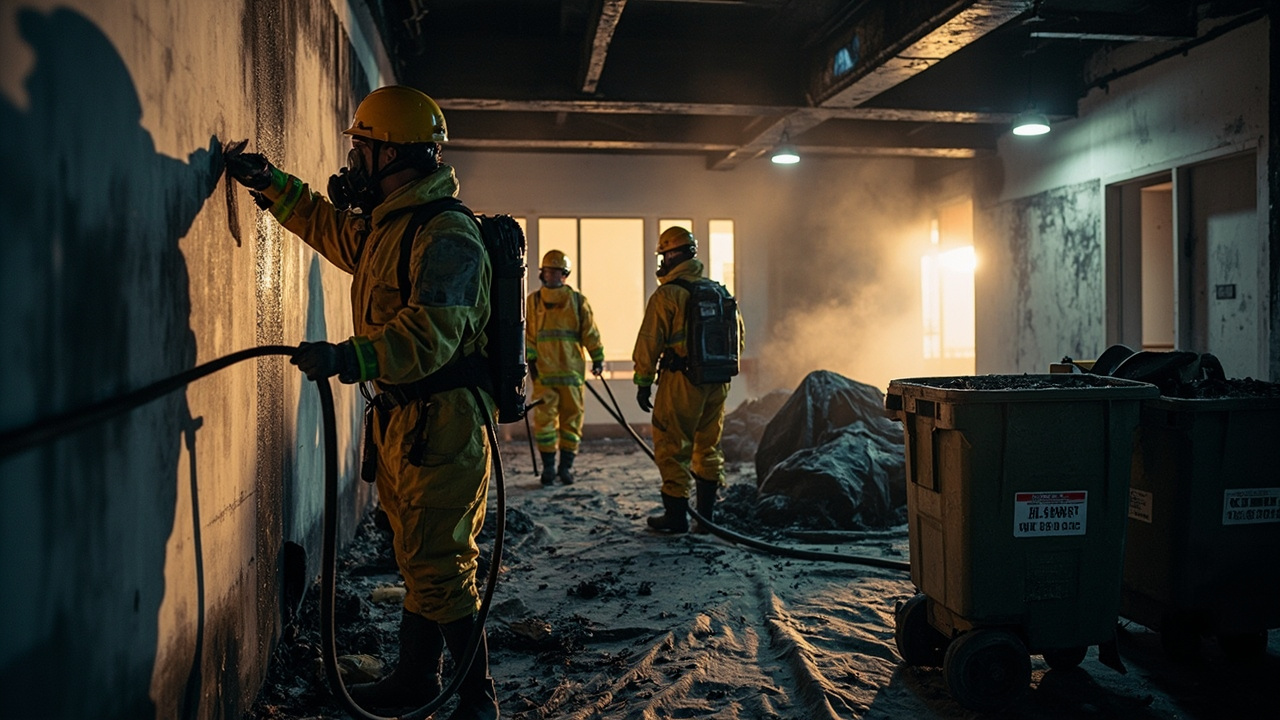
Our industrial fire mitigation process starts with atmospheric control. We establish negative air pressure chambers to prevent cross-contamination during demolition. We seal HVAC systems and install commercial air scrubbers rated for particulate loads exceeding residential capacity by a factor of ten. This is not optional. Philadelphia commercial property insurance policies often require documented containment protocols before they will cover adjacent tenant damages.

We use different cleaning chemistries for different soot types. Protein-based smoke from kitchen fires requires alkaline detergents. Synthetic material fires produce petroleum-based residues that need solvent cleaning. We do not use the same spray bottle on your lobby furniture and your server room equipment. Cross-contamination destroys more inventory than the original fire.

Our business fire cleanup services include contents pack-out with chain-of-custody documentation. When you have a fiduciary duty to clients or shareholders, you cannot have equipment disappearing during restoration. We photograph, inventory, and track every item that leaves your facility. We coordinate with your IT team to prioritize critical systems. We work overnight and weekend shifts to minimize disruption to your operating hours.

The goal is not cosmetic repair. The goal is full operational restoration with documentation that satisfies your insurance carrier, your landlord, and Philadelphia Fire Department code enforcement.

What Happens During Your Commercial Fire Recovery

Commercial Fire & Smoke Cleanup in Philadelphia | Industrial-Grade Response That Keeps Your Business Operating
01

Emergency Site Stabilization

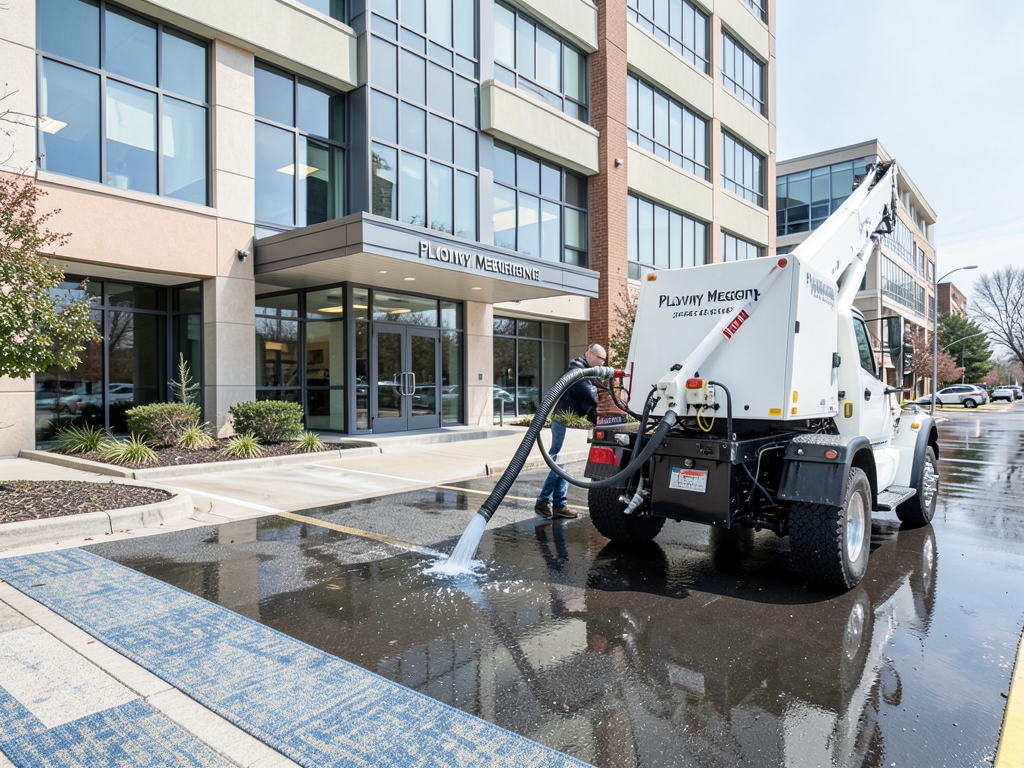
We arrive with commercial-grade generators, lighting, and safety equipment to secure your facility. Our team conducts a structural safety assessment, documents all damage with photo and video evidence, and establishes containment barriers to prevent soot migration. We extract standing water from sprinkler discharge and begin atmospheric control within the first four hours. This immediate stabilization prevents exponential damage growth and starts your insurance claim documentation on solid ground.
02

Contamination Removal and Deep Cleaning

Our technicians use HEPA vacuums to remove loose soot before wet cleaning begins. We apply commercial-grade smoke neutralizers formulated for the specific combustion type in your facility. All surfaces undergo multi-stage cleaning with EPA-registered antimicrobial treatments. We disassemble and clean inside HVAC systems, not just the visible vents. Contents get packed out to our climate-controlled facility for specialized restoration. This phase typically runs 5-14 days depending on facility size and contamination severity.
03

Odor Elimination and Verification

After physical cleaning, we deploy hydroxyl generators and thermal fogging to neutralize embedded odor molecules in walls, subfloors, and ductwork. We conduct air quality testing to verify particulate levels meet OSHA standards for reoccupancy. You receive a detailed completion report with before and after documentation, material disposal records, and air quality certifications. This package gives you everything needed for insurance settlement and lease compliance verification in Philadelphia County.

Why Philadelphia Businesses Choose Reliance for Fire and Smoke Damage Recovery

Commercial fire damage restoration requires more than equipment. It requires understanding how businesses operate and what they cannot afford to lose. We have restored everything from Old City law firms with irreplaceable case files to Kensington manufacturing facilities with just-in-time inventory systems. Every project teaches us how to move faster and smarter on the next one.

Philadelphia's commercial building stock presents unique challenges. Many Center City properties have shared HVAC systems that can spread smoke contamination across multiple tenants. Historic buildings in Society Hill and Rittenhouse have plaster walls that absorb odor differently than modern drywall. Industrial spaces in Port Richmond have ceiling heights and spatial volumes that overwhelm standard remediation equipment. We have seen it all, and we have the equipment inventory to handle it.

We maintain relationships with Philadelphia commercial property insurers and understand their documentation requirements. When your adjuster needs a scope of loss or an emergency services invoice broken down by XACTIMATE line item, we deliver it in the format they need. This eliminates the payment delays that can cripple your cash flow during recovery.

Our team includes specialists in electronics restoration, document recovery, and commercial textile cleaning. We do not send your Herman Miller chairs to a residential upholstery shop. We do not tell you to throw away a $15,000 server because it has soot on it. We bring in the technical experts who can restore what others write off as total loss.

You get a dedicated project manager with authority to make decisions. No phone trees, no waiting for callbacks from corporate, no wondering who is accountable. When we commit to a timeline, we staff the project to hit it. Your business continuity depends on it.

What to Expect When You Call Reliance for Commercial Fire Cleanup

Response Time and Availability

We dispatch commercial crews 24 hours a day, seven days a week, including holidays. For Philadelphia commercial properties, we commit to on-site arrival within two hours of your call. Our trucks carry commercial extraction units, air movers, and containment equipment to begin mitigation immediately. We do not need to go back to the shop for supplies. After initial stabilization, we provide a preliminary scope of work within 24 hours and a detailed restoration plan within 48 hours. You will know the timeline, the cost structure, and the critical path dependencies before we start demolition.

Site Assessment and Loss Documentation

Our initial assessment includes moisture mapping, thermal imaging, and soot contamination testing across your entire facility. We document not just the fire origin point but the full migration pattern of smoke and water. You receive a photo-documented report with floor plans showing affected areas and contamination levels. This documentation becomes the foundation of your insurance claim. We coordinate with your adjuster, your property manager, and your Philadelphia Fire Marshal inspection requirements. If your lease requires third-party verification, we work with your engineer or industrial hygienist to provide the data they need.

Restoration Quality and Standards

We restore to pre-loss condition using IICRC S500 and S520 standards for commercial properties. All cleaning products and antimicrobials carry EPA registration numbers suitable for occupied commercial spaces. We do not cut corners with residential-grade materials in commercial applications. Your flooring, your ceiling tiles, your wall finishes get restored with products rated for commercial traffic and use patterns. We provide material data sheets and air quality certifications that satisfy Philadelphia commercial building code requirements. The goal is a facility you can reoccupy without health concerns or lease violations.

Post-Restoration Support and Documentation

You receive a comprehensive project close-out package including all invoices, material receipts, disposal records, air quality test results, and photographic documentation. This package gives you everything needed for insurance settlement, lease compliance verification, and your own records. If questions arise months later during insurance audits or lease renewals, we maintain project files and can provide supplemental documentation. We also offer guidance on operational changes that can reduce fire risk going forward. Our relationship does not end when the last air scrubber gets picked up.

Frequently Asked Questions

You Have Questions,
We Have Answers

How much does professional smoke remediation cost? +

Professional smoke remediation costs vary based on fire severity, affected square footage, and structural penetration depth. Commercial properties in Philadelphia typically see costs ranging from moderate to significant depending on whether smoke infiltrated HVAC systems, ceilings, or behind walls. Factors include soot type, content restoration needs, deodorization complexity, and required structural cleaning. Older Philadelphia buildings with brick and plaster construction often require specialized techniques that impact pricing. Most commercial policies cover smoke damage when fire-related, but business interruption costs and code upgrades can affect your out-of-pocket exposure. Request detailed scope documentation before work begins.

How do professionals clean smoke damage? +

Professionals follow a systematic protocol starting with damage assessment and air quality testing. Technicians remove loose soot using dry sponges and HEPA vacuums, then apply chemical cleaners specific to surface types. Thermal foggers and ozone generators neutralize embedded odors in porous materials. HVAC systems receive duct cleaning to prevent smoke recirculation. In Philadelphia's older commercial buildings, professionals address smoke penetration through plaster and brick, which requires different techniques than modern drywall. Contents undergo ultrasonic cleaning or specialized restoration. The process includes sealing surfaces with encapsulants to lock residual odors and prevent future off-gassing.

How much does it cost to clean up a burned down house? +

Total fire cleanup costs depend on structural damage extent, salvageability, and demolition needs. A heavily burned commercial building requires debris removal, hazardous material abatement, structural assessment, and often partial or complete reconstruction. Philadelphia properties face additional costs if historical designation requires specific restoration methods or materials. Smoke and water damage from firefighting efforts compound expenses. Insurance coverage typically applies, but depreciation, policy limits, and code upgrade requirements affect final costs. Commercial properties must also consider business interruption losses and temporary relocation expenses. Structural engineers and certified fire restoration contractors provide accurate estimates after thorough assessment.

Who is the alternative to ServPro? +

Multiple certified restoration companies serve Philadelphia's commercial sector with comparable capabilities. When evaluating alternatives, examine response times, commercial project experience, and equipment capacity. Look for IICRC-certified technicians, direct insurance billing capability, and references from similar property types in the Philadelphia metro. Local companies often provide faster response than national franchises and understand Philadelphia building codes and historical property requirements. Verify the company maintains adequate liability coverage, employs trained technicians rather than subcontractors, and offers comprehensive documentation for insurance claims. Request detailed scopes and compare methodologies before selecting a provider.

What does ServPro use to remove smoke smell? +

Professional restoration uses multiple deodorization methods depending on smoke type and penetration depth. Thermal fogging disperses deodorizing agents that bond with smoke molecules at the molecular level. Hydroxyl generators and ozone machines oxidize odor-causing compounds in unoccupied spaces. Technicians apply vapor barriers and encapsulants to seal surfaces after cleaning. HVAC systems receive specialized treatments since ductwork distributes smoke odor throughout buildings. In Philadelphia's humid climate, moisture control prevents odor reactivation. Different smoke types require specific chemical formulations. Protein fires, synthetic material fires, and wood smoke each demand tailored approaches. Professionals combine multiple techniques for complete odor elimination.

Will insurance pay for smoke damage? +

Commercial property insurance typically covers smoke damage when fire-related, including structural cleaning, content restoration, and business interruption losses. Philadelphia business owners should review policy limits, deductibles, and exclusions carefully. Coverage applies to direct fire damage and resulting smoke infiltration, but policies differ on code upgrade requirements and ordinance compliance costs. Prompt documentation and professional damage assessment strengthen claims. Insurers may require multiple estimates or preferred vendor usage. Some policies include actual cash value versus replacement cost provisions that affect payout amounts. Business interruption coverage helps offset revenue losses during restoration, but waiting periods and documentation requirements apply.

What is the 30/30/30 rule for fire? +

The 30-30-30 rule refers to fire survival statistics indicating 30 seconds to recognize a fire, 30 seconds to alert occupants, and 30 seconds to begin evacuation before conditions become life-threatening. This rule emphasizes rapid response importance in commercial settings. Philadelphia commercial properties must maintain clear egress paths, functional alarm systems, and employee training to meet this window. The rule underscores why fire prevention, detection systems, and evacuation planning matter more than cleanup preparation. Commercial property managers should conduct regular drills and maintain detection equipment to ensure occupant safety within this critical timeframe.

Does fire smoke smell ever go away? +

Fire smoke smell persists without professional intervention. Smoke particles penetrate porous materials like drywall, insulation, fabric, and wood, creating lasting odors. Philadelphia's humidity reactivates smoke residue, causing smell to return after seemingly successful cleaning. DIY methods mask odors temporarily but do not eliminate molecular bonding. Professional restoration uses thermal fogging, ozone treatment, and chemical encapsulation to break down smoke compounds permanently. Complete odor removal requires cleaning all affected surfaces, including hidden areas like wall cavities and ductwork. When properly remediated by certified technicians using commercial-grade equipment and techniques, smoke odor can be eliminated permanently.

Can mold grow on smoke-damaged walls? +

Mold growth on smoke-damaged walls occurs when moisture combines with organic residue left by fire. Philadelphia's humid climate accelerates this process, especially after firefighting water exposure. Soot and smoke residue provide nutrients for mold colonization on porous surfaces like drywall and plaster. Protein-based smoke from synthetic materials creates particularly favorable conditions. Mold can develop within 24 to 48 hours after water exposure. Professional fire restoration includes moisture monitoring, antimicrobial treatment, and proper drying to prevent mold growth. Delayed cleanup or inadequate moisture control in Philadelphia's climate often results in secondary mold damage requiring separate remediation.

What is the 80/20 rule house cleaning? +

The 80-20 rule suggests 80 percent of dirt accumulates in 20 percent of spaces, typically high-traffic areas. This principle helps prioritize commercial cleaning efforts for efficiency. In fire restoration context, the concept does not apply. Smoke damage affects entire environments simultaneously through air circulation, requiring comprehensive treatment rather than targeted cleaning. Philadelphia commercial properties cannot apply this residential cleaning shortcut to smoke remediation. Professional fire restoration demands complete treatment of all exposed surfaces, contents, and air handling systems regardless of traffic patterns. Partial smoke cleanup leaves contamination that continues causing odor and health concerns.

How Philadelphia's Commercial Building Density Amplifies Fire Damage Liability

Philadelphia's tightly packed commercial districts create unique fire damage exposure. A kitchen fire in a Market Street restaurant can contaminate the law office above it and the retail space beside it through shared plenum spaces and party walls. Commercial property leases in Philadelphia typically make tenants liable for damage to adjacent spaces if their fire causes it. This means a $20,000 fire in your space can trigger $200,000 in liability if smoke migrates through the building. Professional commercial fire damage restoration with proper containment is not optional. It is liability protection. Our containment protocols and documentation protect you from claims by adjacent tenants and landlords.

Philadelphia commercial restoration work requires coordination with the city's Department of Licenses and Inspections for any structural repairs. We understand the permit requirements and inspection protocols that apply to commercial properties in Philadelphia County. Our team has worked with adjusters from every major commercial property insurer active in the Philadelphia market. We know what documentation they require and how they process large loss claims. This local expertise means fewer delays, fewer disputes, and faster insurance settlements. When you are losing revenue every day your facility stays closed, local knowledge has tangible value.

Water Damage Restoration Services in The Philadelphia Area

View our service area to see how Reliance Water Damage Restoration delivers fast, reliable support across the region. Whether it’s residential basements or commercial spaces, our team is locally based and ready to respond 24/7. We’re committed to being near you when emergencies strike—count on us for prompt, professional care.
(80 words)

Address:
Reliance Water Damage Restoration Philadelphia, 100 N 18th St, Philadelphia, PA, 19103

Additional Services We Offer

Our news updates

Latest Articles & News from The Blogs

Identifying moisture problems in the unique limestone foundations of Swarthmore homes If you own a historic home in Swarthmore you…

Identifying moisture problems in the unique limestone foundations of Swarthmore homes

Identifying moisture problems in the unique limestone foundations of Swarthmore homes If you own a historic home in Swarthmore you…

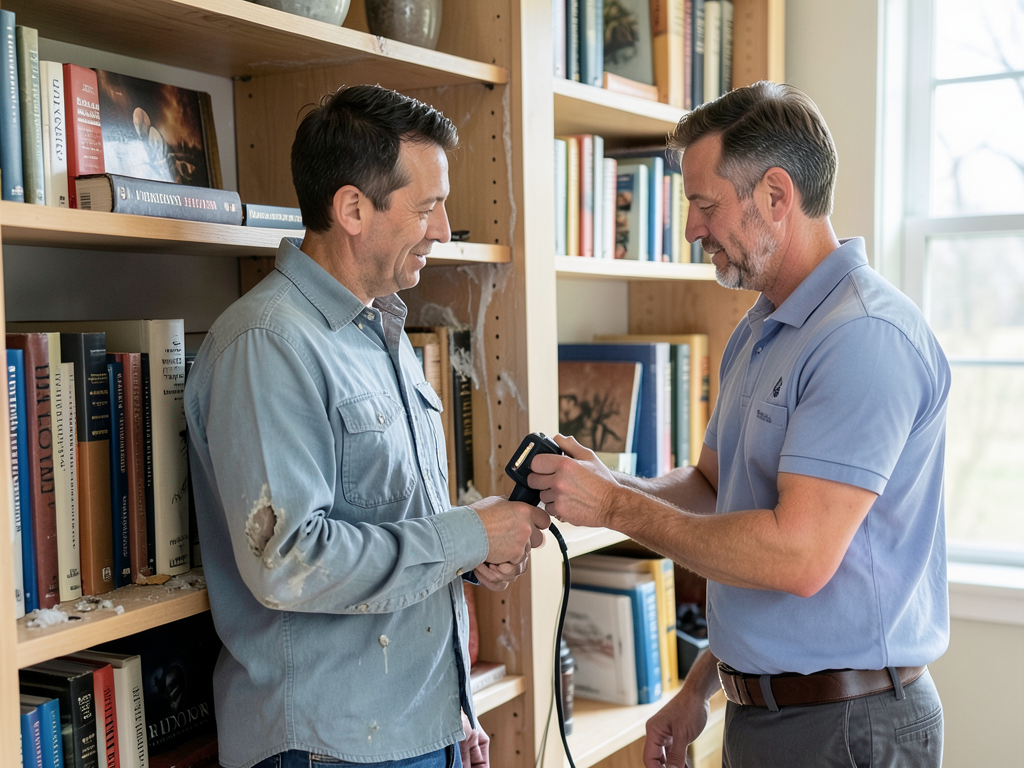
Can your custom built-in bookshelves in Radnor be saved after a pipe burst?

Can Your Custom Built-In Bookshelves in Radnor Be Saved After a Pipe Burst? Water damage to custom built-ins in Radnor…

Solving the mystery of office park leaks in Plymouth Meeting before they ruin the carpet

Solving the mystery of office park leaks in Plymouth Meeting before they ruin the carpet Office park leaks in Plymouth…

Contact Us

Every hour your facility stays closed costs revenue and tests customer patience. Call Reliance Water Damage Restoration Philadelphia at (215) 610-8188 right now. Our commercial fire restoration crews are standing by 24/7 to stabilize your property and start your recovery today.