menu

Flood Cleanup & Extraction in Philadelphia – 24/7 Emergency Response Stops Water Damage Fast

When floodwater invades your property, every minute counts. Our flood cleanup and extraction teams deploy across Philadelphia within 60 minutes to remove standing water, prevent mold growth, and protect your structure from permanent damage.

Slider Image 1
Slider Image 2
Slider Image 3
Slider Image 4
Slider Image 5
Slider Image 7
Slider Image 8
Slider Image 9
Slider Image 10
Slider Image 11

Why Philadelphia Properties Face Serious Flood Risks

Philadelphia sits at the confluence of the Schuylkill and Delaware Rivers, making flood damage a persistent threat. When storms dump inches of rain in hours, the city's aging combined sewer system overflows. Water backs up through basement drains in neighborhoods like Manayunk and East Falls. Properties near Cobbs Creek and Pennypack Creek flood fast when banks overflow.

Floodwater does not just soak your floors. It carries sewage, chemicals, and debris. Within 24 hours, moisture penetrates drywall, insulation, and subflooring. Mold spores activate. Wood begins to warp. The longer water sits, the more extensive the destruction.

Philadelphia's row homes face unique challenges. Shared walls mean water migrates between units. A flood in one basement affects neighbors. Historic properties in Society Hill and Old City have brick foundations that absorb water like sponges. Without immediate water removal services, you face structural instability and toxic mold that threatens health.

Basement flooding happens fast here. Heavy rainfall overwhelms sump pumps. Sewer backups send contaminated water through floor drains. Burst pipes during freeze-thaw cycles dump gallons into finished basements. You need emergency water extraction before damage compounds. Waiting until morning costs thousands more in repairs. Flood damage restoration starts the moment you call, not when it is convenient.

Why Philadelphia Properties Face Serious Flood Risks
How Professional Flood Cleanup Stops Damage Progression

How Professional Flood Cleanup Stops Damage Progression

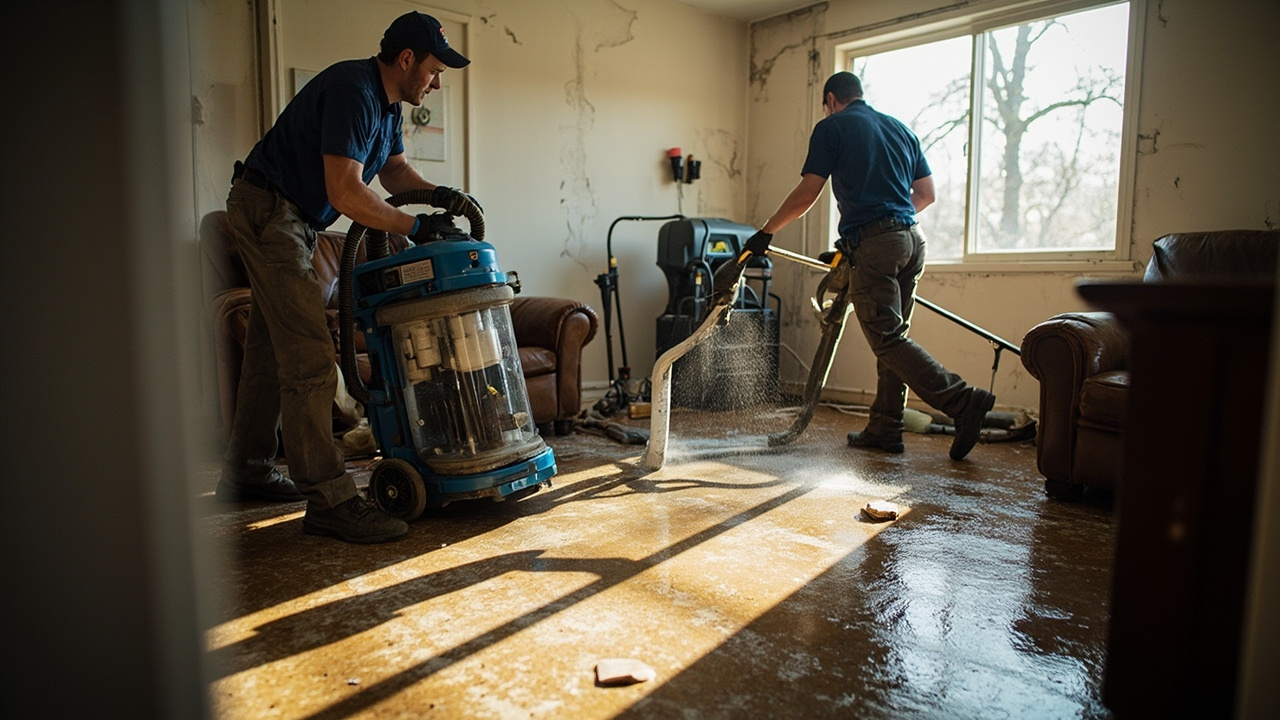
Effective flood cleanup requires industrial extraction equipment, not shop vacuums. We deploy truck-mounted extractors that pull thousands of gallons per hour. Submersible pumps handle deep standing water. Weighted wands extract water embedded in carpet padding and subflooring.

Water mitigation services begin with damage assessment. We use moisture meters to map saturation levels in walls, floors, and ceilings. Thermal imaging cameras detect hidden water pockets behind baseboards and inside wall cavities. This data determines equipment placement and drying strategy.

After extraction, structural drying prevents secondary damage. Commercial air movers create rapid airflow across wet surfaces. Low-grain refrigerant dehumidifiers pull moisture from the air faster than conventional models. We monitor humidity levels and adjust equipment daily until materials reach industry-standard dry goals.

Contaminated floodwater requires antimicrobial treatment. Category 3 water contains sewage, bacteria, and pathogens. We apply EPA-registered disinfectants to all affected surfaces. Porous materials like drywall and insulation often require removal. Non-porous surfaces get scrubbed and treated.

Documentation matters for insurance claims. We photograph damage before starting work. Moisture readings get logged daily. Equipment logs show drying progress. You receive a complete report proving proper water damage cleanup protocol. Insurance adjusters want this documentation to approve claims quickly.

Reliance Water Damage Restoration Philadelphia uses IICRC-certified techniques for every flood cleanup job. We follow S500 Water Damage Restoration standards and S520 Mold Remediation guidelines. This ensures your property dries correctly and safely.

What Happens During Emergency Flood Extraction

Flood Cleanup & Extraction in Philadelphia – 24/7 Emergency Response Stops Water Damage Fast
01

Rapid Water Removal

Our crew arrives with truck-mounted extractors and submersible pumps. We remove standing water first, pulling thousands of gallons from basements, crawl spaces, and ground floors. Speed matters here. The faster we extract, the less water penetrates structural materials. We clear floodwater completely before starting the drying phase, preventing further absorption into walls and subflooring.
02

Moisture Detection and Mapping

After extraction, we use moisture meters and thermal cameras to find hidden water. Flood damage spreads behind baseboards, inside wall cavities, and under flooring. We document saturation levels throughout your property. This mapping guides equipment placement and identifies materials that need removal. Without this step, hidden moisture causes mold and rot weeks later, even if surfaces look dry.
03

Structural Drying and Monitoring

We position commercial dehumidifiers and air movers based on moisture readings. Equipment runs continuously, pulling humidity from the air and forcing moisture out of materials. We check moisture levels daily and adjust equipment as needed. Drying takes three to five days for most flood scenarios. You get a completion report showing your property reached safe moisture levels, which insurance companies require for claim closure.

Why Philadelphia Property Owners Choose Local Flood Experts

Philadelphia floods differently than other cities. Our combined sewer system backs up during heavy rain. Basement drains become entry points for contaminated water. National franchise crews from other states do not understand this local infrastructure issue. We respond to these backups daily and know exactly how to handle Category 3 contamination.

Historic properties require specialized care. If you own a row home in Queen Village or Graduate Hospital, you know these buildings were not designed with modern waterproofing. Stone foundations absorb water. Plaster walls crumble when wet. We have restored hundreds of historic Philadelphia properties. We know which materials can be saved and which must be replaced to meet current building codes.

Response time determines damage severity. When you call at 2 AM because your basement is flooding, you need a crew that deploys from Philadelphia, not from a regional hub 50 miles away. We station teams throughout the city. Our average response time is under 60 minutes for emergency water extraction calls in Center City, South Philadelphia, and surrounding neighborhoods.

Insurance claims move faster with proper documentation. Philadelphia adjusters expect IICRC-certified restoration companies to follow strict protocols. We provide the moisture readings, equipment logs, and photo documentation that get claims approved quickly. Many property owners hire us specifically because we handle the insurance paperwork correctly the first time.

Reliance Water Damage Restoration Philadelphia has cleaned up flood damage in every neighborhood from Fishtown to Roxborough. We know the soil conditions, the building types, and the flooding patterns. That local knowledge means faster, more effective restoration.

What You Get With Professional Flood Cleanup Services

Emergency Response Availability

Floodwater does not wait for business hours. We dispatch crews 24 hours a day, seven days a week, including holidays. When you call our emergency line, you reach a live person who can send a team immediately. Our trucks are loaded and ready. For most Philadelphia locations, we arrive within 60 minutes of your call. That rapid response prevents thousands in additional damage. Water spreads fast, soaking more materials every hour. Our goal is simple: stop the damage progression before it gets worse. You get immediate action, not a callback the next morning.

Thorough Damage Assessment

Before we start extraction, we walk through your property and document every affected area. Moisture meters measure saturation levels in floors, walls, and ceilings. Thermal imaging cameras reveal hidden water behind surfaces. We classify the water category to determine safety protocols. This assessment creates a restoration plan tailored to your specific damage. You know exactly what needs drying, what needs removal, and what can be saved. Insurance companies require this documentation, and we provide it in a format adjusters expect. No guessing. No surprises. Just clear information about the scope of work required to restore your property correctly.

Complete Structural Drying

We do not leave your property until moisture levels reach industry-standard dry goals. That takes more than running a few fans. Our commercial dehumidifiers and air movers run continuously, monitored and adjusted daily based on new moisture readings. We dry the structure, not just the surface. Subflooring, wall cavities, and insulation all get checked. When we finish, you receive a completion report with final moisture readings that prove your property is safe and dry. This documentation protects you from future mold claims and satisfies insurance requirements. Proper drying takes time, typically three to five days, depending on saturation levels and materials affected.

Post-Cleanup Support and Monitoring

Flood cleanup does not end when equipment gets removed. We provide guidance on preventing future flooding and recommend repairs to address underlying issues like failed sump pumps or inadequate drainage. If you need reconstruction after we complete drying, we coordinate with trusted local contractors. Some situations require follow-up moisture checks to confirm materials remain dry. We return for these checks at no additional charge. Your property file stays active in our system. If you have questions weeks later about lingering odors or suspect moisture issues, you call the same team that handled your original cleanup. That continuity matters, especially when dealing with insurance claims that extend for months.

Frequently Asked Questions

You Have Questions,
We Have Answers

How much does it cost to clean up a flooded basement? +

Flooded basement cleanup in Philadelphia typically ranges from $1,000 to $10,000, depending on water volume, contamination level, and structural damage. Clean water extraction costs less than sewage backups, which require specialized disinfection. Philadelphia row homes often face higher costs due to limited access and shared walls that trap moisture. Factors include square footage, affected materials (drywall, flooring, furnishings), and mold remediation needs. Insurance may cover sudden incidents like pipe bursts but often excludes gradual seepage or sewer backups without additional coverage. Get multiple estimates from local certified restorers who understand Philadelphia's aging infrastructure and basement configurations.

How much does disaster cleanup cost? +

Disaster cleanup costs in Philadelphia vary widely based on damage type and severity. Water damage extraction starts around $1,500 for minor flooding but escalates to $30,000-plus for extensive structural repairs. Fire damage remediation ranges from $3,000 to $50,000 depending on smoke penetration and reconstruction needs. Storm damage cleanup averages $2,500 to $15,000. Philadelphia's older housing stock often increases costs due to plaster walls, hardwood floors, and knot-and-tube wiring complications. Contaminated water (sewage, floodwater) adds biohazard fees. Most certified restorers offer free inspections and work directly with insurance adjusters to document losses and streamline claims for Philadelphia homeowners.

Does flood insurance pay for clean up? +

Flood insurance through the National Flood Insurance Program covers structural cleanup and repairs but excludes contents in basements. For Philadelphia properties, this means NFIP pays for drying, sanitizing, and repairing basement walls, floors, and mechanicals like furnaces and water heaters. However, personal belongings, finished living spaces, and improvements below the lowest elevated floor receive limited coverage. Supplemental contents coverage may help. Standard homeowners policies exclude flooding entirely. Philadelphia sits near the Schuylkill and Delaware Rivers, making flood insurance critical for properties in FEMA-designated zones. Review your policy's specific coverage limits and exclusions before filing a claim.

What's the best way to clean up after a flood? +

Stop the water source immediately, then prioritize safety by shutting off electricity to affected areas. Document everything with photos and video for insurance claims. Remove standing water using pumps or wet vacuums, then extract moisture from walls, floors, and belongings with industrial dehumidifiers and air movers. Philadelphia's high humidity slows natural drying, making mechanical drying essential. Discard porous materials exposed to contaminated water, including drywall, insulation, and carpeting. Disinfect all surfaces with antimicrobial treatments to prevent mold, which thrives in Philadelphia's damp climate. Hire certified water damage professionals who use moisture meters and thermal imaging to locate hidden water in row home shared walls.

Will homeowners insurance cover a flooded basement? +

Homeowners insurance covers sudden, accidental water events like burst pipes, appliance malfunctions, or roof leaks from storm damage. Most Philadelphia policies exclude flooding from external sources, groundwater seepage, sewer backups, and gradual leaks. If your basement floods from a failed sump pump during a storm, coverage depends on the water source. Interior pipe bursts usually qualify. Rising groundwater or municipal sewer overflows require separate flood insurance or sewer backup endorsements. Philadelphia's aging clay sewer lines increase backup risk. Review your policy's water damage exclusions carefully. Adding optional endorsements for around $50 annually can prevent costly gaps in coverage.

How long does it take to dry out a basement after a flood? +

Philadelphia basements typically need 3 to 7 days for proper drying using commercial equipment. Timeframes depend on water volume, humidity levels, airflow, and affected materials. Concrete absorbs moisture slowly, while finished drywall and carpeting hold significant water. Philadelphia's humid summers extend drying times without adequate dehumidification. Row homes with limited ventilation and shared walls require longer drying periods. Professionals use moisture meters to track progress, ensuring readings drop below 15 percent before rebuilding. Rushing the process invites mold growth within 24 to 48 hours. Severe flooding affecting structural elements may require 2 to 3 weeks for complete moisture removal.

What is the most expensive part of finishing a basement? +

Waterproofing and moisture control represent the costliest basement finishing expense in Philadelphia, often $5,000 to $15,000. Philadelphia's high water table, clay soil, and aging foundation walls make basements prone to seepage and hydrostatic pressure. Proper waterproofing includes interior drainage systems, sump pumps, exterior excavation, and vapor barriers. Skipping this step invites recurring water damage that destroys finished spaces. Beyond waterproofing, HVAC extensions, electrical upgrades, and egress windows for code compliance add significant costs. Framing, drywall, and flooring follow. Always address moisture issues before finishing. Philadelphia's building codes require permits for habitable basement spaces, adding inspection fees.

Does insurance pay for storm clean up? +

Homeowners insurance typically covers storm cleanup costs if wind, hail, or falling trees cause structural damage to your Philadelphia property. This includes debris removal, tarp installation, and repairs to roofs, siding, or windows. However, flooding from storm surge or heavy rain requires separate flood insurance. Philadelphia experiences nor'easters and tropical systems that bring wind and water. If a tree falls on your roof during a storm, insurance covers removal and repairs. Preventative tree trimming before storms is excluded. Deductibles apply, often 1 to 2 percent of dwelling coverage for wind and hail claims. Review your policy's storm-related coverage and exclusions.

How much does it cost to remove moisture from a basement? +

Basement moisture removal in Philadelphia costs $1,200 to $4,500 for professional water extraction and drying services. This includes water removal, industrial dehumidifiers, air movers, antimicrobial treatments, and moisture monitoring. Costs increase with contamination levels, square footage, and concealed moisture in walls or flooring. Philadelphia's older homes often have stone or rubble foundations that absorb significant water, requiring extended drying. Severe cases needing mold remediation, structural drying, or materials removal cost more. Long-term solutions like sump pump installation or interior drain systems add $2,000 to $10,000 but prevent recurring issues. Get multiple estimates from IICRC-certified professionals familiar with Philadelphia's basement challenges.

What does FEMA cover in a basement? +

FEMA's National Flood Insurance Program provides limited basement coverage. It covers structural elements like foundation walls, stairs, and support beams, plus essential equipment such as furnaces, water heaters, sump pumps, and electrical panels. FEMA excludes finished living spaces, personal belongings, furniture, and appliances stored in basements. Cleanup and repair costs for covered structural items are reimbursed. For Philadelphia homeowners, this means FEMA pays to dry and sanitize your basement structure but not to replace that finished rec room or stored furniture. Contents coverage for above-ground floors requires separate purchase. Review your flood policy declarations page to understand specific coverage limits before filing a claim.

How Philadelphia's Aging Infrastructure Creates Flood Emergencies

Philadelphia operates a combined sewer system that handles both sewage and stormwater in the same pipes. When heavy rain overwhelms capacity, the system backs up. Water exits through basement floor drains, bringing sewage with it. Neighborhoods in lower-lying areas like Eastwick and Southwest Philadelphia experience this regularly. The Philadelphia Water Department works on upgrades, but the infrastructure remains vulnerable. This means flood damage restoration here often involves contaminated water requiring specialized antimicrobial treatment. Understanding this local challenge is critical. Generic water removal services do not address the contamination risks that come with combined sewer backups.

Choosing a local Philadelphia flood cleanup company means working with technicians who understand these infrastructure issues. We know which neighborhoods flood first during storms. We know the building types and common weak points. When you call a national chain, you get a crew that follows a manual. When you call Reliance Water Damage Restoration Philadelphia, you get a team that has restored hundreds of properties across every Philadelphia neighborhood. We work with local insurance adjusters who expect documentation formatted to their standards. That familiarity speeds up claims and gets you back to normal faster. Local expertise matters when your property is underwater.

Water Damage Restoration Services in The Philadelphia Area

View our service area to see how Reliance Water Damage Restoration delivers fast, reliable support across the region. Whether it’s residential basements or commercial spaces, our team is locally based and ready to respond 24/7. We’re committed to being near you when emergencies strike—count on us for prompt, professional care.
(80 words)

Address:
Reliance Water Damage Restoration Philadelphia, 100 N 18th St, Philadelphia, PA, 19103

Additional Services We Offer

Our news updates

Latest Articles & News from The Blogs

Identifying moisture problems in the unique limestone foundations of Swarthmore homes If you own a historic home in Swarthmore you…

Identifying moisture problems in the unique limestone foundations of Swarthmore homes

Identifying moisture problems in the unique limestone foundations of Swarthmore homes If you own a historic home in Swarthmore you…

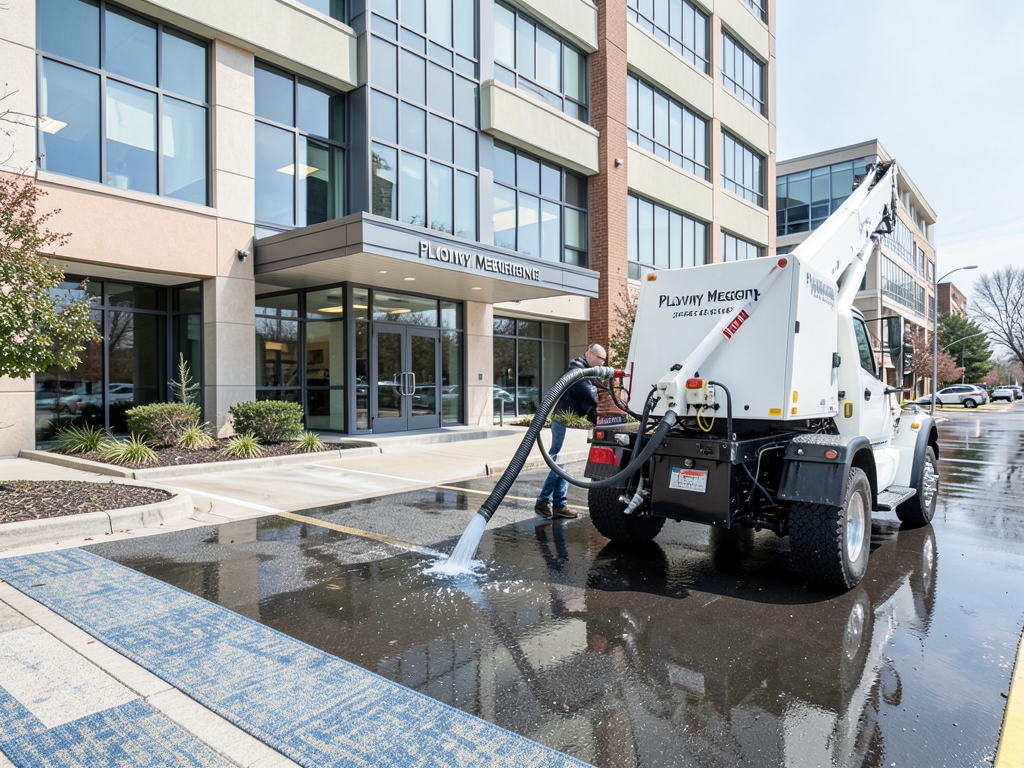
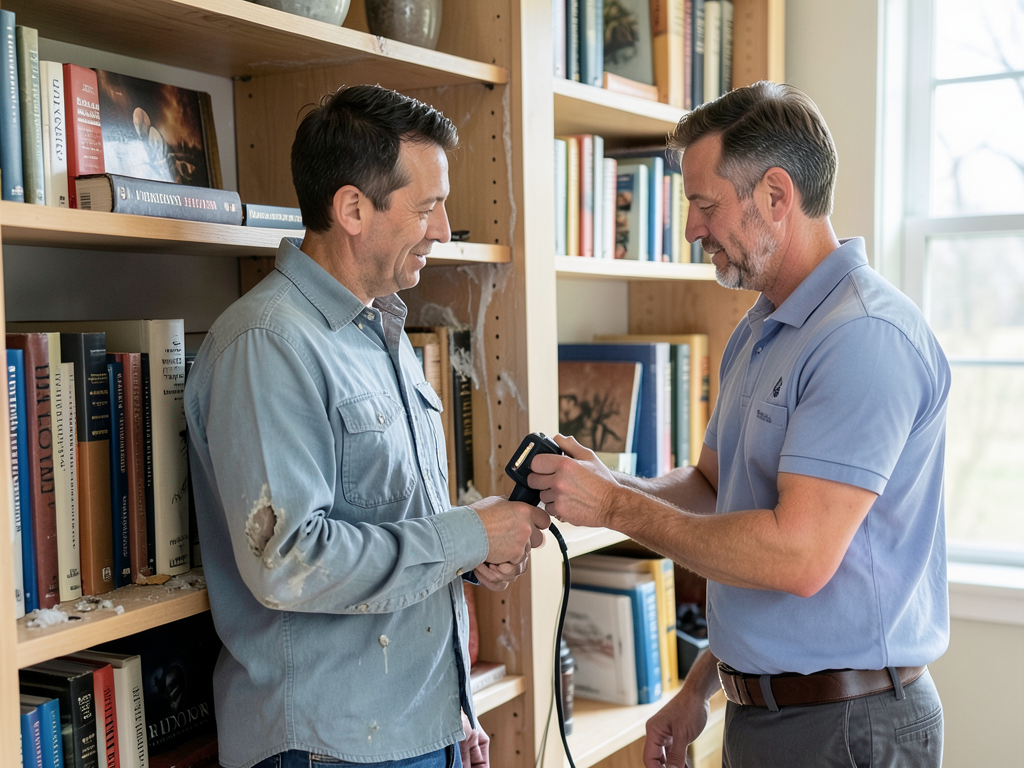
Can your custom built-in bookshelves in Radnor be saved after a pipe burst?

Can Your Custom Built-In Bookshelves in Radnor Be Saved After a Pipe Burst? Water damage to custom built-ins in Radnor…

Solving the mystery of office park leaks in Plymouth Meeting before they ruin the carpet

Solving the mystery of office park leaks in Plymouth Meeting before they ruin the carpet Office park leaks in Plymouth…

Contact Us

Floodwater damages your property more every hour. Stop the destruction now. Call Reliance Water Damage Restoration Philadelphia at (215) 610-8188. Our emergency crews deploy immediately, day or night. Get professional water extraction and structural drying that prevents permanent damage and protects your investment.