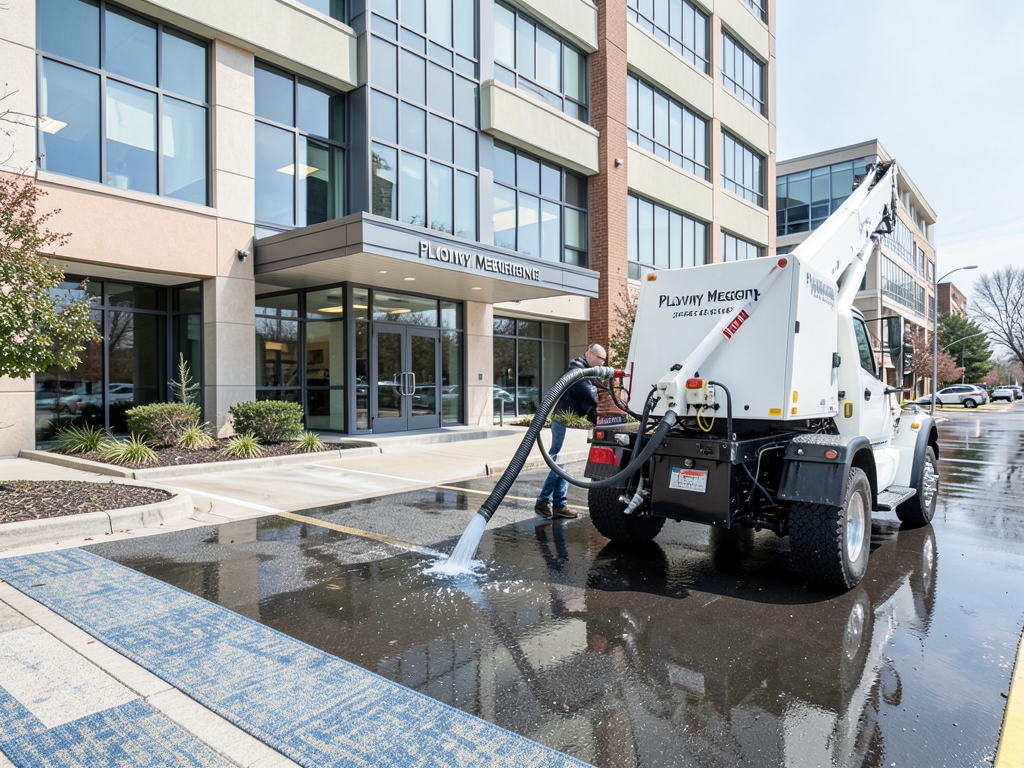
Philadelphia operates a combined sewer system serving 60 percent of the city, where stormwater and sewage flow through the same pipes. During heavy rain events exceeding one inch per hour, these systems overwhelm treatment capacity and back up into commercial basements through floor drains and toilet fixtures. Properties in Manayunk, East Falls, and South Philadelphia face the highest risk when Cobbs Creek and Wissahickon Creek flood during spring storms. This creates category 3 contaminated water requiring industrial water extraction beyond simple pumping. Facilities must coordinate with the Philadelphia Water Department for backflow valve inspections and discharge permits when extraction volumes exceed 10,000 gallons into storm systems already at capacity.
Commercial properties across Philadelphia face unique code requirements during water damage restoration. The Department of Licenses and Inspections requires commercial use permits before facilities can reopen after flooding events. This means extraction and drying must meet IICRC S500 standards with third-party verification for properties in special flood hazard zones. Buildings in the historic overlay districts require additional permits when water damage affects original masonry or wood structural members. Reliance Water Damage Restoration Philadelphia maintains direct relationships with L&I inspectors and understands the documentation requirements that prevent costly reopening delays after bulk water removal services complete.