menu

Water Damage Restoration in Philadelphia – Comprehensive 24/7 Emergency Response and Certified Mitigation Services

From basement floods to burst pipes, water damage restoration in Philadelphia demands rapid deployment, advanced moisture detection, and structural drying expertise to protect your property investment and prevent mold colonization in our humid Mid-Atlantic climate.

Slider Image 1
Slider Image 2
Slider Image 3
Slider Image 4
Slider Image 5
Slider Image 7
Slider Image 8
Slider Image 9
Slider Image 10
Slider Image 11

Why Philadelphia Properties Face Unique Water Damage Risks

Philadelphia's position along the Delaware River and Schuylkill River creates a microclimate where water intrusion happens fast and spreads faster. The city's aging infrastructure compounds the problem. Row homes in Fishtown and South Philly share common walls, so a single pipe burst can cascade through multiple units before you notice the damage.

The freeze-thaw cycle here is brutal. January temperatures drop below freezing, then spike into the 40s the next week. This expansion and contraction splits pipes in crawlspaces and attics. Summer humidity hovers near 70 percent, which means standing water turns into active mold growth within 48 hours.

Water damage remediation in Philadelphia is not optional when you discover wet drywall or pooling in your basement. The longer moisture sits, the deeper it penetrates subflooring and wall cavities. Water damage cleanup requires professional extraction equipment and industrial dehumidifiers to pull moisture from structural materials, not just visible surfaces.

Many Philadelphia properties sit on clay-rich soil that shifts with seasonal moisture. This movement cracks foundations and creates pathways for groundwater seepage. Historic districts like Old City and Society Hill feature stone foundations built before modern waterproofing standards existed. Water damage mitigation in these structures requires specialized knowledge of masonry restoration and drainage correction.

The risk is real. Delayed water removal services lead to rotted floor joists, ruined electrical systems, and insurance disputes over whether the damage qualifies as flood or sudden pipe failure. You need a response team that understands Philadelphia's building stock and moves fast.

Why Philadelphia Properties Face Unique Water Damage Risks
Our Science-Driven Water Damage Repair Methodology

Our Science-Driven Water Damage Repair Methodology

Water damage restoration is not about pointing fans at wet carpet. It is about measuring moisture content in structural materials and tracking drying progress with calibrated hygrometers. We deploy thermal imaging cameras to map hidden water migration behind walls and under flooring. This technology reveals saturation invisible to the naked eye.

Our extraction process uses truck-mounted pumps capable of removing thousands of gallons per hour. Portable extractors handle confined spaces like crawlspaces and closets. We do not stop at surface water. Subfloor drying systems pull moisture from hardwood and engineered lumber using negative air pressure and targeted airflow.

Drying is a controlled process. We establish drying chambers using plastic sheeting to concentrate dehumidification power. Low-grain refrigerant dehumidifiers pull moisture from the air while axial fans create circulation patterns that accelerate evaporation. We log moisture readings twice daily and adjust equipment placement based on data, not guesswork.

Antimicrobial application follows extraction. We treat affected surfaces with EPA-registered solutions that prevent microbial amplification during the drying phase. This step is critical in Philadelphia's humid environment where mold spores are always present and waiting for moisture.

Water damage remediation includes restoring building materials to pre-loss condition. We remove unsalvageable drywall, insulation, and flooring. We document every step for your insurance adjuster with photographic evidence and moisture logs. Our restoration crews handle reconstruction so you work with one team from water removal through final paint.

Reliance Water Damage Restoration Philadelphia coordinates directly with your insurance carrier. We know the documentation requirements for Philadelphia-based insurers and provide detailed estimates that meet their formatting standards. This reduces claim processing time and gets you paid faster.

What Happens When You Call for Emergency Water Extraction

Water Damage Restoration in Philadelphia – Comprehensive 24/7 Emergency Response and Certified Mitigation Services
01

Immediate Damage Assessment

Our response team arrives within 60 minutes for Philadelphia emergency calls. We perform a category classification to identify contamination level, then use moisture meters and infrared cameras to map affected areas. You receive a verbal scope of work before equipment deployment. We document preexisting conditions and water source location for insurance purposes. This initial assessment determines equipment needs and drying strategy.
02

Water Extraction and Containment

Truck-mounted extractors remove standing water while our crew establishes containment barriers to prevent cross-contamination into unaffected areas. We pull baseboards to access wall cavities and drill weep holes in trapped areas. Salvageable contents get moved to dry areas or climate-controlled storage. Antimicrobial treatment begins immediately on all wetted surfaces. We place air movers and dehumidifiers based on psychrometric calculations specific to your structure's cubic footage and moisture load.
03

Monitored Structural Drying

Drying takes three to five days depending on saturation depth and building materials. We visit daily to log moisture readings and adjust equipment. When materials reach equilibrium moisture content, we remove equipment and begin reconstruction. You receive a completion certificate with final moisture readings for your insurance file. Our restoration division handles drywall replacement, flooring installation, and paint to return your property to pre-loss condition without coordinating multiple contractors.

Why Philadelphia Property Owners Choose Reliance for Water Damage Mitigation

Philadelphia's building codes require specific approaches to water damage restoration that out-of-town franchises miss. We understand the L&I permitting process for structural repairs and know which restoration work triggers permit requirements. Our crews work regularly in historic districts where Architectural Review Board approval is mandatory before exterior work begins.

We maintain relationships with local plumbers and electricians who respond fast when water damage reveals underlying system failures. A burst supply line requires both water extraction and plumbing repair. We coordinate trades so your property gets secured quickly without you managing multiple vendors.

Insurance experience matters. Philadelphia properties often carry policies through regional carriers like Penn National or Erie Insurance. We know their preferred documentation formats and work directly with local adjusters who handle claims in neighborhoods from Manayunk to Chestnut Hill. This local knowledge accelerates claim approval and reduces your out-of-pocket exposure.

Our equipment inventory stays in Philadelphia, not three states away. We stock commercial-grade dehumidifiers, thermal imaging cameras, and negative air machines in our local facility. When you call at 3 AM because your basement flooded, we arrive with the equipment needed for immediate mitigation, not a promise to ship gear from a regional hub.

Reliance Water Damage Restoration Philadelphia employs IICRC-certified technicians trained in water damage restoration protocols. We follow industry standards for structural drying and microbial remediation. Our team understands the difference between category one clean water and category three contaminated water, which determines sanitization requirements and disposal procedures.

We serve both residential and commercial clients. A flooded apartment in University City gets the same rapid response as a burst sprinkler head in a Center City office building. Our capacity scales to your emergency.

What to Expect During Water Damage Restoration in Philadelphia

Emergency Response Time

We dispatch crews 24 hours a day, seven days a week. Philadelphia emergency calls receive response within 60 minutes. Our team arrives with extraction equipment, moisture detection tools, and containment materials loaded. You get an immediate verbal assessment and equipment deployment begins while water is still spreading. We do not schedule appointments for active water intrusion. We respond now. Night calls and weekend emergencies receive identical priority to weekday requests. Water does not wait for business hours, and neither do we.

Detailed Moisture Mapping

Our initial assessment includes thermal imaging and moisture meter readings across all suspected areas. We check adjacent rooms and floors below the water source because water follows gravity and finds every crack. You receive a moisture map showing affected zones color-coded by saturation level. This documentation supports your insurance claim and guides our drying strategy. We explain what materials need removal versus what can be dried in place. No surprises. You know the full scope before demolition starts.

Certified Dry Standards

We do not remove equipment based on timelines. We remove equipment when moisture meters confirm structural materials have reached equilibrium moisture content for your building type. Wood framing in Philadelphia homes should read 12 to 15 percent. Concrete should read below two percent on a calcium carbide test. You receive documentation showing initial readings, daily progress logs, and final dry certification. This proof protects you if mold appears later and someone questions whether drying was complete.

Post-Restoration Monitoring

We return 30 days after completion to verify no moisture reappeared in treated areas. This follow-up visit includes moisture testing and visual inspection for any signs of recurring problems. If we discover elevated readings, we investigate the source and address it immediately. You also receive guidance on preventing future water damage specific to your property type. Sump pump maintenance for basement-level units. Gutter cleaning schedules for row homes. Seasonal pipe insulation for properties with exposed plumbing. Practical advice, not sales pitches.

Frequently Asked Questions

You Have Questions,
We Have Answers

How much will it cost to repair water damage? +

Water damage repair costs vary based on damage severity, affected square footage, and contamination level. Minor leaks affecting drywall may run lower, while flooded basements with structural damage cost more. In Philadelphia, older rowhomes with plaster walls and basement moisture issues often require specialized treatment. Category 3 water damage involving sewage costs more due to biohazard protocols. Insurance typically covers sudden incidents like burst pipes but not gradual leaks from deferred maintenance. Most companies offer free inspections to assess scope and provide accurate estimates. Expect detailed breakdowns covering extraction, drying equipment, antimicrobial treatment, and reconstruction.

What does water damage restoration include? +

Water damage restoration includes water extraction using industrial pumps and vacuums, structural drying with dehumidifiers and air movers, moisture mapping with infrared cameras and meters, antimicrobial treatment to prevent mold growth, content pack-out and cleaning if needed, debris removal, and reconstruction of damaged materials like drywall and flooring. Philadelphia homes built with older plaster and lath construction require careful handling during repairs. Technicians document moisture levels throughout the process, coordinate with your insurance adjuster, and test for complete dryness before rebuilding. The goal is returning your property to pre-loss condition while preventing secondary damage like mold or structural weakening.

Can water damage be repaired? +

Yes, water damage can be repaired if addressed quickly. Speed matters because standing water and high humidity cause progressive deterioration. Within 24 to 48 hours, mold spores begin colonizing damp surfaces. Philadelphia's humid summers accelerate this timeline. Professional restoration involves extracting water, drying the structure completely using commercial equipment, treating affected areas with antimicrobials, and replacing unsalvageable materials. Minor damage like surface water on hardwood may only need drying and sanding. Severe flooding affecting wall cavities and insulation requires demolition and reconstruction. The key is thorough drying. Hidden moisture in wall cavities or subflooring leads to rot and mold.

Is water damage restoration worth it? +

Yes, water damage restoration is worth it because unaddressed water damage causes exponential problems. Initial water intrusion seems manageable, but moisture wicks through porous materials like drywall, insulation, and wood framing. Within days, mold growth begins, compromising indoor air quality and triggering health issues. In Philadelphia rowhomes, shared walls mean your water problem can migrate to neighbors, creating liability. Structural wood rot weakens floor joists and studs, risking collapse. Professional restoration stops damage progression, documents losses for insurance claims, and prevents long-term issues that cost far more than immediate intervention. Restoration protects your property investment and occupant health.

How Philadelphia's Aging Infrastructure Accelerates Water Damage Risk

Philadelphia's water mains average 76 years old. The oldest sections date to the 1880s. This aging infrastructure creates frequent main breaks that flood basements across neighborhoods like Point Breeze and Grays Ferry. Row homes share common walls, so a single water intrusion event can saturate multiple properties simultaneously. The city's combined sewer system overflows during heavy rain, sending contaminated water into lower-level spaces. Water damage cleanup in these situations requires category three protocols due to sewage contamination. You need a restoration team familiar with Philadelphia's infrastructure challenges and contamination risks.

Local building inspectors expect specific documentation for water damage restoration work in Philadelphia. L&I requires permits for structural repairs exceeding minor patching. Historic district properties need additional approvals before exterior restoration begins. We maintain working relationships with local inspectors and understand submission requirements. This familiarity prevents permit delays that extend your displacement time. Philadelphia property owners benefit from working with restoration contractors who know local codes and speak the same language as city officials. We handle the paperwork so you can focus on getting back to normal.

Water Damage Restoration Services in The Philadelphia Area

View our service area to see how Reliance Water Damage Restoration delivers fast, reliable support across the region. Whether it’s residential basements or commercial spaces, our team is locally based and ready to respond 24/7. We’re committed to being near you when emergencies strike—count on us for prompt, professional care.
(80 words)

Address:
Reliance Water Damage Restoration Philadelphia, 100 N 18th St, Philadelphia, PA, 19103

Additional Services We Offer

Our news updates

Latest Articles & News from The Blogs

Identifying moisture problems in the unique limestone foundations of Swarthmore homes If you own a historic home in Swarthmore you…

Identifying moisture problems in the unique limestone foundations of Swarthmore homes

Identifying moisture problems in the unique limestone foundations of Swarthmore homes If you own a historic home in Swarthmore you…

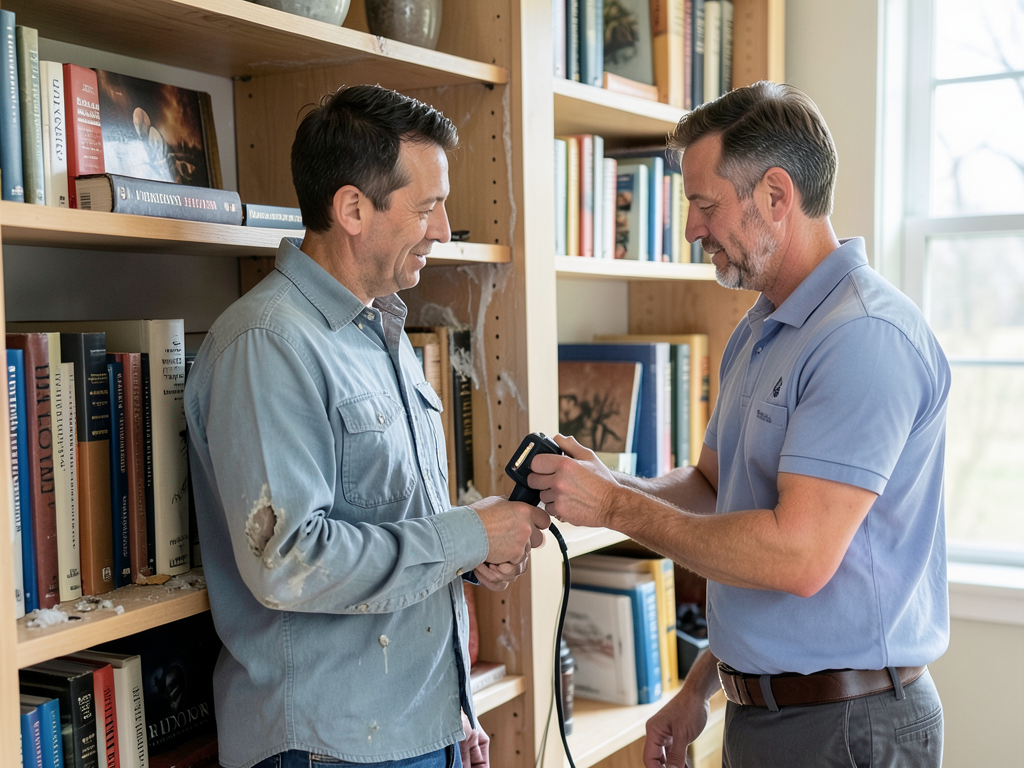
Can your custom built-in bookshelves in Radnor be saved after a pipe burst?

Can Your Custom Built-In Bookshelves in Radnor Be Saved After a Pipe Burst? Water damage to custom built-ins in Radnor…

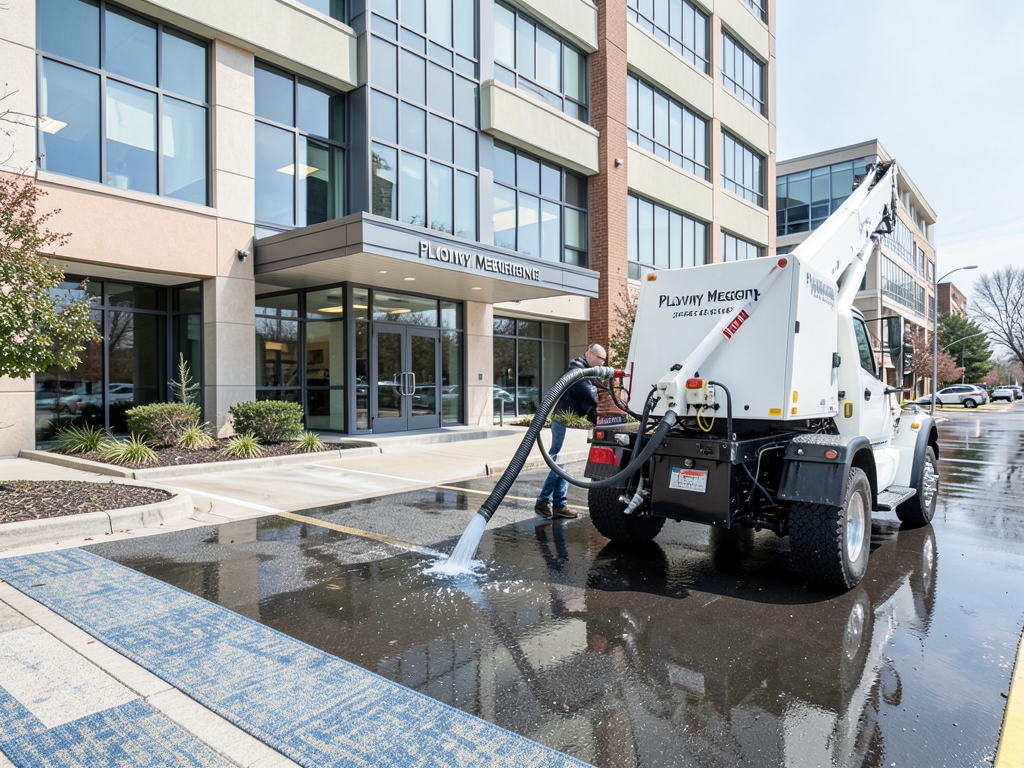
Solving the mystery of office park leaks in Plymouth Meeting before they ruin the carpet

Solving the mystery of office park leaks in Plymouth Meeting before they ruin the carpet Office park leaks in Plymouth…

Contact Us

Water spreads every minute you wait. Call (215) 610-8188 now for emergency water extraction and structural drying. Our crews deploy immediately with professional equipment and insurance documentation expertise. Stop the damage before it becomes a total loss.