menu

Water Mitigation vs Restoration in Philadelphia – Understanding the Difference Saves You Thousands

Learn why knowing the difference between water mitigation and restoration protects your Philadelphia property from costly mistakes, insurance claim denials, and prolonged damage after flooding or pipe bursts.

Slider Image 1
Slider Image 2
Slider Image 3
Slider Image 4
Slider Image 5
Slider Image 7
Slider Image 8
Slider Image 9
Slider Image 10
Slider Image 11

Why Philadelphia Property Owners Confuse Water Mitigation and Restoration

When your basement floods after a Nor'easter or a pipe bursts during a February freeze, you hear two terms: mitigation and restoration. Most Philadelphia homeowners and business owners use them interchangeably. That confusion costs money.

Water damage mitigation vs restoration is not a semantic debate. Mitigation is the emergency response. It stops the damage from spreading. Restoration is the rebuild. It returns your property to its original condition. Understanding this difference between water mitigation and restoration determines how fast you act, what your insurance covers, and whether you face mold growth in the humid Philadelphia climate.

Philadelphia's older housing stock, built between 1890 and 1950, adds complexity. Row homes in South Philadelphia and Fishtown have shared walls, which means water travels laterally. A leak in one unit becomes a multi-unit crisis within hours. The clay soil common throughout the city expands and contracts with moisture, putting pressure on foundation walls and creating entry points for groundwater.

Water remediation vs restoration also confuses property owners. Remediation refers to removing contaminants like sewage or mold. Restoration is the rebuild phase. Mitigation comes first, then remediation if needed, then restoration. Missing a step or combining them improperly delays claims and extends downtime.

The difference matters most in the first 48 hours. Mitigation happens immediately. Restoration happens after drying and assessment. If you skip professional mitigation and jump to cleanup, you risk hidden moisture in wall cavities, which Philadelphia's humidity turns into mold colonies within 72 hours.

Why Philadelphia Property Owners Confuse Water Mitigation and Restoration
How Water Mitigation and Restoration Work Together

How Water Mitigation and Restoration Work Together

Water mitigation stops ongoing damage. Restoration repairs what was damaged. Both phases require different equipment, different expertise, and different timelines.

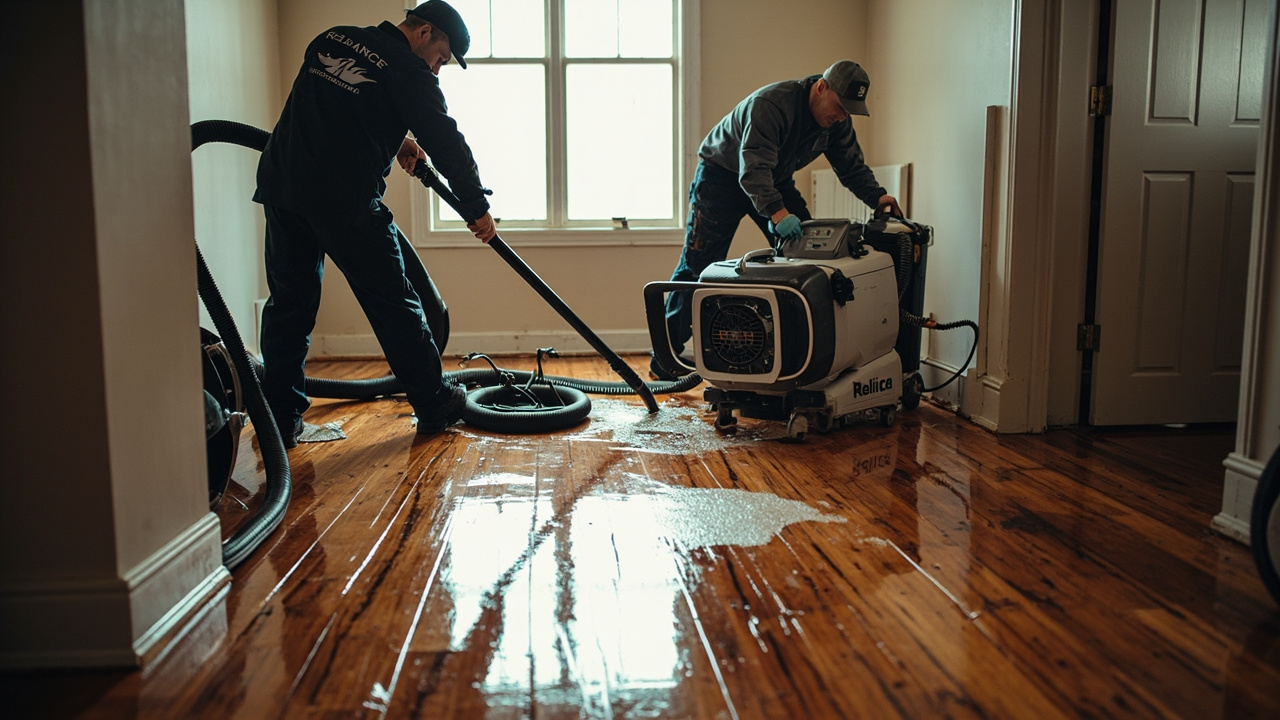
Mitigation begins with water extraction. Truck-mounted extractors remove standing water faster than shop vacuums. Then comes structural drying using commercial dehumidifiers and air movers. Moisture meters track progress in wall cavities, subfloors, and ceiling assemblies. This phase typically runs three to five days, depending on saturation depth and airflow.

Mitigation vs reconstruction becomes clear when you examine what gets saved versus what gets replaced. Mitigation aims to save materials. Reconstruction replaces them. If hardwood floors are caught within 24 hours, professional drying can save them. Wait 48 hours and buckled boards need replacement. That transitions you from mitigation to restoration.

Restoration involves rebuilding. Drywall replacement, subfloor reconstruction, trim and baseboard reinstallation, and repainting. If flooding affected electrical outlets or HVAC systems, those repairs fall under restoration. The timeline extends from one week to several months, depending on scope.

Water cleanup vs water repair is another false comparison. Cleanup is surface-level work. You mop floors and wipe walls. Water repair addresses structural damage. It replaces compromised framing, remediates mold behind walls, and restores insulation. Cleanup is a homeowner task. Repair requires licensed contractors.

Insurance adjusters distinguish between these phases. Mitigation falls under emergency services and typically receives faster approval. Restoration requires detailed estimates, material lists, and sometimes engineering reports. Filing both as a single claim slows the process and invites scrutiny.

How We Handle Both Phases for Philadelphia Properties

Water Mitigation vs Restoration in Philadelphia – Understanding the Difference Saves You Thousands
01

Emergency Mitigation Response

We deploy extraction and drying equipment within two hours of your call. Our team stops water flow, documents damage with moisture mapping, and begins structural drying immediately. Thermal imaging identifies hidden saturation in plaster walls common to Philadelphia row homes. This phase protects your insurance claim and prevents secondary damage like mold growth or structural weakening.
02

Damage Assessment and Documentation

After mitigation stabilizes your property, we conduct a detailed assessment. This includes moisture readings, material testing, and scope documentation for insurance carriers. We identify what can be saved through professional drying and what requires replacement. This separation between mitigation and reconstruction ensures accurate claims and prevents disputes over coverage. You receive a written report with photographs and readings.
03

Restoration and Rebuild

Once drying is complete and insurance approves the scope, we begin restoration. This includes drywall replacement, flooring reinstallation, trim work, and finishing. We coordinate with electricians and HVAC contractors if systems were affected. The goal is to return your property to pre-loss condition, matching existing finishes and materials. We handle permits and inspections required by Philadelphia's Department of Licenses and Inspections.

Why Philadelphia Properties Need Local Expertise for Both Phases

Philadelphia's building characteristics create unique water damage challenges. The difference between water mitigation and restoration becomes critical when you are dealing with 100-year-old plaster walls, shared party walls in row homes, and basements that sit below the water table.

Row homes in neighborhoods like Manayunk, Northern Liberties, and Passyunk Square have common walls with neighbors. Water travels through these shared assemblies. A pipe burst in one unit can saturate framing in three adjacent properties. Local contractors understand this. National franchise operations do not. They treat your row home like a detached suburban house, which leads to incomplete drying and future problems.

Philadelphia's Department of Licenses and Inspections requires permits for structural work. Restoration projects that involve framing, electrical, or plumbing need permit approval and inspections. Reliance Water Damage Restoration Philadelphia navigates this process daily. We know which work triggers permits and how to schedule inspections without delaying your timeline.

The clay soil throughout Philadelphia creates hydrostatic pressure against foundation walls. This pressure increases during wet seasons and drives groundwater through cracks and mortar joints. Mitigation addresses the immediate flooding. Restoration includes solutions like French drains or sump pump installation to prevent recurrence. Both phases work together to protect your investment.

Insurance carriers in Pennsylvania expect documentation that separates mitigation costs from restoration costs. We provide itemized invoices, moisture logs, and photographic evidence that satisfy adjuster requirements. This expertise speeds claim approval and reduces disputes. Choosing a contractor who understands both water damage mitigation vs restoration and insurance protocols protects you financially.

What to Expect During Mitigation and Restoration

Response Time and Availability

We answer emergency calls 24 hours a day, every day. Mitigation teams deploy within two hours across Philadelphia County. Response speed determines how much material we can save and how quickly drying begins. Delayed response allows water to penetrate deeper into wall assemblies and subfloors, which increases restoration costs. Our trucks carry extraction equipment, dehumidifiers, air movers, and moisture detection tools. We do not need to return to the shop for equipment. This immediate deployment stops damage progression and starts the drying process before mold spores activate in Philadelphia's humid environment.

Assessment and Moisture Mapping

After water extraction, we conduct thermal imaging and moisture mapping. This identifies hidden saturation in wall cavities, ceiling assemblies, and subfloors. Philadelphia's plaster walls conceal moisture better than drywall. Surface dryness does not mean structural dryness. We track moisture levels daily using calibrated meters and adjust equipment placement based on readings. This data-driven approach ensures complete drying before restoration begins. Insurance adjusters expect this documentation. We provide detailed logs, photographs, and moisture readings that support your claim and prevent future disputes over incomplete mitigation.

Restoration Quality and Materials

Restoration matches your original finishes and materials. If your home has plaster walls, we replicate that plaster. If you have historic trim or molding, we source matching profiles. Philadelphia's older homes require craftsmen who understand traditional construction methods. Drywall patches on plaster walls look wrong and fail inspection. We use three-coat plaster application and skim coating to match existing textures. Flooring reinstallation follows manufacturer specifications for acclimation and fastening. The finished result should be invisible. You should not be able to identify where water damage occurred once restoration is complete.

Post-Restoration Monitoring and Prevention

After restoration, we conduct final moisture readings and provide a completion report. This documentation closes your insurance claim and serves as baseline data for future reference. If your water damage resulted from structural issues like foundation seepage or inadequate drainage, we recommend preventive solutions. This might include exterior grading, sump pump installation, or foundation waterproofing. We also provide guidance on humidity control for basements, which is critical in Philadelphia's climate. Dehumidifiers and proper ventilation prevent mold growth and protect your investment. Follow-up inspections are available to verify that moisture levels remain stable and that no hidden problems develop.

Frequently Asked Questions

You Have Questions,
We Have Answers

What is the difference between water restoration and mitigation? +

Water mitigation is the emergency response that stops ongoing damage. You extract standing water, set up drying equipment, and stabilize the property within the first 24 to 48 hours. Water restoration comes after. This phase repairs what was damaged. You replace drywall, repair flooring, repaint walls, and return the property to pre-loss condition. Think of mitigation as stopping the bleeding and restoration as healing the wound. In Philadelphia rowhomes, quick mitigation prevents water from spreading to adjoining units through shared walls, which makes the restoration phase less costly.

What is mitigation and restoration? +

Mitigation addresses the immediate threat. You remove water, dry out affected areas, and prevent secondary damage like mold growth. The goal is containment and stabilization. Restoration is the repair work that follows. You rebuild damaged structures, replace ruined materials, and restore functionality. Mitigation happens first and fast. Restoration takes longer and requires construction skills. Both phases are critical after water damage in Philadelphia properties, especially older homes with plaster walls and hardwood floors that absorb water quickly. The mitigation phase directly impacts how extensive your restoration costs become.

What is the difference between restoration and remediation? +

Restoration means returning your property to its original condition after damage. You repair structural elements, replace materials, and rebuild. Remediation focuses on removing contaminants or hazards. You eliminate mold, remove sewage contamination, or address chemical exposure. Restoration is about rebuilding. Remediation is about making a space safe. In Philadelphia basements prone to flooding from aging sewer systems, you often need remediation first to address contamination, then restoration to repair flood damage. Both processes may overlap, but remediation prioritizes health and safety while restoration prioritizes function and appearance.

What is water mitigation? +

Water mitigation is the immediate action you take to minimize damage after a water event. You extract standing water, remove wet materials, and deploy air movers and dehumidifiers to dry the structure. The process starts within hours of discovery. Speed matters because water spreads quickly through porous materials. In Philadelphia homes with stone foundations and crawl spaces, water mitigation prevents structural compromise and mold colonization. Professional mitigation includes moisture mapping with thermal imaging, documenting damage for insurance, and monitoring humidity levels. This phase typically lasts three to five days depending on severity.

Does homeowners insurance cover water mitigation? +

Most homeowners policies cover water mitigation if the damage results from a covered peril. Sudden pipe bursts, appliance malfunctions, or roof leaks from storm damage typically qualify. Gradual leaks, flood damage, or maintenance issues usually do not. Your policy pays for emergency water extraction, drying equipment, and temporary repairs to prevent further damage. In Philadelphia, where freeze-thaw cycles cause pipe bursts, mitigation is often covered. Always document everything with photos and call your insurer immediately. Coverage varies by policy, so review your declarations page to understand your specific water damage provisions.

What are the three types of mitigation? +

The three types are structural mitigation, content mitigation, and environmental mitigation. Structural mitigation protects the building itself. You dry out walls, floors, and ceilings to prevent collapse or rot. Content mitigation saves your belongings. You move furniture, pack out valuables, and dry salvageable items. Environmental mitigation controls conditions that worsen damage. You use dehumidifiers to lower humidity and prevent mold growth. In Philadelphia properties, structural mitigation often focuses on protecting historic woodwork and plaster. All three types work together. Ignoring any one category increases your total loss significantly.

Is water restoration worth it? +

Yes. Professional water restoration prevents long-term structural damage, protects your health, and maintains property value. Untreated water damage leads to mold growth within 48 hours, wood rot, and foundation issues. In Philadelphia rowhomes, water damage in one unit can spread to neighbors through shared walls, creating liability. Restoration ensures proper drying, identifies hidden moisture, and rebuilds to code. Insurance typically covers most costs for sudden water events. The alternative is progressive deterioration that costs far more to fix later. Restoration also provides documentation that protects you during property sales.

What are 5 examples of mitigation? +

Five examples include water extraction using truck-mounted pumps, structural drying with commercial dehumidifiers, moisture monitoring with thermal imaging cameras, antimicrobial treatment to prevent mold, and content pack-out to protect belongings. In Philadelphia properties, mitigation also includes removing wet insulation from crawl spaces, drilling weep holes in trapped wall cavities, and setting up negative air pressure to control humidity. Other examples include emergency board-up after storm damage, temporary roof tarps, and sewage disinfection. Each technique targets immediate damage control. The specific combination depends on water source, affected materials, and extent of intrusion.

Can I do water restoration myself? +

You can handle minor incidents like small sink overflows if you act immediately. Rent a wet vac, set up fans, and monitor for drying. However, most water damage requires professional equipment and expertise. You cannot accurately assess hidden moisture in walls or subfloors without thermal imaging. Philadelphia homes often have concealed damage in plaster walls and under hardwood floors. Professionals extract water faster, prevent mold growth, and document damage for insurance claims. DIY attempts often miss moisture pockets that cause mold or structural rot months later. Insurance may deny claims if mitigation was inadequate.

Are mitigation and remediation the same thing? +

No. Mitigation stops ongoing damage and stabilizes the property. You remove water, dry materials, and prevent secondary issues. Remediation eliminates specific hazards like mold, asbestos, or sewage contamination. You clean, disinfect, or remove contaminated materials to restore safety. Mitigation happens first after any water event. Remediation becomes necessary when water was contaminated or when mitigation was delayed and mold grew. In Philadelphia properties with older plumbing, sewage backups require both mitigation to remove water and remediation to disinfect contaminated surfaces. The terms overlap but address different priorities in the recovery process.

Why Philadelphia's Climate and Housing Create Unique Mitigation Challenges

Philadelphia averages 47 inches of precipitation annually, with high humidity from June through September. This moisture load creates ideal conditions for mold growth after water damage. The difference between water mitigation and restoration becomes critical in this environment. Mitigation must achieve complete structural drying, not just surface drying. Philadelphia's row homes, with limited airflow and shared walls, trap moisture longer than detached houses. Professional dehumidification and air movement are required. Without them, hidden moisture in wall cavities becomes mold colonies within 72 hours. The city's freeze-thaw cycles in winter also cause pipe bursts, which flood homes when occupants are away. Rapid mitigation limits damage and reduces restoration costs.

Reliance Water Damage Restoration Philadelphia understands local building methods and construction types. We work daily with plaster walls, balloon framing, and shared party walls common to Philadelphia's housing stock. We know which materials can be saved through professional drying and which require replacement. We navigate permit requirements for restoration work and coordinate inspections with the Department of Licenses and Inspections. This local expertise speeds timelines and reduces costs. National franchises apply generic protocols that do not account for Philadelphia's unique challenges. Choosing a contractor who knows the difference between water cleanup vs water repair and understands local construction protects your property and your investment.

Water Damage Restoration Services in The Philadelphia Area

View our service area to see how Reliance Water Damage Restoration delivers fast, reliable support across the region. Whether it’s residential basements or commercial spaces, our team is locally based and ready to respond 24/7. We’re committed to being near you when emergencies strike—count on us for prompt, professional care.
(80 words)

Address:
Reliance Water Damage Restoration Philadelphia, 100 N 18th St, Philadelphia, PA, 19103

Additional Services We Offer

Our news updates

Latest Articles & News from The Blogs

Identifying moisture problems in the unique limestone foundations of Swarthmore homes If you own a historic home in Swarthmore you…

Identifying moisture problems in the unique limestone foundations of Swarthmore homes

Identifying moisture problems in the unique limestone foundations of Swarthmore homes If you own a historic home in Swarthmore you…

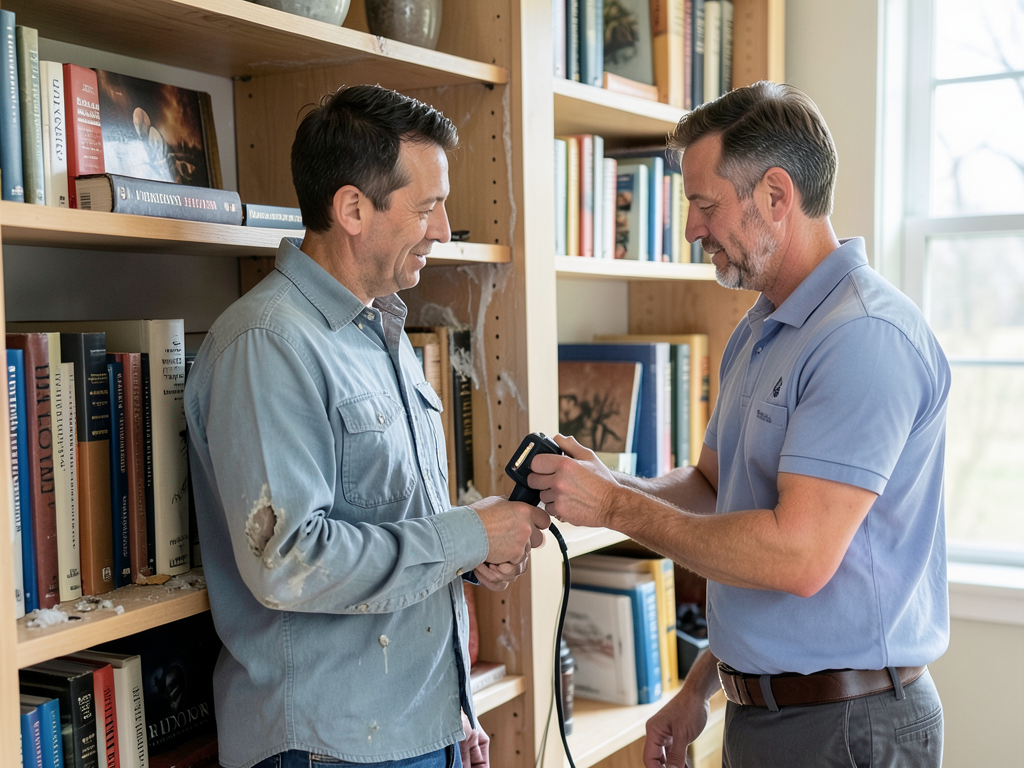
Can your custom built-in bookshelves in Radnor be saved after a pipe burst?

Can Your Custom Built-In Bookshelves in Radnor Be Saved After a Pipe Burst? Water damage to custom built-ins in Radnor…

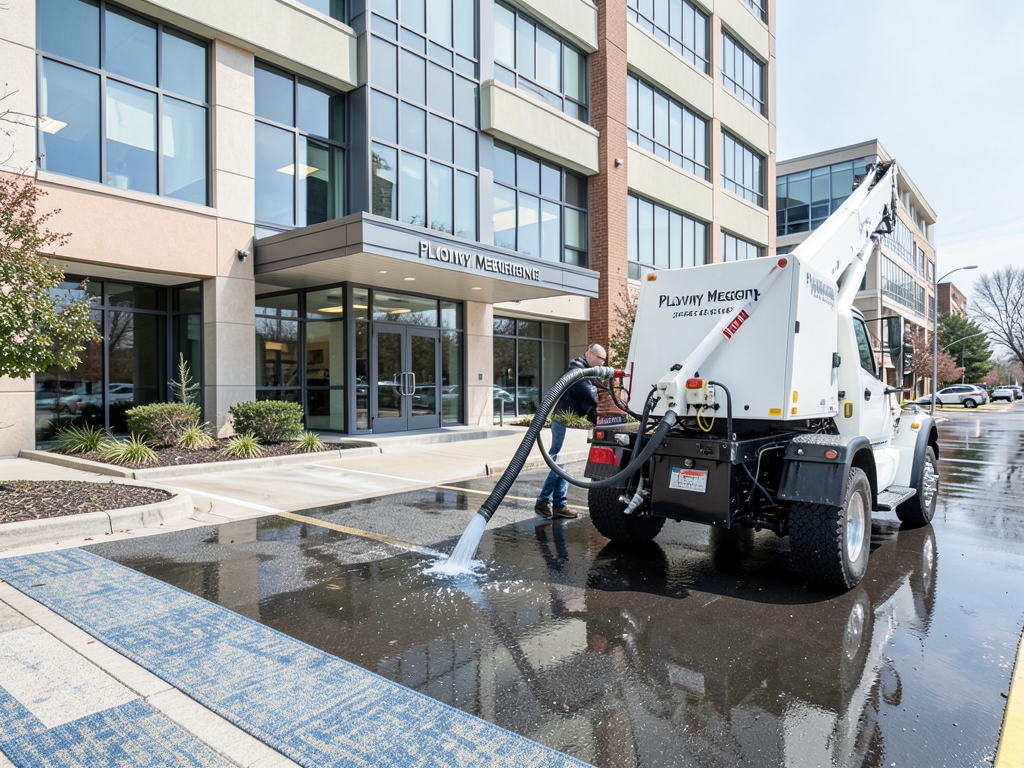
Solving the mystery of office park leaks in Plymouth Meeting before they ruin the carpet

Solving the mystery of office park leaks in Plymouth Meeting before they ruin the carpet Office park leaks in Plymouth…

Contact Us

Do not let confusion about mitigation and restoration delay your recovery. Call Reliance Water Damage Restoration Philadelphia at (215) 610-8188 now. We deploy immediately, document everything for insurance, and handle both phases professionally.