menu

Emergency Sewage Cleanup in Philadelphia – Arrive Within 60 Minutes, 24/7 Dispatch to Stop Contamination Now

Raw sewage exposes your family to dangerous pathogens within minutes. Our emergency sewage cleanup teams respond immediately across Philadelphia, from Old City to Northeast Philly, with 24 hour sewage extraction and full decontamination protocols.

Slider Image 1
Slider Image 2
Slider Image 3
Slider Image 4
Slider Image 5
Slider Image 7
Slider Image 8
Slider Image 9
Slider Image 10
Slider Image 11

Why Sewage Backups Are a Health Emergency in Philadelphia

A sewage backup is not a plumbing problem you can ignore overnight. Raw sewage contains bacteria like E. coli, Salmonella, and hepatitis A virus. The moment wastewater floods your basement, bathroom, or crawl space, the countdown begins. Within hours, airborne pathogens spread through HVAC systems. Within days, porous materials like drywall and flooring become biohazard zones.

Philadelphia's aging sewer infrastructure makes this worse. The city's combined sewer and stormwater system, installed in the 1800s, still serves nearly 60% of the metro area. During heavy rain events, which are increasing due to climate change, the system overloads. Backflow valves fail. Main line stoppages occur. Basement drains reverse. Raw sewage erupts into homes across Fishtown, South Philly, and Germantown with little warning.

You cannot clean sewage backup on your own. The EPA classifies sewage as Category 3 water damage, the most contaminated classification. Standard wet vacuums and household cleaners do not kill pathogens or remove odor. Without proper containment, cross-contamination spreads to unaffected rooms. Without antimicrobial treatment, bacteria colonize subflooring and wall cavities.

Emergency sewage removal requires immediate professional intervention. Our teams deploy within the hour with truck-mounted extractors, negative air machines, and hospital-grade disinfectants. We stop the spread, extract the waste, and decontaminate surfaces before structural damage becomes permanent. Speed is not a luxury. It is the only way to protect your family and your property value.

Why Sewage Backups Are a Health Emergency in Philadelphia
How Professional Sewage Backup Cleanup Works

How Professional Sewage Backup Cleanup Works

Reliance Water Damage Restoration Philadelphia does not treat sewage cleanup like a standard water loss. We follow IICRC S500 and S520 protocols, which govern water damage restoration and mold remediation. These standards require containment, extraction, decontamination, and structural drying in a specific sequence. Skipping steps or using improper equipment leads to recontamination.

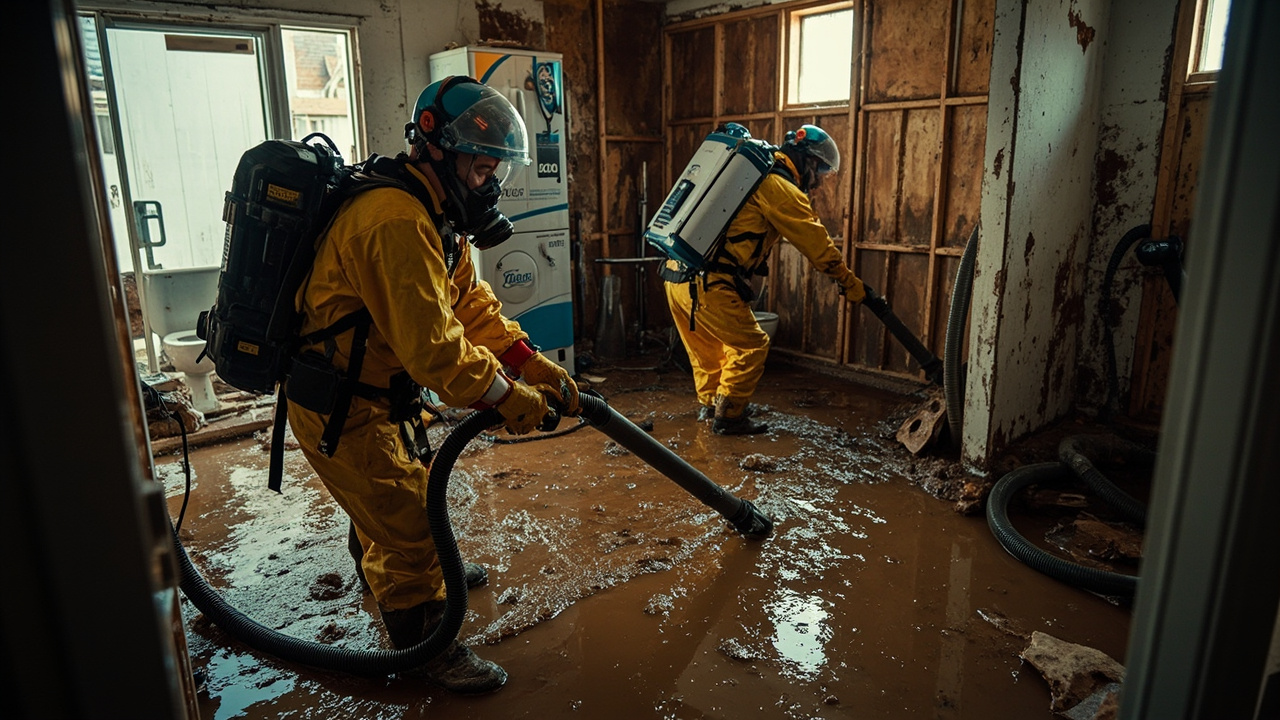
First, we establish containment barriers using polyethylene sheeting and negative air pressure. This prevents airborne pathogens from migrating into clean areas. We shut down HVAC systems to stop cross-contamination through ductwork. If sewage has flooded multiple rooms, we isolate each zone and treat them separately.

Next, we extract standing sewage using submersible pumps and truck-mounted vacuums. Standard shop vacs do not have the capacity or filtration. We remove sewage down to the concrete slab or subfloor, then apply antimicrobial agents to all affected surfaces. This includes baseboards, wall studs, and joists. Porous materials like carpet, padding, and drywall are removed and disposed of as biohazard waste. You cannot sanitize these materials. Attempting to dry them only traps bacteria and creates odor problems.

After extraction and removal, we begin structural drying using commercial air movers and dehumidifiers. We monitor moisture levels in framing lumber and concrete using thermal imaging and moisture meters. Drying must reach equilibrium levels, typically below 15% moisture content, to prevent mold growth. This process takes three to five days, depending on the extent of saturation.

Finally, we apply residual disinfectants and odor counteractants. Sewage odor does not simply disappear with ventilation. It requires enzyme-based treatments that break down organic compounds at the molecular level. We verify air quality using particle counters before releasing the space back to you.

What Happens During Urgent Sewer Water Cleanup

Emergency Sewage Cleanup in Philadelphia – Arrive Within 60 Minutes, 24/7 Dispatch to Stop Contamination Now
01

Immediate Dispatch and Containment

We answer your call and dispatch a crew within the hour. Our technicians arrive with containment barriers, extraction equipment, and personal protective equipment. We isolate the affected area, shut down HVAC systems, and establish negative air pressure to stop pathogen migration. Containment is the first line of defense. Without it, contamination spreads to clean rooms and increases remediation costs.
02

Sewage Extraction and Disposal

We extract all standing sewage using submersible pumps and truck-mounted vacuums. Porous materials like carpet, padding, and saturated drywall are removed and bagged as biohazard waste. We apply antimicrobial agents to all hard surfaces, including concrete, tile, and exposed framing. This step eliminates bacteria, viruses, and fungi before they colonize building materials. Speed and thoroughness here determine whether mold becomes a secondary problem.
03

Drying and Air Quality Verification

We deploy industrial dehumidifiers and air movers to dry structural components to safe moisture levels. This process takes three to five days. We monitor moisture content daily using thermal imaging and pin meters. Once materials reach equilibrium, we apply residual disinfectants and odor treatments. Before we leave, we verify air quality using particle counters to confirm the space is safe for reoccupation. You receive documentation showing moisture readings and disinfection protocols.

Why Philadelphia Homeowners Choose Local Sewage Remediation Experts

National franchises may have brand recognition, but they lack local infrastructure knowledge. Philadelphia's sewer system is a mix of ancient clay pipes, modern PVC, and combined storm drains. Knowing which neighborhoods have backflow issues during spring thaw or which streets flood during heavy rain matters when you are responding to a 2 a.m. sewage backup in Port Richmond or West Oak Lane.

Reliance Water Damage Restoration Philadelphia operates exclusively in the five-county metro area. We know the difference between a main line stoppage, a backflow valve failure, and a sump pump malfunction. We know which basements in Manayunk flood during Schuylkill River overflow events. We know that rowhomes in South Philly share lateral lines, which means one blockage can affect multiple properties. This knowledge lets us diagnose the source quickly and coordinate with plumbers or the Philadelphia Water Department when necessary.

We also understand local building codes. Sewage cleanup often requires replacing drywall, subflooring, or insulation. Philadelphia requires permits for certain demolition and reconstruction work, especially in historic districts. We help you navigate this process so you stay compliant and avoid problems during insurance claims or future home sales.

Insurance companies prefer working with local contractors who document everything. We photograph damage, log moisture readings, and provide detailed invoices that align with Xactimate pricing software. This transparency speeds up claims approval and reduces out-of-pocket costs. We also communicate directly with adjusters, so you do not have to translate technical jargon or fight for coverage.

Finally, we are accountable. If you have questions two weeks after cleanup or notice an odor issue, you call a local number and get a callback within hours. You are not routed to a call center in another state. Your Philadelphia neighbors are our neighbors. Reputation matters here.

What You Can Expect During Emergency Sewage Cleanup

Response Time and Availability

We dispatch crews 24 hours a day, 365 days a year. Most Philadelphia service calls receive a technician within 60 to 90 minutes, depending on traffic and location. Emergency sewage removal cannot wait until morning. Bacteria multiply rapidly, and odor permeates porous materials within hours. Our trucks are pre-stocked with extraction equipment, containment barriers, and disinfectants. We do not need to return to a warehouse for supplies. When you call, we arrive ready to work. You get a call-ahead notification with technician names and estimated arrival time.

Initial Assessment and Scope

The first step is a visual inspection and moisture mapping. We use thermal imaging cameras to detect hidden saturation in walls, ceilings, and subflooring. Sewage often wicks upward into drywall or travels under flooring into adjacent rooms. We document affected areas with photos and moisture readings. You receive a written scope of work that outlines extraction, removal, disinfection, and drying timelines. We also identify the likely cause of the backup, whether it is a clogged lateral line, failed backflow valve, or sump pump failure. This information helps you coordinate plumbing repairs.

Decontamination and Structural Drying

We do not simply dry your basement. We decontaminate it. All hard surfaces receive antimicrobial treatment using EPA-registered disinfectants. Porous materials that cannot be sanitized are removed and properly disposed of. Drying equipment runs continuously for three to five days, monitored by daily moisture readings. We adjust airflow and dehumidification as needed to reach target moisture levels below 15%. You receive daily updates and a final moisture report. The result is a clean, dry, odor-free space that passes air quality standards and is safe for reconstruction.

Documentation and Insurance Coordination

Most homeowners insurance policies cover sudden sewage backups, but you need proper documentation. We provide itemized invoices, moisture logs, photos, and a detailed narrative that explains the scope of damage and the steps taken to remediate it. This documentation is formatted for insurance adjusters and aligns with Xactimate pricing software, which most carriers use. We also communicate directly with your adjuster to answer technical questions and expedite approval. You do not have to translate jargon or fight for coverage. Our goal is to get you paid fairly and quickly.

Frequently Asked Questions

You Have Questions,
We Have Answers

What is considered a sewer emergency? +

A sewer emergency is any situation where raw sewage enters your home or property, creating immediate health risks. This includes sewage backups through toilets or drains, ruptured sewer lines flooding your basement, or septic system failures. In Philadelphia, heavy rain events and aging infrastructure increase risk. Signs include multiple drain backups, foul odors, standing water in your basement, or sewage surfacing in your yard. These situations demand immediate professional intervention because raw sewage contains dangerous bacteria, viruses, and pathogens. Do not attempt DIY cleanup. Call a certified sewage cleanup specialist 24/7 to contain contamination and prevent structural damage.

How much does sewage backup cleanup cost? +

Sewage backup cleanup costs vary widely based on contamination extent, affected area size, and structural damage. Expect costs to increase with basement flooding, porous material contamination, or extended exposure time. Philadelphia row homes often see costs escalate due to shared wall contamination risks. Factors include water extraction volume, antimicrobial treatment needs, drywall or flooring removal, and structural drying time. Most homeowner policies exclude sewer backup damage unless you added optional coverage. Contact your insurance immediately to verify coverage. Emergency response within the first hour significantly reduces total costs by limiting contamination spread and secondary damage.

Does insurance cover sewage cleanup? +

Standard homeowner insurance typically excludes sewage backup damage. You need a separate sewer backup endorsement or rider, which costs approximately $40 to $100 annually in Philadelphia. This optional coverage protects against damage from drain or sewer backups, including cleanup costs and structural repairs. Review your policy declarations page now to confirm coverage. If you lack this protection, you pay out of pocket for all cleanup and restoration. Given Philadelphia's combined sewer system and aging infrastructure, this endorsement is essential. Your sewage cleanup company should document all damage thoroughly with photos and detailed reports to support your insurance claim.

How to clean up backed up sewage? +

Never attempt DIY sewage cleanup. Raw sewage contains Category 3 black water with dangerous pathogens including E. coli, hepatitis, and parasites. Professional cleanup requires immediate containment, complete water extraction using commercial equipment, removal of all porous materials like drywall and carpeting, antimicrobial treatment of all surfaces, and structural drying with industrial dehumidifiers. Philadelphia's humid climate increases mold risk within 24 hours. Certified technicians use personal protective equipment and follow IICRC standards. Call a 24/7 emergency sewage cleanup specialist immediately. Evacuate affected areas, shut off electricity to flooded zones, and do not touch contaminated water or materials.

How much does it cost to unclog a sewer line? +

Sewer line unclogging costs depend on blockage location, severity, and access difficulty. Simple drain snaking may resolve surface clogs, while main line blockages require hydro jetting or camera inspection. Philadelphia's clay soil and tree root intrusion often complicate repairs. Costs increase if the blockage exists in the city lateral beyond your property line. Emergency calls outside business hours typically carry premium rates. Preventive maintenance costs less than emergency response. If multiple drains back up simultaneously or sewage surfaces in your basement, you face a main line issue requiring immediate professional attention. Do not delay, as pressure builds rapidly and causes catastrophic backups.

What are 5 examples of emergency situations? +

Common emergency situations requiring immediate professional response include sewage backups flooding your home, burst water pipes causing structural flooding, fire or smoke damage, storm damage with roof breaches, mold outbreaks from hidden leaks, and appliance failures causing water intrusion. In Philadelphia, freeze-thaw cycles cause sudden pipe failures, while summer storms overwhelm combined sewers. Each situation demands specialized equipment and expertise. Sewage emergencies pose the highest health risk due to pathogen exposure. Do not wait. Emergency restoration companies operate 24/7 specifically for these time-sensitive disasters. Delayed response turns manageable problems into catastrophic losses requiring extensive reconstruction.

Will insurance pay for sewer line replacement? +

Standard homeowner insurance rarely covers sewer line replacement. These policies typically exclude maintenance-related failures, gradual deterioration, and earth movement causing pipe damage. Insurance may cover sudden, accidental ruptures from specific perils like vehicle impact or covered disasters. The optional sewer backup endorsement covers damage from backups but not line replacement itself. Philadelphia's aging infrastructure means many homes have deteriorating clay or cast iron lines needing replacement. Budget for this maintenance expense separately. Some insurance companies offer optional service line coverage for underground utility failures, including sewer laterals. Review your policy carefully and consider adding this protection.

Why is my sewer bill 200 dollars? +

Your high Philadelphia Water Department bill likely reflects combined charges. Philadelphia bills include water usage, stormwater fees based on property size and impervious surfaces, and sewer charges calculated as a percentage of water consumption. Older homes with outdated fixtures use more water. Hidden leaks from deteriorating pipes inflate consumption. Philadelphia's tiered rate structure charges more for higher usage. Your bill may include past-due balances or seasonal adjustments. Winter averaging calculates sewer charges based on lower winter water use. Check for running toilets, dripping faucets, or outdoor irrigation leaks. Contact PWD immediately if you suspect meter errors or sudden unexplained increases.

Can I clean my sewer line myself? +

Do not attempt DIY sewer line cleaning beyond simple drain maintenance. Professional sewer cleaning requires specialized equipment including motorized drain snakes, hydro jetting systems, and sewer cameras to diagnose problems without guessing. Philadelphia's aging infrastructure and tree root intrusion demand professional-grade tools. Improper techniques damage pipes, worsen blockages, or cause dangerous sewage backups. You lack personal protective equipment needed for sewage exposure. Chemical drain cleaners corrode pipes and create toxic fumes. Small surface clogs may respond to plungers, but multiple backed-up drains or basement sewage signals main line blockages requiring immediate professional intervention. Protect your investment and health.

Is a clogged toilet considered a sewer backup? +

A single clogged toilet is usually not a sewer backup, just a localized drain blockage. However, if your toilet backs up when you flush other fixtures, or multiple drains back up simultaneously, you face a main sewer line problem. In Philadelphia row homes, shared lateral lines increase risk. Watch for warning signs including gurgling sounds from drains, slow drainage throughout your home, or sewage surfacing in your basement floor drains. These indicate sewer line blockages requiring immediate professional attention. A simple toilet clog clears with a plunger. Sewage flowing backward from your main line demands emergency cleanup specialists operating 24/7.

Why Philadelphia's Combined Sewer System Creates Sewage Backup Emergencies

Philadelphia operates a combined sewer system that handles both stormwater and sanitary waste. Built in the 1800s, this system serves nearly 60% of the city. During heavy rain events, which are increasing in frequency due to climate change, the system overloads. When capacity is exceeded, sewage backs up into the lowest drains in your home, typically basement floor drains or toilets. This is not a plumbing failure. It is a systemic issue that affects entire neighborhoods. Homes in Manayunk, Fishtown, and South Philly are particularly vulnerable due to elevation and proximity to the Schuylkill and Delaware Rivers.

Reliance Water Damage Restoration Philadelphia has responded to hundreds of sewage emergencies caused by this infrastructure. We know which streets flood first, which neighborhoods have aging lateral lines, and how to coordinate with the Philadelphia Water Department when main line stoppages occur. Local expertise matters when time is critical. We understand the unique challenges of rowhome construction, shared lateral lines, and basement slab drainage. Our technicians are trained on IICRC S500 standards and Pennsylvania environmental health regulations. When you hire local professionals, you get faster response times and better outcomes.

Water Damage Restoration Services in The Philadelphia Area

View our service area to see how Reliance Water Damage Restoration delivers fast, reliable support across the region. Whether it’s residential basements or commercial spaces, our team is locally based and ready to respond 24/7. We’re committed to being near you when emergencies strike—count on us for prompt, professional care.
(80 words)

Address:
Reliance Water Damage Restoration Philadelphia, 100 N 18th St, Philadelphia, PA, 19103

Additional Services We Offer

Our news updates

Latest Articles & News from The Blogs

Identifying moisture problems in the unique limestone foundations of Swarthmore homes If you own a historic home in Swarthmore you…

Identifying moisture problems in the unique limestone foundations of Swarthmore homes

Identifying moisture problems in the unique limestone foundations of Swarthmore homes If you own a historic home in Swarthmore you…

Can your custom built-in bookshelves in Radnor be saved after a pipe burst?

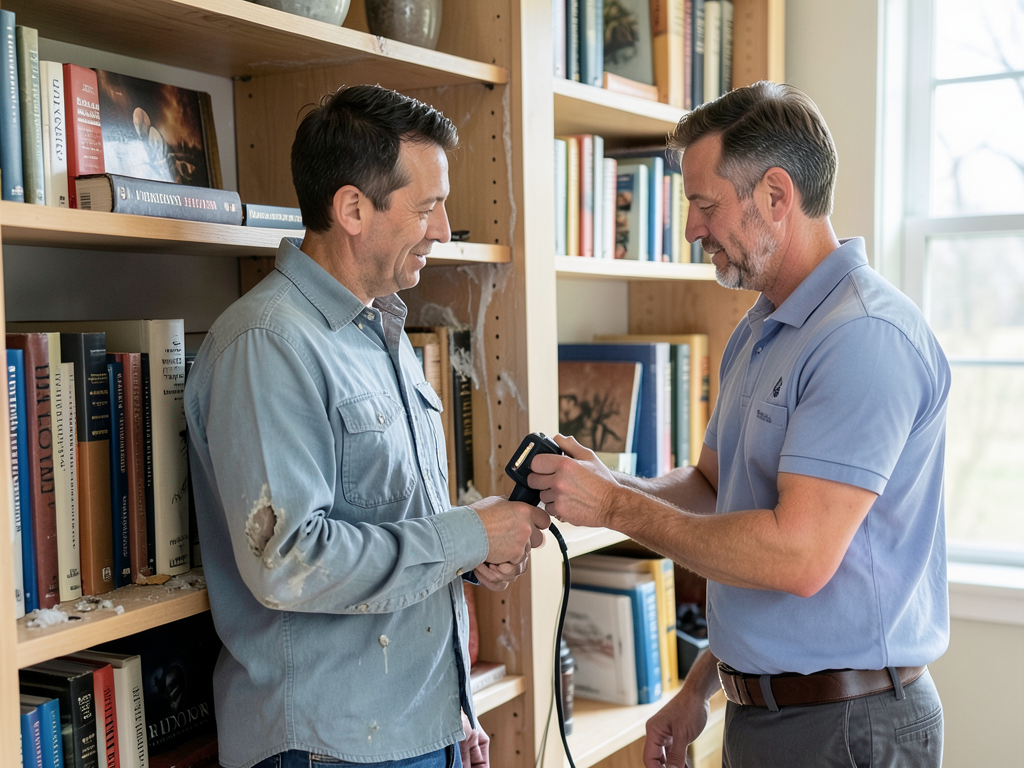
Can Your Custom Built-In Bookshelves in Radnor Be Saved After a Pipe Burst? Water damage to custom built-ins in Radnor…

Solving the mystery of office park leaks in Plymouth Meeting before they ruin the carpet

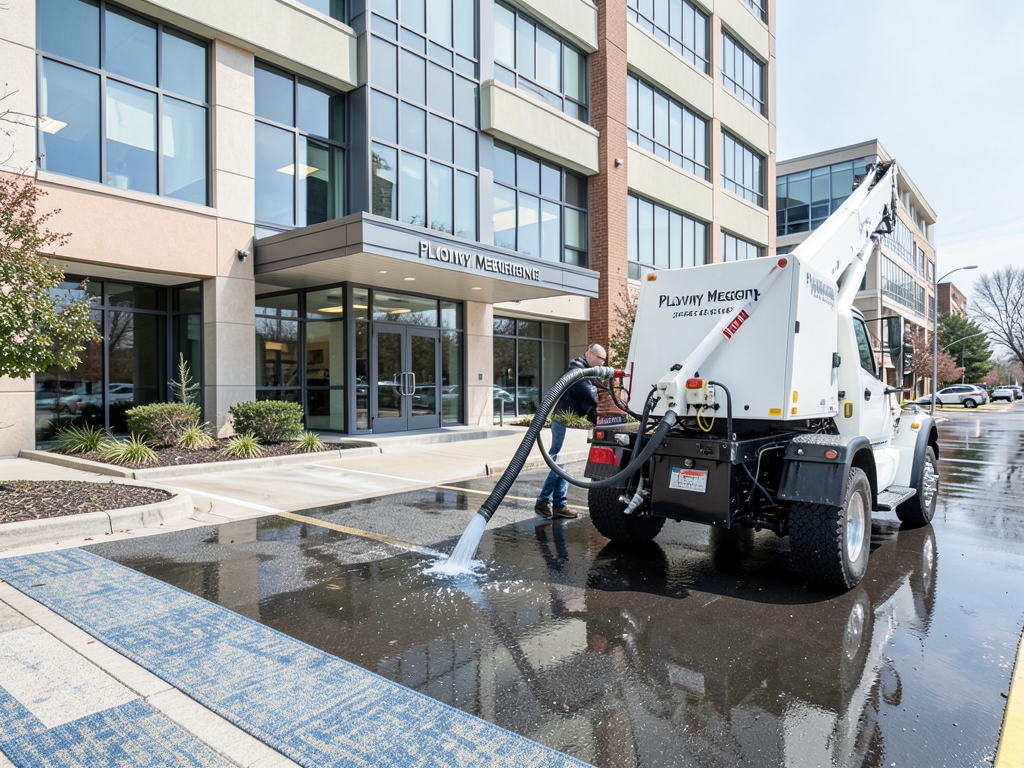
Solving the mystery of office park leaks in Plymouth Meeting before they ruin the carpet Office park leaks in Plymouth…

Contact Us

Every minute sewage sits in your home increases health risks and damage. Our emergency teams are standing by 24/7. Call (215) 610-8188 now for immediate dispatch. We arrive within the hour with extraction equipment, containment barriers, and decontamination protocols ready to deploy.