Philadelphia experiences 15 to 20 days annually with humidity exceeding 90 percent, creating ideal conditions for mold colonization. The city's 360,000 housing units built before 1950 lack modern moisture barriers and climate control systems. Brick rowhomes absorb rainwater through deteriorating mortar joints, introducing moisture directly into living spaces. Shared walls between units allow mold spores to spread through connected attics and basements. Many properties have outdated plumbing systems prone to slow leaks that go undetected for months. These factors combine to make mycotoxin exposure significantly more common in Philadelphia than newer cities with modern construction standards and drier climates.
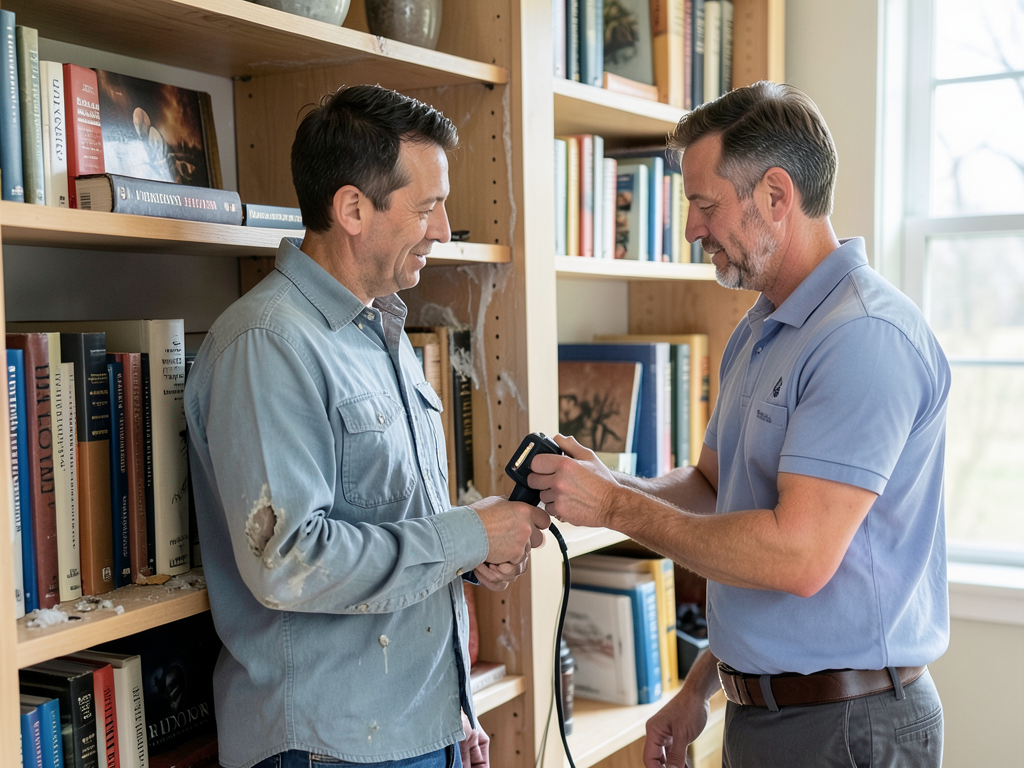
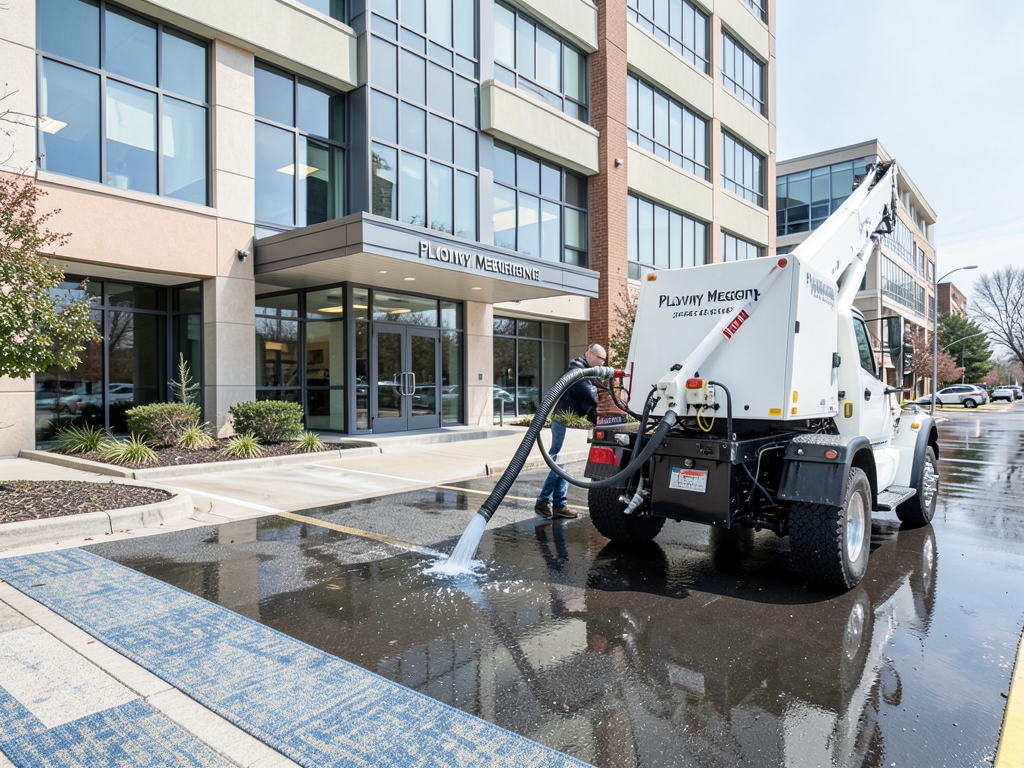
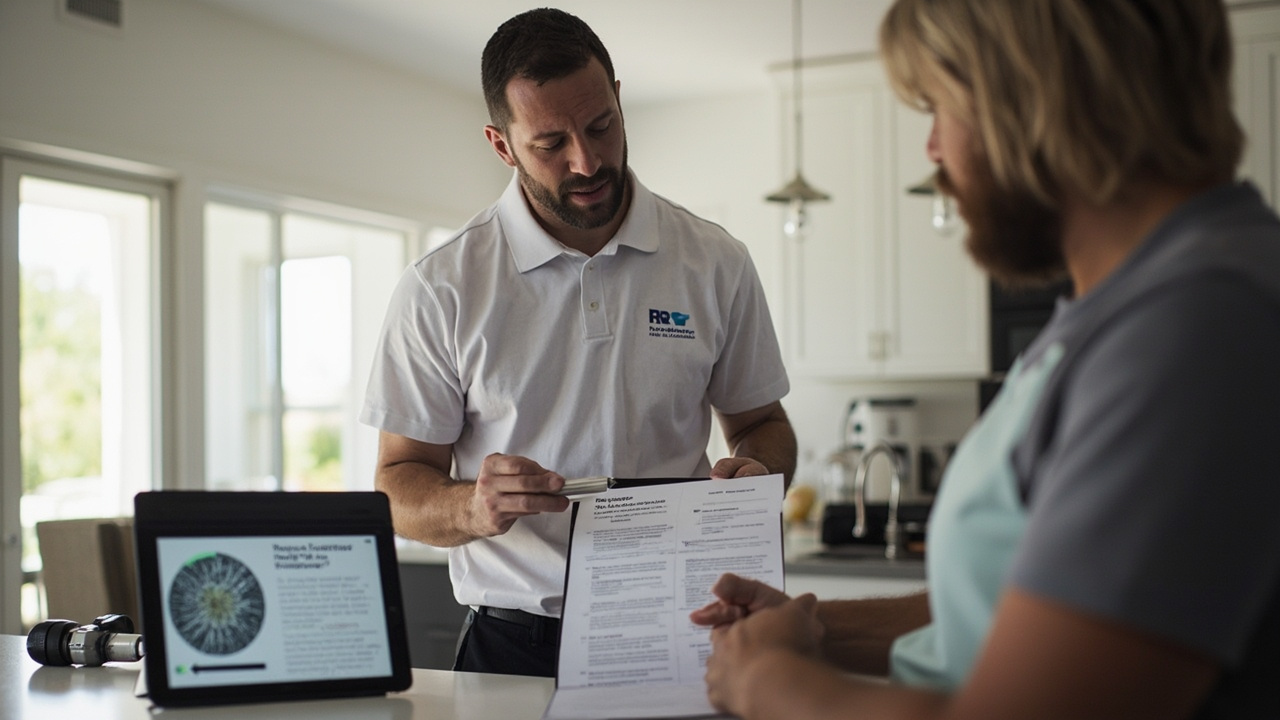
Local water damage restoration professionals understand Philadelphia's construction history and environmental challenges. We know that properties near the Wissahickon Creek, Cobbs Creek, and Pennypack Creek face elevated flooding risks during storm events. Experience with Philadelphia's Department of Licenses and Inspections protocols ensures remediation work meets code requirements. Relationships with local environmental labs expedite testing turnarounds when health symptoms demand urgent answers. Choosing local expertise means working with technicians who have assessed thousands of Philadelphia properties and understand how this city's unique characteristics create mold problems. That knowledge directly impacts diagnosis accuracy and remediation effectiveness.