menu

Allergic Reactions in Home in Philadelphia – Expert Indoor Allergen Source Identification and Remediation

When unexplained sneezing, congestion, or respiratory irritation strikes inside your Philadelphia home, hidden water damage and mold growth are often the culprits behind chronic allergic reactions in home environments.

Slider Image 1
Slider Image 2
Slider Image 3
Slider Image 4
Slider Image 5
Slider Image 7
Slider Image 8
Slider Image 9
Slider Image 10
Slider Image 11

Why Philadelphia Homes Trigger Year-Round Allergy Symptoms

You close the windows, take antihistamines, and clean obsessively. Yet the sneezing, itchy eyes, and congestion persist inside your own home. This is not seasonal pollen. This is indoor mold symptoms triggered by moisture problems unique to Philadelphia's building stock and climate.

Philadelphia's freeze-thaw cycles and high summer humidity create ideal conditions for household mold allergies. Rowhomes and twins in Fishtown, South Philly, and West Philly share common walls. When a neighbor has a slow leak or poor ventilation, moisture migrates through masonry and drywall. You end up breathing spores from someone else's problem.

Older homes in historic districts like Fairmount and Queen Village often have stone foundations and poor crawlspace ventilation. Groundwater seeps through porous mortar joints. Basement humidity spikes above 60 percent. Mold colonizes unseen spaces behind finished walls, under carpets, and inside HVAC ducts. You experience water damage allergy triggers without ever seeing visible mold.

Mildew allergic reactions are not always immediate. Low-level exposure causes cumulative inflammation. You feel worse at night because you spend eight hours in a bedroom with elevated spore counts. You feel better at work because the building has better air exchange. This pattern is diagnostic.

The problem is not your immune system. The problem is that water intrusion has created a reservoir of allergens inside your living space. Allergic reactions in home settings require source elimination, not symptom management. Surface cleaning does nothing if the mold colony is inside the wall cavity or under the subfloor.

Mold exposure symptoms include persistent cough, sinus pressure, skin rashes, and fatigue. Children and elderly residents are most vulnerable. If you notice these symptoms improve when you leave the house for extended periods, you have an indoor air quality problem that demands professional investigation.

Why Philadelphia Homes Trigger Year-Round Allergy Symptoms
How We Eliminate Hidden Moisture Sources Causing Allergic Reactions

How We Eliminate Hidden Moisture Sources Causing Allergic Reactions

Surface mold removal is not remediation. We target the moisture source that allows fungi to colonize building materials. This requires thermal imaging, moisture meters, and pressure diagnostics to map hidden water intrusion pathways.

We start with a hygrometer survey. We measure relative humidity in every room and compare it to outdoor levels. If indoor humidity exceeds 55 percent in winter, you have a moisture production or ventilation problem. We identify whether the source is a plumbing leak, foundation seepage, inadequate exhaust ventilation, or HVAC condensation.

Infrared cameras reveal temperature differentials behind walls and ceilings. Evaporative cooling from hidden moisture creates cold spots. We document these anomalies and use pin-type moisture meters to confirm elevated moisture content in drywall, plaster, or framing lumber. Anything above 16 percent moisture content supports mold growth.

We perform negative air pressure testing to detect airflow from contaminated cavities. If you smell musty odors near baseboards or outlets, air is escaping from mold-colonized wall cavities. We use blower door tests and smoke pencils to trace these pathways. Sealing the drywall without drying the cavity traps the problem.

Remediation follows IICRC S520 standards. We establish containment barriers and run HEPA-filtered negative air machines to prevent cross-contamination. We remove and dispose of porous materials that cannot be adequately dried or decontaminated. This includes drywall, insulation, and carpeting with embedded spore loads.

We apply antimicrobial agents only after physical removal. Encapsulants and biocides do not kill embedded hyphae. They slow regrowth on treated surfaces. The real work is removing the food source and drying the substrate below 16 percent moisture content.

Post-remediation air sampling verifies that spore counts have returned to background levels. We compare indoor samples to outdoor control samples. If indoor counts remain elevated, we continue investigative work until the reservoir is eliminated.

What Happens When You Call Us About Indoor Allergy Symptoms

Allergic Reactions in Home in Philadelphia – Expert Indoor Allergen Source Identification and Remediation
01

Initial Moisture Assessment

We conduct a room-by-room moisture survey using calibrated hygrometers and infrared thermal imaging. You explain where symptoms are worst. We measure humidity levels, check for visible water stains, and scan walls and ceilings for hidden moisture signatures. This diagnostic phase identifies the scope of water intrusion before we open any walls.
02

Containment and Source Removal

We isolate affected areas with polyethylene barriers and negative air pressure to prevent spore migration. We remove compromised building materials and extract standing water or saturated insulation. Dehumidifiers and air movers dry structural components to below 16 percent moisture content. We document moisture readings daily until stability is achieved across all tested materials.
03

Air Quality Verification

After remediation and reconstruction, we conduct post-clearance air sampling. We collect samples from previously affected rooms and compare them to outdoor baseline levels. If indoor spore counts return to normal ranges, we issue a clearance certificate. If elevated counts persist, we investigate further until the allergen source is fully eliminated.

Why Philadelphia Homeowners Trust Reliance for Mold-Related Allergy Issues

Philadelphia's housing stock is 70 percent pre-1970 construction. Rowhomes, twins, and multi-family buildings present moisture challenges that require local knowledge. We understand how parapet walls leak, how shared plumbing stacks fail, and how limestone mortar absorbs groundwater in older foundations.

We know that homes in Manayunk and East Falls have basement seepage from hillside drainage. We know that properties near the Schuylkill and Delaware rivers experience elevated humidity from proximity to water. We know that rowhomes in Point Breeze and Grays Ferry share party walls where moisture can migrate laterally between units.

This local experience matters when diagnosing hidden water intrusion. A contractor unfamiliar with Philadelphia's building types may overlook common failure points like corbelled brick cornices, below-grade window wells, or improperly vented bathroom exhaust fans that dump moisture into shared attic spaces.

We work with Philadelphia's Department of Licenses and Inspections when remediation involves structural alterations. We understand local building codes for vapor barriers, crawlspace ventilation, and fire-rated demising walls in attached properties. We pull permits when required and coordinate inspections so you remain compliant.

Our crews are IICRC-certified in water damage restoration and applied microbial remediation. This is not a maintenance task. This is specialized work that requires knowledge of building science, microbiology, and moisture dynamics. We do not send general laborers to diagnose mold problems.

We coordinate with your insurance carrier when the water damage is sudden and accidental. We document losses with photographic evidence, moisture logs, and detailed scopes of work. We provide estimates in Xactimate format that adjusters recognize and accept. This speeds approval and minimizes out-of-pocket costs.

Most importantly, we do not upsell unnecessary services. If your allergy symptoms are caused by poor ventilation rather than active mold growth, we tell you. If the solution is a bathroom exhaust fan and a dehumidifier, we recommend that instead of a full remediation. Trust is built on honest assessments.

What to Expect When You Hire Reliance for Allergy-Related Moisture Problems

Response Time and Availability

We dispatch a technician within two hours for emergency water intrusion. For chronic allergy concerns where moisture is suspected but not visibly evident, we schedule a comprehensive assessment within 24 hours of your call. We understand that indoor allergen exposure is cumulative. Delay worsens respiratory inflammation. We prioritize homes with children, elderly residents, or individuals with asthma. Our assessment appointments are two-hour blocks, not quick walk-throughs. We take the time to investigate all potential moisture sources.

The Diagnostic Assessment Process

Our initial assessment includes thermal imaging, moisture meter readings, and relative humidity measurements in every room. We inspect crawlspaces, attics, and basement perimeters. We check HVAC systems for condensation and ductwork for microbial growth. We ask about your symptom patterns because timing reveals exposure sources. You receive a written report with moisture maps, thermal images, and a prioritized remediation plan. We explain what needs immediate attention and what can be monitored. There is no pressure to approve work on the spot.

The Quality of Remediation Work

We follow IICRC S520 standards for mold remediation. This means proper containment, HEPA filtration, controlled material removal, and thorough drying. We do not spray biocides over mold and call it fixed. We remove the contaminated material and eliminate the moisture source. Reconstruction is performed by licensed contractors who match existing finishes. You will not be able to tell where work was performed once the project is complete. We clean and HEPA-vacuum all surfaces before removing containment barriers.

Post-Remediation Verification and Follow-Up

We conduct post-clearance air sampling after remediation is complete. Samples are analyzed by an independent third-party lab. You receive a lab report showing spore counts and species identification. If levels remain elevated, we investigate further at no additional diagnostic cost. We also provide moisture management recommendations to prevent recurrence. This may include dehumidifier placement, ventilation improvements, or gutter and grading corrections. We follow up 30 days after project completion to confirm that allergy symptoms have improved.

Frequently Asked Questions

You Have Questions,
We Have Answers

What could be causing allergies in my house? +

Indoor allergens come from multiple sources. Dust mites thrive in bedding, carpets, and upholstered furniture. Pet dander circulates through your HVAC system. Mold grows in damp areas like basements, bathrooms, and crawl spaces, especially common in older Philadelphia rowhomes with poor ventilation. Pollen enters through open windows and clings to clothing. Cockroach droppings trigger reactions in urban homes. Water damage from leaky pipes or roof penetrations creates mold colonies behind walls. Philadelphia's humid summers worsen dust mite populations. Check your HVAC filters, inspect basements for moisture, and look for visible mold growth around window frames and bathroom grout.

How do I find out what I'm allergic to in my house? +

Start by tracking when symptoms worsen. Allergies that spike at night suggest dust mites in bedding. Reactions in specific rooms point to localized mold or pet dander. Schedule an appointment with an allergist for skin prick testing or blood work to identify specific triggers. You can purchase home test kits for dust mites and mold spores, but professional testing provides accurate results. Inspect your home for visible mold, water stains, or musty odors. Philadelphia homes with basement moisture issues often harbor hidden mold. Check HVAC ducts for dust buildup. An elimination approach helps: remove rugs, wash bedding in hot water, and monitor symptom changes.

How do you treat an allergic cough? +

Identify and eliminate the allergen source first. Use over-the-counter antihistamines like cetirizine or loratadine to reduce immune response. A nasal corticosteroid spray helps if post-nasal drip triggers the cough. Run a humidifier to soothe irritated airways, but keep humidity below 50% to prevent mold growth. Drink warm liquids to thin mucus. Wash bedding weekly in hot water to kill dust mites. Replace HVAC filters monthly during Philadelphia's high-pollen seasons. If the cough persists beyond three weeks, worsens at night, or produces discolored mucus, see a doctor. Chronic allergic cough can indicate asthma or require prescription treatments.

Can allergies cause ear pain? +

Yes. Allergies cause inflammation in your sinuses and nasal passages. The Eustachian tubes connecting your middle ear to your throat swell, trapping fluid and creating pressure. This leads to ear pain, fullness, or muffled hearing. Post-nasal drip from allergies irritates the throat and Eustachian tube openings. You might experience popping sensations or temporary hearing changes. Philadelphia's seasonal pollen spikes in spring and fall worsen these symptoms. Treat the underlying allergies with antihistamines and nasal sprays. Decongestants help open Eustachian tubes. If ear pain includes fever, drainage, or severe sharp pain, see a doctor to rule out infection.

How to identify indoor allergies? +

Indoor allergies cause year-round symptoms, unlike seasonal outdoor allergies. Watch for sneezing, runny nose, itchy eyes, and congestion that worsen indoors. Symptoms that spike in specific rooms indicate localized triggers. Morning congestion suggests dust mite allergies from bedding. Reactions after vacuuming point to dust or pet dander redistribution. Persistent cough or wheezing signals possible mold exposure, common in Philadelphia basements. Check for musty odors, visible mold on walls, or water stains. Notice if symptoms improve when you leave home for extended periods. Track symptom patterns for two weeks to identify triggers before consulting an allergist.

Can mold cause allergic reactions? +

Absolutely. Mold releases spores and mycotoxins that trigger allergic reactions. Symptoms include sneezing, congestion, itchy eyes, skin rashes, and respiratory issues. Black mold, often found after water damage, causes severe reactions in sensitive individuals. Philadelphia's older housing stock and humid climate create ideal mold conditions, especially in basements, crawl spaces, and poorly ventilated bathrooms. Mold grows behind walls after pipe leaks or roof damage, often invisible until health symptoms appear. If you suspect mold exposure, address moisture sources immediately. Professional remediation prevents spore spread. Prolonged exposure can lead to chronic respiratory problems. Never attempt large-scale mold removal yourself.

Can I test my house for allergies? +

Yes. Home test kits measure dust mite allergen levels, mold spores, and pet dander concentrations. You collect samples from surfaces or air and mail them to labs for analysis. These kits cost between 50 and 200 dollars but provide limited information. Professional indoor air quality assessments offer comprehensive testing. Environmental consultants use moisture meters, air sampling equipment, and laboratory analysis to identify hidden mold, especially important in Philadelphia's older homes with concealed water damage. An allergist can perform skin testing to determine your specific sensitivities, then you can target those allergens in your home. Combine medical testing with environmental inspection for complete answers.

Do air purifiers help with allergies? +

Air purifiers with HEPA filters capture 99.97% of airborne particles, including pollen, pet dander, mold spores, and dust mite waste. They reduce allergen concentrations but do not eliminate sources. Place units in bedrooms and high-traffic areas for maximum benefit. Choose models rated for your room size. Philadelphia homes benefit from purifiers during high-pollen spring months and humid summers when mold spores increase. Purifiers work best alongside source control: fix water leaks, wash bedding weekly, vacuum with HEPA-equipped vacuums, and maintain HVAC systems. They provide relief but are not standalone solutions. Replace filters as recommended to maintain effectiveness.

What are dust mite allergy symptoms? +

Dust mite allergies cause sneezing, runny or stuffy nose, itchy or watery eyes, and postnasal drip. You might experience coughing, facial pressure, or sinus pain. Symptoms worsen at night or upon waking because dust mites concentrate in mattresses and pillows. Skin contact can trigger eczema or itchy rashes. Severe reactions include difficulty breathing, chest tightness, or wheezing, especially in asthma patients. Philadelphia's humid climate supports dust mite populations year-round. Symptoms persist regardless of season, unlike pollen allergies. If you wake with congestion daily or notice worsening asthma symptoms at night, dust mites are likely culprits. Allergy testing confirms sensitivity.

When to worry about allergy cough? +

Seek medical attention if your cough lasts longer than three weeks, worsens progressively, or disrupts sleep. Warning signs include difficulty breathing, wheezing, chest tightness, or shortness of breath during normal activities. Coughing up blood, thick green or yellow mucus, or experiencing fever alongside the cough requires immediate evaluation. If over-the-counter antihistamines provide no relief after one week, see a doctor. Chronic allergic cough can indicate asthma or secondary infections. Philadelphia residents exposed to mold after water damage should seek evaluation promptly. Children with persistent cough need medical assessment sooner. Allergic cough should respond to treatment within days.

How Philadelphia's Rowhouse Construction Amplifies Water Damage Allergy Triggers

Philadelphia's rowhomes and twins account for over 60 percent of the city's residential housing stock. These attached properties share party walls, roof valleys, and plumbing stacks. When moisture enters one unit through a roof leak or plumbing failure, it migrates laterally through masonry and framing into adjacent homes. You can experience mold exposure symptoms from water damage that originated in your neighbor's property. This shared-wall construction makes moisture intrusion harder to diagnose and control. A slow leak in a shared attic space can colonize multiple units before visible damage appears.

We work extensively with rowhome and twin owners throughout Philadelphia's neighborhoods. We understand the unique moisture pathways in these building types. We know how to trace water intrusion through shared walls and coordinate remediation when multiple units are affected. Our experience with the city's building codes ensures that all work on party walls and fire separations meets code requirements. We work with property managers, condo associations, and individual homeowners to resolve moisture problems that cross property lines. Local knowledge matters when diagnosing complex water intrusion in attached housing.

Water Damage Restoration Services in The Philadelphia Area

View our service area to see how Reliance Water Damage Restoration delivers fast, reliable support across the region. Whether it’s residential basements or commercial spaces, our team is locally based and ready to respond 24/7. We’re committed to being near you when emergencies strike—count on us for prompt, professional care.
(80 words)

Address:
Reliance Water Damage Restoration Philadelphia, 100 N 18th St, Philadelphia, PA, 19103

Additional Services We Offer

Our news updates

Latest Articles & News from The Blogs

Identifying moisture problems in the unique limestone foundations of Swarthmore homes If you own a historic home in Swarthmore you…

Identifying moisture problems in the unique limestone foundations of Swarthmore homes

Identifying moisture problems in the unique limestone foundations of Swarthmore homes If you own a historic home in Swarthmore you…

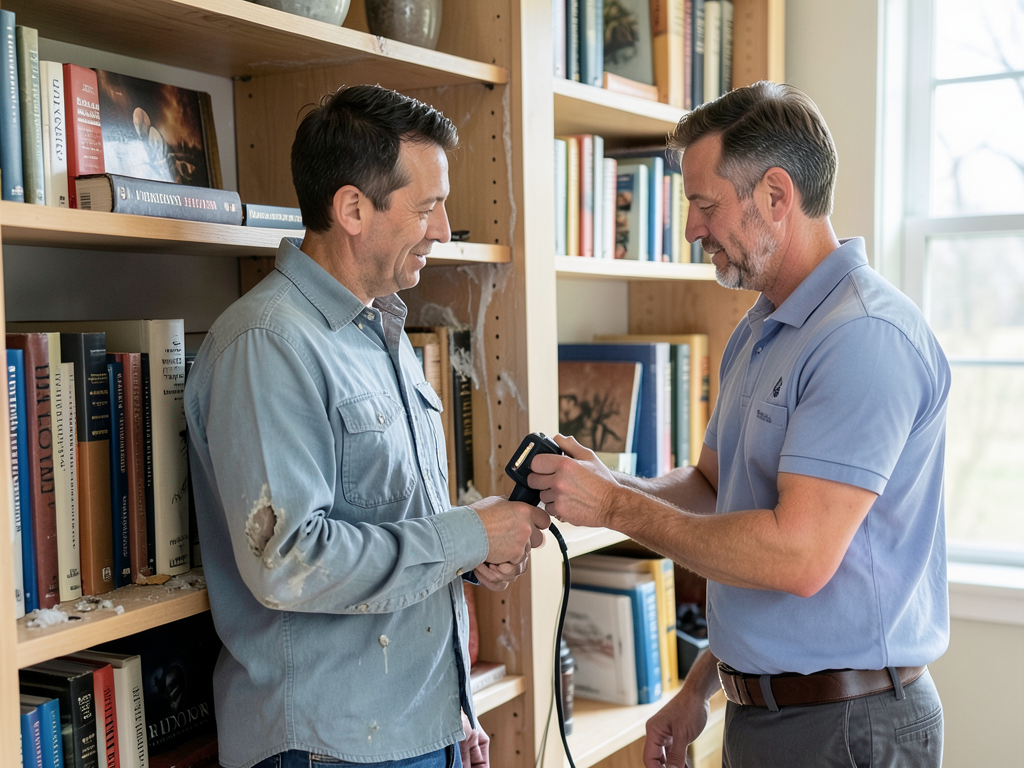
Can your custom built-in bookshelves in Radnor be saved after a pipe burst?

Can Your Custom Built-In Bookshelves in Radnor Be Saved After a Pipe Burst? Water damage to custom built-ins in Radnor…

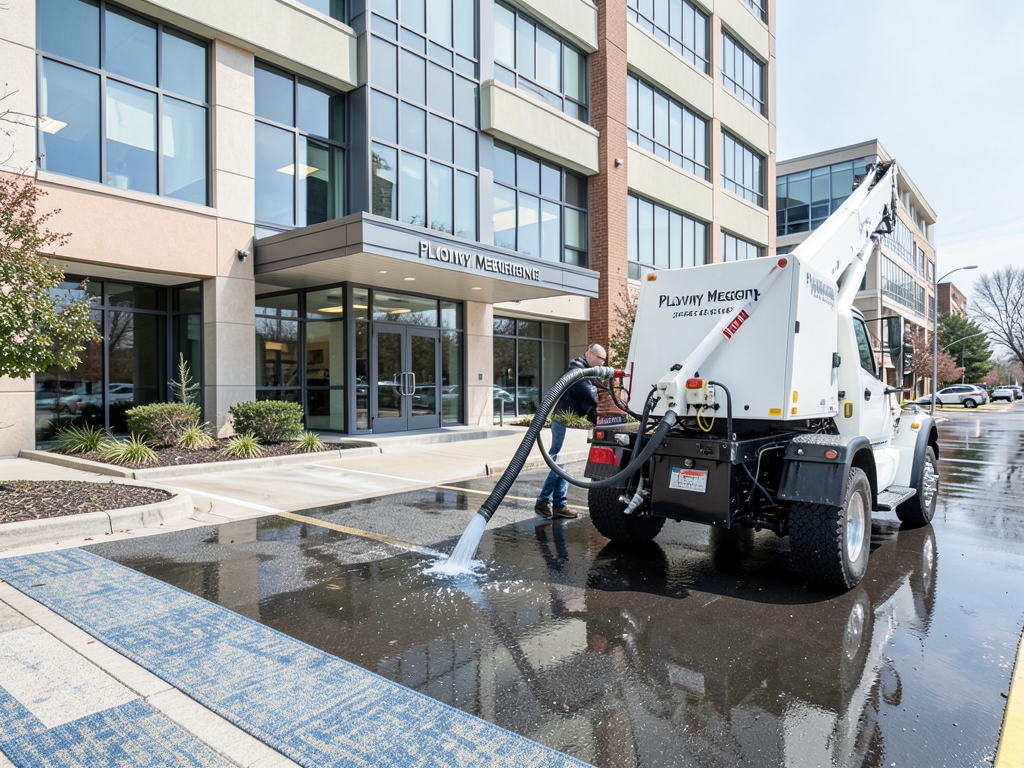
Solving the mystery of office park leaks in Plymouth Meeting before they ruin the carpet

Solving the mystery of office park leaks in Plymouth Meeting before they ruin the carpet Office park leaks in Plymouth…

Contact Us

If you feel worse at home than anywhere else, hidden moisture and mold are likely the cause. Call Reliance Water Damage Restoration Philadelphia at (215) 610-8188 for a comprehensive moisture assessment. We identify the source and eliminate it permanently.