menu

School & University Restoration in Philadelphia – Minimize Downtime and Protect Your Academic Operations

Our school and university restoration teams deploy within hours across Philadelphia campuses, coordinating multi-building response with minimal disruption to classes, labs, and student housing.

Slider Image 1
Slider Image 2
Slider Image 3
Slider Image 4
Slider Image 5
Slider Image 7
Slider Image 8
Slider Image 9
Slider Image 10
Slider Image 11

Water Damage Threatens Academic Continuity Across Philadelphia Campuses

Philadelphia's freeze-thaw cycles rupture aging pipes in older academic buildings, while summer humidity accelerates mold growth in dormitories and library archives. A single burst pipe in a university residence hall can displace 200 students overnight. A flooded basement in a historic campus building threatens irreplaceable research materials and expensive lab equipment.

Educational facility water damage restoration demands speed and scale. You cannot afford multi-week closures during the academic year. Liability exposure increases with every hour students occupy compromised buildings. Mold spores spread through HVAC systems, triggering health complaints and potential lawsuits. Insurance carriers demand documentation of immediate mitigation efforts.

Philadelphia institutions face unique challenges. Many campuses feature century-old stone buildings with modern additions, creating complex drainage patterns. The Schuylkill River's proximity to several universities creates flood risk during heavy storms. Clay soil beneath West Philadelphia campuses shifts, stressing foundation walls and creating water entry points.

University flood cleanup services require coordination across facilities management, campus police, student housing, and academic departments. A flooded science building impacts not just classes but research timelines and grant deliverables. Dormitory flooding creates housing emergencies requiring immediate student relocation.

The cost of delayed response compounds daily. Water migrates through multi-story buildings, affecting floors below the initial damage. Structural materials absorb moisture, requiring more extensive demolition later. College campus water remediation executed within 24 hours prevents 70 percent of secondary damage. Educational institutions operate on fixed budgets, making cost containment through rapid response critical to protecting your institution's financial health.

Water Damage Threatens Academic Continuity Across Philadelphia Campuses
Our Coordinated Response for Educational Facilities

Our Coordinated Response for Educational Facilities

School disaster recovery services begin with incident command protocol. We assign a dedicated project manager who interfaces with your facilities director, security team, and insurance adjuster. This single point of contact eliminates confusion during multi-building emergencies.

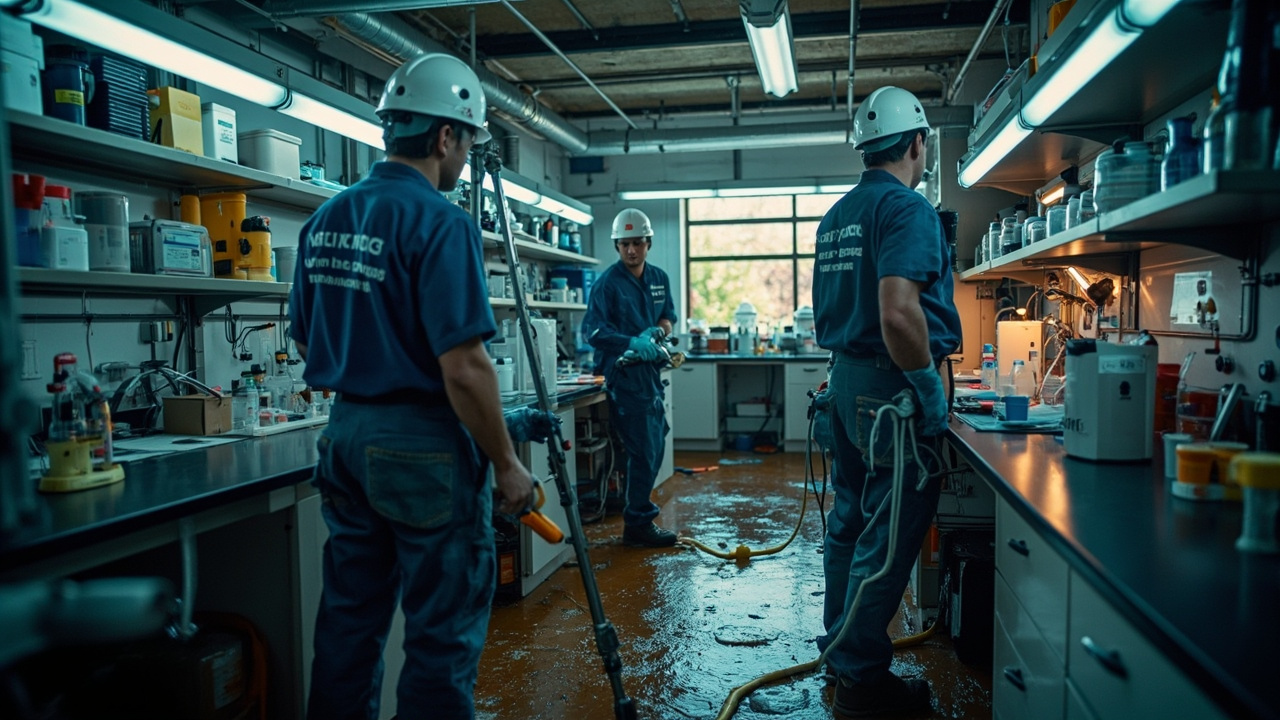
Our initial assessment maps affected zones using thermal imaging and moisture meters calibrated for institutional environments. We identify structural cavities where water accumulates unseen behind plaster walls or above drop ceilings. In science buildings, we test for chemical contamination before beginning water extraction. In libraries and archives, we employ specialized procedures for document recovery.

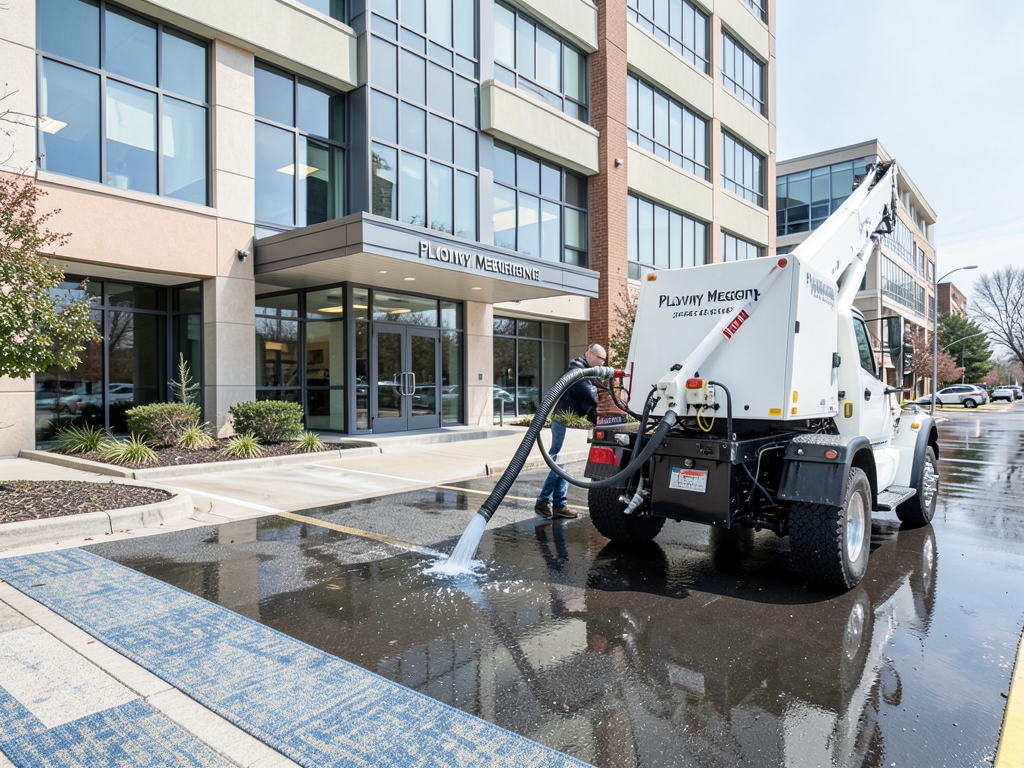
We deploy industrial extraction equipment rated for high-volume removal, clearing standing water from classrooms and corridors within hours. Truck-mounted extractors handle flooded basements and mechanical rooms efficiently. We stage equipment to minimize impact on foot traffic, using after-hours access when possible.

Academic building water damage repair follows a phased approach that keeps unaffected building sections operational. We install temporary barriers and negative air pressure systems to contain affected zones. This prevents cross-contamination and allows adjacent classrooms or offices to remain in use.

Our drying protocol uses commercial dehumidifiers and air movers positioned based on airflow modeling. We monitor moisture levels in structural materials twice daily, adjusting equipment placement as conditions change. In dormitories, we coordinate with housing staff to relocate students only when necessary, often drying rooms while students attend classes.

We document every phase with time-stamped photos and moisture readings. Your insurance carrier receives daily progress reports. This documentation protects you from claim disputes and demonstrates due diligence if liability questions arise later. We understand the regulatory environment educational institutions face, maintaining detailed chain of custody records for all affected materials.

What Happens During Campus Water Damage Response

School & University Restoration in Philadelphia – Minimize Downtime and Protect Your Academic Operations
01

Emergency Containment and Assessment

We dispatch teams to your Philadelphia campus within two hours of contact. Our crew identifies water sources, shuts off supply lines if needed, and establishes containment zones. We map damage extent using moisture detection equipment, creating a digital floor plan that identifies all affected spaces. This assessment informs our extraction strategy and helps your facilities team understand which building systems require inspection.
02

Coordinated Water Removal

Our extraction teams work in scheduled blocks that accommodate your academic calendar. We remove standing water using truck-mounted extractors, then deploy air movers and dehumidifiers throughout affected zones. In multi-story buildings, we monitor floors below the incident site for water migration through floor assemblies. We adjust our equipment deployment based on building occupancy patterns, minimizing noise impact during class hours when possible.
03

Restoration and Documentation

Once structural materials reach acceptable moisture levels, we remove damaged finishes and prepare surfaces for reconstruction. We coordinate with your contractors or provide turnkey rebuild services, matching existing finishes in historic buildings. You receive a comprehensive documentation package including moisture logs, photo evidence, and equipment deployment records. This package supports your insurance claim and provides proof of proper mitigation for regulatory compliance.

Why Philadelphia Schools Choose Reliance Water Damage Restoration Orlando

Philadelphia educational institutions require contractors who understand campus operations. We have managed water damage response in occupied dormitories during finals week and coordinated multi-building restoration during summer session. Our crews understand security protocols, background check requirements, and the need for discrete operations that do not alarm students or parents.

We maintain relationships with Philadelphia structural engineers who understand historic campus buildings. Many Philadelphia universities occupy structures built before modern waterproofing standards existed. These buildings feature stone foundations, lime mortar joints, and plaster wall systems that require specialized drying techniques. We do not use one-size-fits-all approaches that work in modern commercial spaces but damage historic materials.

Our equipment inventory supports large-scale response. We can deploy 50 air movers and 20 commercial dehumidifiers to a single campus within four hours. This capacity matters when a residence hall floods and you need 30 rooms dried simultaneously to avoid displacing students. Smaller restoration firms lack the equipment volume to handle institutional-scale emergencies efficiently.

We understand the insurance landscape for educational institutions. Many schools self-insure or participate in risk pools with specific documentation requirements. Our project managers have worked with educational insurance carriers, providing the detailed reporting these programs demand. We know which line items receive scrutiny and how to structure estimates that align with institutional procurement rules.

Philadelphia's regulatory environment adds complexity. The Philadelphia Department of Licenses and Inspections requires permits for certain restoration work in institutional occupancies. We manage permit applications and coordinate required inspections, keeping your project compliant and on schedule. This regulatory knowledge protects you from violations that could delay reopening damaged spaces.

Our communication protocols fit institutional decision-making structures. We provide daily briefings to your facilities director and can present updates to your risk management team or board of trustees when significant incidents occur.

What Your Institution Can Expect

Response Timeline for Campus Emergencies

Our dispatch center operates around the clock, staffed by project coordinators familiar with Philadelphia campus locations. You reach a decision-maker immediately, not an answering service. We commit to two-hour response for emergencies during the academic year. Our crews arrive with extraction equipment loaded, ready to begin containment immediately. For planned shutdowns during breaks, we schedule larger projects with advance coordination, often completing multi-room restoration while students are away. Summer break provides optimal windows for extensive restoration that would disrupt operations during the semester.

Campus Assessment and Scope Development

Our assessment teams walk affected spaces with your facilities personnel, documenting damage extent and identifying occupancy concerns. We use thermal imaging to detect moisture in wall cavities and above ceilings, finding hidden damage that causes problems later if missed. You receive a written scope within 24 hours outlining required work, estimated timeline, and equipment deployment plan. This scope includes specific callouts for any hazardous materials encountered, special handling for research equipment or archives, and coordination requirements with your other contractors. We revise the scope as conditions change, keeping your team informed throughout the project.

Quality Standards and Final Conditions

We dry structural materials to industry standards verified by moisture meter readings, not visual inspection alone. Wood framing must reach 15 percent moisture content or below. Concrete floors must reach levels that will not compromise new flooring installations. We provide written certification that spaces meet these standards before reconstruction begins. In dormitories and classroom buildings, we verify that HVAC systems are free of mold contamination before returning spaces to service. Your facilities team receives documentation suitable for regulatory inspections or insurance audits.

Post-Restoration Support and Prevention Planning

After completing restoration, we provide your maintenance staff with a briefing on conditions we observed. This briefing identifies building vulnerabilities that contributed to the incident, such as aging pipe sections or inadequate drainage. We recommend specific improvements that reduce future risk, helping you prioritize capital improvement spending. Many institutions retain us for annual building assessments, using thermal imaging during cold months to identify areas of heat loss that indicate moisture problems developing. This proactive approach catches small issues before they become emergency restoration projects during the academic year.

Frequently Asked Questions

You Have Questions,
We Have Answers

Why Philadelphia's Aging Campus Infrastructure Demands Specialized Water Damage Response

Philadelphia universities and colleges occupy some of the nation's oldest academic buildings. Structures built in the 1800s feature stone foundations without waterproofing membranes and cast iron plumbing nearing the end of its service life. The city's freeze-thaw cycles stress these systems, causing sudden failures during winter cold snaps. West Philadelphia's clay soil expands and contracts with moisture changes, creating foundation movement that stresses both plumbing and building envelopes. These conditions require restoration teams who understand how water behaves in historic masonry buildings and how to dry these structures without causing additional damage to irreplaceable architectural elements.

Philadelphia's concentrated higher education sector means local restoration contractors understand institutional operations. We have worked with the unique challenges of Center City campuses where street access limits equipment staging and University City locations where multiple institutions share infrastructure. Our familiarity with Philadelphia's building codes for institutional occupancies ensures restoration work meets Department of Licenses and Inspections requirements. Educational institutions benefit from choosing contractors who understand both the technical demands of water damage restoration and the operational realities of maintaining academic continuity in occupied campus buildings throughout the restoration process.

Water Damage Restoration Services in The Philadelphia Area

View our service area to see how Reliance Water Damage Restoration delivers fast, reliable support across the region. Whether it’s residential basements or commercial spaces, our team is locally based and ready to respond 24/7. We’re committed to being near you when emergencies strike—count on us for prompt, professional care.
(80 words)

Address:
Reliance Water Damage Restoration Philadelphia, 100 N 18th St, Philadelphia, PA, 19103

Additional Services We Offer

Our news updates

Latest Articles & News from The Blogs

Identifying moisture problems in the unique limestone foundations of Swarthmore homes If you own a historic home in Swarthmore you…

Identifying moisture problems in the unique limestone foundations of Swarthmore homes

Identifying moisture problems in the unique limestone foundations of Swarthmore homes If you own a historic home in Swarthmore you…

Can your custom built-in bookshelves in Radnor be saved after a pipe burst?

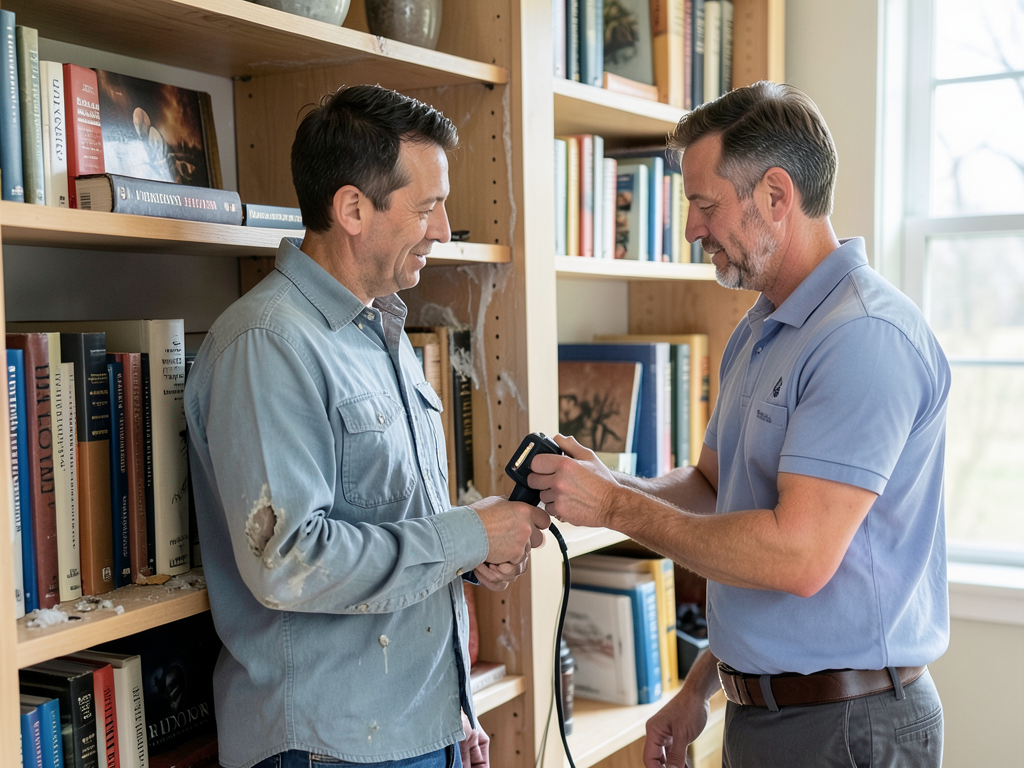
Can Your Custom Built-In Bookshelves in Radnor Be Saved After a Pipe Burst? Water damage to custom built-ins in Radnor…

Solving the mystery of office park leaks in Plymouth Meeting before they ruin the carpet

Solving the mystery of office park leaks in Plymouth Meeting before they ruin the carpet Office park leaks in Plymouth…

Contact Us

Call (215) 610-8188 now to speak with a project manager experienced in Philadelphia campus restoration. Our teams deploy rapidly, coordinate with your facilities staff, and minimize disruption to academic operations. Do not let water damage impact your institution's mission.