menu

Office Building Water Restoration in Philadelphia – Minimize Downtime and Protect Your Commercial Assets

Industrial-grade water extraction, structural drying, and compliance-focused restoration that keeps your Philadelphia office operational. Our commercial water damage restoration services target speed, liability mitigation, and business continuity for multi-tenant buildings and corporate facilities.

Slider Image 1
Slider Image 2
Slider Image 3
Slider Image 4
Slider Image 5
Slider Image 7
Slider Image 8
Slider Image 9
Slider Image 10
Slider Image 11

Why Philadelphia Office Buildings Face Critical Water Damage Risks

Philadelphia's commercial building stock presents unique vulnerabilities. Many Center City and University City office towers were constructed between the 1960s and 1980s, when building envelope systems and HVAC condensate drainage were less sophisticated. Combine this with the city's freeze-thaw cycles, which compromise aging pipe joints and roof membranes, and you face a high-probability environment for commercial property water mitigation needs.

When a sprinkler head fails on the eighth floor or a rooftop HVAC unit floods, the damage cascades vertically. Water travels through drop ceilings, saturates drywall, and infiltrates electrical chases. Your tenants lose access to their workspace. Your liability exposure multiplies by the hour. Your property insurance deductible clock starts ticking.

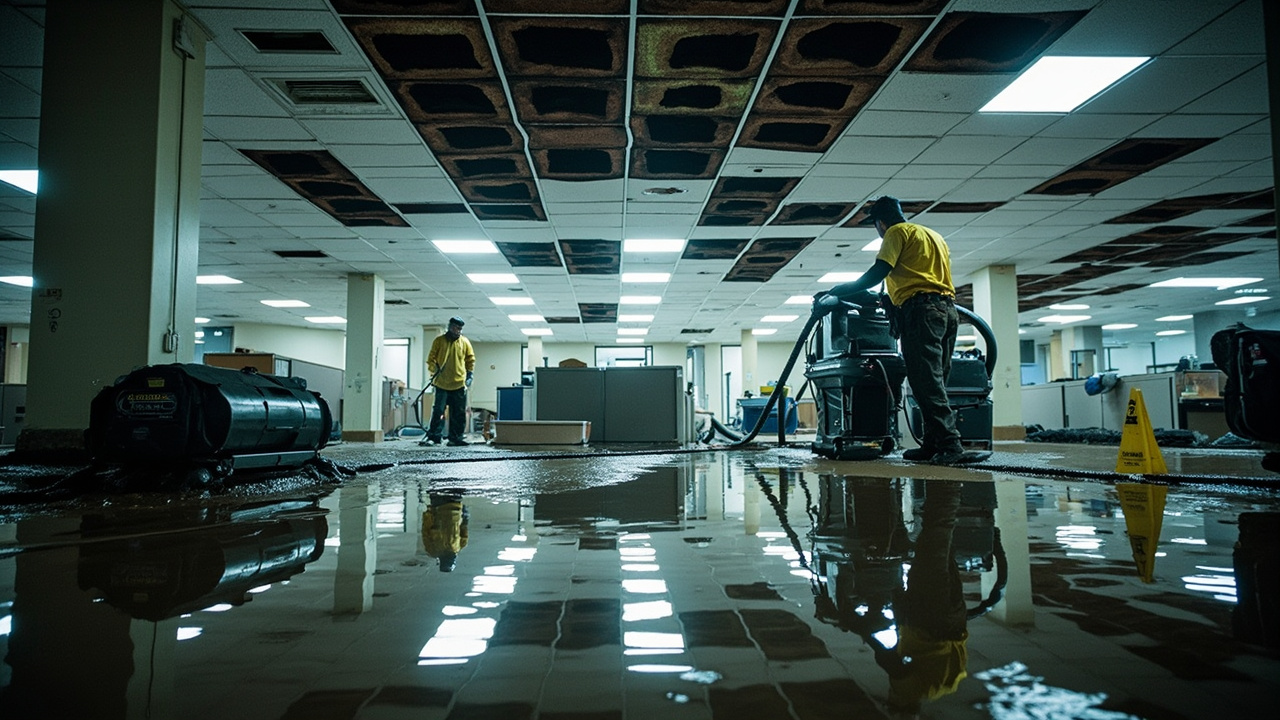
Office water damage cleanup is not a janitorial function. It requires thermal imaging to map moisture intrusion behind finished surfaces, commercial-grade dehumidification to prevent mold colonization within 48 hours, and coordination with building management to maintain HVAC zones during drying. A delayed response converts a contained pipe burst into a multi-floor renovation project that displaces tenants and triggers lease disputes.

Philadelphia's commercial building code requires documentation of all water intrusion events for future buyers and lenders. Business water damage repair must include moisture mapping, antimicrobial treatment records, and proof of structural drying to industry standards. Without this documentation, you compromise your building's marketability and expose yourself to future claims.

The cost of inaction is not just the physical damage. It is lost rent, tenant turnover, regulatory scrutiny, and diminished asset value.

Why Philadelphia Office Buildings Face Critical Water Damage Risks
How Commercial Building Water Extraction Differs from Residential Work

How Commercial Building Water Extraction Differs from Residential Work

Office building water restoration requires equipment capacity and operational protocols that residential work does not. A single floor in a commercial tower can hold 10,000 square feet of open workspace, with water pooling in concealed areas like raised flooring systems and HVAC plenums. Extracting this volume demands truck-mounted pumps, not shop vacuums.

We deploy trailer-mounted desiccant dehumidifiers that process 2,000 cubic feet per minute. These units lower humidity to 30 percent within 72 hours, preventing secondary damage to electronics, paper records, and architectural finishes. We also use low-grain refrigerant dehumidifiers in enclosed spaces where temperature control is critical, such as server rooms and medical offices.

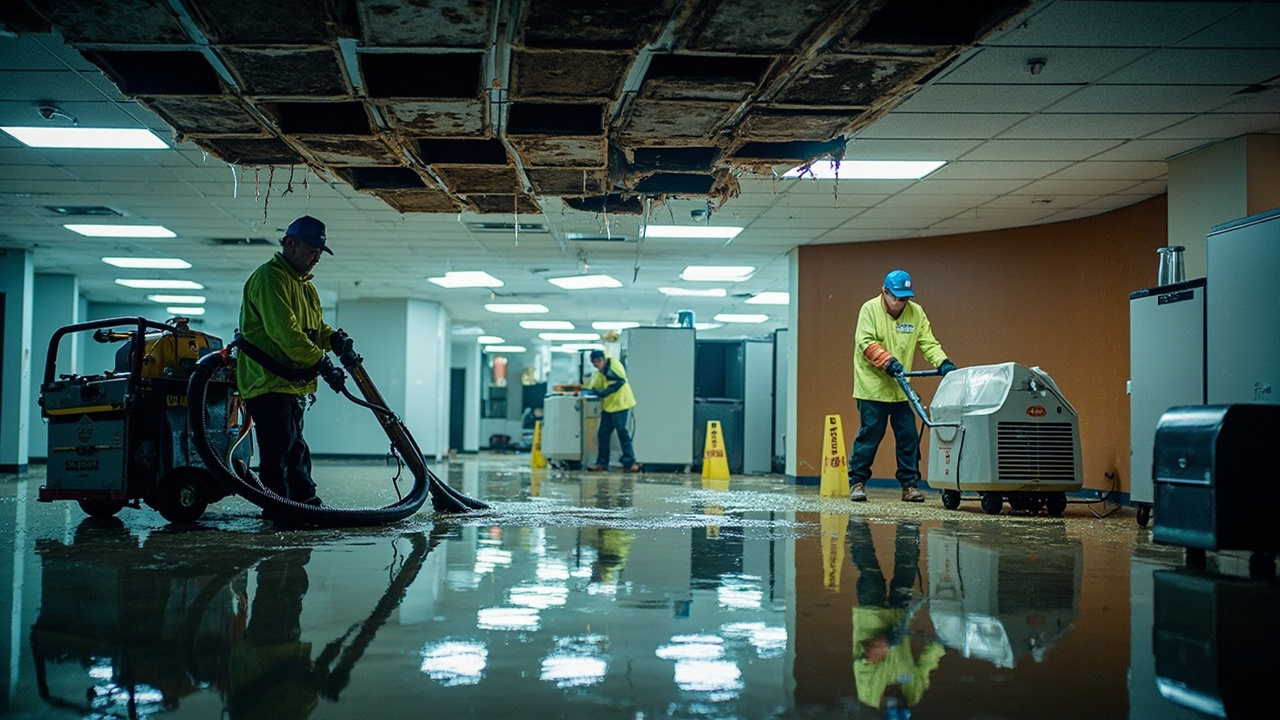
Structural drying in commercial properties requires air movement across all six surfaces of every affected room. We position axial fans to create cross-ventilation patterns, measure airflow with anemometers, and document drying progress with daily moisture readings. This data feeds into your insurance adjuster's loss calculation and protects you from underpayment.

Our commercial water damage restoration process includes containment. We erect plastic barriers and negative air machines to isolate the affected zone, preventing humidity migration to unaffected floors. This allows unaffected tenants to remain operational while we work. We also coordinate with your property management team to schedule after-hours work in high-traffic areas, minimizing disruption.

We handle the documentation burden. Every job includes a moisture map, thermal imaging report, equipment log, and daily progress photos. This package satisfies insurance requirements, supports your tenant communications, and provides legal protection if disputes arise. You get a turnkey solution that addresses both the physical damage and the administrative aftermath.

What Happens During a Commercial Water Damage Response

Office Building Water Restoration in Philadelphia – Minimize Downtime and Protect Your Commercial Assets
01

Emergency Containment and Assessment

We arrive within 90 minutes to stop the source, extract standing water, and map the affected area using infrared cameras. Our team identifies compromised building systems, including electrical panels, HVAC ductwork, and structural elements. You receive an immediate scope of work that outlines the equipment needed, the drying timeline, and the coordination requirements with your property management team and insurance carrier.
02

Controlled Drying and Monitoring

We install commercial-grade dehumidifiers, air movers, and containment barriers to create optimal drying conditions. Our technicians take moisture readings every 24 hours using penetrating meters and document progress in a digital log. We adjust equipment placement based on real-time data to ensure drying efficiency. This phase continues until all materials reach equilibrium moisture content, typically 72 to 96 hours for office spaces with standard finishes.
03

Final Verification and Reporting

Once moisture levels stabilize, we conduct a final inspection using thermal imaging and moisture meters to confirm complete drying. You receive a comprehensive report with before-and-after moisture readings, thermal images, equipment logs, and antimicrobial treatment records. This documentation supports your insurance claim, satisfies tenant concerns, and provides legal protection. We also coordinate with your restoration contractor to ensure a smooth transition to reconstruction if needed.

Why Philadelphia Building Owners Choose Reliance Water Damage Restoration Orlando

Commercial property water mitigation requires an understanding of Philadelphia's building inventory and regulatory environment. Many Center City office buildings are subject to historic preservation standards, which dictate how you can dry and repair original plaster walls, terrazzo floors, and ornamental ceilings. We have worked with the Philadelphia Historical Commission on projects in the Rittenhouse Square and Society Hill districts, where improper drying techniques can cause irreversible damage to protected architectural elements.

We also understand the insurance dynamics of commercial claims. Philadelphia's commercial property market involves a mix of national carriers and regional insurers, each with different documentation requirements and preferred vendor lists. We work directly with adjusters to provide the technical data they need to process your claim quickly. This accelerates payment and reduces your out-of-pocket exposure.

Our equipment inventory is sized for commercial work. We maintain trailer-mounted desiccant dehumidifiers, truck-mounted extraction units, and industrial air scrubbers that can handle multi-floor water events. We do not rent equipment from third parties or delay response while waiting for availability. When you call, we deploy immediately with the capacity to handle your entire building.

We also coordinate with your building systems. Office towers rely on centralized HVAC, fire suppression, and electrical distribution. Our team works with your building engineer to isolate affected zones, maintain life safety systems, and prevent cross-contamination. This coordination minimizes tenant complaints and keeps your building operational during restoration.

You get a single point of contact who manages the technical work, the insurance documentation, and the tenant communication. This eliminates the chaos that typically follows a commercial water event and allows you to focus on your core business.

What to Expect from Our Office Building Water Restoration Services

Rapid Deployment and Damage Control

We maintain a 90-minute response time for commercial water emergencies in Philadelphia. Our dispatch system prioritizes office building calls because we understand the liability and revenue implications of delayed action. We arrive with truck-mounted extraction equipment, thermal imaging cameras, and commercial-grade dehumidifiers. Our first priority is stopping the water source, extracting standing water, and preventing secondary damage to unaffected areas. You receive an immediate damage assessment and a clear timeline for drying and restoration. This speed minimizes tenant displacement and reduces your overall claim cost.

Comprehensive Moisture Mapping and Documentation

We use FLIR thermal imaging cameras and Tramex moisture meters to map water intrusion behind walls, under flooring, and above ceilings. This data drives our drying strategy and provides the documentation your insurance carrier requires. We take daily moisture readings and photograph equipment placement to create a defendable record of our work. This documentation protects you from future mold claims and supports your insurance recovery. You also receive a final report with moisture maps, thermal images, and drying logs that satisfy tenant concerns and regulatory requirements.

Complete Structural Drying and Air Quality Control

We achieve structural drying using commercial dehumidifiers that process 2,000 cubic feet per minute and axial fans that create controlled airflow patterns. Our team monitors humidity levels, temperature, and airflow velocity to optimize drying conditions. We also deploy HEPA-filtered air scrubbers to remove airborne contaminants and prevent odor development. This approach ensures your office space returns to pre-loss condition without residual moisture or microbial growth. Most office spaces reach equilibrium moisture content within 72 to 96 hours, allowing you to resume normal operations quickly.

Post-Restoration Verification and Reporting

Once drying is complete, we conduct a final inspection to verify all materials have reached acceptable moisture levels. You receive a closeout report with before-and-after moisture readings, thermal images, and equipment logs. This report satisfies insurance requirements and provides legal protection if disputes arise. We also provide recommendations for preventing future water damage, including maintenance schedules for rooftop HVAC units, pipe insulation upgrades, and leak detection system installations. This proactive approach reduces your long-term risk and protects your property value.

Frequently Asked Questions

You Have Questions,
We Have Answers

How to charge for water restoration? +

Water restoration pricing is structured around scope, not guesswork. You calculate labor hours, equipment rental days (air movers, dehumidifiers, extractors), disposal costs, and materials. Document every damaged component with photos and moisture readings. Use industry software to generate line-item estimates that align with Xactimate or similar platforms your insurer accepts. Factor in overhead, profit margin, and liability exposure. In Philadelphia, add considerations for older building materials (plaster, hardwood) that require specialty handling. Always provide a written scope of work before starting. Transparent pricing protects you from disputes and accelerates insurance claim approval.

Is water damage restoration worth it? +

For commercial properties, water restoration is not optional. Unaddressed water intrusion compromises structural integrity, triggers mold growth within 48 hours, and creates liability exposure. Philadelphia's humidity accelerates deterioration. Restoration preserves asset value, maintains tenant habitability, and prevents code violations. The alternative is catastrophic: progressive rot, electrical hazards, and potential building condemnation. Restoration cost is a fraction of replacement cost. It also minimizes business interruption, which directly impacts revenue. From an ROI perspective, immediate professional intervention protects your capital investment and avoids compounding losses. Delay equals exponential expense.

Is water restoration covered by insurance? +

Coverage depends on your policy and the water source. Sudden, accidental discharge (burst pipes, roof leaks from storms) is typically covered under commercial property insurance. Gradual damage from neglect or maintenance failures is not. Flood damage requires separate flood insurance, which matters in Philadelphia given proximity to the Schuylkill and Delaware Rivers. Sewer backups may need specific endorsements. Your restoration contractor should document the loss origin and provide detailed estimates for your adjuster. Review your declarations page. Know your deductible, coverage limits, and exclusions before a loss occurs. Most commercial policies cover restoration if the peril is covered.

How much does water restoration cost per square foot? +

Water restoration costs range from 3 to 15 dollars per square foot, depending on water category, affected materials, and extraction complexity. Class 1 losses (minimal absorption) cost less than Class 4 (deep penetration into concrete or stone). Philadelphia office buildings with plaster walls, terrazzo floors, or historic finishes increase costs due to specialty drying requirements. Clean water is cheaper to remediate than contaminated water. This per-square-foot figure includes extraction, drying, antimicrobial treatment, and monitoring but excludes reconstruction. Get a written estimate with line-item breakdowns. Avoid flat-rate pricing. Accurate scoping prevents budget overruns and ensures proper insurance reimbursement.

Do you need a license for water restoration? +

Yes. Pennsylvania requires water restoration contractors to hold a Home Improvement Contractor (HIC) license if the project exceeds 5,000 dollars, which most commercial jobs do. Technicians should hold IICRC certifications in Water Damage Restoration and Applied Structural Drying. Philadelphia also requires business privilege licenses for companies operating within city limits. Verify your contractor carries general liability insurance and workers' compensation coverage. Unlicensed operators expose you to liability if workers are injured on your property. Licensing ensures adherence to industry standards and protects your insurance claim. Always request proof of credentials before signing a contract. Compliance matters.

What does water restoration consist of? +

Water restoration involves water extraction, structural drying, dehumidification, antimicrobial treatment, and damage documentation. Technicians use truck-mounted extractors to remove standing water, then deploy air movers and commercial dehumidifiers to dry affected materials. Moisture mapping with thermal cameras and meters identifies hidden saturation in walls and subfloors. Damaged materials are removed if unsalvageable. In Philadelphia office buildings, this often includes carpet, drywall, and insulation. The process ends with air quality testing and final moisture verification. Restoration stops further damage but does not include reconstruction. That is a separate phase. Proper restoration takes 3 to 7 days depending on loss severity.

What is the difference between water remediation and restoration? +

Remediation removes the hazard. Restoration rebuilds what was lost. Remediation focuses on extraction, drying, disinfection, and mold removal to return the environment to safe conditions. Restoration involves reconstruction: replacing drywall, flooring, ceilings, and finishes. You need remediation first to stabilize the loss. Restoration follows once the structure is dry and safe. Many contractors handle both phases, but some specialize in remediation only. In commercial settings, remediation is urgent to prevent mold and protect occupants. Restoration timelines are flexible based on your operational needs. Philadelphia properties often require both due to aging infrastructure and resulting material degradation.

Can mold be fully remediated? +

Mold remediation removes visible growth and reduces spore counts to safe levels, but total eradication is impossible. Mold spores exist everywhere. Professional remediation involves containment, HEPA filtration, physical removal of contaminated materials, and antimicrobial application. Philadelphia's humidity makes mold recurrence likely if moisture sources persist. The goal is to remove active colonies and return spore counts to baseline levels. Post-remediation air testing confirms success. You cannot eliminate every spore, but you can eliminate the conditions that allow colonization. Control moisture, control mold. Remediation works if paired with humidity management and proper ventilation in your building.

Is it expensive to fix water damage? +

Water damage repair costs vary widely based on category, scope, and speed of response. Minor leaks confined to one room may cost a few thousand dollars. Major losses affecting multiple floors, HVAC systems, or historic materials can exceed 50,000 dollars. Philadelphia office buildings with older plumbing and flat roofs face higher risk. Commercial losses are more expensive than residential due to code compliance requirements, business interruption costs, and liability exposure. Insurance typically covers sudden losses. Early intervention reduces costs dramatically. Waiting 72 hours can triple expenses due to mold growth and secondary damage. Expense is relative to delay.

What qualifies as water damage? +

Water damage includes any intrusion that compromises building materials or creates hazardous conditions. This covers burst pipes, roof leaks, HVAC condensation, sewer backups, storm flooding, and sprinkler malfunctions. Damage manifests as staining, warping, swelling, odor, or visible mold. Philadelphia office buildings face risks from aging infrastructure, freeze-thaw pipe bursts, and flat roof ponding. Even minor leaks qualify if they saturate drywall, flooring, or insulation. Insurance adjusters classify damage by water category (clean, gray, or black) and affected material class. Documentation with moisture readings and photos establishes the claim. Any unwanted water intrusion is damage.

How Philadelphia's Aging Infrastructure Amplifies Office Building Water Damage Risk

Philadelphia's water distribution system dates to the early 20th century, with many commercial districts served by cast iron mains that experience frequent breaks. When street-level water main failures occur in Center City or University City, they can flood basement-level parking garages and mechanical rooms, disabling building systems and triggering multi-day outages. Office buildings near the Schuylkill River also face groundwater intrusion during heavy rain events, as the city's combined sewer system becomes overwhelmed. These conditions make commercial property water mitigation a recurring necessity, not a rare event.

Philadelphia's Department of Licenses and Inspections requires documentation of all water intrusion events that affect structural or mechanical systems. This documentation becomes part of the building's permanent record and can impact future sales, refinancing, and insurance underwriting. Working with a commercial water damage restoration provider who understands these local requirements protects your investment and ensures compliance. Our team has worked with Philadelphia L&I inspectors, insurance adjusters, and property management firms to deliver compliant, well-documented restoration projects that satisfy all stakeholders.

Water Damage Restoration Services in The Philadelphia Area

View our service area to see how Reliance Water Damage Restoration delivers fast, reliable support across the region. Whether it’s residential basements or commercial spaces, our team is locally based and ready to respond 24/7. We’re committed to being near you when emergencies strike—count on us for prompt, professional care.
(80 words)

Address:
Reliance Water Damage Restoration Philadelphia, 100 N 18th St, Philadelphia, PA, 19103

Additional Services We Offer

Our news updates

Latest Articles & News from The Blogs

Identifying moisture problems in the unique limestone foundations of Swarthmore homes If you own a historic home in Swarthmore you…

Identifying moisture problems in the unique limestone foundations of Swarthmore homes

Identifying moisture problems in the unique limestone foundations of Swarthmore homes If you own a historic home in Swarthmore you…

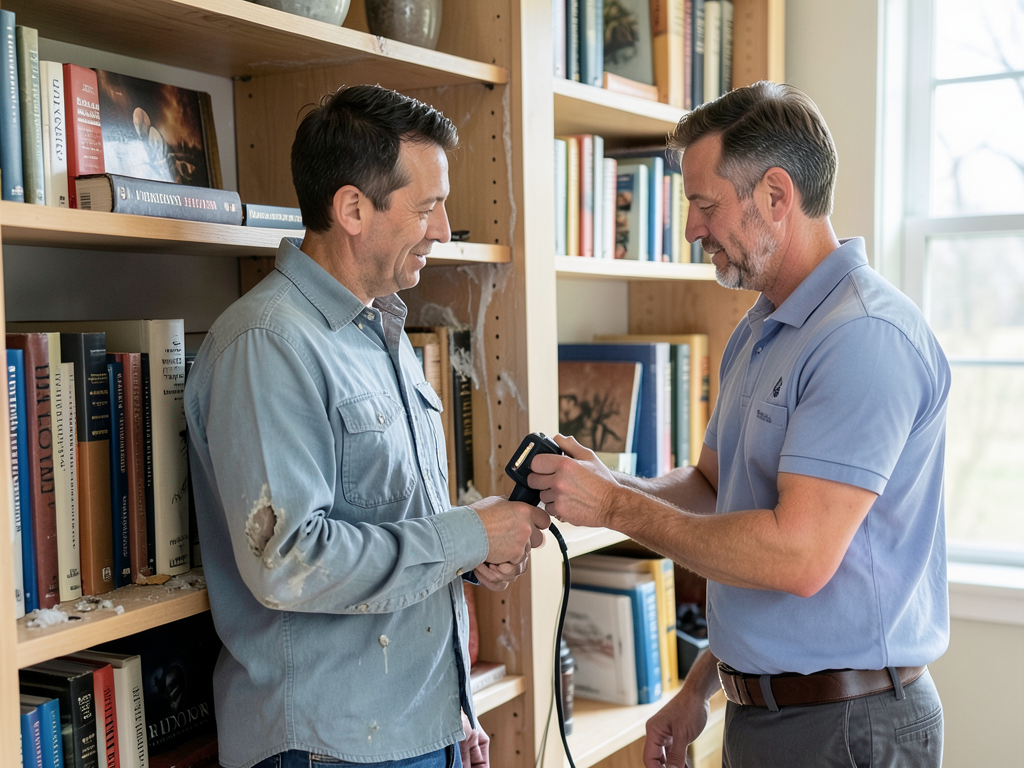
Can your custom built-in bookshelves in Radnor be saved after a pipe burst?

Can Your Custom Built-In Bookshelves in Radnor Be Saved After a Pipe Burst? Water damage to custom built-ins in Radnor…

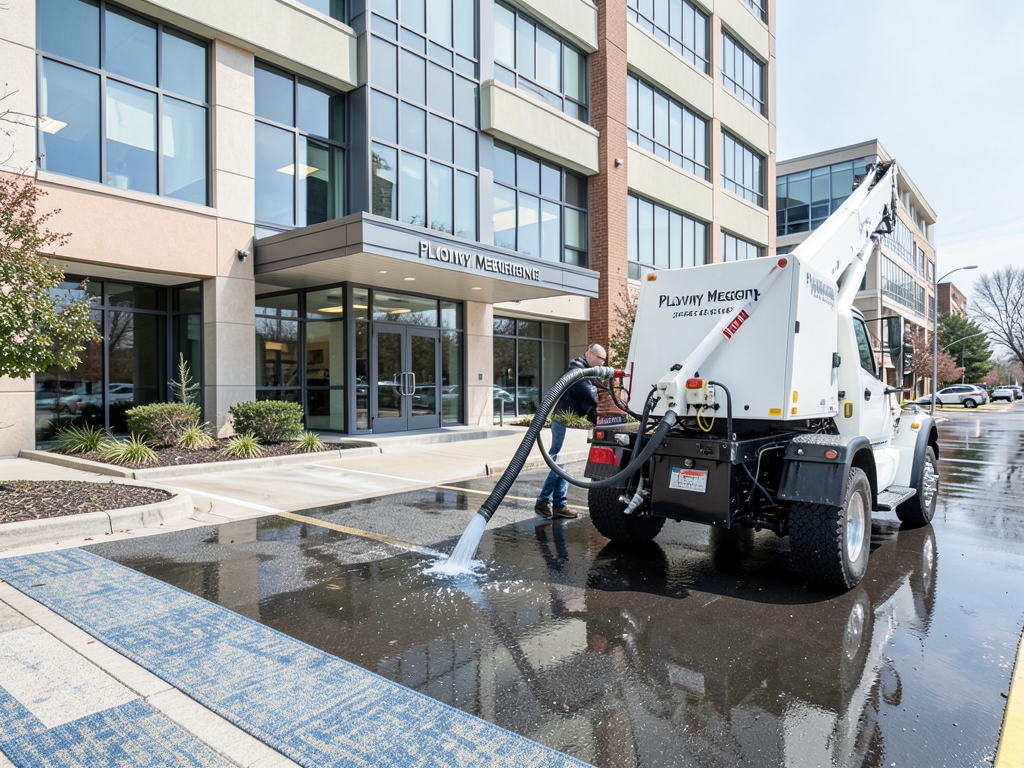
Solving the mystery of office park leaks in Plymouth Meeting before they ruin the carpet

Solving the mystery of office park leaks in Plymouth Meeting before they ruin the carpet Office park leaks in Plymouth…

Contact Us

Water damage in commercial properties escalates quickly. Every hour of delay increases your liability exposure and restoration cost. Call Reliance Water Damage Restoration Orlando at (215) 610-8188 for immediate deployment. We provide 24/7 emergency response, industrial-grade equipment, and complete documentation for your insurance claim.