menu

Hardwood Floor Water Damage in Philadelphia – Expert Restoration That Saves Your Floors Before It's Too Late

Philadelphia homeowners trust our specialized hardwood floor water damage repair to stop cupping, prevent mold growth, and restore wet hardwood flooring using advanced drying techniques that protect your investment.

Slider Image 1
Slider Image 2
Slider Image 3
Slider Image 4
Slider Image 5
Slider Image 7
Slider Image 8
Slider Image 9
Slider Image 10
Slider Image 11

Why Philadelphia Hardwood Floors Fail Fast After Water Exposure

Philadelphia's humidity swings between summer monsoons and winter freeze-thaw cycles create the perfect storm for water damaged wood floors. When your basement floods from a burst pipe or your row home takes on water from a leaking roof, your hardwood doesn't just get wet. It absorbs moisture like a sponge.

Within 24 hours, you see hardwood floor cupping. The edges lift. The boards swell. Within 48 hours, mold colonizes the subfloor. The damage compounds fast in Philadelphia's older housing stock, where many homes have original oak or maple floors laid directly over concrete slabs or crawl spaces with poor ventilation.

Wet hardwood flooring is not a cosmetic issue. The wood fibers break down. The finish cracks. The adhesive fails. If you wait three days, you're looking at full replacement, not repair. The window to save your floors is narrow.

Philadelphia's dense row home construction makes drying hardwood floors even harder. Limited airflow between homes traps moisture. Shared walls prevent cross-ventilation. You can't just open a window and hope for the best. You need extraction, dehumidification, and moisture mapping to pull water from the wood grain itself.

Most homeowners underestimate how deep water penetrates. Surface drying is not enough. Water migrates down into tongue-and-groove joints, under baseboards, and into the subfloor. Without professional wood floor water damage repair, you save nothing. You just delay the inevitable buckle and rot.

Why Philadelphia Hardwood Floors Fail Fast After Water Exposure
How We Stop Hardwood Floor Water Damage Before Replacement Becomes Necessary

How We Stop Hardwood Floor Water Damage Before Replacement Becomes Necessary

We do not sand and refinish water damaged wood floors without addressing the moisture problem first. That approach fails. The wood is still wet underneath. The finish traps moisture. The floor fails again in six months.

Our process starts with moisture content testing using pin and pinless meters. We measure moisture levels in the wood, the subfloor, and the concrete slab if applicable. We map the affected area. We identify whether the damage is surface saturation or deep penetration.

Next, we extract standing water using truck-mounted equipment. We pull water from between floorboards using weighted extraction mats. These mats create suction across the surface and draw moisture up from the subfloor. This is not a shop vac job. This is negative air pressure applied across hundreds of square feet.

Then we deploy low-grain refrigerant dehumidifiers and air movers in a controlled drying chamber. We seal off the affected area to prevent humidity from migrating into dried zones. We monitor moisture levels every 12 hours. Drying hardwood floors correctly takes three to seven days depending on the wood species, the level of saturation, and the subfloor material.

We do not rush this phase. Fast drying causes cracking and splitting. Slow, controlled drying allows the wood fibers to return to their original shape. Once moisture content drops below 12 percent, we assess whether the floor can be saved or needs replacement. Most floors caught within 48 hours can be restored. Reliance Water Damage Restoration Philadelphia has saved thousands of square feet of historic hardwood that other companies wrote off as total loss.

What Happens During Our Hardwood Floor Drying Process

Hardwood Floor Water Damage in Philadelphia – Expert Restoration That Saves Your Floors Before It's Too Late
01

Water Extraction and Mapping

We arrive within two hours of your call and begin extracting standing water using truck-mounted pumps and weighted extraction mats. We test moisture content in affected boards using calibrated pin meters and thermal imaging cameras to map the full extent of saturation. This gives us a baseline to track drying progress. We document everything for insurance purposes and identify whether water has reached the subfloor or structural joists.
02

Controlled Drying Setup

We position commercial-grade dehumidifiers and air movers in a calculated layout based on square footage and airflow dynamics. We create containment barriers using plastic sheeting to prevent cross-contamination with unaffected areas. We adjust temperature and humidity to optimize drying speed without causing wood shrinkage or cracking. Equipment runs continuously and we monitor moisture levels every 12 hours using the same pin locations to track reduction rates and adjust equipment as needed.
03

Final Moisture Testing and Assessment

Once moisture content drops below 12 percent across all tested areas, we remove equipment and perform a final inspection. We check for residual cupping, crowning, or buckling. We assess whether boards need sanding, replacement, or can be left as-is. We provide a written report with moisture readings, photos, and recommendations for refinishing or repair. If mold is present, we address remediation before any finish work begins. You get a clear action plan.

Why Philadelphia Property Owners Choose Us for Wet Hardwood Flooring Emergencies

Philadelphia's housing stock is old. Many homes in Queen Village, Fishtown, and Graduate Hospital have original hardwood floors that are 80 to 100 years old. These floors have historical value. They cannot be replaced with modern materials. They must be saved.

We understand the construction methods used in Philadelphia row homes. We know that floors installed before 1950 were often laid with cut nails and no moisture barrier. We know that basements in South Philadelphia flood regularly because of aging stormwater systems and poor drainage. We know that the Schuylkill River floods in spring and that homes near Pennypack Creek take on groundwater during heavy rain.

This local knowledge changes how we approach wood floor water damage repair. We do not use the same drying protocol for a modern colonial in the suburbs as we do for a Trinity row home in Northern Liberties. The airflow is different. The moisture sources are different. The wood species are different.

We work with Philadelphia insurance adjusters regularly. We know what documentation they require. We know how to code line items for hardwood floor restoration so you get maximum coverage. We provide detailed moisture logs, thermal imaging reports, and equipment placement diagrams. We make the claims process easier.

Reliance Water Damage Restoration Philadelphia is not a franchise. We are local. We respond faster. We know the neighborhoods. We know the contractors who do refinishing work after we complete drying. We coordinate the full restoration process so you are not managing five different vendors. You make one call. We handle the rest.

What You Can Expect When You Call Us for Hardwood Floor Water Damage

Immediate Response and Onsite Assessment

We answer calls 24 hours a day. When you call about water damaged wood floors, we dispatch a technician within two hours. If the situation is severe, we arrive faster. Our technician assesses the damage, tests moisture content, and begins extraction immediately. You do not wait for an estimate appointment three days later. We start working while the damage is still reversible. Time matters more than anything else in hardwood floor water damage. Every hour you wait increases the likelihood of permanent cupping and mold growth. We treat every call as urgent because it is.

Detailed Moisture Testing and Monitoring

We use professional-grade moisture meters to measure water content in the wood, subfloor, and surrounding materials. We take readings at multiple points and record them in a moisture log. We retest every 12 hours during the drying process to track progress. This data shows whether drying is happening at the correct rate and whether we need to adjust equipment placement or humidity levels. We provide you with copies of all moisture logs for your records and for insurance claims. You know exactly what is happening at each stage. There are no surprises.

Complete Restoration and Floor Integrity

Our goal is to restore your hardwood floors to their pre-damage condition. Once drying is complete, we assess whether boards need sanding, spot replacement, or refinishing. We coordinate with trusted local refinishing contractors if additional work is needed. We do not leave you with warped boards and tell you the job is done. We ensure structural integrity. We check for mold under baseboards and in subfloor cavities. We confirm that moisture levels are safe before we pack up equipment. The result is a dry, stable floor that looks and performs like it did before the water event.

Post-Restoration Guidance and Prevention Tips

After we complete drying hardwood floors, we provide recommendations to prevent future water damage. This includes guidance on improving basement drainage, sealing foundation cracks, upgrading sump pumps, and installing moisture barriers under hardwood if applicable. We explain what caused the damage and what you can do to reduce risk. If your floors were damaged by a plumbing leak, we recommend monitoring nearby pipes. If flooding was the cause, we discuss waterproofing options. We want you to keep your floors dry long-term. Prevention is cheaper than repair.

Frequently Asked Questions

You Have Questions,
We Have Answers

Will a swollen wood floor go back to normal? +

Sometimes. Minor swelling from brief water exposure may reverse as the wood dries naturally. However, Philadelphia's high humidity levels can complicate drying, and prolonged exposure often causes permanent damage. If floorboards remain swollen after 72 hours of drying, the wood fibers have likely expanded beyond recovery. Professional extraction equipment and dehumidifiers are critical to prevent cupping, warping, or buckling. Do not wait. The longer water sits, the less likely your floors will return to normal. Immediate intervention gives you the best chance of salvaging your hardwood without full board replacement.

What happens if hardwood flooring gets wet? +

Water penetrates the wood grain immediately, causing swelling, warping, and cupping. Within hours, moisture seeps between planks and into the subfloor, weakening structural integrity. Philadelphia's older homes with original hardwood are especially vulnerable because aging finish coats no longer repel water effectively. You may notice discoloration, buckling, or a spongy feel underfoot. Prolonged exposure triggers mold growth beneath the surface, creating health risks. Standing water also damages subfloor joists and promotes rot. Quick extraction and drying are non-negotiable. Even small leaks require professional moisture mapping to prevent hidden damage from spreading.

Will insurance pay for water damage to a wood floor? +

Most homeowner policies cover sudden and accidental water damage, like burst pipes or appliance failures. Gradual leaks or deferred maintenance are typically excluded. Flood damage requires separate flood insurance, which matters in Philadelphia neighborhoods near the Schuylkill or Delaware rivers. Your adjuster will inspect the source and timeline of damage. Document everything with photos and keep repair estimates. Some insurers depreciate hardwood based on age, reducing payouts. File your claim immediately. Delays can lead to denials if insurers argue you allowed secondary damage like mold to develop. Review your policy's water damage exclusions before assuming coverage.

How to flatten a wood floor after water damage? +

You cannot flatten water-damaged hardwood with DIY methods. Attempting to sand or press swollen boards risks splitting the wood or damaging the tongue-and-groove joints. Professional restoration involves controlled drying using commercial dehumidifiers and air movers to gradually reduce moisture content. Technicians monitor moisture levels with specialized meters to prevent over-drying, which causes cracking. In Philadelphia's humid climate, this process can take several days. If boards remain warped after proper drying, replacement is necessary. Sanding comes only after complete stabilization, not before. Rushing this process guarantees permanent damage and wasted money.

How to fix hardwood floor after water damage? +

Start with immediate water extraction and drying. Remove standing water, then run commercial dehumidifiers and air movers to pull moisture from the wood and subfloor. Monitor moisture levels daily. If boards cup or warp, professionals may need to remove and replace damaged sections while sanding and refinishing surrounding areas to blend the repair. Philadelphia's historic row homes often have subfloor issues that complicate repairs, requiring joist inspection. Mold remediation may be necessary if water sat for over 48 hours. Do not refinish until moisture content drops below 12 percent, or you will trap moisture and accelerate rot.

How to unswell a wooden floor? +

You cannot reverse swelling once wood fibers expand beyond their natural state. The only solution is controlled drying with professional-grade dehumidifiers, air movers, and moisture meters. Remove any standing water immediately, then create airflow across the floor surface. Philadelphia's summer humidity slows natural drying, making equipment essential. Monitor moisture content daily. If swelling does not reduce after 72 hours of drying, the boards are permanently damaged and require replacement. Do not apply heat sources like space heaters, which cause cracking and splitting. Patience and proper equipment are your only options. Anything else risks making the damage worse.

How much does it cost to repair a water-damaged hardwood floor? +

Costs vary widely based on damage severity, square footage, and whether you need board replacement or just drying and refinishing. Minor drying and sanding may run a few hundred dollars per room. Extensive damage requiring board replacement, subfloor repair, and refinishing can cost thousands. Philadelphia's older homes with original hardwood or limited access to matching materials increase costs. Water damage often hides in subfloors, adding unexpected expenses. Get multiple estimates and ask for moisture mapping reports to understand the full scope. Skipping proper restoration to save money guarantees recurring problems like mold, rot, and structural failure.

What do water-damaged hardwood floors look like? +

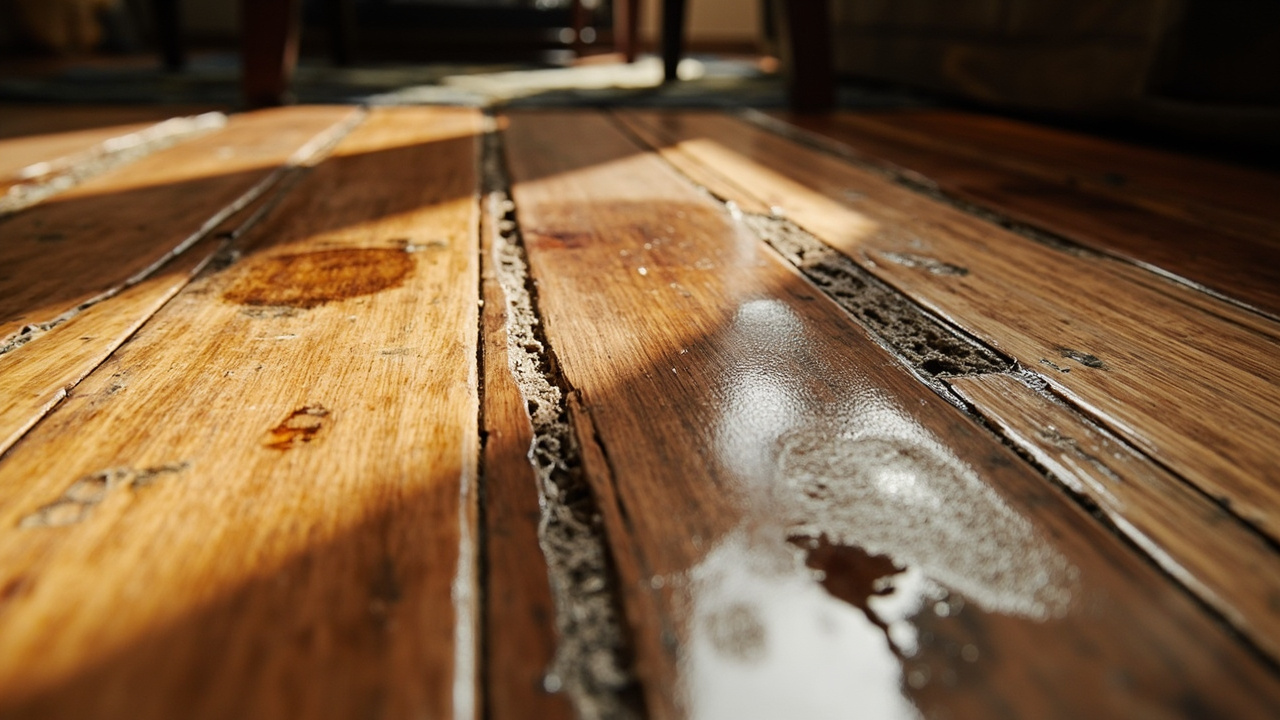
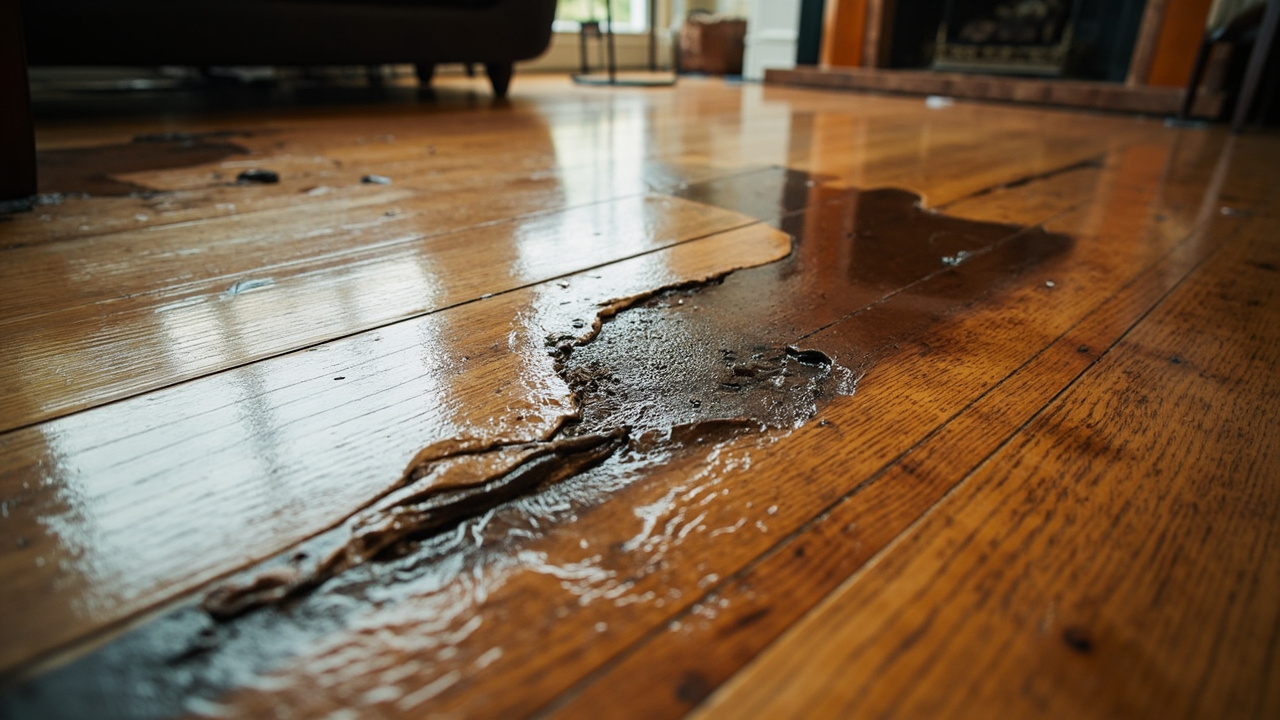
Water-damaged hardwood shows cupping, where board edges lift higher than centers, or crowning, where centers bulge upward. You may see dark staining, black spots indicating mold, or white discoloration from moisture trapped under the finish. Planks may buckle, creating raised ridges across the floor. Gaps appear between boards as wood contracts unevenly. Philadelphia homes with basement flooding often show waterline stains along baseboards. The floor may feel soft or spongy when you walk, signaling subfloor damage. Musty odors suggest hidden mold. Any of these signs require immediate professional assessment to prevent structural failure.

Why does my hardwood floor feel spongy when I walk on it? +

A spongy floor means water has compromised the subfloor or floor joists beneath your hardwood. Prolonged moisture exposure causes wood rot, weakening structural support. This is common in Philadelphia basements and first floors after pipe leaks or sewer backups. Walking on damaged subfloors risks collapse or further plank damage. You need immediate professional inspection to assess joist integrity and subfloor condition. Ignoring a spongy floor invites mold growth, pest infestations, and costly structural repairs. Surface-level hardwood fixes will not solve the problem. Address the subfloor first, or you will replace your hardwood twice.

How much can I claim for water damage? +

Claim amounts depend on your policy limits, deductible, and the extent of documented damage. Insurers pay for covered repairs minus your deductible, but they may depreciate older materials. Document everything with photos, videos, and professional estimates. Philadelphia's aging housing stock often reveals additional damage during restoration, complicating claims. Insurers cover direct water damage but exclude mold remediation if they argue you delayed reporting. Keep all receipts and communication records. If your adjuster undervalues your claim, hire a public adjuster to negotiate. Do not settle quickly. Ensure all hidden damage is identified before accepting a payout.

How Philadelphia's Aging Infrastructure Puts Historic Hardwood Floors at Risk

Philadelphia has one of the oldest combined sewer systems in the country. Heavy rain overwhelms the system regularly, causing basement backups in neighborhoods like Manayunk, East Falls, and Roxborough. When sewage and stormwater back up into basements, hardwood floors on the first level absorb moisture from below. The wood wicks water up through capillary action. This type of saturation is harder to detect because the surface looks dry while the subfloor and joists are soaked. Row homes built before 1940 often lack vapor barriers between the basement ceiling and first floor joists, allowing moisture to migrate freely. This makes wood floor water damage repair more complex in older Philadelphia homes compared to modern construction.

Philadelphia contractors who specialize in historic preservation know that hardwood floors in older homes require different treatment than modern prefinished flooring. Many original floors in Center City and Society Hill are solid oak or maple, three-quarters of an inch thick, and can be sanded multiple times. These floors have value that modern engineered wood does not. Reliance Water Damage Restoration Philadelphia works with preservation-minded homeowners who want to save original materials rather than replace them with stock flooring from a big box store. We understand the difference between solid hardwood and engineered planks. We adjust our drying protocols based on wood thickness, grain orientation, and installation method. Local expertise matters when the goal is preservation, not just replacement.

Water Damage Restoration Services in The Philadelphia Area

View our service area to see how Reliance Water Damage Restoration delivers fast, reliable support across the region. Whether it’s residential basements or commercial spaces, our team is locally based and ready to respond 24/7. We’re committed to being near you when emergencies strike—count on us for prompt, professional care.
(80 words)

Address:
Reliance Water Damage Restoration Philadelphia, 100 N 18th St, Philadelphia, PA, 19103

Additional Services We Offer

Our news updates

Latest Articles & News from The Blogs

Identifying moisture problems in the unique limestone foundations of Swarthmore homes If you own a historic home in Swarthmore you…

Identifying moisture problems in the unique limestone foundations of Swarthmore homes

Identifying moisture problems in the unique limestone foundations of Swarthmore homes If you own a historic home in Swarthmore you…

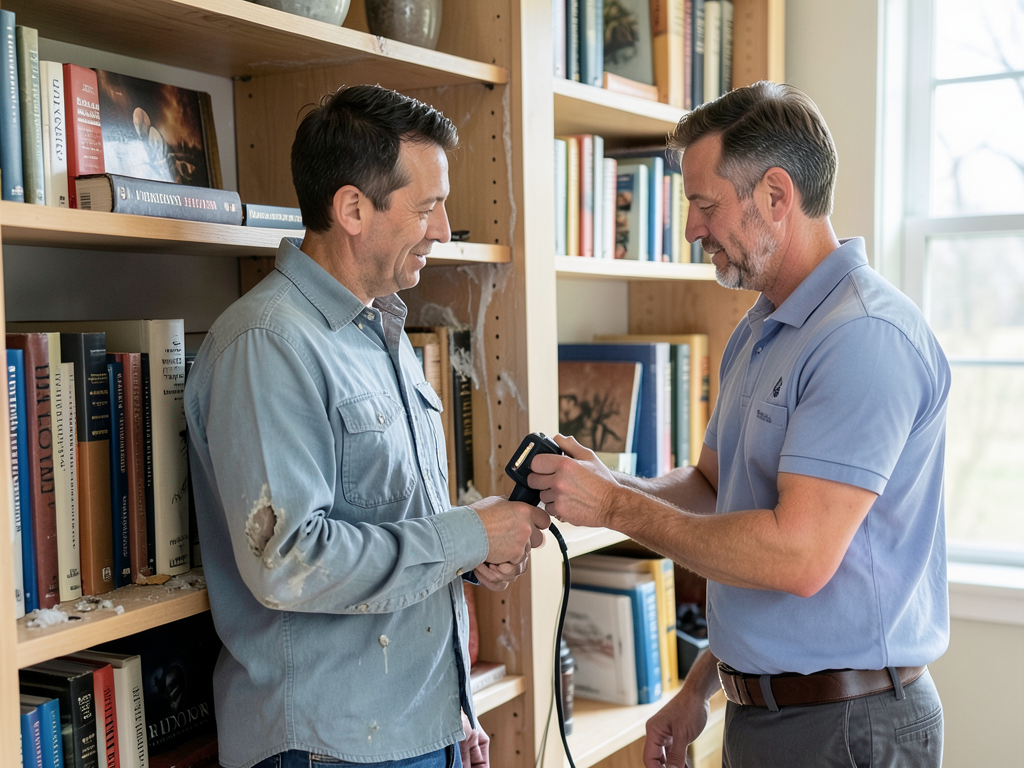
Can your custom built-in bookshelves in Radnor be saved after a pipe burst?

Can Your Custom Built-In Bookshelves in Radnor Be Saved After a Pipe Burst? Water damage to custom built-ins in Radnor…

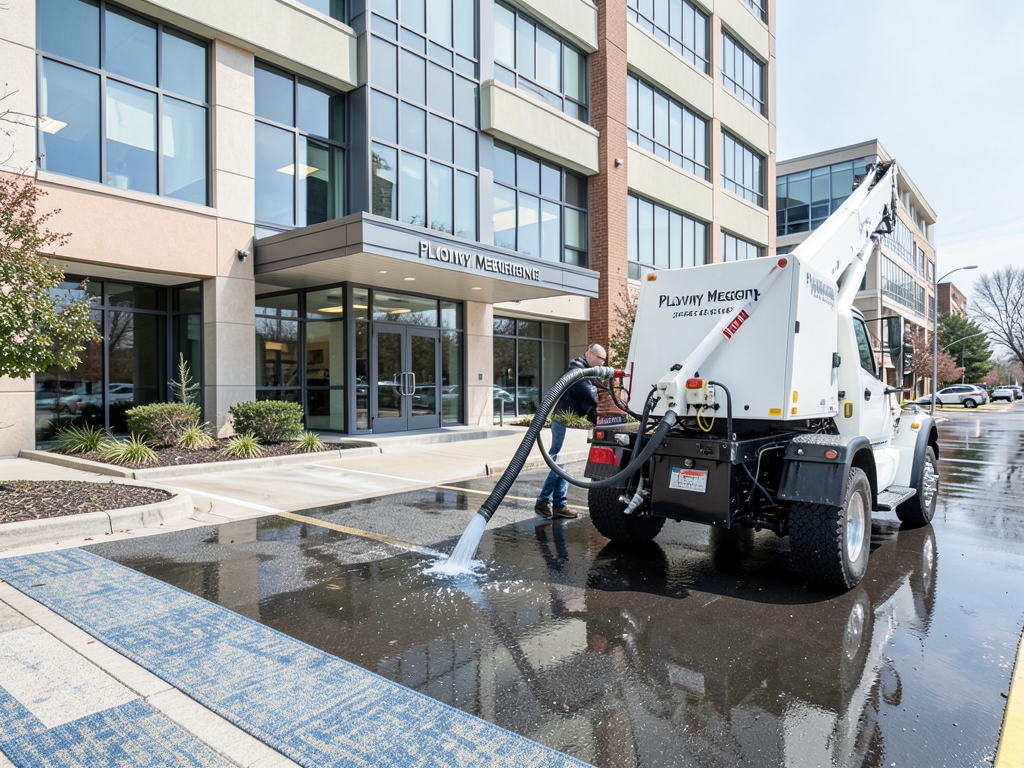
Solving the mystery of office park leaks in Plymouth Meeting before they ruin the carpet

Solving the mystery of office park leaks in Plymouth Meeting before they ruin the carpet Office park leaks in Plymouth…

Contact Us

Call (215) 610-8188 right now. Every hour you wait reduces the chance of saving your floors. We extract water, dry the wood correctly, and prevent mold growth. Our team is ready 24/7 to respond to wet hardwood flooring emergencies across Philadelphia.