menu

Steps to Take After a Flood in Philadelphia – Your Complete Post-Flood Recovery Checklist

Fast, Clear Guidance on Immediate Actions After Flooding to Protect Your Property, Health, and Insurance Claim in Greater Philadelphia

Slider Image 1
Slider Image 2
Slider Image 3
Slider Image 4
Slider Image 5
Slider Image 7
Slider Image 8
Slider Image 9
Slider Image 10
Slider Image 11

What Flooding Does to Philadelphia Homes and Why Speed Matters

Philadelphia's mix of aging rowhouses, low-lying areas near the Schuylkill and Delaware rivers, and frequent nor'easters create the perfect storm for residential flooding. When water enters your home, the clock starts immediately. The first 24 to 48 hours determine whether you face a simple cleanup or months of mold remediation, structural repairs, and insurance headaches.

Floodwater carries sewage, chemicals, and bacteria. It soaks into drywall, insulation, and subflooring faster than you think. Philadelphia's high humidity makes everything worse. Mold spores begin colonizing damp surfaces within 24 hours. The longer water sits, the more it wicks up walls, ruins electrical systems, and weakens floor joists.

Understanding what to do after a house flood is not optional. You need a post-flood recovery checklist that addresses safety, documentation, and damage control in the right order. Most homeowners make critical mistakes in the first few hours because they do not know the immediate actions after flooding that protect both their property and their insurance claim. Water damage clean up steps must follow a specific sequence to prevent secondary damage and ensure your insurer covers the loss.

This guide to handling flood damage walks you through each phase, from the moment you discover water to the final restoration sign-off. You will learn which steps you can take yourself and when to call professionals who understand Philadelphia's unique challenges.

What Flooding Does to Philadelphia Homes and Why Speed Matters
The Correct Sequence for Post-Flood Recovery

The Correct Sequence for Post-Flood Recovery

Safety comes first. Do not enter a flooded home if water is still rising or if you see downed power lines. If water is above your ankles or covers electrical outlets, call your utility company to shut off power before entering. Once safe, document everything. Take photos and videos of all standing water, damaged items, and affected areas before you touch anything. This visual record is your insurance lifeline.

Next, stop the water source if possible. If the flood came from a burst pipe, locate your main shutoff valve and close it. If the water is from external flooding, you cannot control the source, but you can begin removing standing water as soon as it is safe. Use a wet-dry vacuum or submersible pump for large volumes. Remove saturated materials quickly. Drywall that has been submerged for more than 48 hours almost always needs replacement, not drying.

Separate salvageable items from total losses. Hardwood floors can sometimes be saved if dried within 48 hours using professional drying equipment. Carpets and pads typically cannot. Move furniture and belongings to dry areas. Open windows and doors to increase airflow, but only if outdoor humidity is lower than indoor humidity. In Philadelphia's muggy summers, this is not always the case.

Do not use bleach on mold until you have removed all standing water and begun the drying process. Bleach on wet surfaces does nothing and can create harmful fumes. Professional-grade antimicrobial treatments come later, after structural drying. The water damage clean up steps must follow this order to avoid wasting time and money on ineffective measures.

Your First 72 Hours After Discovering Flood Damage

Steps to Take After a Flood in Philadelphia – Your Complete Post-Flood Recovery Checklist
01

Secure and Document

Before you remove any water or dispose of damaged items, photograph and video every affected room from multiple angles. Capture water lines on walls, damaged belongings, and the source if known. Call your insurance company immediately to report the claim. Ask what their specific documentation requirements are. Some insurers require you to leave items in place until an adjuster visits. Others want you to begin mitigation immediately to prevent further damage. Get this clarification in writing or via recorded call.
02

Extract and Stabilize

Remove standing water as quickly as possible using pumps or professional extraction equipment. Begin pulling saturated materials like carpet, padding, and baseboards. Use fans and dehumidifiers to drop indoor humidity below 50 percent. Monitor moisture levels in walls and floors with a moisture meter. The goal is to prevent mold growth and secondary structural damage. This phase determines whether your home recovers quickly or suffers long-term problems. Speed and precision matter more than effort.
03

Restore and Rebuild

Once all materials reach acceptable moisture levels, verified by meter readings, you can begin reconstruction. Replace drywall, insulation, flooring, and any structural components that were compromised. Apply antimicrobial treatments to framing and subfloors before closing walls. Ensure all electrical systems are inspected and cleared by a licensed electrician before restoring power to affected circuits. This final phase requires coordination with your insurance adjuster to ensure all repairs are covered and meet local building codes in Philadelphia.

Why Local Knowledge Matters for Flood Recovery in Philadelphia

Philadelphia's building stock is different. Many homes in neighborhoods like Fishtown, South Philly, and Manayunk are 100-plus-year-old rowhouses with shared walls, no basements, or fieldstone foundations. These structures respond differently to water intrusion than modern construction. Shared walls mean water can migrate between units. Fieldstone foundations lack vapor barriers, so groundwater intrusion is common after heavy rain.

Reliance Water Damage Restoration Philadelphia understands these quirks. We know that many Center City properties have outdated plumbing and cast iron drains that corrode and fail during floods. We know that Philadelphia's Department of Licenses and Inspections requires specific permits for structural repairs after flooding. We handle the paperwork so you do not have to navigate city bureaucracy while dealing with a disaster.

Our team also understands Philadelphia's insurance landscape. We work directly with adjusters from the major carriers covering the region. We provide the documentation, moisture readings, and scope of work they need to approve your claim quickly. We know what they look for and how to present findings in a way that minimizes dispute and maximizes your payout.

Choosing a water damage company unfamiliar with Philadelphia means delays, code violations, and potential claim denials. You need a team that knows the local building anatomy, the municipal requirements, and the insurance protocols specific to this region. We have restored flood-damaged homes in every Philadelphia ZIP code. We know what works and what does not.

What to Expect When You Call Reliance Water Damage Restoration Philadelphia

Rapid Response and Availability

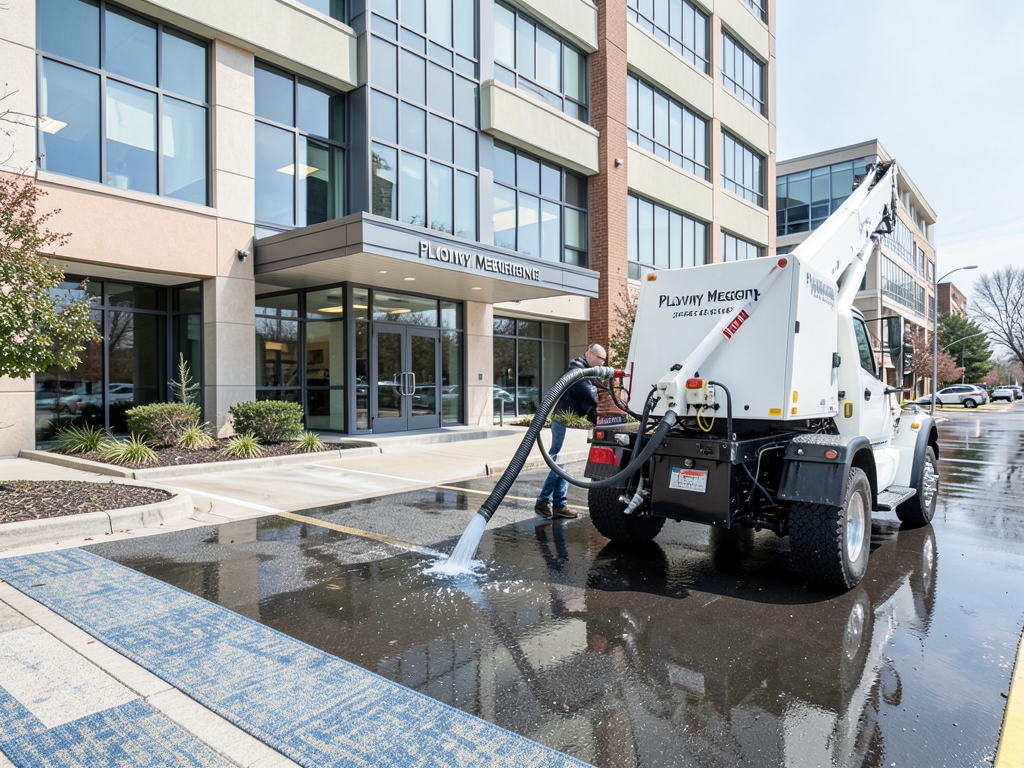
We answer emergency calls 24 hours a day, seven days a week. When you call (215) 610-8188, you speak to a real person who dispatches a crew immediately. Our average response time in the Philadelphia metro is under 90 minutes. We arrive with truck-mounted extraction equipment, industrial dehumidifiers, air movers, and moisture detection tools. We do not wait until morning or the next business day. Flood damage does not pause, and neither do we. Our crews are trained to assess the situation, stabilize your property, and begin water extraction the moment they arrive.

Comprehensive Damage Assessment

Our technicians use thermal imaging cameras and penetrating moisture meters to map hidden water intrusion. We check wall cavities, subfloors, and ceiling spaces. We document moisture levels in multiple locations and create a drying plan tailored to your home's construction type. You receive a written assessment that outlines affected areas, recommended actions, and a timeline for each phase. This report is designed for your insurance company and meets industry standards for water damage documentation. We explain everything in plain language so you understand what is happening and why.

Complete Restoration and Reconstruction

We do not just dry your home and leave you to find contractors. Reliance Water Damage Restoration Philadelphia handles the entire restoration process, from emergency water extraction to final paint and trim work. We coordinate with electricians, plumbers, and structural engineers as needed. We pull permits, schedule inspections, and ensure all work meets Philadelphia building codes. When we finish, your home is fully restored and ready to live in. You deal with one company, one point of contact, and one coordinated effort from start to finish.

Insurance Coordination and Documentation

We work directly with your insurance adjuster to streamline your claim. Our documentation includes detailed moisture logs, photo evidence, and itemized scopes of work that match insurance industry standards. We provide estimates in the format your insurer requires. If your adjuster undervalues the damage, we advocate for you with additional documentation and expert opinions. Our goal is to maximize your claim and minimize your out-of-pocket expense. We have successfully negotiated thousands of claims in the Philadelphia area. You do not fight the insurance company alone.

Frequently Asked Questions

You Have Questions,
We Have Answers

What steps to take after a flood? +

First, ensure your safety. Turn off electricity at the breaker box if water has entered your Philadelphia home. Document all damage with photos and video for insurance claims. Remove standing water as quickly as possible to prevent mold growth, which thrives in our humid climate. Contact your insurance company immediately. Move salvageable belongings to a dry area. Do not touch electrical equipment while standing in water. If flooding is severe, call a professional water damage restoration company. Open windows to improve ventilation once it's safe. Remove wet carpets, padding, and baseboards to allow walls and floors to dry properly.

What should be done after the flood? +

After a flood in Philadelphia, start water extraction immediately. Use pumps, wet vacuums, or towels for smaller amounts. Remove soaked materials like drywall, insulation, and carpeting within 24 to 48 hours to prevent structural damage and mold colonization. Set up industrial fans and dehumidifiers to dry out the space. Disinfect all surfaces that contacted floodwater, especially if sewage was involved. Monitor humidity levels daily. Check your foundation and basement for cracks or shifting, common in Philadelphia's clay-heavy soil. Schedule a professional inspection to identify hidden moisture pockets behind walls or under flooring that can cause long-term problems.

How long to dry out a house after a flood? +

Drying time depends on the flood's severity and your home's construction. Minor flooding may dry in three to five days with proper ventilation and dehumidification. Moderate flooding typically requires one to two weeks. Severe flooding, especially in Philadelphia's older row homes with dense masonry walls, can take three to four weeks or longer. Humidity levels must drop below 50 percent to prevent mold growth. Professional equipment speeds the process significantly. Do not rush this step. Hidden moisture trapped in wall cavities, subflooring, or insulation will cause mold, rot, and structural issues if not fully addressed before repairs begin.

What are the 10 precautions of flood? +

Ten flood precautions include knowing your flood zone in Philadelphia, which you can check through FEMA maps. Purchase flood insurance, as standard homeowners policies exclude flood damage. Create an emergency kit with water, food, medications, and documents. Elevate utilities like HVAC systems and water heaters above potential flood levels. Install backflow valves to prevent sewer backups, common during heavy rain events. Seal basement walls and floors. Keep gutters and downspouts clear. Anchor fuel tanks. Move valuables to upper floors. Develop an evacuation plan. Know the location of your main water shutoff and electrical panel. Store important documents in waterproof containers.

How to disinfect a house after a flood? +

Disinfection after a flood is critical, especially if sewage or Schuylkill River water entered your Philadelphia home. Wear gloves, boots, and eye protection. Mix one cup of bleach per gallon of water for hard surfaces. Scrub all walls, floors, and furniture that contacted floodwater. Let the solution sit for 10 minutes, then rinse. For porous materials like drywall or carpet padding, discard them entirely since they cannot be properly sanitized. Disinfect dishes and cookware by boiling or using a dishwasher's sanitizing cycle. Clean HVAC ducts if they were exposed. Mold spores and bacteria remain infectious for weeks without proper treatment.

What are the 5 steps of disaster recovery? +

Disaster recovery follows five key steps. First is assessment. Evaluate the damage extent and safety hazards immediately after the flood. Second is stabilization. Stop ongoing damage by extracting water and securing the structure. Third is cleanup. Remove debris, contaminated materials, and begin disinfection. Fourth is restoration. Dry out the building completely using dehumidifiers and air movers. Replace damaged materials like drywall, insulation, and flooring. Fifth is monitoring. Track humidity levels for weeks to ensure no hidden moisture remains. In Philadelphia's humid summers, this final step prevents mold growth that can restart the entire cycle if moisture gets trapped in wall cavities.

What to throw out after a flood? +

Discard porous materials that absorbed floodwater. This includes carpeting, carpet padding, upholstered furniture, mattresses, and pillows. Remove drywall and insulation that stayed wet for more than 48 hours. Throw out any food that contacted floodwater or lost refrigeration, including canned goods with damaged seals. Discard cosmetics, medications, and baby items exposed to water. Wooden furniture may be salvageable if dried quickly, but particleboard swells and crumbles. Books and documents can sometimes be freeze-dried professionally. Children's toys, stuffed animals, and anything your family puts in their mouths should be thrown away if contaminated by floodwater.

What are the 5 steps of preparedness? +

Flood preparedness starts with five essential steps. First, know your risk by checking FEMA flood maps for Philadelphia neighborhoods. Second, secure flood insurance, which requires a 30-day waiting period before coverage begins. Third, create an emergency supply kit with three days of food, water, medications, flashlights, batteries, and cash. Fourth, develop a family communication plan with out-of-state contacts and meeting locations. Fifth, protect your property by installing sump pumps with battery backup, sealing foundation cracks, and keeping drainage systems clear. Store important documents digitally and in waterproof containers. Practice your evacuation route and know where local shelters are located.

What do people do after floods? +

After floods, people prioritize safety and damage control. They document losses with photos for insurance claims. Homeowners extract standing water and remove soaked materials before mold takes hold, which happens fast in Philadelphia's climate. They contact insurance companies and file claims. Many hire professional restoration companies to handle water extraction, structural drying, and mold prevention. People clean and disinfect salvageable items. They make temporary repairs to prevent further damage, like tarping roofs or boarding windows. Residents check on neighbors, especially elderly or disabled community members. They replace essential items and begin the rebuilding process once structures are fully dried and inspected.

How soon does mold grow after a flood? +

Mold begins growing within 24 to 48 hours after flooding in Philadelphia's humid conditions. Spores are always present in the air but need moisture to colonize. Once materials stay wet for two days, mold spreads rapidly through drywall, insulation, carpeting, and wood framing. You may see visible growth within three to five days, but hidden mold behind walls or under flooring often starts sooner. High summer humidity accelerates the timeline. This is why immediate water extraction and aggressive drying are critical. Delaying professional restoration by even a few days can turn a water damage issue into a costly mold remediation project requiring wall demolition.

Why Philadelphia's Flood Risk Makes Post-Flood Preparation Critical

Philadelphia sits at the confluence of two major rivers and dozens of creeks that drain into them. Neighborhoods like Eastwick, Pennypack, and sections of Manayunk flood regularly during heavy rain. The city's combined sewer system overflows during major storms, pushing sewage-contaminated water into basements and streets. Climate change has increased the frequency of intense rainfall events. A storm that used to happen once every ten years now happens every three to five years. Understanding steps to take after a flood is no longer optional for Philadelphia homeowners. It is a survival skill.

Reliance Water Damage Restoration Philadelphia has restored hundreds of homes in flood-prone areas across the city. We understand which neighborhoods are vulnerable, which construction types fail first, and how to communicate with Philadelphia's Department of Licenses and Inspections to expedite permits after a disaster. We are not a national chain. We are local professionals who live and work in the same communities we serve. When your neighbor recommends a flood restoration company, they recommend us. That trust is earned through years of consistent, high-quality work in every corner of Philadelphia.

Water Damage Restoration Services in The Philadelphia Area

View our service area to see how Reliance Water Damage Restoration delivers fast, reliable support across the region. Whether it’s residential basements or commercial spaces, our team is locally based and ready to respond 24/7. We’re committed to being near you when emergencies strike—count on us for prompt, professional care.
(80 words)

Address:
Reliance Water Damage Restoration Philadelphia, 100 N 18th St, Philadelphia, PA, 19103

Additional Services We Offer

Our news updates

Latest Articles & News from The Blogs

Why Your North Philadelphia Brick Walls Are Crumbling After Years of Water Absorption Your North Philadelphia brick wall isn’t just…

Why your North Philadelphia brick walls are crumbling after years of water absorption

Why Your North Philadelphia Brick Walls Are Crumbling After Years of Water Absorption Your North Philadelphia brick wall isn’t just…

What you need to know about wet vinyl floor tiles and asbestos in your older Oxford Circle home

What you need to know about wet vinyl floor tiles and asbestos in your older Oxford Circle home Water damage…

Why Eastwick homes are so prone to flooding and how to prepare for the next big storm

Why Eastwick homes are so prone to flooding and how to prepare for the next big storm Eastwick sits on…

Contact Us

Floodwater does not wait, and neither should you. Call (215) 610-8188 now for immediate dispatch. Our crews are standing by 24/7 to protect your home, your health, and your insurance claim. The first hour matters most.