menu

Commercial Sewage Cleanup in Philadelphia – Minimize Downtime and Restore Operations Fast

Industrial-grade commercial sewage remediation deployed across Philadelphia facilities within hours, protecting your business continuity, meeting Pennsylvania health code requirements, and preventing liability exposure.

Slider Image 1
Slider Image 2
Slider Image 3
Slider Image 4
Slider Image 5
Slider Image 7
Slider Image 8
Slider Image 9
Slider Image 10
Slider Image 11

Why Philadelphia Commercial Properties Face Elevated Sewage Backup Risk

Philadelphia's aging combined sewer infrastructure, dating back to the 1800s in Center City and Old City, creates serious liability for commercial property owners. When heavy rain overwhelms the Philadelphia Water Department's system, commercial sewer backup cleaning becomes an operational emergency, not a maintenance issue.

Your facility's risk multiplies if you operate in lower-elevation zones near the Schuylkill or Delaware River. Basements in industrial zones like Kensington and Port Richmond experience backflow events during storm surges. When black water extraction becomes necessary, you face biohazard exposure under OSHA bloodborne pathogen standards.

Commercial sewage removal demands immediate action because Category 3 water contains raw sewage, chemicals, and pathogens. Every hour of delayed industrial sewage cleanup increases contamination spread through HVAC systems, raises employee health risks, and compounds property damage. Pennsylvania commercial property insurance typically requires documented mitigation efforts within 24 to 48 hours to maintain coverage validity.

The Delaware Valley's freeze-thaw cycles stress underground piping. Cracked laterals allow groundwater infiltration that reduces system capacity. When your building experiences backup, the sewage often contains street runoff, industrial discharge, and biological waste. This creates regulatory complications under Pennsylvania Department of Environmental Protection guidelines.

Commercial sewage remediation in Philadelphia requires containment protocols, air quality monitoring, and disposal documentation. The longer contaminated materials remain in place, the higher your liability exposure and the greater the operational disruption to your business.

Why Philadelphia Commercial Properties Face Elevated Sewage Backup Risk
How Professional Commercial Sewage Remediation Protects Your Philadelphia Business

How Professional Commercial Sewage Remediation Protects Your Philadelphia Business

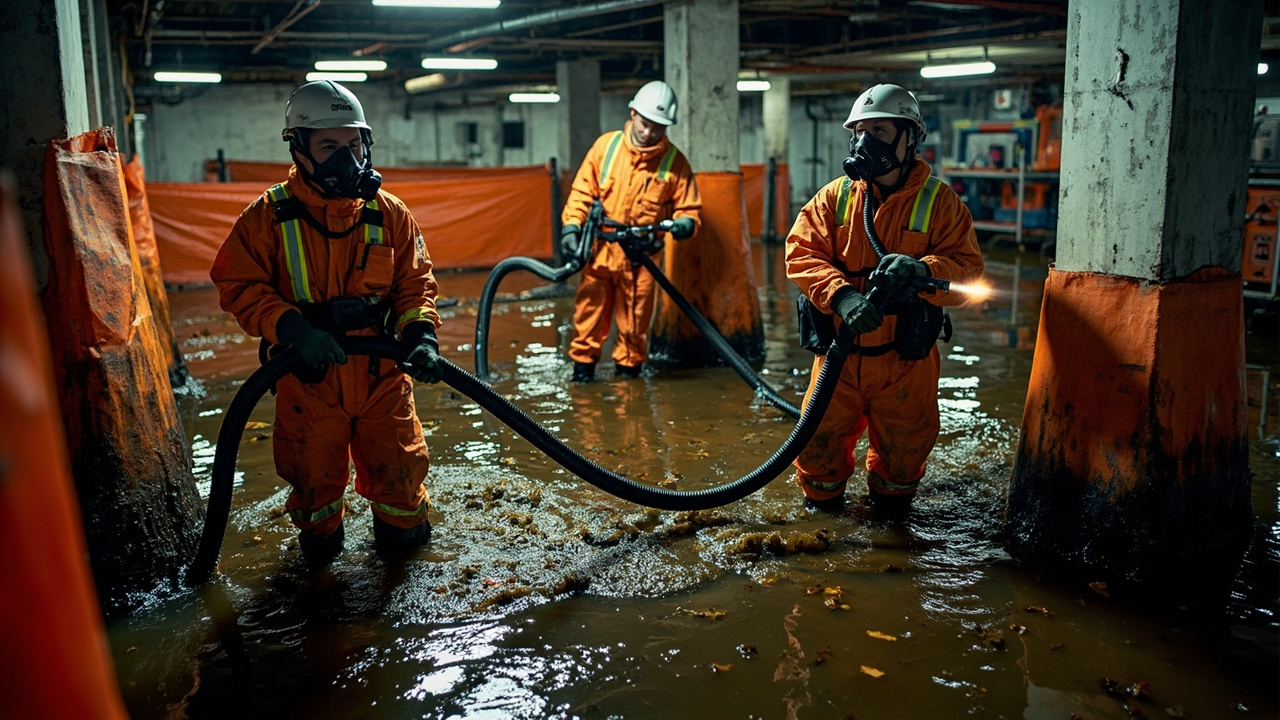
Industrial sewage cleanup follows EPA and IICRC S500 protocols, not generic water damage procedures. Commercial black water extraction begins with facility lockdown to prevent cross-contamination into unaffected zones. Our extraction units pull 400 gallons per minute, removing standing sewage before it penetrates concrete subflooring or migrates through expansion joints.

We deploy negative air machines to create controlled negative pressure environments. This prevents airborne pathogen spread through your HVAC system. Every commercial sewage removal project requires separate containment barriers, HEPA filtration, and dedicated disposal routes to prevent recontamination.

Material removal decisions follow moisture mapping and contamination testing. Porous materials like drywall, insulation, and ceiling tiles get documented and disposed of as biohazard waste. Non-porous surfaces undergo three-stage antimicrobial treatment using quaternary ammonium compounds and oxidizing agents rated for Category 3 water exposure.

Philadelphia commercial properties require special attention to below-grade spaces. Basement mechanical rooms, elevator pits, and underground parking structures need pump-assisted extraction and structural drying. We monitor moisture levels in concrete using non-invasive meters to prevent hidden microbial amplification.

Commercial sewage remediation includes complete documentation for your insurance carrier and facility management records. We photograph pre-loss conditions, catalog disposed materials with manifest tracking, and provide air quality clearance testing. This documentation protects you during claims processing and demonstrates due diligence for liability purposes.

The difference between professional industrial sewage cleanup and inadequate response shows up months later. Improper drying leads to microbial growth in wall cavities, HVAC contamination, and occupant health complaints. Our approach eliminates these risks through verified dry-down and antimicrobial verification testing.

How Commercial Sewage Cleanup Unfolds at Your Philadelphia Facility

Commercial Sewage Cleanup in Philadelphia – Minimize Downtime and Restore Operations Fast
01

Rapid Site Assessment

Our team arrives with containment equipment and performs facility-wide contamination mapping. We identify the backup source, determine Category 3 water extent, and establish isolation zones. You receive an immediate scope document outlining affected areas, required demolition, and projected timeline. This assessment includes moisture reading documentation and photographic evidence for your insurance adjuster and risk management team.
02

Extraction and Decontamination

High-volume extraction units remove standing sewage while containment barriers prevent spread to operational areas. We remove contaminated porous materials following Pennsylvania waste handling requirements and apply EPA-registered antimicrobial agents to all affected surfaces. Air scrubbers with HEPA filtration run continuously during this phase. Your facility receives hourly progress updates as we work toward containment and initial decontamination completion.
03

Structural Drying and Verification

Industrial dehumidifiers and air movers create optimal drying conditions while we monitor moisture levels in structural materials. Concrete floors, walls, and subfloors reach verified dry standards using ANSI/IICRC S500 benchmarks. Final antimicrobial application and air quality testing confirm the space meets occupancy standards. You receive complete documentation packages including disposal manifests, moisture logs, and clearance certificates for regulatory compliance and insurance closure.

Why Philadelphia Commercial Properties Choose Reliance Water Damage Restoration Orlando

Commercial sewage backup cleaning in Philadelphia requires understanding both the city's infrastructure limitations and Pennsylvania regulatory environment. Properties in flood-prone zones near the Schuylkill River or in the Navy Yard industrial corridor face recurrent backup risks. We respond to these locations with equipment staging that accounts for access limitations and operational constraints specific to Philadelphia's narrow street grid and loading dock configurations.

Our commercial sewage remediation approach accounts for Pennsylvania Department of Environmental Protection waste handling requirements. Category 3 water disposal requires manifest tracking and approved disposal facilities. We maintain relationships with licensed Pennsylvania waste haulers and provide complete chain-of-custody documentation for your compliance files.

Philadelphia commercial properties often house specialized equipment, inventory, or sensitive documents. Our containment protocols isolate affected zones while maintaining building security and access control. We coordinate with your facility management team to schedule work during off-hours, maintain climate control in unaffected areas, and protect assets during the commercial black water extraction process.

Industrial sewage cleanup in multi-tenant buildings requires coordination with property management and notification of adjacent tenants. We handle these communications and provide documentation that demonstrates proper remediation occurred. This protects property owners from liability claims and maintains tenant relationships during disruptive events.

Experience with Philadelphia's older commercial building stock matters. Many properties in Fishtown, Northern Liberties, and the Italian Market occupy structures with brick foundations, tar-based waterproofing, and outdated drainage systems. We adjust drying strategies for these construction types and identify underlying infrastructure problems that caused the backup.

Our response capacity handles facilities from 5,000 to 500,000 square feet. Equipment staging for large industrial sewage cleanup projects requires multiple extraction units, dedicated power distribution, and workforce coordination. We maintain this capacity specifically for Philadelphia's commercial and industrial property market.

What Philadelphia Businesses Should Expect During Commercial Sewage Remediation

Response Time and Mobilization

Commercial sewage removal requires immediate response to prevent contamination spread and operational shutdown. Our team mobilizes to Philadelphia commercial properties within two to four hours of initial contact. This rapid deployment includes containment equipment, extraction units, and antimicrobial treatment systems. For facilities requiring after-hours service, we coordinate with your security team and maintain 24-hour availability. Large-scale industrial sewage cleanup projects may require staged equipment delivery and multi-day operations. You receive a detailed timeline during initial assessment that accounts for your operational needs and facility access requirements.

Facility Assessment and Scope Development

Our technicians perform comprehensive contamination mapping using moisture meters, thermal imaging, and visual inspection protocols. This assessment identifies hidden sewage migration in wall cavities, under flooring systems, and within mechanical chases. You receive documented findings that specify contaminated materials requiring removal, surfaces needing decontamination, and structural elements requiring drying. This scope document serves as your blueprint for insurance claims and includes photographic evidence, moisture readings, and material identification. We coordinate directly with your insurance adjuster to streamline approval and prevent delays in commercial black water extraction authorization.

Decontamination Standards and Verification

Commercial sewage cleanup must achieve verified decontamination before occupancy resumes. We follow IICRC S500 Category 3 water protocols and Pennsylvania health code requirements throughout the remediation process. All affected surfaces receive three-stage antimicrobial treatment using EPA-registered disinfectants rated for sewage exposure. Structural drying continues until moisture content reaches industry-standard levels verified through daily monitoring. Final clearance includes air quality testing for bacterial counts and volatile organic compounds. You receive documentation packages that include before and after photographs, moisture logs, antimicrobial application records, and third-party test results confirming the space meets occupancy standards.

Post-Remediation Support and Prevention

Following commercial sewage remediation completion, we provide facility-specific recommendations to reduce future backup risk. This includes evaluation of your building's backflow prevention devices, sump pump capacity, and drainage system maintenance needs. Properties in Philadelphia's combined sewer areas benefit from upgraded backflow preventers and alarm systems that alert facility managers to rising water levels before backup occurs. We maintain project documentation for your facility management files and provide support during insurance claim finalization. For properties experiencing recurrent issues, we offer consultation on infrastructure upgrades and preventive maintenance protocols that address underlying system deficiencies common in Philadelphia's older commercial building stock.

Frequently Asked Questions

You Have Questions,
We Have Answers

How much does it cost to clean up sewage? +

Commercial sewage cleanup costs vary based on contamination severity, affected square footage, and structural damage. Small incidents in a Philadelphia office may start around a few thousand dollars, while extensive contamination across multiple floors or warehouse spaces can escalate significantly. Category 3 water (raw sewage) requires specialized extraction, antimicrobial treatment, and disposal following EPA regulations. Costs include labor, equipment, contaminated material removal, and structural drying. Philadelphia's older building stock often complicates remediation due to porous materials and aging infrastructure. Request a detailed scope of work and documentation for insurance claims. Fast response reduces secondary damage and overall expense.

Does insurance cover sewage cleanup? +

Most commercial property policies cover sudden and accidental sewage backups, but coverage limits and exclusions vary. Review your policy for specific endorsements related to water backup and sump pump overflow. Philadelphia businesses should verify coverage for sewer line failures beyond the building footprint, as municipal responsibility often ends at the property line. Flood insurance through NFIP does not typically cover sewer backups. Document everything immediately with photos, videos, and detailed logs. Notify your carrier within required timeframes. Work with a certified remediation contractor who understands commercial claims documentation and can provide itemized invoicing for your adjuster.

How long do sewage bacteria last on surfaces? +

Sewage bacteria, including E. coli, Salmonella, and hepatitis A virus, can survive on surfaces for hours to months depending on material type, temperature, and humidity. Porous materials like drywall, carpet, and upholstery harbor pathogens longer than non-porous surfaces like metal or glass. In Philadelphia's humid climate, bacterial growth accelerates without rapid intervention. Category 3 contamination requires professional antimicrobial treatment and EPA-registered disinfectants applied at proper dwell times. Surface cleaning alone does not eliminate embedded pathogens. OSHA standards mandate proper PPE during cleanup. Assume all sewage-exposed materials are contaminated until professionally remediated and tested.

What is commercial sewage? +

Commercial sewage refers to wastewater generated by business operations, including restrooms, kitchens, manufacturing processes, and floor drains. It contains human waste, chemicals, food waste, grease, and industrial byproducts. Philadelphia businesses in hospitality, healthcare, and food service generate high sewage volumes subject to strict discharge regulations. When commercial sewage backs up or overflows, it creates Category 3 contaminated water requiring specialized cleanup protocols. Unlike residential sewage, commercial volumes are larger and may contain hazardous materials depending on industry. Proper remediation protects employees, customers, and business continuity. Violations of discharge permits can trigger fines from the Philadelphia Water Department.

Is sewer jetting worth it? +

Sewer jetting is worth the investment for commercial properties with recurring drain issues, grease buildup, or aging cast iron lines common in Philadelphia buildings. High-pressure water jetting removes scale, roots, grease, and debris more effectively than cable snaking. For restaurants, hospitals, and multi-tenant properties, preventive jetting reduces emergency backups and costly shutdowns. Philadelphia's combined sewer system places additional stress on private lateral lines during heavy rain. Regular jetting extends line lifespan and maintains flow capacity. However, damaged or collapsed pipes require camera inspection first to avoid worsening structural issues. Budget for annual or bi-annual jetting as preventive maintenance.

Why is my sewer bill 200 dollars? +

Philadelphia sewer bills often surprise commercial property owners due to volumetric charges, stormwater fees, and tiered rate structures. The Philadelphia Water Department bills based on water consumption, assuming equivalent sewage discharge. High-volume users like laundromats, restaurants, or manufacturing facilities see elevated costs. Stormwater fees assess impervious surface area on your property, regardless of actual usage. Older buildings may have inaccurate meter readings or undetected leaks inflating bills. Review your bill for errors, verify meter accuracy, and consider a stormwater adjustment if your property manages runoff separately. Businesses with significant outdoor water use can request a deduction for non-discharged water.

What is the average lifespan of a sewer line? +

Sewer lines typically last 50 to 100 years depending on material and maintenance. Philadelphia's infrastructure includes aging cast iron, clay tile, and Orangeburg pipes installed decades ago, many nearing failure. Cast iron corrodes from hydrogen sulfide gas, clay cracks from ground movement, and Orangeburg deteriorates from moisture. Modern PVC or HDPE lines offer longer lifespans with proper installation. Commercial properties should schedule camera inspections every five to ten years to assess condition. Tree root intrusion, ground settling, and heavy traffic accelerate deterioration. Proactive replacement of failing sections prevents catastrophic backups and business interruption. Budget for lateral line replacement as part of long-term capital planning.

How much does sewage insurance cost? +

Standalone sewage backup insurance endorsements for commercial properties typically cost a few hundred to several thousand dollars annually, depending on coverage limits, building age, and claims history. Philadelphia properties with older lateral lines or proximity to combined sewer areas face higher premiums. Coverage limits range from 10,000 to 100,000 dollars or more. Base policies often exclude or severely limit sewer backup coverage, making endorsements critical. Premiums reflect risk factors including basement occupancy, sump pump presence, and maintenance records. Compare quotes from multiple carriers specializing in commercial property. Document all preventive maintenance to negotiate better rates and demonstrate due diligence during claims.

Does insurance pay for dark spot removal? +

Insurance coverage for dark spot removal depends on the cause and your policy terms. If dark spots result from covered sewage backup or water damage, remediation and restoration may be included under your commercial property policy. However, cosmetic issues from long-term neglect, mold growth from unaddressed moisture, or gradual deterioration are typically excluded. Philadelphia's humid climate accelerates staining and microbial growth post-incident. Document the timeline and causation clearly. Your adjuster evaluates whether damage stems from a covered peril or maintenance failure. Professional remediation contractors provide detailed scopes linking dark spots to the covered event, improving claim approval odds.

Is human feces a biohazard? +

Yes, human feces is classified as a biohazard containing pathogenic bacteria, viruses, parasites, and bloodborne pathogens. OSHA regulations require proper handling, containment, and disposal. Commercial sewage cleanup involving fecal matter falls under Category 3 contaminated water, demanding certified technicians with bloodborne pathogen training and appropriate PPE. Philadelphia businesses face liability exposure if employees or customers contact fecal contamination without proper remediation. Affected materials often require disposal as regulated medical waste. Surface disinfection alone is inadequate. Professional remediation ensures compliance with health codes, protects occupants, and mitigates legal risk. Never attempt cleanup without proper training and equipment.

How Philadelphia's Combined Sewer System Increases Commercial Sewage Backup Frequency

Philadelphia operates one of the nation's largest combined sewer systems, where stormwater and sanitary waste share the same underground infrastructure. During heavy rain events, the Philadelphia Water Department's system capacity gets overwhelmed, causing sewage backups into commercial properties at lower elevations. Buildings in South Philadelphia, Port Richmond, and areas near the Schuylkill and Delaware Rivers face the highest risk. This aging infrastructure means commercial sewage cleanup becomes necessary not from building defects but from municipal system overload. Properties require backflow prevention devices and rapid-response commercial black water extraction protocols to minimize operational disruption when backups occur.

Pennsylvania commercial property owners operate under specific regulatory requirements for Category 3 water remediation and biohazard waste disposal. The Pennsylvania Department of Environmental Protection mandates proper handling and documentation for sewage-contaminated materials. Philadelphia businesses need contractors familiar with these regulations and capable of providing compliance documentation. Reliance Water Damage Restoration Orlando understands both Philadelphia's unique infrastructure challenges and Pennsylvania's regulatory environment. We provide the industrial sewage cleanup capacity and documentation rigor that protects your business from liability while meeting insurance carrier requirements for proper commercial sewage remediation protocols.

Water Damage Restoration Services in The Philadelphia Area

View our service area to see how Reliance Water Damage Restoration delivers fast, reliable support across the region. Whether it’s residential basements or commercial spaces, our team is locally based and ready to respond 24/7. We’re committed to being near you when emergencies strike—count on us for prompt, professional care.
(80 words)

Address:
Reliance Water Damage Restoration Philadelphia, 100 N 18th St, Philadelphia, PA, 19103

Additional Services We Offer

Our news updates

Latest Articles & News from The Blogs

Identifying moisture problems in the unique limestone foundations of Swarthmore homes If you own a historic home in Swarthmore you…

Identifying moisture problems in the unique limestone foundations of Swarthmore homes

Identifying moisture problems in the unique limestone foundations of Swarthmore homes If you own a historic home in Swarthmore you…

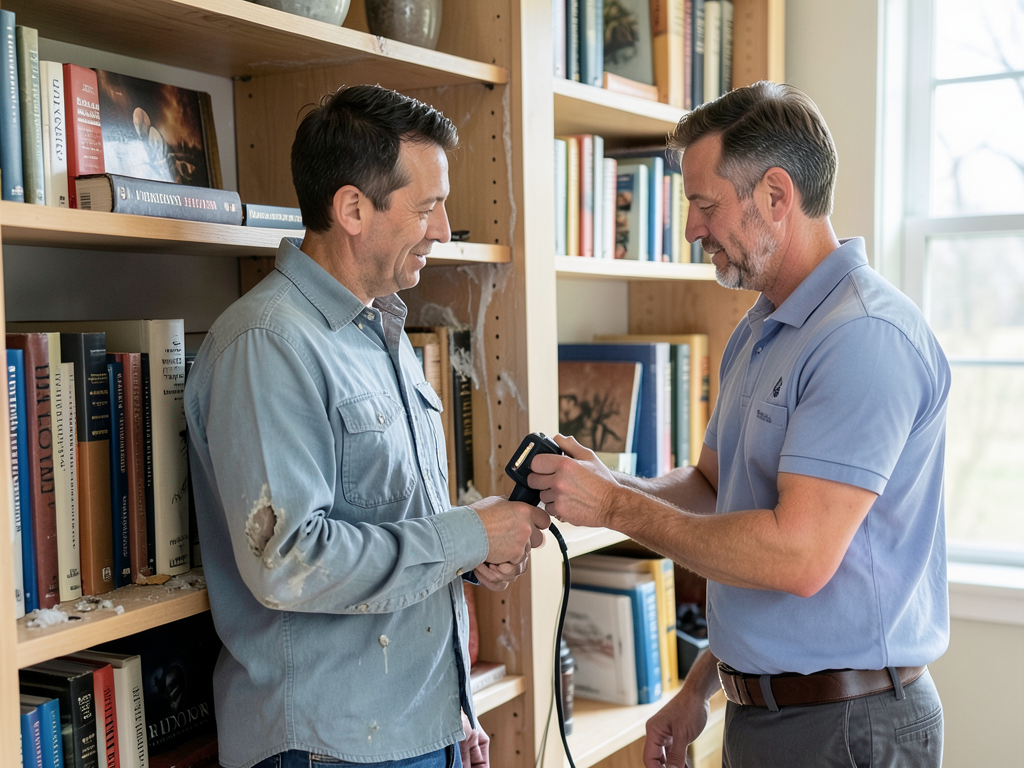
Can your custom built-in bookshelves in Radnor be saved after a pipe burst?

Can Your Custom Built-In Bookshelves in Radnor Be Saved After a Pipe Burst? Water damage to custom built-ins in Radnor…

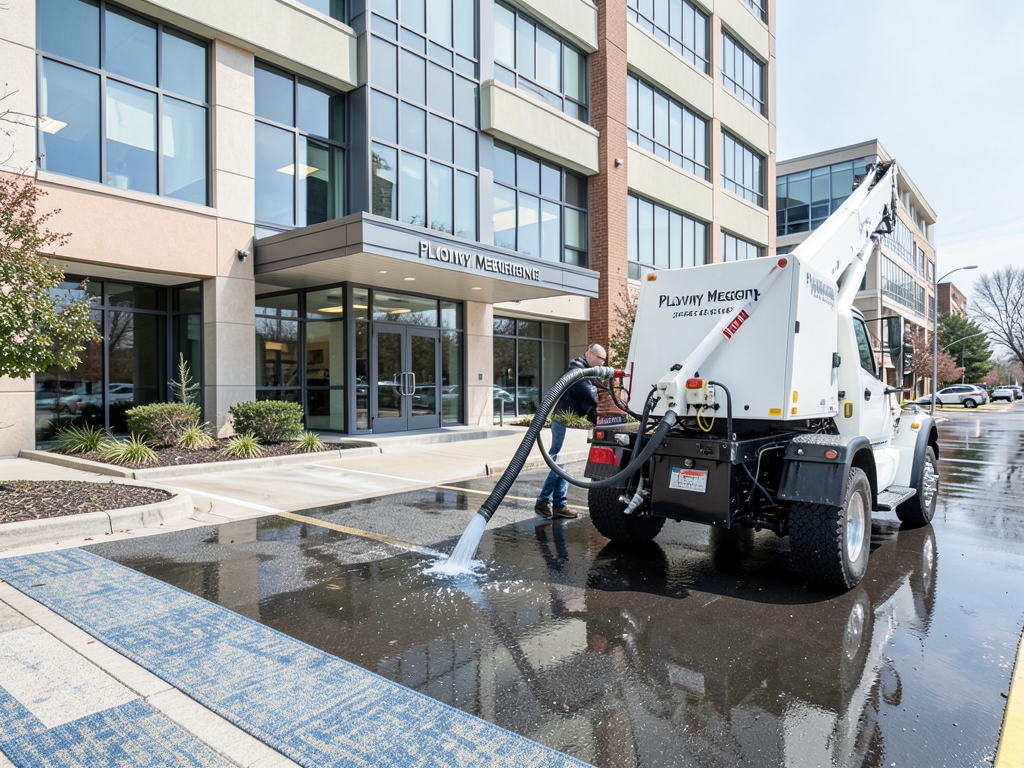
Solving the mystery of office park leaks in Plymouth Meeting before they ruin the carpet

Solving the mystery of office park leaks in Plymouth Meeting before they ruin the carpet Office park leaks in Plymouth…

Contact Us

Call (215) 610-8188 now for immediate commercial sewage cleanup deployment. Our industrial remediation team responds to Philadelphia facilities 24 hours a day with the equipment capacity and regulatory expertise your business requires.