menu

Understanding Categories of Water in Philadelphia – Know Your Contamination Level Before You Restore

Philadelphia property owners face three distinct water contamination levels that determine safety protocols, restoration methods, and whether your space is safe to occupy during cleanup.

Slider Image 1
Slider Image 2
Slider Image 3
Slider Image 4
Slider Image 5
Slider Image 7
Slider Image 8
Slider Image 9
Slider Image 10
Slider Image 11

Why Water Contamination Levels Matter in Philadelphia Properties

Not all water damage is created equal. The three categories of water defined by the Institute of Inspection, Cleaning and Restoration Certification establish clear boundaries between what's safe to touch and what requires full hazmat protocols. Philadelphia property owners often assume that clear water is clean water. That assumption can expose you to serious health risks.

Category 1 water comes from sanitary sources like supply lines or rainwater before it touches anything contaminated. Category 2 water contains significant contamination from washing machines, dishwashers, or toilet bowls with urine but no feces. Category 3 water is grossly contaminated with sewage, floodwater from rivers like the Schuylkill or Delaware, or any water that has contacted soil or raw sewage.

Philadelphia's aging infrastructure creates a specific challenge. Basement flooding from combined sewer overflows during heavy rain events immediately places your water in Category 3. The city's combined stormwater and sewage system means that even clear-looking basement water can contain raw sewage and pathogens. You cannot see bacteria. You cannot smell E. coli. Water quality classifications exist because visual inspection tells you almost nothing about contamination levels.

The longer water sits, the worse it gets. Category 1 water can degrade to Category 2 within 48 hours as it absorbs contaminants from building materials, dust, and microbial growth. Philadelphia's humid summers accelerate this timeline. Types of water contamination multiply rapidly in warm, damp environments. What started as a clean supply line break can become a biohazard in two days if not extracted and dried properly.

Why Water Contamination Levels Matter in Philadelphia Properties
How Professional Restorers Assess Water Damage Categories

How Professional Restorers Assess Water Damage Categories

Technicians begin with source identification. Where did the water originate? A broken supply line indicates Category 1. A malfunctioning sump pump that backed up during a storm suggests Category 2 or 3, depending on what the water contacted. Philadelphia basements often contain decades of accumulated dust, insulation fibers, and stored materials. When floodwater touches these surfaces, contamination levels escalate immediately.

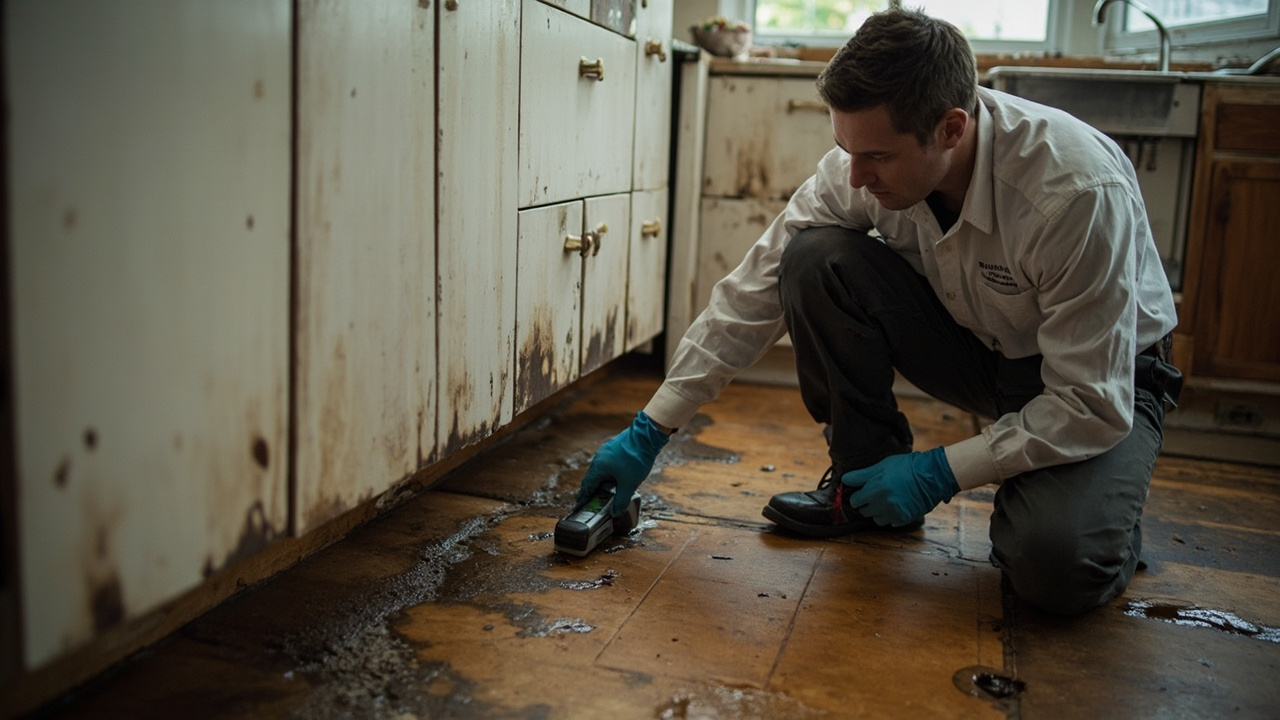
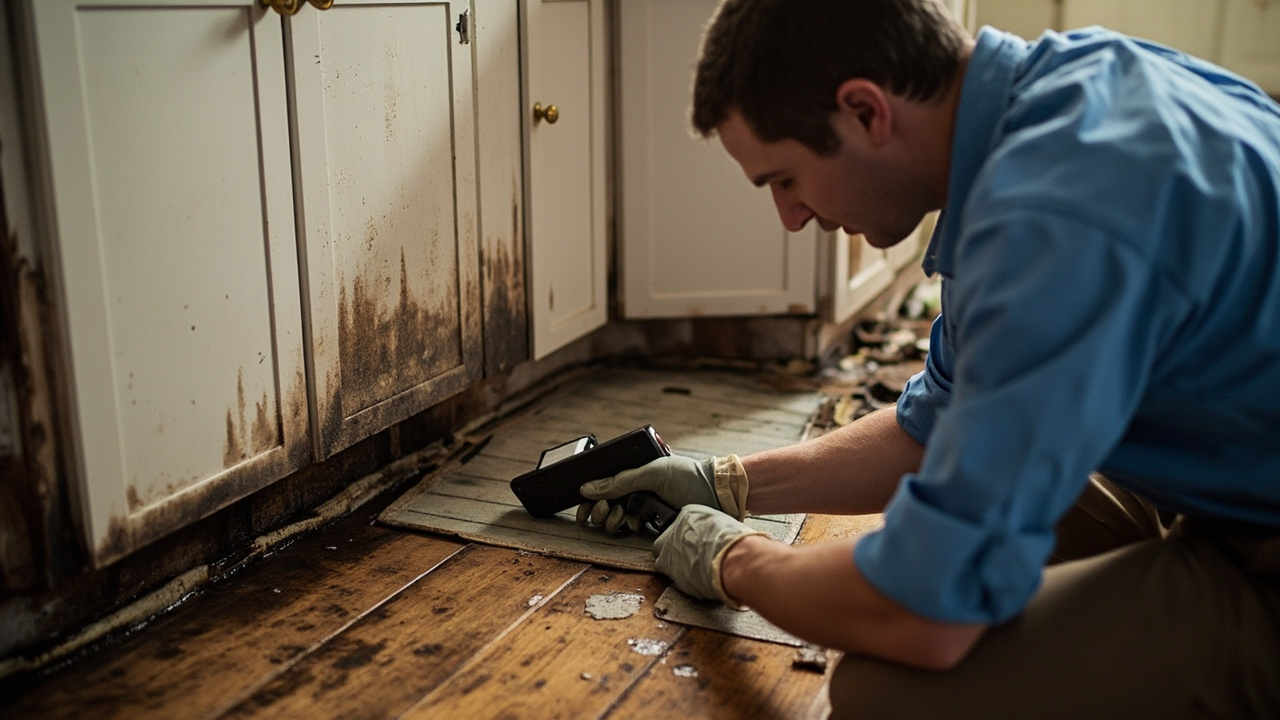
Next comes duration assessment. How long has the water been present? Moisture meters and thermal imaging cameras reveal hidden saturation in walls, subflooring, and ceiling cavities. Water that has soaked into porous materials for 72 hours requires different protocols than a fresh spill. IICRC water categories demand specific personal protective equipment, antimicrobial treatments, and disposal procedures based on contamination level.

Reliance Water Damage Restoration Philadelphia uses ATP testing for questionable Category 2 situations. This rapid test measures adenosine triphosphate, an indicator of biological contamination. If readings exceed safe thresholds, we escalate protocols to Category 3 standards. We do not guess. We test.

Structural material assessment follows. Drywall, insulation, carpeting, and particleboard all absorb water differently. Porous materials exposed to Category 2 or 3 water often require removal rather than cleaning. Philadelphia's historic properties present unique challenges. Horsehair plaster, old-growth wood flooring, and brick foundations respond differently to water contamination than modern materials. Our technicians evaluate salvageability based on material type, saturation depth, and contamination category.

Documentation throughout this process protects you during insurance claims. Photos, moisture readings, and written assessments create an evidence trail that justifies restoration costs and proves compliance with industry standards.

What Happens During Water Category Assessment

Understanding Categories of Water in Philadelphia – Know Your Contamination Level Before You Restore
01

Source Investigation

Our technicians trace water back to its origin point. We identify whether the source was sanitary, gray water, or sewage contaminated. Philadelphia basement floods require immediate determination of whether the water came from a plumbing failure, sump pump backup, or combined sewer overflow. This initial classification determines every decision that follows, including which safety equipment we wear and whether structural materials can be saved.
02

Contamination Testing

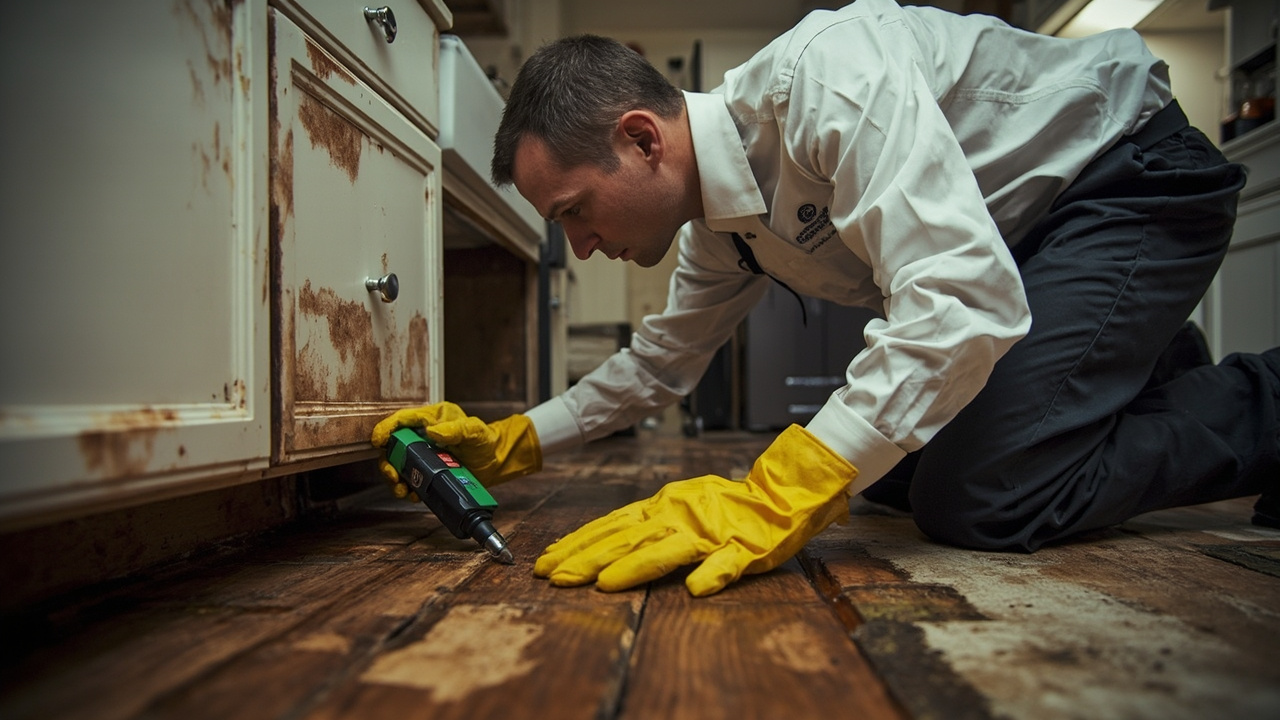
We use moisture detection equipment and ATP biological testing to measure actual contamination levels. Visual clarity means nothing. Clear water from a basement floor can contain sewage bacteria if it touched contaminated soil or backed up through floor drains. Testing removes guesswork. If contamination levels exceed safe thresholds, we escalate protocols immediately. Philadelphia property owners receive written documentation of all test results for insurance purposes and health safety records.
03

Protocol Assignment

Based on confirmed water quality classifications, we assign specific restoration protocols. Category 1 damage requires standard extraction and drying. Category 2 demands antimicrobial treatment and selective material removal. Category 3 necessitates full hazmat procedures, complete removal of porous materials, and EPA-registered disinfectants. You receive a detailed scope of work that explains which materials we can save, which require disposal, and why. No surprises.

Why Philadelphia Property Owners Trust Local Water Damage Expertise

Philadelphia's unique infrastructure creates water contamination risks that out-of-town restorers often miss. Our technicians understand that basement flooding in neighborhoods like Fishtown, Point Breeze, or South Philadelphia often originates from combined sewer overflows during heavy rain. The Philadelphia Water Department's combined system sends both stormwater and sewage through the same pipes. When capacity exceeds design limits during intense storms, raw sewage backs up through floor drains and toilet fixtures.

This is not a clean water event. It is Category 3 contamination from the first drop. National franchise operators unfamiliar with Philadelphia infrastructure may misclassify the water category, leading to inadequate safety measures and incomplete remediation. We know the local system. We assume Category 3 protocols for any basement flood during storm events until testing proves otherwise.

Philadelphia's housing stock adds another layer of complexity. Rowhomes share common walls and plumbing stacks. Water from a neighbor's Category 3 sewage backup can migrate through shared wall cavities into your property. Historic properties built before modern plumbing codes often have cast iron drain lines that corrode from the inside, leaching rust and biofilm into any standing water. These factors affect contamination levels in ways that generic restoration manuals do not address.

Reliance Water Damage Restoration Philadelphia maintains relationships with local plumbers, structural engineers, and industrial hygienists who understand regional building practices. When water damage reveals underlying issues with old terracotta sewer laterals or clay pipe connections common in pre-1950 Philadelphia construction, we connect you with specialists who can address root causes, not just surface damage.

We also navigate Philadelphia Department of Licenses and Inspections requirements when restoration work requires permits. Category 3 water damage often triggers mandatory mold remediation protocols that must be documented for L&I compliance. We handle that paperwork so you don't face violations during future property transactions.

What Philadelphia Property Owners Should Expect During Water Category Response

Immediate Response Availability

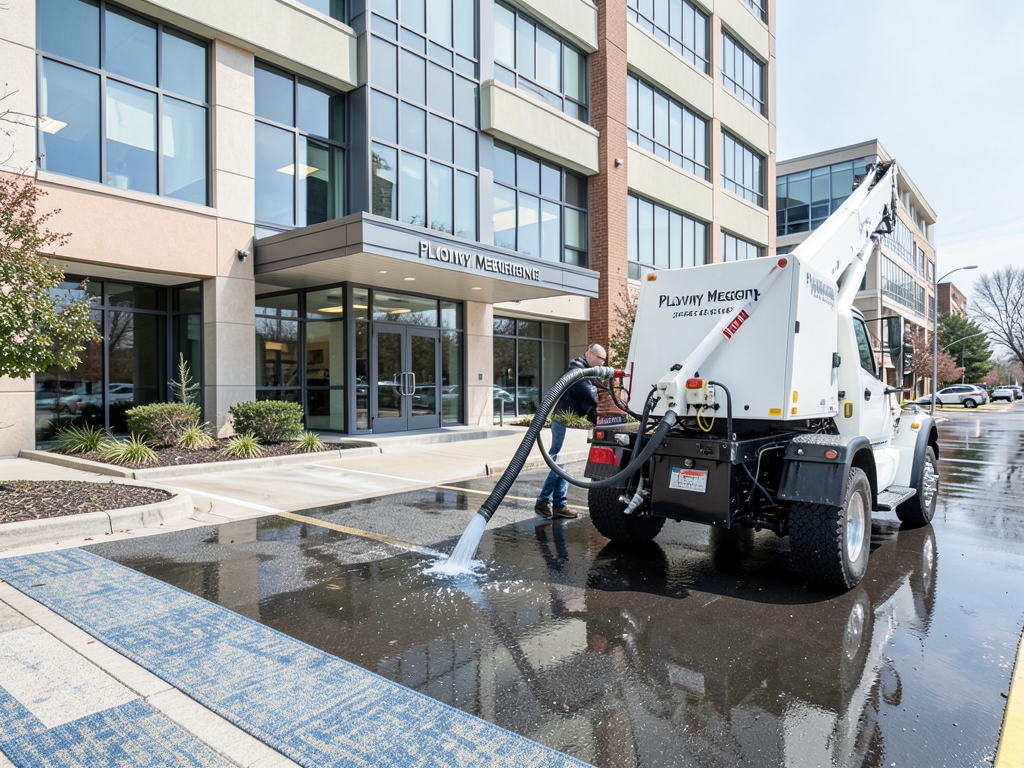
Water damage does not wait for business hours. We dispatch technicians 24 hours a day, seven days a week, 365 days a year. Emergency calls receive response within 90 minutes across Philadelphia County. Our trucks carry moisture detection equipment, extraction pumps, air movers, and dehumidifiers so we can begin mitigation immediately upon arrival. Category 3 contamination requires rapid response to prevent pathogen exposure. Every hour of delay increases health risks and structural damage. You call, we roll, we assess the contamination level, and we begin appropriate protocols without waiting for morning.

Comprehensive Contamination Assessment

Our initial assessment includes moisture mapping, thermal imaging, and biological testing when source or duration suggests Category 2 or 3 water. You receive a written report documenting water category determination, which materials tested above safe contamination thresholds, and which structural components require removal versus cleaning. This assessment includes photos with moisture readings overlaid directly on the images so insurance adjusters can verify our findings. Philadelphia property owners often face claim disputes when contamination categories are not properly documented. We eliminate that risk by providing forensic-level evidence from day one.

Category-Specific Restoration Work

Category 1 water receives standard extraction, drying, and monitoring until moisture levels return to normal. Category 2 water triggers antimicrobial treatment of all affected surfaces and selective removal of porous materials that cannot be adequately disinfected. Category 3 water demands full hazmat protocols. Our technicians wear Tyvek suits, respirators, and gloves. We remove all porous materials including drywall, insulation, carpeting, and baseboards. We apply EPA-registered disinfectants to all hard surfaces. You receive documentation of antimicrobial products used, application rates, and dwell times that meet IICRC S500 standards.

Post-Restoration Verification

After restoration completes, we conduct final moisture readings and ATP testing to verify that contamination has been eliminated. You receive a certificate of completion documenting that moisture levels have returned to industry-standard dry ranges and that biological contamination no longer exists above baseline levels. This documentation protects you during property sales, refinancing, or future insurance claims. For Category 3 contamination events, we recommend third-party clearance testing by an independent industrial hygienist. This adds cost but provides ultimate peace of mind that your property is safe for reoccupancy.

Frequently Asked Questions

You Have Questions,
We Have Answers

What are the 5 types of water? +

Water damage restoration recognizes three official categories, not five. Category 1 is clean water from sanitary sources like supply lines or faucets. Category 2 is gray water containing contaminants that could cause discomfort or sickness, such as washing machine overflow or toilet bowl water without feces. Category 3 is black water, grossly contaminated with pathogens and toxins from sewage backups, flooding, or stagnant water. In Philadelphia, frequent basement flooding from storm surges and aging sewer systems often produces Category 2 or 3 water, requiring professional remediation to protect your family.

What are the three categories of water? +

The three categories of water classify contamination levels during water damage incidents. Category 1 is clean water from broken pipes or supply lines. Category 2 is gray water with some contamination, like dishwasher leaks or sump pump failures. Category 3 is black water, heavily contaminated with sewage, bacteria, or chemicals. Philadelphia properties face all three types due to aging infrastructure and storm flooding. Older rowhomes with outdated plumbing see frequent Category 1 incidents, while basement flooding from heavy rainfall often escalates to Category 2 or 3, demanding immediate professional extraction and sanitization.

What is category 1, 2, and 3 water? +

Category 1 water is clean, originating from sanitary sources like supply lines or water heaters. Category 2 water contains contaminants that may cause discomfort or sickness, such as washing machine discharge or aquarium leaks. Category 3 water is grossly unsanitary, carrying harmful bacteria, sewage, or chemicals from toilet backflows, river flooding, or stagnant standing water. Philadelphia residents deal with Category 3 situations during heavy storms when combined sewer systems overflow. Water can escalate between categories if left untreated. Category 1 can become Category 2 within 48 hours, requiring faster response in humid Philadelphia summers.

What are the different types of water categories? +

Water damage falls into three distinct categories based on contamination level and health risk. Category 1 includes clean water from sanitary sources. Category 2 covers gray water with moderate contamination. Category 3 involves black water with severe contamination and pathogens. These categories determine cleanup protocols, required PPE, and disposal methods. In Philadelphia, basement flooding from Schuylkill River overflow or aging combined sewers typically produces Category 3 water requiring specialized extraction, antimicrobial treatment, and safe disposal. The category dictates restoration cost, timeline, and whether salvaging materials is safe or if complete removal is necessary.

What are the 7 types of water? +

Water damage classification uses three categories, not seven. Category 1 is clean water from supply lines or appliances. Category 2 is gray water containing contaminants like detergent or food particles. Category 3 is black water laden with sewage, bacteria, or chemicals. Philadelphia properties frequently encounter all three due to aging infrastructure, basement vulnerabilities, and storm flooding. The Schuylkill and Delaware River proximity increases flood risk, often producing Category 3 incidents. You may hear references to different water types in other contexts, but restoration professionals use this three-category system to assess contamination levels and safety protocols.

What are the 10 forms of water? +

Water exists in various forms in nature, but water damage restoration focuses on three contamination categories, not ten physical forms. Category 1 is clean water from sanitary sources. Category 2 is gray water with chemical or biological contaminants. Category 3 is black water containing raw sewage or pathogens. Philadelphia properties experience these categories through burst pipes, appliance leaks, sewer backups, and storm flooding. The classification determines safety protocols and restoration methods. Understanding these categories helps you communicate damage severity to restoration professionals and insurance adjusters, ensuring proper remediation and protecting your household from exposure to harmful contaminants.

What are the classification of waters? +

Water classification in restoration follows the IICRC S500 Standard, which defines three contamination categories. Category 1 is clean water from sanitary sources posing minimal health risk. Category 2 is gray water with chemical, biological, or physical contaminants causing discomfort or sickness. Category 3 is black water grossly contaminated with pathogens, requiring full PPE during remediation. Philadelphia sees all three types due to aging rowhome plumbing, combined sewer systems, and flood-prone neighborhoods near waterways. Proper classification guides extraction methods, sanitization protocols, and determines which materials can be saved versus those requiring disposal for occupant safety.

What is category 3 water? +

Category 3 water is grossly contaminated and unsanitary, containing harmful bacteria, sewage, chemicals, or pathogens. Sources include toilet backflows with feces, sewage system backups, flooding from rivers or streams, and standing water that has stagnated. In Philadelphia, Category 3 situations occur during heavy storms when combined sewer systems overflow into basements, especially in older neighborhoods. This water requires professional remediation with full protective equipment. You cannot safely clean it yourself. All porous materials contacted by Category 3 water, including drywall, insulation, and carpeting, typically require removal to prevent illness and mold growth.

What are the different kinds of water? +

In water damage restoration, water divides into three contamination-based categories. Category 1 is clean water from broken supply lines, faucets, or appliance hoses. Category 2 is gray water from washing machines, dishwashers, or sump pump failures containing moderate contamination. Category 3 is black water from sewage backups, river flooding, or grossly unsanitary sources. Philadelphia properties frequently encounter all three types due to aging infrastructure in historic neighborhoods and storm vulnerability near the Schuylkill and Delaware Rivers. The contamination level determines cleanup procedures, health risks, disposal requirements, and whether materials can be salvaged or need replacement.

What are the four classes of water? +

Water damage uses class and category systems. Categories describe contamination levels in three types. Classes describe evaporation rate and affected materials in four types. Class 1 affects minimal area with slow evaporation. Class 2 impacts a room with fast evaporation affecting materials. Class 3 involves ceiling, walls, insulation, and carpets with fastest evaporation. Class 4 requires specialty drying for hardwood, plaster, or concrete. Philadelphia rowhomes often see Class 2 or 3 incidents when basement flooding saturates walls and flooring. Understanding both systems helps you communicate with restoration professionals and ensures proper drying equipment and timeframes for complete remediation.

How Philadelphia's Combined Sewer System Affects Water Contamination Categories

Philadelphia operates a combined sewer system that handles both stormwater runoff and sanitary sewage in the same pipes. During heavy rain, the system can exceed capacity, causing combined sewer overflows that send raw sewage back through basement floor drains, toilet fixtures, and sump pump discharge lines. This infrastructure reality means that clear water in your basement after a storm is not Category 1. It is Category 3 sewage contamination until proven otherwise. Property owners who treat storm-related basement flooding as clean water expose themselves to E. coli, hepatitis, and other waterborne pathogens. Philadelphia Water Department issues CSO alerts during heavy rain for this reason.

Philadelphia rowhome construction creates additional water category complications. Shared plumbing stacks mean that sewage backup in a neighboring property can enter your home through common drain lines. Historic properties built before 1950 often have terracotta or cast iron sewer laterals that crack and allow soil contamination to infiltrate drainage systems. Local restoration expertise matters because out-of-town contractors unfamiliar with Philadelphia building stock may miss these cross-contamination pathways. Our technicians assess water damage with an understanding of local construction methods, infrastructure limitations, and regional building codes that directly impact contamination protocols and material salvageability.

Water Damage Restoration Services in The Philadelphia Area

View our service area to see how Reliance Water Damage Restoration delivers fast, reliable support across the region. Whether it’s residential basements or commercial spaces, our team is locally based and ready to respond 24/7. We’re committed to being near you when emergencies strike—count on us for prompt, professional care.
(80 words)

Address:
Reliance Water Damage Restoration Philadelphia, 100 N 18th St, Philadelphia, PA, 19103

Additional Services We Offer

Our news updates

Latest Articles & News from The Blogs

Why Your North Philadelphia Brick Walls Are Crumbling After Years of Water Absorption Your North Philadelphia brick wall isn’t just…

Why your North Philadelphia brick walls are crumbling after years of water absorption

Why Your North Philadelphia Brick Walls Are Crumbling After Years of Water Absorption Your North Philadelphia brick wall isn’t just…

What you need to know about wet vinyl floor tiles and asbestos in your older Oxford Circle home

What you need to know about wet vinyl floor tiles and asbestos in your older Oxford Circle home Water damage…

Why Eastwick homes are so prone to flooding and how to prepare for the next big storm

Why Eastwick homes are so prone to flooding and how to prepare for the next big storm Eastwick sits on…

Contact Us

Water contamination levels determine whether your property is safe to occupy. Do not guess. Call (215) 610-8188 now for immediate assessment by IICRC-trained technicians who understand Philadelphia water contamination risks and restoration protocols.