menu

Carpet Water Extraction in Philadelphia – Fast Response Teams Protect Your Property from Permanent Damage

Our truck-mounted extraction systems and certified technicians deploy within hours to remove standing water from carpets across Philadelphia homes and businesses, preventing mold growth and structural damage before it spreads.

Slider Image 1
Slider Image 2
Slider Image 3
Slider Image 4
Slider Image 5
Slider Image 7
Slider Image 8
Slider Image 9
Slider Image 10
Slider Image 11

Why Philadelphia Carpets Hold Water Longer Than You Think

Philadelphia's humid summers and cold, wet winters create a climate where wet carpets become breeding grounds for mold in as little as 24 hours. The older rowhomes and brick construction common in neighborhoods like Fishtown and South Philly trap moisture in dense carpet padding, making DIY wet carpet extraction nearly impossible.

When your basement floods after a rainstorm or a pipe bursts in your second-floor bathroom, gravity pulls water down into carpet fibers and the subfloor beneath. Philadelphia's clay-heavy soil shifts seasonally, causing foundation cracks that let groundwater seep into finished basements. That standing water soaks into wall-to-wall carpeting, where it sits hidden in padding layers you cannot see.

Standard shop vacuums remove surface water but leave 80% of the moisture trapped in backing and padding. That residual dampness fuels mold spores, weakens adhesive bonds, and creates permanent odors. Emergency carpet water removal requires industrial-grade equipment that extracts moisture from every layer, not just the visible surface.

Philadelphia residents face unique risks from delayed flooded carpet extraction. Historic properties with original hardwood floors beneath carpets suffer irreversible warping when moisture sits for more than 48 hours. Modern homes with engineered flooring face delamination. Water damage carpet extraction is not a cosmetic fix. It is structural protection for your entire flooring system and the air quality your family breathes daily.

Why Philadelphia Carpets Hold Water Longer Than You Think
How Professional Carpet Water Removal Works in High-Moisture Environments

How Professional Carpet Water Removal Works in High-Moisture Environments

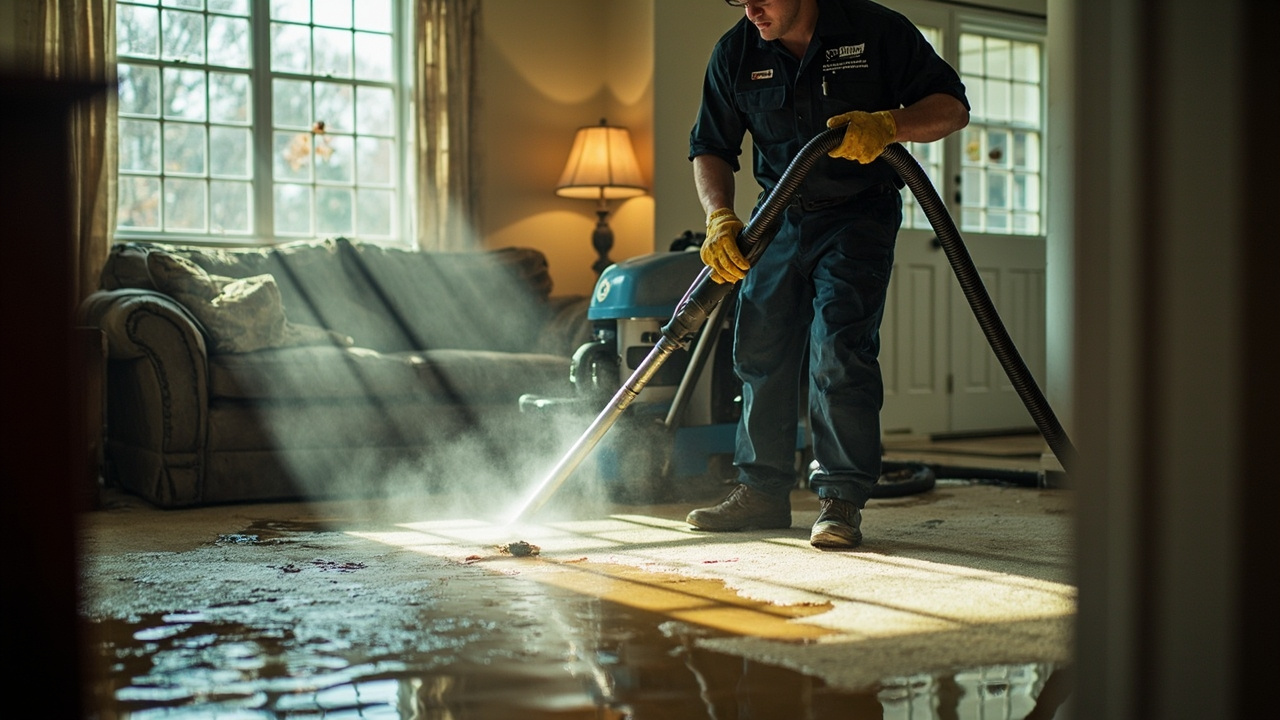
We deploy truck-mounted extraction units that generate 400+ CFM of suction power, pulling water from carpet fibers, backing, and padding in a single pass. This is not a carpet cleaner. These are water damage restoration tools designed to remove gallons of standing water in minutes, not hours.

Our technicians start with moisture mapping using penetrating and non-penetrating meters. We measure moisture levels in carpet surfaces, padding, and subfloors to identify hidden saturation zones. Philadelphia's older construction often conceals water migration paths where dampness travels laterally through wall cavities or beneath baseboards. We trace these patterns to find every affected area.

The extraction process uses weighted wands that compress carpet fibers while vacuum pressure lifts water through dual-stage filtration systems. We follow a grid pattern across each room, overlapping passes to ensure complete water removal. For heavily saturated areas, we pull back carpeting to extract padding separately or replace it entirely if contamination levels exceed safe thresholds.

After extraction, we deploy commercial air movers and dehumidifiers calibrated to Philadelphia's typical indoor humidity levels. Air movers create directional airflow patterns that evaporate residual moisture from carpet backing, while dehumidifiers capture water vapor before it condenses on walls or windows. We monitor drying progress with daily moisture readings, adjusting equipment placement until all materials return to baseline dry standards.

Wet carpet extraction is time-sensitive work. We focus on speed without sacrificing thoroughness because mold begins colonizing damp organic materials within 24 to 48 hours. Every hour you wait increases remediation complexity and cost.

What Happens When You Call for Emergency Carpet Extraction

Carpet Water Extraction in Philadelphia – Fast Response Teams Protect Your Property from Permanent Damage
01

Rapid Damage Assessment

We arrive with moisture detection equipment and begin mapping the extent of water saturation. Our technicians inspect carpet padding, subfloors, and adjacent walls to identify hidden moisture migration. You receive a written scope of work detailing affected areas, moisture readings, and recommended extraction procedures before any equipment is deployed. This assessment typically takes 20 to 40 minutes depending on property size.
02

Water Removal and Extraction

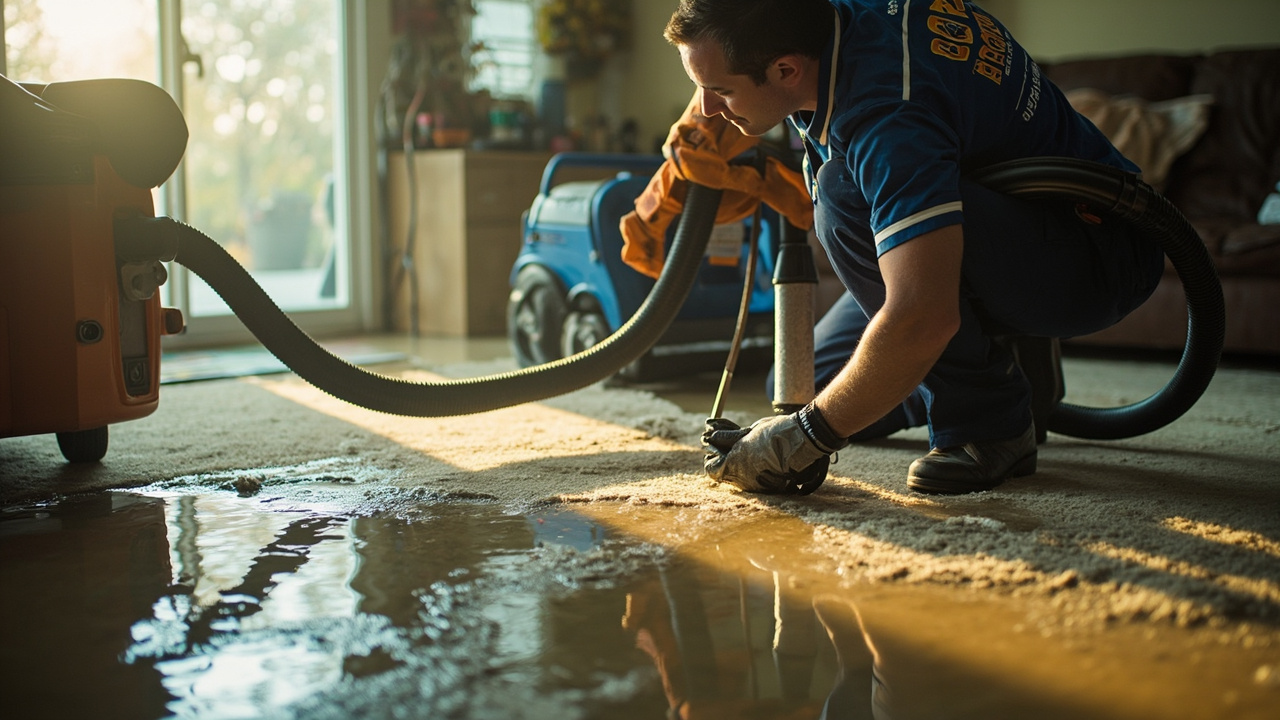
Truck-mounted vacuum systems begin pulling water from carpets using weighted extraction wands. We work in systematic grid patterns to ensure complete coverage, with multiple passes over heavily saturated zones. Furniture is lifted onto blocks or removed to access all flooring. For contaminated water (sewage backups or outdoor flooding), we follow IICRC S500 standards for safe handling and disposal of extracted fluids.
03

Controlled Structural Drying

High-velocity air movers and commercial dehumidifiers run continuously for 48 to 72 hours, creating optimal drying conditions. We monitor progress with daily moisture readings and adjust equipment placement to eliminate damp spots. Once all materials reach dry standards, we conduct a final inspection and document moisture levels. You receive a completion report showing before-and-after readings for insurance documentation.

Why Philadelphia Property Owners Choose Local Water Damage Specialists

Philadelphia's building stock ranges from 200-year-old rowhomes in Old City to modern condos along the Delaware River waterfront. Each construction type requires different extraction strategies. We understand how water behaves in balloon-framed Victorian doubles versus concrete-slab ranchers in the Northeast. That local knowledge prevents costly mistakes.

Reliance Water Damage Restoration Philadelphia technicians train specifically on regional challenges like the freeze-thaw cycles that crack basement floors and the summer humidity that slows drying times. We know which neighborhoods sit in floodplains (looking at you, Manayunk and Eastwick) and which have outdated plumbing systems prone to sudden failures.

Our equipment inventory includes specialized tools for tight Philadelphia rowhome stairwells and narrow hallways where standard extraction rigs cannot fit. We coordinate with local building inspectors when flooded carpet extraction reveals subfloor damage requiring permits. Our relationships with Philadelphia-area flooring suppliers mean faster replacement timelines when padding cannot be salvaged.

Insurance companies operating in Philadelphia recognize our documentation standards. We photograph moisture readings, maintain chain-of-custody records for contaminated materials, and provide detailed estimates that align with Xactimate pricing databases used by adjusters. This speeds up your claim approval and reduces disputes over covered services.

You need a company that responds to your neighborhood in under two hours, not a national franchise dispatching crews from Bucks County. We staff local technicians who know Philadelphia streets and can navigate Center City traffic or find parking in Passyunk Square. When your carpet is soaking and your finished basement is at risk, proximity matters.

What to Expect During Professional Carpet Water Extraction

Response Time and Availability

We dispatch crews 24 hours a day, 7 days a week, including holidays. Most Philadelphia-area properties receive service within 90 minutes of your call, with equipment on-site and extraction starting within two hours. We prioritize emergency carpet water removal calls where standing water is actively spreading or where sewage contamination poses health risks. Our dispatch system routes the closest available crew to your address, minimizing response delays during peak weather events when multiple properties flood simultaneously.

Initial Assessment and Documentation

Before beginning water damage carpet extraction, our technicians conduct a room-by-room assessment using thermal imaging cameras and moisture meters. We document all affected materials with photographs and written notes that include moisture readings, water source identification, and contamination classification. You receive a digital copy of this assessment within 24 hours, formatted for easy submission to insurance carriers. We explain our findings in plain language and answer questions about what materials can be saved versus what requires replacement.

Extraction Results and Drying Standards

Professional flooded carpet extraction restores carpets to dry-to-touch condition within 48 to 72 hours under normal circumstances. We measure success using industry-standard moisture content readings, not subjective assessment. Your carpets must reach below 15% moisture content before we consider the job complete. We compare final readings against baseline measurements taken from unaffected areas of your home. All drying equipment remains in place until these standards are met, with daily technician visits to monitor progress and adjust airflow patterns.

Post-Extraction Monitoring and Prevention

After completing carpet water removal, we conduct a final walkthrough to verify no residual moisture remains in subfloors or wall cavities. You receive a completion certificate documenting all moisture readings and confirming materials meet dry standards. We provide recommendations for preventing future water intrusion, including sump pump maintenance, grading corrections, and plumbing upgrades specific to your property type. Our team is available for follow-up moisture checks at no charge within 7 days of service completion if you have concerns about damp spots or odors returning.

Frequently Asked Questions

You Have Questions,
We Have Answers

How to extract water from carpet? +

Start by removing standing water with a wet vacuum or shop vac. Extract as much moisture as possible by making slow, overlapping passes. Pull up the carpet and pad if saturation is severe. Use fans and dehumidifiers to dry the subfloor. In Philadelphia's humid climate, moisture lingers longer, so air circulation is critical. If water came from a contaminated source like sewage or floodwater, professional extraction is necessary. DIY methods work for small, clean water spills, but significant flooding requires truck-mounted extraction equipment to prevent mold growth and structural damage to your home.

How much does it cost to get water out of carpet? +

Professional carpet water extraction in Philadelphia typically ranges based on square footage, water source, and damage severity. Clean water from a supply line costs less than Category 3 water from sewage backups. Most companies charge per room or per square foot. Emergency service rates apply for 24/7 calls. Your homeowner's insurance may cover water damage extraction if the cause is sudden and accidental, like a burst pipe. Get a detailed estimate that includes extraction, padding replacement if needed, antimicrobial treatment, and drying equipment. Prices vary across Philadelphia neighborhoods based on travel distance and job complexity.

What's the difference between a carpet cleaner and a carpet extractor? +

A carpet cleaner removes dirt, stains, and odors using cleaning solutions and light suction. A carpet extractor removes large volumes of water and moisture using powerful vacuum suction. Extractors handle emergency water damage, while cleaners handle routine maintenance. Extractors use truck-mounted or portable pumps that pull gallons of water per minute from saturated carpets and padding. In Philadelphia, where basement flooding and pipe bursts are common due to aging infrastructure and freeze-thaw cycles, you need an extractor for water damage situations. Cleaners cannot handle the volume or speed required to prevent mold growth after flooding.

How long can carpet be wet before mold? +

Mold can begin growing on wet carpet within 24 to 48 hours, especially in Philadelphia's humid summers. Temperature and humidity accelerate growth. Carpets in basements or lower levels are at higher risk due to poor ventilation and cooler temperatures. If water is contaminated, mold and bacteria growth happen faster. You must start extraction and drying immediately after water damage occurs. Once mold takes hold in carpet fibers and padding, removal becomes necessary. Dehumidifiers and air movers should run continuously until moisture readings return to normal levels. Speed is everything when protecting your carpet and indoor air quality.

How long does it take carpet to dry after flooding? +

Drying time depends on water volume, carpet type, padding material, and airflow. With professional extraction equipment and proper drying conditions, carpets dry in 12 to 24 hours. Without adequate air movement or in Philadelphia's humid conditions, drying can take three to five days. Padding often requires 24 to 48 hours or replacement if heavily saturated. Dehumidifiers pull moisture from the air while fans create circulation across carpet surfaces. Hardwood subfloors underneath take longer to dry than concrete. Moisture meters confirm when materials reach safe levels. Never replace furniture or walk on carpet until completely dry.

Does Stanley Steemer do water extraction? +

Stanley Steemer primarily focuses on carpet cleaning, upholstery cleaning, and routine maintenance services. While they have extraction equipment for their cleaning process, their core business is not emergency water damage restoration. Water extraction for flooding requires specialized training in structural drying, moisture detection, antimicrobial treatment, and insurance documentation. Philadelphia residents facing water damage need certified water damage restoration specialists with truck-mounted extraction systems, commercial dehumidifiers, and thermal imaging tools. Emergency water removal requires immediate response, 24/7 availability, and coordination with insurance adjusters. Choose a company specializing in water damage, not routine carpet cleaning.

Can Stanley Steemer remove water from carpet? +

Stanley Steemer can remove surface water during their cleaning process, but they are not equipped for emergency flood response or significant water damage restoration. Their equipment handles routine cleaning moisture, not Category 2 or Category 3 water contamination from sewage or flooding. Philadelphia homeowners need IICRC-certified water damage technicians who understand moisture mapping, psychrometry, and structural drying protocols. Emergency water extraction requires documentation for insurance claims, antimicrobial application, and monitoring equipment over multiple days. If you have significant water damage, contact a water damage restoration specialist, not a carpet cleaning company. Different expertise, different equipment, different outcomes.

Is it worth cleaning 20 year old carpet? +

If a 20-year-old carpet has water damage, replacement usually makes more sense than cleaning. Older carpet and padding have accumulated dirt, allergens, and wear that water exposure magnifies. Padding breaks down and becomes a mold breeding ground once wet. In Philadelphia row homes and older properties, outdated carpet may hide asbestos backing or lead dust, creating health risks when disturbed. Insurance companies often total out older carpets during water damage claims because restoration costs approach replacement costs. Evaluate the carpet's condition before water damage occurred. If it was already worn, stained, or odorous, water damage is your signal to upgrade.

Can water soaked carpet be saved? +

Water-soaked carpet can be saved if you act within 24 hours and the water is clean. Category 1 water from supply lines allows for successful restoration. Category 2 or 3 water from sewage, toilets, or Philadelphia street flooding requires carpet disposal due to contamination. Padding usually needs replacement even with clean water because it retains moisture and breeds mold. Professional extraction removes 95% of water, but drying equipment must run for days. Subfloor condition matters too. If wood subfloors buckle or concrete develops efflorescence, carpet restoration becomes complicated. Speed, water source, and professional equipment determine if your carpet survives.

Which is better, a carpet cleaner or a carpet steamer? +

For water damage, neither a carpet cleaner nor a carpet steamer is appropriate. You need a carpet extractor. Cleaners and steamers add moisture and cleaning solution, worsening water damage situations. Extractors remove water using powerful suction without adding liquid. For routine maintenance in Philadelphia homes, hot water extraction cleaning (often called steam cleaning) deep cleans fibers better than dry cleaning methods. But during emergencies like basement flooding or burst pipes, truck-mounted water extractors paired with dehumidifiers and air movers are required. Match the tool to the job. Cleaning and water damage restoration are completely different processes requiring different equipment.

How Philadelphia's Seasonal Water Table Affects Basement Carpet Flooding

Philadelphia sits in the Delaware River watershed, where spring snowmelt and summer thunderstorms raise the water table by several feet. Basements in low-lying neighborhoods like Pennsport and Gray's Ferry experience hydrostatic pressure that forces groundwater through foundation walls and floor cracks. This seepage soaks carpeting from beneath, where standard wet carpet extraction cannot reach without pulling back flooring materials. Philadelphia's clay soil compounds the problem by creating impermeable barriers that trap water against foundations rather than allowing natural drainage. Emergency carpet water removal in these conditions requires subfloor drying and often French drain installation to prevent recurring floods.

Our technicians understand Philadelphia's mix of construction eras and the unique vulnerabilities each presents. Rowhomes built before 1950 often lack proper waterproofing membranes, while newer constructions in flood zones may have inadequate sump pump capacity. We work regularly with Philadelphia Water Department regulations and coordinate with licensed plumbers when water damage carpet extraction reveals code violations or system failures. This local expertise protects you from band-aid fixes that fail during the next heavy rain. Choosing a water damage restoration company familiar with Philadelphia's infrastructure and climate patterns ensures your carpet extraction addresses root causes, not just surface symptoms.

Water Damage Restoration Services in The Philadelphia Area

View our service area to see how Reliance Water Damage Restoration delivers fast, reliable support across the region. Whether it’s residential basements or commercial spaces, our team is locally based and ready to respond 24/7. We’re committed to being near you when emergencies strike—count on us for prompt, professional care.
(80 words)

Address:
Reliance Water Damage Restoration Philadelphia, 100 N 18th St, Philadelphia, PA, 19103

Additional Services We Offer

Our news updates

Latest Articles & News from The Blogs

Identifying moisture problems in the unique limestone foundations of Swarthmore homes If you own a historic home in Swarthmore you…

Identifying moisture problems in the unique limestone foundations of Swarthmore homes

Identifying moisture problems in the unique limestone foundations of Swarthmore homes If you own a historic home in Swarthmore you…

Can your custom built-in bookshelves in Radnor be saved after a pipe burst?

Can Your Custom Built-In Bookshelves in Radnor Be Saved After a Pipe Burst? Water damage to custom built-ins in Radnor…

Solving the mystery of office park leaks in Plymouth Meeting before they ruin the carpet

Solving the mystery of office park leaks in Plymouth Meeting before they ruin the carpet Office park leaks in Plymouth…

Contact Us

Every hour of delay increases mold risk and structural damage. Call Reliance Water Damage Restoration Philadelphia now at (215) 610-8188 for immediate dispatch. Our crews are standing by with truck-mounted extraction equipment ready to deploy to your property within 90 minutes.