menu

Water Heater Burst Cleanup in Philadelphia – 60-Minute Response to Stop the Flooding

When your water heater ruptures at 2 AM, you need emergency water heater water removal crews dispatched immediately to extract standing water, prevent structural damage, and protect your property from catastrophic loss.

Slider Image 1
Slider Image 2
Slider Image 3
Slider Image 4
Slider Image 5
Slider Image 7
Slider Image 8
Slider Image 9
Slider Image 10
Slider Image 11

A Burst Water Heater Floods Your Home Fast

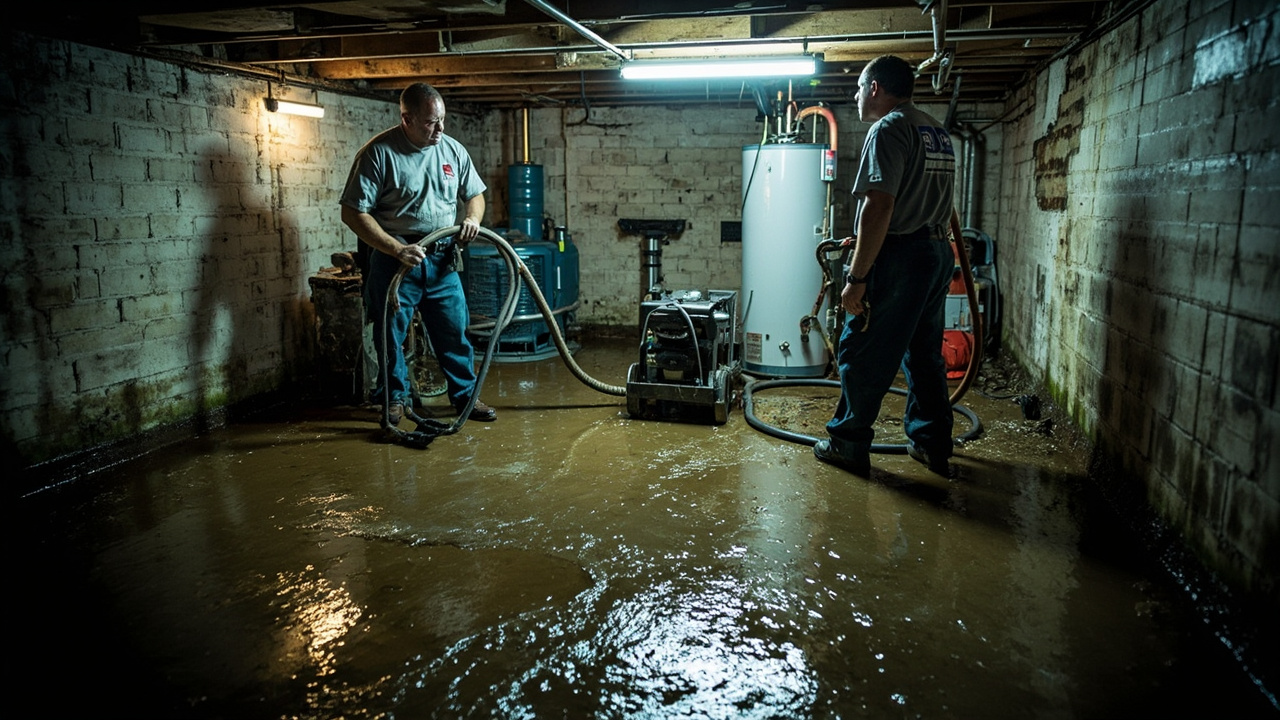
A ruptured water heater dumps 40 to 80 gallons of water in minutes. If your unit sits in a finished basement, on a second floor, or near electrical panels, the damage spreads fast. Water soaks through drywall, seeps into subflooring, and pools under appliances before you even realize what happened.

Philadelphia's older rowhomes and multi-story brownstones make burst hot water tank cleanup more complex. Water travels down interior walls, through floor joists, and into crawl spaces you cannot see. The city's freeze-thaw cycles stress aging water heater tanks, and when pressure relief valves fail, you get a full rupture instead of a slow leak. If your home sits in neighborhoods like Fishtown, Queen Village, or Bella Vista, your basement or lower level can flood in under 20 minutes.

You need emergency water heater water removal to stop the spread. Standing water causes mold growth within 24 to 48 hours, especially in Philadelphia's humid spring and summer months. Wood floors warp, drywall dissolves, and electrical systems short out. Delaying water heater flood damage restoration by even a few hours turns a contained mess into a structural emergency. You shut off the water supply, but the damage keeps happening until extraction starts. That's why immediate dispatch matters.

A Burst Water Heater Floods Your Home Fast
How We Execute Ruptured Water Heater Cleanup Services

How We Execute Ruptured Water Heater Cleanup Services

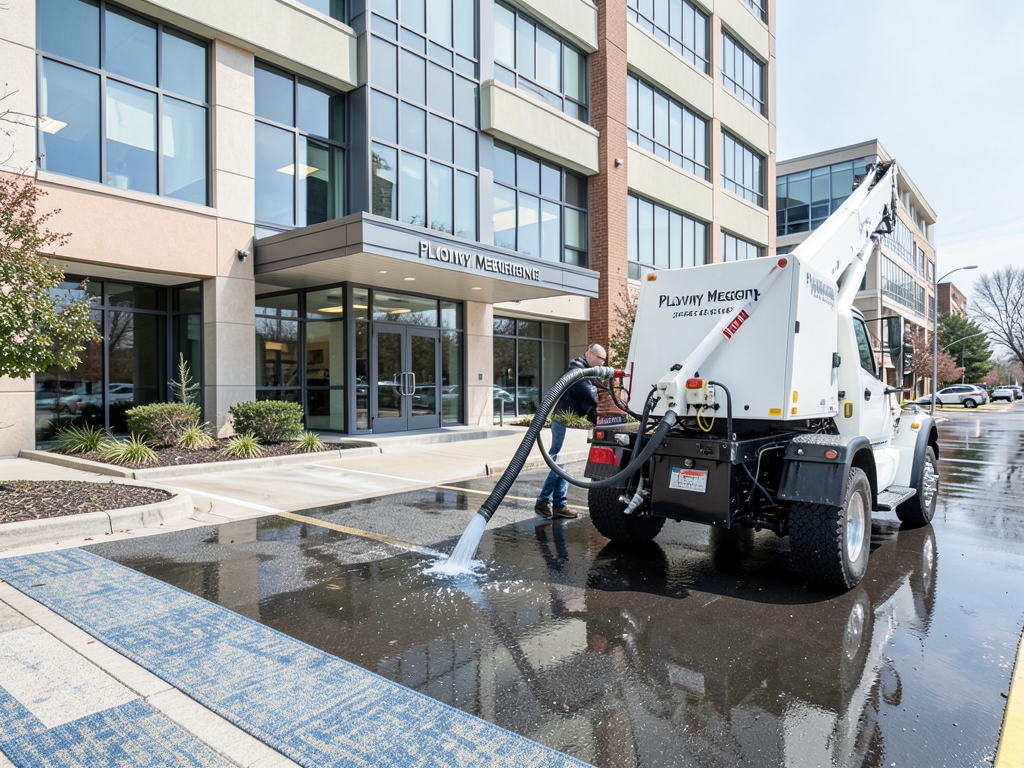
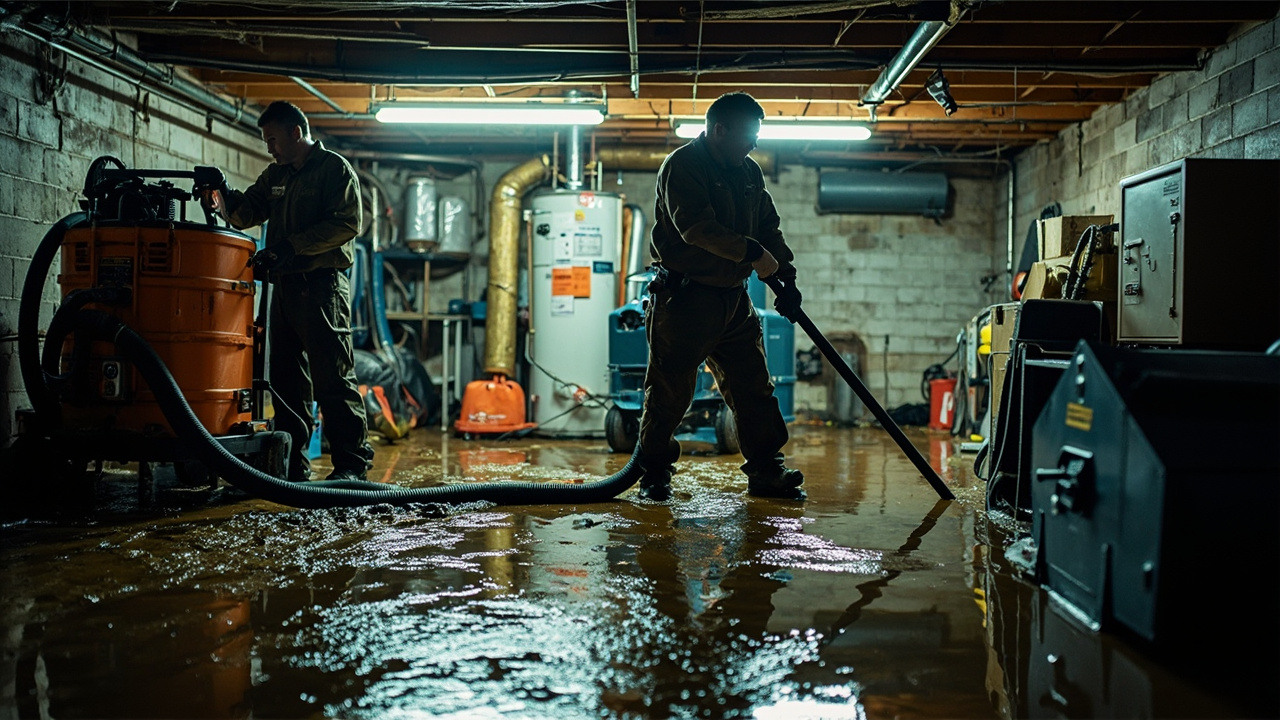
We arrive with truck-mounted extraction equipment and portable pumps designed to remove bulk water in the first 30 minutes. Our crews assess the water heater location, identify breach points, and map water migration paths through your structure. We use thermal imaging cameras to detect hidden moisture pockets behind baseboards, under flooring, and inside wall cavities. This diagnostic step separates professional burst water heater extraction from amateur cleanup.

After extraction, we deploy commercial air movers and dehumidifiers to dry structural components. We monitor moisture levels in framing lumber, subfloors, and drywall using moisture meters calibrated to industry standards. If water reached electrical outlets or service panels, we coordinate with licensed electricians to verify safety before restoration proceeds. We document every step for your insurance adjuster, including photos, moisture readings, and equipment logs.

Philadelphia's Building Code requires proper ventilation and mold remediation protocols when water damage affects occupied structures. We follow IICRC S500 Water Damage Restoration standards, which specify drying timelines, antimicrobial application procedures, and structural drying goals. If your water heater sat in a shared basement or affected adjacent units in a rowhouse, we establish containment zones to prevent cross-contamination. We remove damaged materials like soaked insulation, deteriorated drywall, and compromised flooring that cannot be salvaged. Reliance Water Damage Restoration Philadelphia completes water heater flood damage restoration with speed and precision, minimizing your downtime and preventing secondary damage.

What Happens When You Call for Burst Water Heater Extraction

Water Heater Burst Cleanup in Philadelphia – 60-Minute Response to Stop the Flooding
01

Emergency Dispatch and Arrival

You call (215) 610-8188, and we dispatch a crew within the hour. We arrive with water extraction equipment, moisture detection tools, and protective gear. Our technician shuts off your water supply if you have not already, inspects the ruptured tank, and identifies all affected areas. We begin bulk water removal immediately, pulling standing water from floors, carpets, and low-lying spaces before it penetrates deeper into your structure.
02

Water Extraction and Assessment

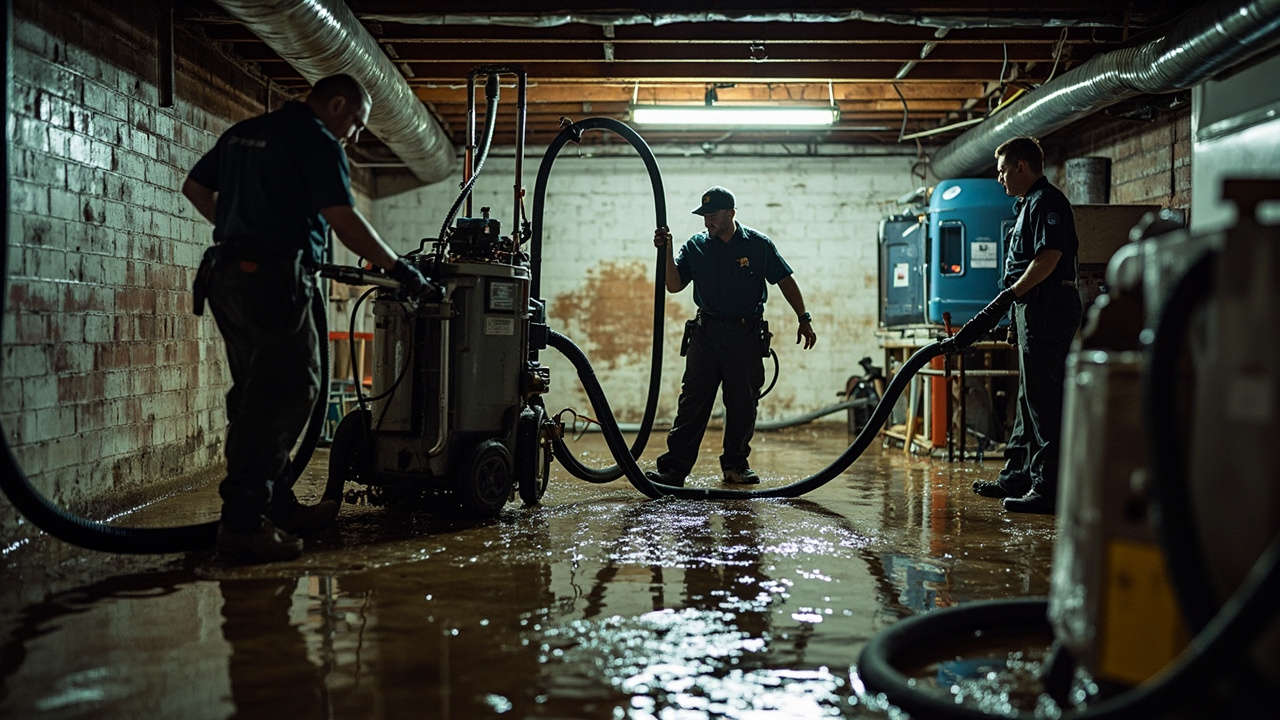
We use truck-mounted extractors and submersible pumps to remove all visible water. Then we deploy thermal imaging to locate hidden moisture in walls, ceilings, and subflooring. We measure moisture content in structural components and create a drying plan based on your home's construction and the extent of water migration. If water reached electrical systems, we flag those areas for safety clearance before drying equipment runs continuously.
03

Structural Drying and Restoration

We set up air movers and dehumidifiers to dry your structure to industry-standard moisture levels. We monitor progress daily with moisture meters and adjust equipment placement to optimize drying time. Once structural drying is complete, we remove unsalvageable materials like saturated drywall or flooring. We coordinate with contractors for rebuild work if needed, and we provide full documentation for your insurance claim to streamline the reimbursement process.

Why Philadelphia Residents Choose Reliance Water Damage Restoration

Philadelphia's housing stock includes century-old rowhomes, converted factories, and narrow multi-story buildings where water damage spreads unpredictably. A burst water heater on the second floor of a Rittenhouse Square condo affects units below. A ruptured tank in a Port Richmond basement floods through shared walls into neighboring properties. You need a water heater flood damage restoration team that understands how water moves through Philadelphia's unique architecture.

We work with every major insurance carrier active in Philadelphia, from State Farm to Nationwide to local providers like Philadelphia Insurance Companies. We know how adjusters evaluate burst hot water tank cleanup claims, and we document damage using their preferred formats to speed up your approval. We also understand Philadelphia's Building Code requirements for mold remediation, structural drying, and electrical safety after water exposure.

Our crews train on IICRC Water Damage Restoration standards and update their certifications annually. We carry commercial-grade extraction equipment powerful enough to handle multi-unit flooding, and we stock antimicrobial treatments approved for occupied residential structures. When you call Reliance Water Damage Restoration Philadelphia, you get a team that knows how to navigate tight city rowhomes, coordinate with condo associations, and execute emergency water heater water removal without damaging your interior finishes.

We serve every neighborhood in Philadelphia, from Old City to Mount Airy to Passyunk Square. We know the difference between a water heater burst in a finished basement versus a ruptured tank in a crawl space. We adjust our approach based on your property type, your insurance coverage, and the severity of the damage. Speed matters, but so does precision.

What You Get with Our Ruptured Water Heater Cleanup Services

60-Minute Emergency Response

We dispatch crews within 60 minutes of your call, 24 hours a day, 365 days a year. When your water heater ruptures in the middle of the night, you cannot wait until morning. Our technicians arrive with truck-mounted extraction equipment, moisture meters, and thermal imaging cameras. We begin water removal immediately, pulling standing water before it soaks deeper into your floors, walls, and structural components. Speed limits damage, and our rapid response protects your property from escalating losses.

Comprehensive Moisture Detection

We use thermal imaging and moisture meters to locate hidden water pockets you cannot see. Water from a burst water heater travels through wall cavities, under flooring, and into adjacent rooms. Our technicians map moisture migration paths and measure moisture content in framing lumber, drywall, and subflooring. We create a detailed drying plan that targets every affected area, ensuring nothing gets missed. This diagnostic approach prevents mold growth and structural weakening that occur when hidden moisture remains untreated.

Certified Structural Drying

We dry your property to IICRC S500 standards, which specify acceptable moisture levels for different building materials. We deploy commercial air movers and dehumidifiers calibrated to your structure's needs, and we monitor drying progress with daily moisture readings. We do not stop until your floors, walls, and structural components reach safe moisture levels. If materials like drywall or insulation cannot be salvaged, we remove them and coordinate with contractors to restore your space to pre-loss condition.

Insurance Claim Support

We document every phase of your water heater flood damage restoration with photos, moisture logs, and equipment records. We provide your insurance adjuster with detailed reports that justify every step of the cleanup process. We work directly with your carrier to answer questions, clarify scope, and expedite your claim approval. You focus on getting your life back on track while we handle the paperwork and coordination. Our goal is to make the insurance process as smooth and stress-free as the restoration itself.

Frequently Asked Questions

You Have Questions,
We Have Answers

What do you do when your water heater bursts? +

Shut off the water supply immediately at the main shutoff valve or the unit itself. Turn off power to the heater at the breaker box or gas valve. Stop the flooding before it reaches your flooring or walls. Move valuables away from standing water. Call a licensed water damage restoration company right away. In Philadelphia's older rowhomes, burst water heaters can quickly flood basements and damage adjacent units. Do not attempt repairs yourself. Professional crews extract water, dry structural materials, and prevent mold growth in hidden cavities. Document everything for your insurance claim.

How much is a 40 gallon water heater worth in scrap? +

A 40-gallon water heater is worth roughly $10 to $20 in scrap metal, depending on current steel and copper prices. Do not focus on scrap value right now. When your water heater bursts, your priority is water damage cleanup and preventing structural harm to your Philadelphia property. Basement flooding spreads fast through concrete floors and wood joists. Attempting to remove a burst unit yourself delays critical drying and risks further contamination. Let restoration professionals handle extraction, safe removal, and disposal while they address the immediate water threat.

What to do when a hot water heater blows? +

Turn off the power supply at the breaker box or gas shutoff valve immediately. Close the water supply valve to stop additional flooding. Evacuate the area if you smell gas or see steam. Do not touch standing water near electrical outlets. Call emergency water damage restoration services right away. Philadelphia's humid climate accelerates mold growth within 24 to 48 hours after flooding. Professional crews remove contaminated water, dry affected areas, and inspect for hidden moisture in walls and subfloors. Time matters. Delaying professional cleanup increases repair costs and health risks.

Can I do laundry with a broken water heater? +

No. Do not use washing machines, dishwashers, or any water-dependent appliances when your water heater has burst. Your home's plumbing system may still be compromised, and running water could worsen flooding or damage. If the burst caused basement flooding, water may have infiltrated electrical systems, creating shock hazards. Wait until restoration professionals confirm your home is safe and a licensed plumber replaces the damaged unit. In Philadelphia's row homes, one unit's water damage can affect neighboring properties. Avoid using plumbing until cleared by professionals to prevent additional liability.

How rare is it for a water heater to explode? +

True explosions are rare but catastrophic when they happen. Most water heaters fail through slow leaks or sudden ruptures that flood spaces. Explosions occur when pressure relief valves fail and internal pressure builds unchecked. Lack of maintenance, sediment buildup, and corroded tanks increase risk. Philadelphia's hard water accelerates sediment accumulation, reducing heater lifespan. Even without explosion, a burst water heater floods basements rapidly. Treat every failure as an emergency. Shut off power and water immediately. Call restoration professionals to extract water, dry structures, and prevent secondary damage like mold and wood rot.

Can I take a shower with a broken water heater? +

No. Do not shower or use hot water if your water heater is broken or burst. You risk scalding from unregulated temperatures, electric shock if wiring is compromised, or exposure to contaminated water if flooding occurred. If the burst caused basement flooding, standing water near electrical panels creates serious hazards. Wait until a licensed plumber replaces the unit and restoration professionals confirm your home is safe. In Philadelphia's older housing stock, water damage spreads quickly through shared walls and floors. Prioritize safety and professional cleanup before resuming normal water use.

What is the lifespan of a 40-gallon water heater? +

A 40-gallon water heater typically lasts 8 to 12 years, depending on water quality, maintenance, and usage. Philadelphia's hard water shortens lifespan by accelerating sediment buildup and tank corrosion. Neglected units fail sooner, often through sudden ruptures that flood basements. Older rowhomes with original plumbing face higher risk. Routine flushing and anode rod replacement extend life, but most homeowners skip maintenance. If your unit is over 10 years old, monitor for rust, leaks, or strange noises. Replace proactively to avoid emergency flooding and costly water damage restoration.

Is there copper inside of a hot water heater? +

Yes. Water heaters contain copper tubing in heat exchangers and connectors, plus brass fittings. However, scrap value is minimal compared to the cost of water damage from a burst unit. Do not delay emergency cleanup to salvage copper. In Philadelphia's humid climate, standing water triggers mold growth within 24 to 48 hours. Basement flooding damages flooring, drywall, and structural wood. Professional restoration crews extract water, dry hidden cavities, and remove the damaged heater safely. Focus on preventing secondary damage, not scrap recovery. Your insurance claim and property value depend on fast action.

How much money can you make from scrapping a water heater? +

You can earn $15 to $30 scrapping a water heater, depending on metal type and weight. This amount is irrelevant during an emergency. When your water heater bursts, every hour of standing water increases structural damage, mold risk, and repair costs. Philadelphia's older homes with wood joists and plaster walls absorb water quickly. Do not waste time on scrap recovery. Call a licensed restoration company immediately to extract water, dry affected areas, and remove the unit safely. Your insurance claim and home's structural integrity are worth far more than scrap metal.

Does insurance cover a water heater explosion? +

Most homeowner policies cover sudden water heater failures and resulting water damage, but not gradual leaks or lack of maintenance. Review your policy for coverage limits and deductibles. Philadelphia's aging housing stock often has exclusions for older plumbing systems. Document the damage immediately with photos and call your insurer within 24 hours. Hire a licensed restoration company to begin water extraction and drying right away. Delays void coverage. Professional documentation supports your claim. Keep all receipts and repair estimates. Insurance may also cover temporary housing if your home becomes uninhabitable.

Why Philadelphia's Aging Infrastructure Makes Water Heater Failures More Common

Philadelphia's housing stock skews older, with thousands of homes built before 1950. Many properties still have original plumbing systems or water heaters nearing the end of their 10- to 15-year lifespan. The city's freeze-thaw cycles stress aging tanks, and hard water deposits accelerate corrosion inside the unit. When pressure relief valves fail or tank seams weaken, you get a sudden rupture instead of a gradual leak. Rowhome construction amplifies the damage, as water flows through shared walls and affects multiple units. Burst hot water tank cleanup in Philadelphia requires understanding how water moves through connected structures and how to contain flooding before it spreads.

Philadelphia's Building Code mandates proper moisture control and mold remediation when water damage affects occupied structures. Our crews follow IICRC S500 standards and coordinate with local inspectors when necessary. We understand how Philadelphia's Department of Licenses and Inspections evaluates water damage repairs, and we ensure all work meets code requirements. Choosing a local emergency water heater water removal team means working with professionals who know the regulatory landscape, the insurance market, and the unique challenges of restoring older urban properties. We serve every neighborhood in Philadelphia with the same speed and precision, from Society Hill to Kensington to Manayunk.

Water Damage Restoration Services in The Philadelphia Area

View our service area to see how Reliance Water Damage Restoration delivers fast, reliable support across the region. Whether it’s residential basements or commercial spaces, our team is locally based and ready to respond 24/7. We’re committed to being near you when emergencies strike—count on us for prompt, professional care.
(80 words)

Address:
Reliance Water Damage Restoration Philadelphia, 100 N 18th St, Philadelphia, PA, 19103

Additional Services We Offer

Our news updates

Latest Articles & News from The Blogs

Why Your North Philadelphia Brick Walls Are Crumbling After Years of Water Absorption Your North Philadelphia brick wall isn’t just…

Why your North Philadelphia brick walls are crumbling after years of water absorption

Why Your North Philadelphia Brick Walls Are Crumbling After Years of Water Absorption Your North Philadelphia brick wall isn’t just…

What you need to know about wet vinyl floor tiles and asbestos in your older Oxford Circle home

What you need to know about wet vinyl floor tiles and asbestos in your older Oxford Circle home Water damage…

Why Eastwick homes are so prone to flooding and how to prepare for the next big storm

Why Eastwick homes are so prone to flooding and how to prepare for the next big storm Eastwick sits on…

Contact Us

Every minute counts when your water heater ruptures. Call Reliance Water Damage Restoration Philadelphia at (215) 610-8188 for 60-minute emergency dispatch. We extract water, dry your structure, and restore your property fast.