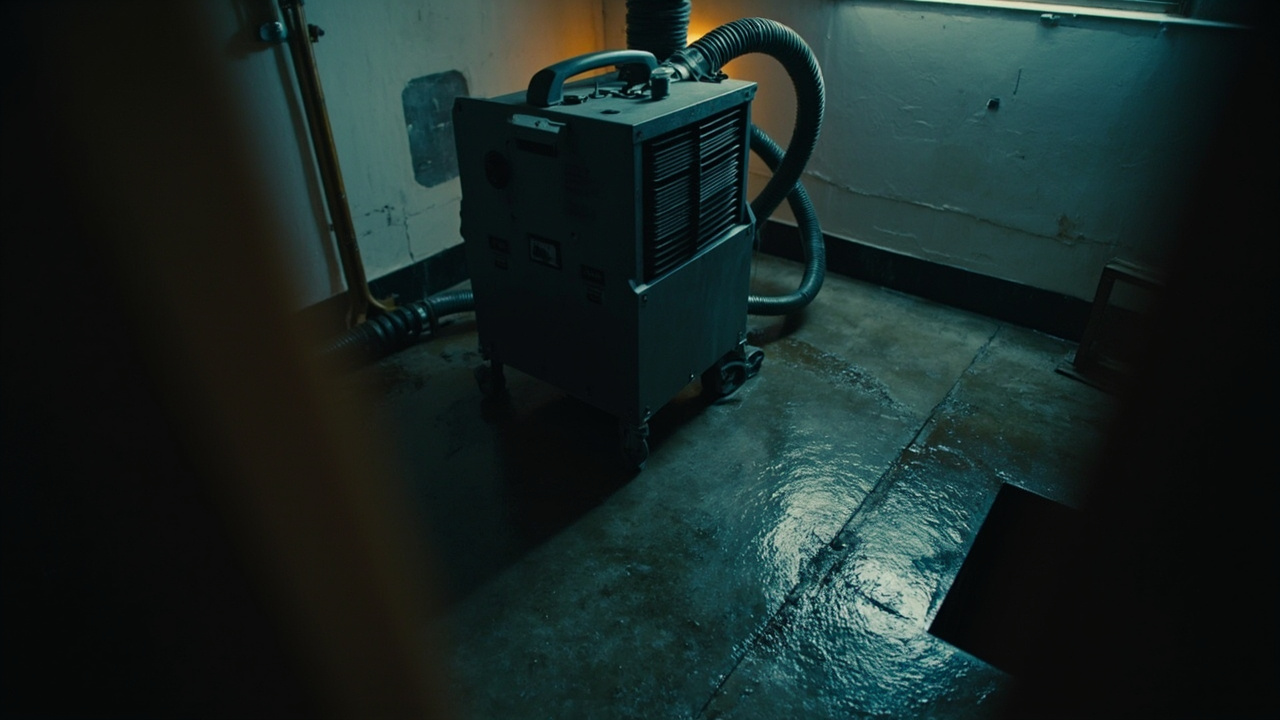
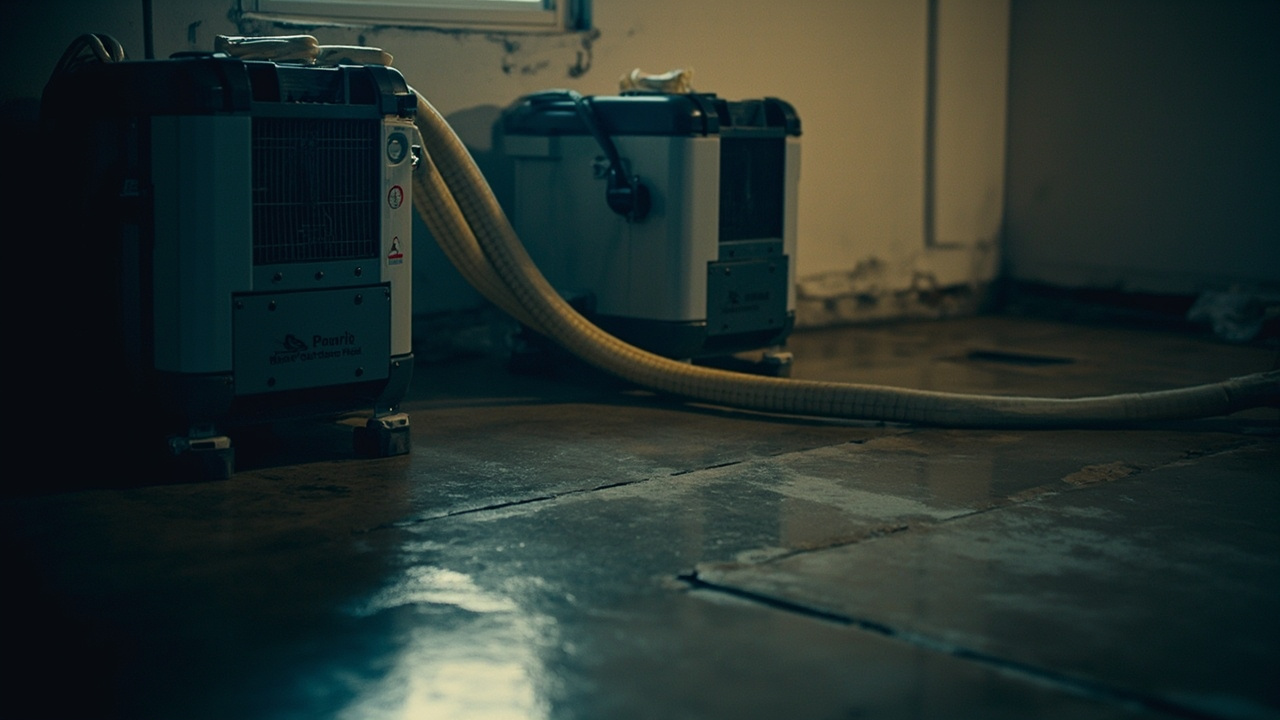
Philadelphia sits at the confluence of two major rivers and averages 42 inches of annual rainfall. Summer humidity regularly exceeds 70%. When you add water intrusion to already humid air, evaporation slows dramatically. Materials stay wet longer, and mold colonization accelerates. Many Philadelphia properties, especially in historic districts like Queen Village and Bella Vista, have limited ventilation and thick masonry construction that traps moisture. Consumer-grade equipment cannot generate the airflow or dehumidification capacity to dry these structures. Industrial dehumidifier for rent equipment is not optional. It is the only method that works in high-humidity, low-ventilation environments common throughout Philadelphia.
Philadelphia also has aging infrastructure. The sewer system dates back over a century in many neighborhoods, and combined sewer overflows (CSOs) cause basement flooding during heavy rain events. Homes built before 1950 often lack proper waterproofing and exterior drainage. When water enters these properties, it saturates porous brick, stone foundations, and old plaster. You need professionals who understand these unique conditions and know how to dry them properly. Reliance Water Damage Restoration Philadelphia has worked in every neighborhood, from the tight row homes of Port Richmond to the sprawling estates of Chestnut Hill. We know what works here because we have dried thousands of Philadelphia properties.