menu

Frozen Pipe Burst Cleanup in Philadelphia – 24/7 Emergency Response Within 60 Minutes

When frozen pipes burst in your Philadelphia home or business, Reliance Water Damage Restoration Philadelphia arrives fast to stop water damage, extract standing water, and begin emergency drying before mold takes hold.

Slider Image 1
Slider Image 2
Slider Image 3
Slider Image 4
Slider Image 5
Slider Image 7
Slider Image 8
Slider Image 9
Slider Image 10
Slider Image 11

Why Frozen Pipes Burst in Philadelphia and What Happens Next

Philadelphia's winter climate is brutal on plumbing. When temperatures drop below 20 degrees, water inside your pipes expands as it freezes. This creates pressure that cast iron, copper, and PEX cannot withstand. The pipe cracks or ruptures. When the ice thaws, water floods your property at 10 to 15 gallons per minute.

Older Philadelphia rowhomes and brownstones are especially vulnerable. Many properties in Fishtown, Northern Liberties, and Kensington have exposed pipes in unheated crawl spaces or against exterior walls. The freeze-thaw cycle from December through March causes pipes to fail without warning. You wake up to water pooling in your basement, soaking through drywall, or cascading down from your ceiling.

The danger is not just the initial flood. Water seeps into subfloors, insulation, and wall cavities. Within 24 to 48 hours, mold spores activate. Structural wood swells and warps. Electrical systems short out. What starts as a burst pipe turns into a full-scale water damage emergency.

Emergency burst pipe water removal must happen immediately. Every hour of delay increases repair costs and health risks. Frozen pipe flood cleanup is not a DIY project. You need industrial extraction equipment, thermal imaging to find hidden moisture, and commercial dehumidifiers to prevent secondary damage. Burst pipe water damage restoration requires speed, technical knowledge, and the right tools to stop a small disaster from becoming a total loss.

Why Frozen Pipes Burst in Philadelphia and What Happens Next
How We Execute Frozen Pipe Burst Remediation in Philadelphia Properties

How We Execute Frozen Pipe Burst Remediation in Philadelphia Properties

We do not show up with a wet vac and a fan. Frozen pipe burst remediation requires precision. Our technicians arrive with truck-mounted extractors, thermal cameras, and moisture meters calibrated to detect water content in drywall, subflooring, and insulation. We map the extent of water migration before we pull a single gallon.

First, we isolate the water source. If the pipe is still leaking, we shut off your main line or install a temporary patch to stop flow. Then we begin water extraction for frozen pipes using high-capacity pumps that remove standing water in minutes, not hours. Speed matters. The longer water sits, the deeper it penetrates into porous materials.

Next, we document every affected surface with moisture readings. We use infrared thermography to identify trapped water inside walls and ceilings. This is critical for insurance claims and for preventing hidden mold growth. We photograph everything before we move furniture or cut into drywall.

Once extraction is complete, we deploy air movers and low-grain refrigerant dehumidifiers. These machines create negative air pressure and pull moisture out of building materials at the molecular level. We do not rely on guesswork. We monitor drying progress with daily moisture readings until every affected surface reaches EPA-approved dry standards.

If structural materials are compromised, we remove them. Soaked drywall, waterlogged insulation, and swollen baseboards get demo'd and bagged. We treat exposed studs and subfloors with antimicrobial solutions to kill bacteria and prevent mold colonization. This is not cosmetic work. It is contamination control.

What Happens During Your Emergency Burst Pipe Cleanup

Frozen Pipe Burst Cleanup in Philadelphia – 24/7 Emergency Response Within 60 Minutes
01

Immediate Water Extraction

We arrive within 60 minutes of your call. Our team shuts off the water source, then uses truck-mounted extractors to remove standing water from floors, carpets, and subflooring. We prioritize high-risk areas like basements and crawl spaces where water accumulates fastest. This step stops additional saturation and reduces drying time by 40 to 60 percent.
02

Moisture Detection and Monitoring

We use thermal imaging and pin-type moisture meters to locate hidden water inside walls, ceilings, and subfloors. Every surface gets documented with before-and-after readings. This data is critical for your insurance adjuster and ensures no moisture is left behind. We map the full scope of water migration before we begin drying, so nothing is missed.
03

Structural Drying and Restoration

We deploy industrial air movers and dehumidifiers to dry your property to EPA standards. This process takes 3 to 7 days depending on saturation levels. We monitor moisture daily and adjust equipment placement as needed. Once drying is complete, we remove damaged materials, treat surfaces with antimicrobial agents, and prepare your property for reconstruction. Your space is dry, safe, and ready for repairs.

Why Philadelphia Homeowners Choose Reliance Water Damage Restoration for Burst Pipe Emergencies

You need a team that understands Philadelphia buildings. Many properties in Center City, Queen Village, and South Philly were built before 1950. These homes have plaster walls, radiant heating systems, and plumbing runs that snake through uninsulated voids. Generic water damage protocols do not work. You need technicians who know how to dry old construction without causing more damage.

We have worked in every neighborhood in Philadelphia. We know the building stock. We know which homes have galvanized steel pipes that rust from the inside. We know which rowhomes share common walls with poor vapor barriers. We know the quirks of Philadelphia plumbing and how to mitigate water damage without tearing apart historic finishes.

Our team is trained in IICRC water damage restoration standards. That means we follow industry protocols for extraction, drying, and antimicrobial treatment. We do not cut corners. We do not leave moisture behind. We do not guess when equipment should be pulled. We measure and verify.

We also work directly with your insurance company. Burst pipe claims are complex. Adjusters want documentation, moisture logs, and proof that the damage was mitigated properly. We provide that. We photograph everything, submit detailed estimates, and walk your adjuster through the scope of work. This speeds up approvals and reduces out-of-pocket costs.

Speed is everything in water damage restoration. We answer calls 24 hours a day, 7 days a week, including holidays. When a pipe bursts at 2 a.m., we are on the road in minutes. Our trucks are stocked with extraction equipment, dehumidifiers, air movers, and moisture detection tools. We do not schedule you for next Tuesday. We show up now.

What You Can Expect During the Emergency Burst Pipe Water Removal Process

Response Time and Availability

We guarantee a technician on-site within 60 minutes for emergency calls in Philadelphia and the surrounding counties. Our dispatch team answers 24/7, including weekends and holidays. When you call, you speak to a live person who logs your address, describes what to expect, and sends a crew immediately. No voicemail. No callbacks. We arrive with a full truck of extraction and drying equipment, ready to start water removal the moment we walk through your door. Time is the biggest factor in limiting water damage, and we treat every call like the emergency it is.

Initial Assessment and Damage Documentation

Before we move a single piece of furniture, we document the damage. Our technicians photograph affected areas, measure moisture levels with calibrated meters, and use thermal imaging to detect water behind walls and under floors. We create a written scope of work that outlines what needs to be extracted, dried, removed, or treated. This documentation is essential for your insurance claim. We provide copies to you and your adjuster, complete with moisture maps and photo evidence. The goal is transparency. You know exactly what is damaged, what can be saved, and what must be replaced.

Final Drying Standards and Verification

We do not pull equipment until your property meets IICRC drying standards. That means every affected surface is tested with a moisture meter and must read at or below baseline levels for that material. Drywall should read below 15 percent moisture content. Wood subfloors should read below 12 percent. We do not rely on how things look or feel. We measure. Once your property passes final verification, we provide a certificate of drying completion. This document confirms your home is safe, dry, and ready for reconstruction. It also protects you if mold issues arise later.

Post-Restoration Support and Monitoring

After drying is complete, we do not disappear. We provide follow-up inspections to verify no new moisture has appeared. If you notice any lingering odors, soft spots, or discoloration in the weeks following restoration, we return at no charge to reassess. We also offer guidance on preventing future pipe bursts, including insulation recommendations and plumbing system upgrades. Our goal is not just to clean up the damage, but to help you avoid another disaster. You get our direct line for any questions or concerns after the job is finished.

Frequently Asked Questions

You Have Questions,
We Have Answers

What to do when a pipe freezes and bursts? +

Shut off your main water valve immediately to stop flooding. Turn off electricity if water reaches outlets or appliances. Move valuables to dry areas and document the damage with photos for insurance. Do not touch the burst pipe. Call a licensed plumber to repair the pipe and a water damage restoration company right away. Philadelphia's freeze-thaw cycles cause pipes to burst fast, so speed matters. Standing water leads to mold within 24 hours. Professional crews extract water, dry structural materials, and prevent secondary damage. Do not wait.

How to clean up after a pipe burst? +

Start by removing standing water with pumps or wet vacuums. Pull up soaked carpets, pads, and damaged drywall to prevent mold. Use commercial dehumidifiers and air movers to dry framing, subfloors, and hidden cavities. Philadelphia's winter humidity slows drying, so professional equipment works faster than box fans. Disinfect all affected surfaces to kill bacteria. Monitor moisture levels with meters to confirm complete drying. If water sat longer than 24 hours, expect mold remediation. Professional cleanup prevents structural rot and health hazards that DIY methods miss.

How much do plumbers charge to unfreeze pipes? +

Plumbers in Philadelphia typically charge between a service call fee and hourly rates that vary by company and urgency. Emergency calls cost more than scheduled visits. Unfreezing pipes involves locating the blockage, thawing with heat tools, and checking for leaks or cracks. Costs depend on pipe location, accessibility, and whether walls need opening. Plumbers cannot provide cleanup or water damage restoration services. You need a separate restoration company to handle flooding, drying, and repairs. Focus on stopping the immediate crisis, then address water damage fast to avoid mold.

Will pouring boiling water down the drain unfreeze the pipes? +

No. Boiling water can crack frozen pipes or damage PVC and older plumbing. The sudden temperature shift causes pipe joints to fail. Philadelphia homes often have mixed plumbing systems, and boiling water does not reach pipes inside walls or crawlspaces. Use warm water, never boiling, or call a plumber with proper thawing equipment. If you already have a burst pipe, boiling water does nothing to fix flooding. Shut off your water main and call professionals immediately. Do not risk making the damage worse with home remedies.

Should you leave your faucets open if your pipes are frozen? +

Yes. Open faucets slightly to relieve pressure buildup as ice expands inside the pipe. This reduces the chance of a rupture. Let both hot and cold water drip from faucets on exterior walls or in unheated areas. The flowing water helps prevent freezing. If pipes are already frozen but not yet burst, opening faucets gives expanding ice somewhere to go. Philadelphia winters bring sudden temperature drops, so act fast when temps fall below 20 degrees. If a pipe bursts, close faucets and shut off the main water line immediately.

Does homeowners insurance cover frozen pipes? +

Most homeowners policies cover sudden and accidental water damage from burst pipes, including cleanup and repairs. Coverage excludes damage from neglect, like failing to heat your home or ignoring known leaks. Philadelphia insurers expect you to winterize vacant properties. Document everything with photos and keep receipts for emergency repairs. File your claim immediately. Restoration companies work directly with adjusters to streamline approvals. If your claim gets denied, appeal with evidence. Coverage includes water extraction, structural drying, mold remediation, and reconstruction. Review your policy for limits and deductibles.

How to dry out a house after burst pipe? +

Remove all standing water using truck-mounted extractors or submersible pumps. Pull soaked insulation, drywall, and flooring to expose framing and subfloors. Place industrial dehumidifiers and air movers to force moisture out of wood and concrete. Philadelphia's winter cold slows evaporation, so heated drying is critical. Monitor moisture levels daily with meters until readings hit safe zones. Treat all surfaces with antimicrobial solutions to prevent mold. Drying takes three to seven days depending on saturation levels. Do not skip steps or rush the process. Incomplete drying guarantees mold and rot.

How long does it take for a water leak to cause mold? +

Mold starts growing within 24 to 48 hours after water exposure. Philadelphia's humidity accelerates growth, especially in basements and crawlspaces. Mold spreads fast on drywall, insulation, wood, and fabric. You may not see visible mold immediately, but spores colonize hidden cavities behind walls and under flooring. Health risks include respiratory problems and allergic reactions. Professional water damage crews prevent mold by drying structures completely within 72 hours. If water sat longer than two days, expect mold remediation with HEPA filtration and antimicrobial treatment. Speed is everything.

How much water should I run to keep pipes from freezing? +

Let faucets drip at a pencil-lead width when temperatures drop below 20 degrees. Focus on faucets connected to pipes in exterior walls, attics, basements, or crawlspaces. Running water prevents freezing because moving water does not freeze as fast as standing water. Open cabinet doors under sinks to let warm air circulate around pipes. Philadelphia winters bring sudden cold snaps, so monitor forecasts closely. A small water bill beats thousands in burst pipe damage. If pipes freeze despite precautions, call a plumber immediately before they burst.

How Philadelphia's Freeze-Thaw Cycles Make Frozen Pipe Bursts a Recurring Winter Threat

Philadelphia sits in a climate zone where winter temperatures swing wildly. One day it is 35 degrees and raining. The next day it is 15 degrees and clear. This freeze-thaw pattern is deadly for plumbing. Water freezes in pipes overnight, expands, and cracks the pipe wall. When temperatures rise the next afternoon, the ice melts and water floods your property. This cycle repeats throughout December, January, and February. Older homes in Manayunk, Germantown, and West Philly are especially at risk because many have uninsulated pipes in exterior walls or unheated attics. Emergency burst pipe water removal becomes a seasonal necessity, not a rare event.

Philadelphia building codes require proper insulation for plumbing in new construction, but thousands of older properties were built before these standards existed. Many rowhomes and twins have shared walls with poor thermal breaks, which means cold air penetrates deeper into living spaces. If you own property in Philadelphia, you need a water damage restoration team that understands these vulnerabilities. Reliance Water Damage Restoration Philadelphia has worked in every neighborhood and housing type in the city. We know where pipes fail, how water moves through old construction, and what it takes to dry these properties without causing additional damage. Local expertise is not optional in burst pipe cleanup. It is the difference between a clean restoration and a recurring mold problem.

Water Damage Restoration Services in The Philadelphia Area

View our service area to see how Reliance Water Damage Restoration delivers fast, reliable support across the region. Whether it’s residential basements or commercial spaces, our team is locally based and ready to respond 24/7. We’re committed to being near you when emergencies strike—count on us for prompt, professional care.
(80 words)

Address:
Reliance Water Damage Restoration Philadelphia, 100 N 18th St, Philadelphia, PA, 19103

Additional Services We Offer

Our news updates

Latest Articles & News from The Blogs

Identifying moisture problems in the unique limestone foundations of Swarthmore homes If you own a historic home in Swarthmore you…

Identifying moisture problems in the unique limestone foundations of Swarthmore homes

Identifying moisture problems in the unique limestone foundations of Swarthmore homes If you own a historic home in Swarthmore you…

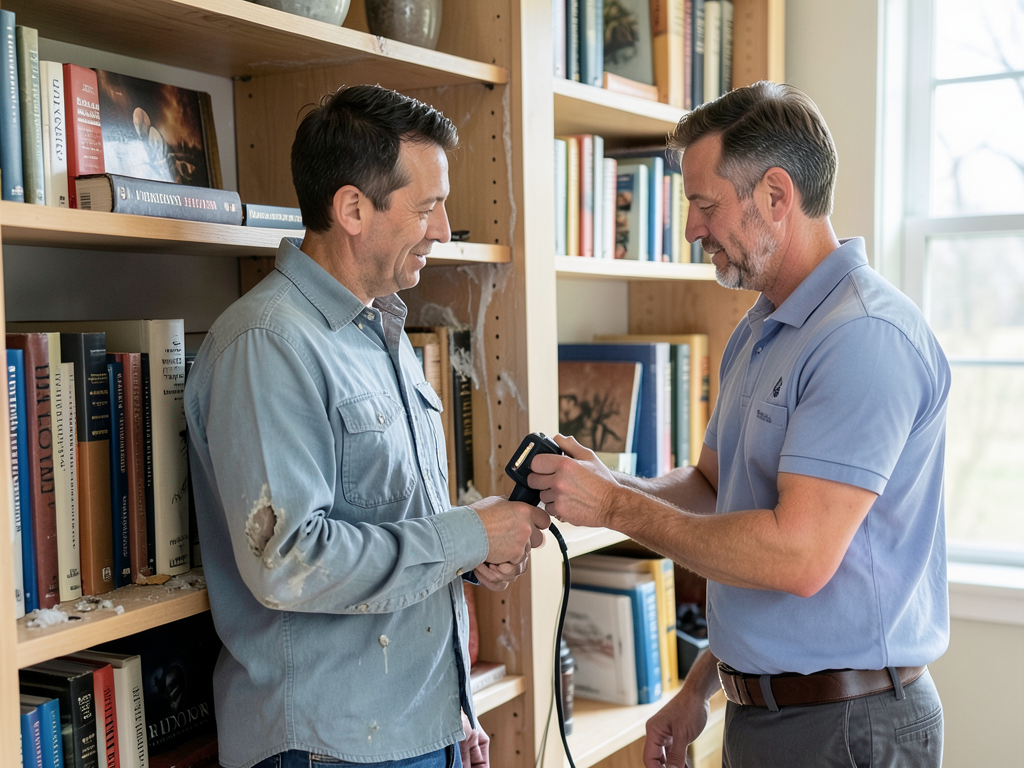
Can your custom built-in bookshelves in Radnor be saved after a pipe burst?

Can Your Custom Built-In Bookshelves in Radnor Be Saved After a Pipe Burst? Water damage to custom built-ins in Radnor…

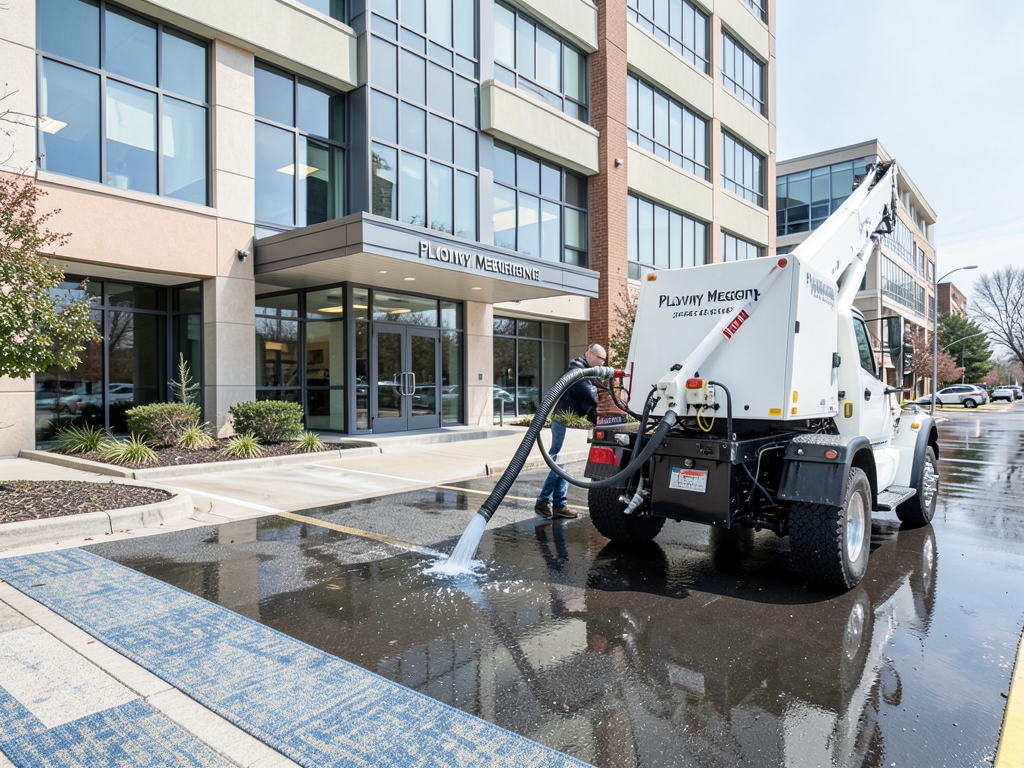
Solving the mystery of office park leaks in Plymouth Meeting before they ruin the carpet

Solving the mystery of office park leaks in Plymouth Meeting before they ruin the carpet Office park leaks in Plymouth…

Contact Us

Do not wait. Water damage spreads fast. Call Reliance Water Damage Restoration Philadelphia at (215) 610-8188 for 24/7 emergency response. We arrive within 60 minutes, stop the flooding, and begin extraction and drying immediately.