menu

Rapid Response Flood Extraction in Philadelphia – Certified Crews Arrive in 45 Minutes or Less

When flooding strikes your Philadelphia property, every minute counts. Our rapid response flood extraction teams deploy immediately with industrial-grade submersible pumps and truck-mounted vacuums to remove standing water before structural damage sets in.

Slider Image 1
Slider Image 2
Slider Image 3
Slider Image 4
Slider Image 5
Slider Image 7
Slider Image 8
Slider Image 9
Slider Image 10
Slider Image 11

Why Philadelphia Properties Need Immediate Flood Water Removal

Floodwater does not wait. In Philadelphia, where the Schuylkill and Delaware Rivers can overflow during heavy storms and aging infrastructure in neighborhoods like Fishtown and South Philly leads to sudden sewer backups, you need emergency water removal services that respond now, not tomorrow.

The first 24 hours after flooding determine everything. Water migrates through subflooring, saturates drywall, and compromises load-bearing wood framing. In the humid Philadelphia climate, mold spores colonize damp surfaces in as little as 48 hours. Bacterial contamination from Category 3 black water becomes a health hazard within hours.

Your insurance adjuster will document the damage timeline. The longer standing water remains in your home or business, the more your claim escalates from simple extraction to full structural remediation. Hardwood floors cup and warp. Carpet padding becomes a biohazard. Electrical systems short out.

You need 24/7 flood extraction teams who understand Philadelphia's unique flood risks. Spring thaw events combined with March storms overwhelm storm drains across Manayunk and East Falls. Summer thunderstorms dump inches of rain in minutes. Basement apartments in converted rowhomes flood from groundwater intrusion through old foundation walls.

Urgent water cleanup starts with rapid response. When you call for immediate flood pumping, you stop the clock on secondary damage. You protect your property value. You give yourself the best chance at a manageable insurance claim and a livable home again.

Why Philadelphia Properties Need Immediate Flood Water Removal
How Professional Emergency Water Damage Extraction Works

How Professional Emergency Water Damage Extraction Works

Real emergency water damage extraction is not a wet-dry shop vacuum and a few towels. Professional flood removal requires truck-mounted extraction units capable of pulling thousands of gallons per hour, gas-powered submersible pumps for deep standing water, and weighted extraction wands that pull water from carpet and pad.

We deploy teams with infrared moisture detection equipment to map hidden water migration behind walls and under flooring. Thermal imaging cameras show us where water has wicked up drywall or traveled along floor joists. We do not guess. We measure.

After bulk water removal, we set up industrial air movers and commercial dehumidifiers to pull residual moisture from building materials. Air movement across wet surfaces accelerates evaporation. Dehumidifiers process humid air through refrigerant coils to condense water vapor, dropping relative humidity below 40 percent to prevent microbial growth.

We monitor drying progress with moisture meters, taking daily readings in affected materials until they return to dry standard. Hardwood should read below 12 percent. Drywall below 1 percent. Concrete slabs vary by season, but we target below 4 percent on the surface.

The difference between a homeowner with a mop and a certified water damage technician is documentation. We log extraction volumes, document pre-loss conditions with photos, track moisture readings on grid maps, and provide your insurance carrier with the evidence they need to process your claim fast. We speak the language adjusters understand because we work with them daily.

What Happens When You Call for Emergency Flood Extraction

Rapid Response Flood Extraction in Philadelphia – Certified Crews Arrive in 45 Minutes or Less
01

Immediate Dispatch and Assessment

Your call triggers immediate crew dispatch. We gather initial details about water source, affected area, and safety concerns while our team loads equipment. Upon arrival, we assess electrical hazards, identify the water category (clean, gray, or black), measure the affected square footage, and determine extraction equipment needs. We brief you on the process before we start work so you know exactly what to expect.
02

High-Volume Water Extraction

We deploy submersible pumps for standing water deeper than two inches and truck-mounted extraction units for carpeted areas and pad. Weighted extraction tools apply pressure while vacuuming to pull water from deep within carpet fibers and padding. We move furniture to hard surfaces or place blocks underneath to prevent staining and allow airflow. Our goal is to remove 95 percent of water during initial extraction before drying equipment deployment.
03

Controlled Environment Drying

Once bulk water is removed, we position air movers to create controlled airflow across all wet surfaces and set commercial dehumidifiers to process ambient moisture. We seal off unaffected areas to concentrate drying energy where needed. Daily moisture readings track progress until materials return to dry standard, typically three to five days depending on saturation level. You receive a final moisture report documenting successful drying for your insurance file.

Why Philadelphia Property Owners Trust Reliance for Urgent Water Cleanup

Philadelphia's building stock is old. Rowhomes in Queen Village and Bella Vista were built with lime mortar and wood lath. Converted industrial buildings in Callowhill have unreinforced masonry and exposed beam ceilings. Modern condos in University City have pressurized plumbing that fails spectacularly when it goes wrong.

Reliance Water Damage Restoration Philadelphia understands how water behaves in these structures. We know that water in a 1920s rowhome travels differently than in a 2010 condo tower. We know which materials can be saved and which become liability risks after contamination.

Our technicians hold IICRC certifications in Water Damage Restoration and Applied Structural Drying. That means they have passed third-party competency exams on psychrometrics, microbial remediation, and structural drying science. You are not getting a guy with a truck. You are getting trained professionals who understand moisture dynamics.

We work directly with every major insurance carrier active in the Philadelphia market. We know what documentation Allstate needs versus what State Farm requires. We photograph everything, log all equipment placement, and provide daily progress notes. Your adjuster gets the file they need to move your claim forward without delays.

Local matters in flood emergencies. We stock equipment locally, our crews live in the metro area, and we understand Philadelphia's flood risks because we have been responding to them for years. When the Schuylkill floods Manayunk again or a summer storm overwhelms the Kelly Drive corridor, we are already mobilizing.

Trust is earned in crisis moments. We show up when we say we will, we do the work right, and we communicate clearly about what happens next.

What to Expect During Emergency Flood Extraction

Response Time and Availability

We dispatch crews 24 hours a day, 365 days a year. When you call our emergency line, you reach a live person who takes your information and immediately contacts the on-call crew. Our average response time to Philadelphia properties is 45 minutes or less. We do not schedule flood emergencies. We respond to them. You will receive a call from the crew lead with an estimated arrival time within ten minutes of your initial call. Nights, weekends, and holidays make no difference. Floodwater does not keep business hours, and neither do we.

Initial Evaluation and Scope

The first visit includes a complete moisture assessment. We use infrared cameras and penetrating moisture meters to map all affected areas, including hidden water migration. You receive a written scope outlining affected materials, extraction approach, estimated drying time, and equipment needed. We explain what your insurance will likely cover and what falls under your deductible. We document everything with photos and detailed notes. This evaluation takes 30 to 60 minutes depending on property size. You get answers immediately, not days later.

Quality of Restoration Results

Professional extraction and drying saves materials that DIY efforts destroy. We dry your hardwood floors without cupping. We save carpet and pad when it is salvageable and recommend replacement only when contamination or saturation makes it necessary. Your drywall dries in place without bubbling or delamination. You receive a final moisture report proving all materials have returned to dry standard. This documentation protects you if mold appears later due to a hidden moisture pocket we did not create. Quality outcomes come from proper equipment and training, not luck.

Post-Extraction Support and Documentation

After drying is complete, you receive a full documentation package including all photos, moisture logs, equipment placement records, and a certificate of completion. If reconstruction is needed, we coordinate with qualified contractors or provide referrals. If your insurance requires additional documentation, we provide it at no charge. We do not disappear after the check clears. If you have questions weeks later or your adjuster needs clarification, we respond. Post-loss support is part of the service. You are not navigating this alone.

Frequently Asked Questions

You Have Questions,
We Have Answers

How much does it cost to remove water from a flooded basement? +

Basement flood extraction in Philadelphia typically ranges from a few hundred to several thousand dollars, depending on water volume, contamination level, and damage extent. Clean water from a burst pipe costs less than sewage backups, which are common in older Philadelphia row homes with outdated plumbing. Structural drying, equipment runtime, and mold prevention add to costs. Most homeowners insurance policies cover sudden flooding from internal sources like pipe bursts or appliance failures. Get a professional assessment fast. Waiting increases damage and costs. Request a detailed estimate upfront and ask about direct insurance billing.

What is the immediate response to a flood? +

Stop the water source immediately if safe. Shut off your main water valve or circuit breaker if electrical hazards exist. Do not enter standing water if power is on. Move to higher ground and call a 24/7 emergency extraction team. Philadelphia's older infrastructure and basement-level living spaces make rapid response critical. Time matters. Water wicks into walls, floors, and belongings within minutes. Document damage with photos for insurance before moving items. Professional crews arrive with truck-mounted extractors, industrial vacuums, and moisture meters to remove water fast and start drying immediately.

Who is the alternative to ServPro? +

Several local and regional companies provide flood extraction and restoration services beyond national franchises. Philadelphia residents benefit from choosing companies with deep knowledge of the area's unique challenges, like aging row home construction, frequent sewer backups in South Philadelphia, and basement flooding in Manayunk. Look for firms with 24/7 emergency response, certified technicians, and direct insurance billing. Local companies often respond faster and understand Philadelphia building codes and permits required for restoration. Ask about equipment quality, drying timelines, and mold prevention protocols. Compare response times and customer reviews specific to Philadelphia neighborhoods.

Who is the largest restoration company? +

Several national franchise networks operate across the country with thousands of locations, making them large by footprint. However, size does not equal quality or speed. Philadelphia homeowners face unique challenges like dense row home construction, aging infrastructure, and rapid mold growth in humid summers. What matters most during a flood emergency is local response time, equipment quality, and technician expertise. Large companies may subcontract work or face dispatch delays. Evaluate any restoration company on certifications, local reputation, emergency availability, and knowledge of Philadelphia building characteristics rather than corporate size alone.

Will insurance pay for a flooded basement? +

Coverage depends on your policy and flood source. Standard homeowners insurance typically covers sudden internal water damage like burst pipes, water heater failures, or appliance malfunctions common in Philadelphia's aging housing stock. It usually excludes groundwater seepage, sewer backups, and natural flooding from storms unless you have specific endorsements. Philadelphia's combined sewer system causes frequent backups during heavy rain. Review your policy for sewer backup riders and flood insurance through FEMA if you live in flood-prone areas like near the Schuylkill or Delaware rivers. File claims immediately and document everything.

What's the best way to get water out of a flooded basement? +

Use truck-mounted extractors and industrial submersible pumps for fast removal. Portable wet vacuums work for smaller volumes but take longer. Philadelphia basements flood frequently due to poor drainage, aging sewer lines, and heavy rainstorms. After extraction, set up commercial dehumidifiers and air movers immediately to dry walls, floors, and belongings. Remove soaked materials like drywall, insulation, and carpeting to prevent mold. Do not rely on shop vacs alone for serious flooding. Professional equipment removes water 10 times faster and reaches hidden moisture in concrete and wall cavities that causes long-term problems.

How can I prevent mold after a flood? +

Start drying within 24 hours. Mold spores activate in Philadelphia's humid climate fast, especially during summer months. Remove standing water immediately with extractors, then run commercial dehumidifiers and air movers continuously for 3-5 days. Pull wet drywall, insulation, carpeting, and padding. These materials trap moisture and cannot dry properly. Disinfect all surfaces with antimicrobial treatments. Monitor moisture levels with meters, not guesswork. Basements need special attention because concrete wicks water and stays damp. Professional drying prevents hidden mold growth inside walls and under floors that appears weeks later.

Can you flush a toilet during a flood? +

Do not flush toilets during active flooding, especially in Philadelphia's older combined sewer system neighborhoods. Heavy rain overwhelms aging infrastructure, causing sewage backups through basement drains and toilets. Flushing adds volume to an already stressed system and increases backup risk. If water is rising in your basement or you see sewage coming up through drains, stop all water use immediately. Sewage contamination creates serious health hazards requiring professional cleanup and disinfection. Once flooding subsides and the system clears, you can resume normal use. Always check for backup warnings from Philadelphia Water Department during storms.

What are the four elements of EPP? +

Emergency Preparedness Planning includes four core elements. Prevention involves identifying risks and implementing measures to reduce flood probability, like maintaining gutters and sump pumps in Philadelphia's row homes. Preparedness means creating response plans, stocking supplies, and knowing shutoff locations. Response covers immediate actions during flooding, including safe evacuation and emergency contact protocols. Recovery addresses restoration, repairs, and returning to normal operations. For Philadelphia homeowners, EPP should address basement flooding risks, aging infrastructure vulnerabilities, and quick access to 24/7 restoration services. Preparation reduces damage severity and speeds recovery after water emergencies.

Does SERVPRO have a good reputation? +

SERVPRO operates as a national franchise with varying quality between locations. Reputation depends on the specific franchise owner, technician training, and equipment quality. Philadelphia homeowners should evaluate any restoration company, national or local, on response time, certifications, customer reviews, and knowledge of local building characteristics. Look for IICRC-certified technicians, 24/7 availability, and direct insurance billing. Check recent reviews specific to Philadelphia neighborhoods. Compare multiple companies on emergency response speed and equipment quality. What matters most during a flood is rapid arrival, professional extraction equipment, and thorough drying to prevent mold in your home.

How Philadelphia's Aging Infrastructure Creates Sudden Flood Emergencies

Philadelphia's combined sewer system dates to the 1800s. When heavy rain overwhelms capacity, sewage backs up into basements across older neighborhoods like Kensington, Port Richmond, and Grays Ferry. You get black water contamination without warning. The Water Department issues overflow advisories, but by then your basement is already flooded. Cast iron sewer laterals crack and collapse. Clay pipes fracture from freeze-thaw cycles. Tree roots infiltrate joints. Emergency water removal services in Philadelphia must respond to these infrastructure failures fast because contaminated water poses immediate health risks that clean water does not.

Local expertise matters when you are dealing with Philadelphia-specific flood risks. We understand how the Cobbs Creek and Pennypack Creek watersheds behave during storms. We know which neighborhoods flood from tidal surges when coastal storms push the Delaware River inland. We have worked in every type of structure the city has, from Northern Liberties loft conversions to Chestnut Hill stone colonials. Trust comes from experience. Our teams live here, work here, and respond to the same flood risks you face. When you need immediate flood pumping, you want technicians who already know your building type and your neighborhood's vulnerabilities.

Water Damage Restoration Services in The Philadelphia Area

View our service area to see how Reliance Water Damage Restoration delivers fast, reliable support across the region. Whether it’s residential basements or commercial spaces, our team is locally based and ready to respond 24/7. We’re committed to being near you when emergencies strike—count on us for prompt, professional care.
(80 words)

Address:
Reliance Water Damage Restoration Philadelphia, 100 N 18th St, Philadelphia, PA, 19103

Additional Services We Offer

Our news updates

Latest Articles & News from The Blogs

Identifying moisture problems in the unique limestone foundations of Swarthmore homes If you own a historic home in Swarthmore you…

Identifying moisture problems in the unique limestone foundations of Swarthmore homes

Identifying moisture problems in the unique limestone foundations of Swarthmore homes If you own a historic home in Swarthmore you…

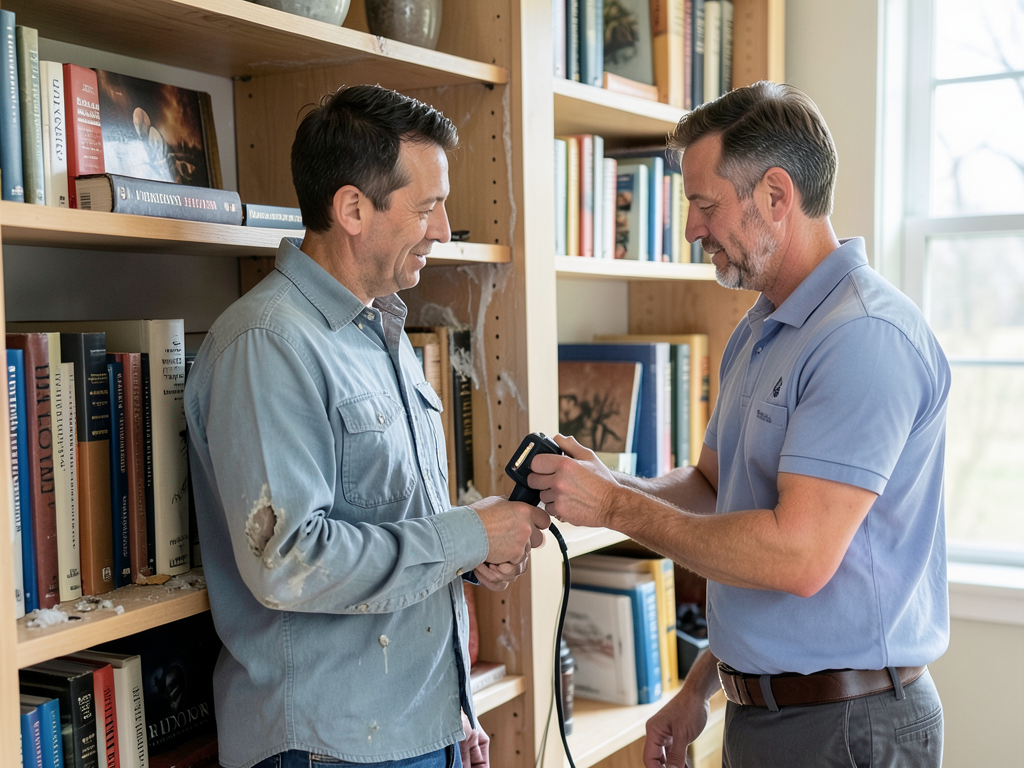
Can your custom built-in bookshelves in Radnor be saved after a pipe burst?

Can Your Custom Built-In Bookshelves in Radnor Be Saved After a Pipe Burst? Water damage to custom built-ins in Radnor…

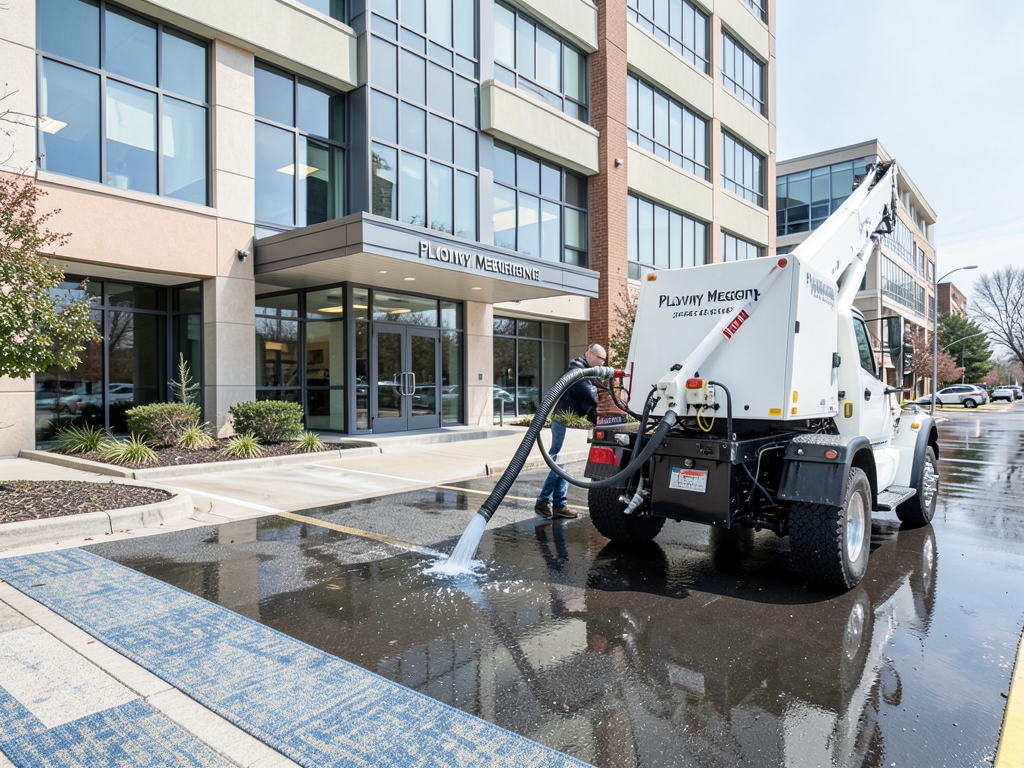
Solving the mystery of office park leaks in Plymouth Meeting before they ruin the carpet

Solving the mystery of office park leaks in Plymouth Meeting before they ruin the carpet Office park leaks in Plymouth…

Contact Us

Standing water is destroying your property right now. Every hour you wait adds thousands in damage. Call (215) 610-8188 to dispatch a certified extraction crew immediately. We answer 24/7. Your call connects directly to our emergency response team. Stop the damage before it becomes a total loss.