
Understanding the Drying Process After a Major Pipe Burst in Bella Vista
When a pipe bursts in your Bella Vista row home, the water spreads fast through shared walls and hardwood floors. Professional drying is not just running fans—it is a science called psychrometry that controls temperature, humidity, and air movement to prevent mold growth and structural damage. This process follows IICRC S500 standards and typically takes 3 to 5 days depending on material saturation and Philadelphia’s humid summer air. IICRC S500 Standards.
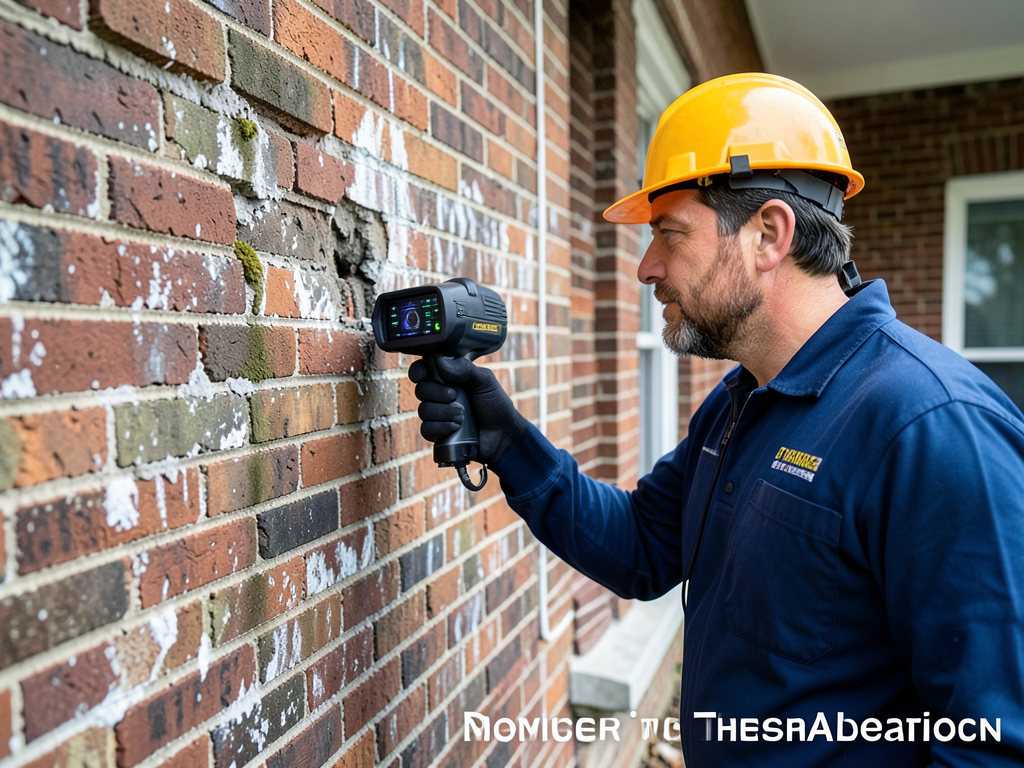
The first 24 hours are critical. Water wicks into plaster, brick, and subfloors, creating conditions where mold can begin growing within 48 hours. Professional restorers use moisture meters and thermal imaging cameras to map hidden water pockets behind walls shared with neighbors. These tools reveal what the eye cannot see, ensuring no moisture remains to cause long-term damage. Finding the Best Water Damage Restoration Company in Center City Without Getting Scammed.
Emergency Assessment and Water Classification
Before any drying begins, technicians classify the water source. Category 1 is clean water from a broken supply line. Category 2 contains contaminants like washing machine overflow. Category 3 is sewage or flood water carrying pathogens. Bella Vista’s combined sewer system means basement backups often involve Category 3 water, requiring antimicrobial treatment and personal protective equipment. Water Damage Restoration Allentown.
Moisture mapping uses penetrating and non-penetrating meters to measure water content in materials. A moisture reading above 16% in wood or 20% in drywall indicates active drying is needed. Thermal imaging cameras detect temperature differences caused by evaporating moisture, revealing hidden saturation in party walls common to 19147 row homes. Water Damage Restoration Reading.
Water Extraction: The Physics of Removal
Extraction removes the bulk of water before drying equipment runs. Truck-mounted extractors pull 20 times more water than shop vacuums. Sub-surface tools like weighted wands extract moisture from carpets and padding without lifting them. In Bella Vista’s narrow rowhouses, portable extractors navigate tight staircases to reach upper floors where burst pipes often occur.. Read more about The Best Way to Dry Out a Wet Carpet in Your Rittenhouse Square Condo.
The extraction phase follows a specific sequence. First, standing water is removed with pumps. Next, surface moisture is extracted using wands and mats. Finally, specialized tools like the Hydro-X remove water from hardwood floor seams. This staged approach prevents water from spreading deeper into materials during the drying process.. Read more about Why Standard Dehumidifiers Fail During Basement Floods in Overbrook.
Evaporation and Dehumidification Systems
Once bulk water is removed, evaporation begins. High-velocity air movers create airflow across wet surfaces, increasing evaporation rates by 400%. These centrifugal fans are positioned at 45-degree angles to walls, with one air mover per 10-16 linear feet of wall space. In Bella Vista’s brick row homes, air movers target both sides of shared walls where moisture travels laterally.
Dehumidifiers remove the moisture air movers release. Low Grain Refrigerant (LGR) units condense water vapor from the air, while desiccant dehumidifiers use silica gel to absorb moisture. LGR units are standard for most Philadelphia jobs, but desiccants excel in cold weather when refrigerant units lose efficiency. The combination maintains a vapor pressure differential that pulls moisture from materials.
Monitoring Progress and Structural Integrity
Professional drying requires daily monitoring. Technicians record moisture readings in a psychrometric chart, tracking temperature, relative humidity, and dew point. When materials reach their dry standard—typically 12% moisture content for wood framing—the equipment can be removed. This process usually takes 72-96 hours in Philadelphia’s climate.. Read more about Deciding if You Need Professional Air Scrubbers After a Leak in Brewerytown.
Structural integrity checks prevent secondary damage. Wet plaster swells and can crack if dried too quickly. Hardwood floors may cup if moisture equalizes unevenly. Technicians adjust air mover placement and dehumidifier output based on material responses. In historic Bella Vista homes, this careful monitoring protects original woodwork and plaster details.
Philadelphia-Specific Drying Challenges
Bella Vista’s 19147 zip code presents unique drying challenges. Summer humidity averages 72%, slowing evaporation. Winter freeze-thaw cycles cause pipes to burst when ice expands. The neighborhood’s combined sewer system means basement backups introduce contaminated water requiring specialized treatment. Row home construction with shared walls means water spreads laterally, affecting multiple properties.. Read more about A Simple Winter Maintenance Checklist to Stop Pipe Bursts in Hunting Park.
Philadelphia’s building code requires moisture content testing before reconstruction begins. The Philadelphia Department of Licenses and Inspections (L&I) mandates documentation for insurance claims involving structural repairs. Professional restorers provide daily moisture logs and thermal imaging reports meeting these requirements. This documentation proves materials are dry before rebuilding begins. EPA Mold Guidelines.
Insurance Documentation and Claims Process
Insurance companies require specific documentation for water damage claims. Daily moisture readings, thermal imaging reports, and itemized equipment usage logs support the claim. Major carriers like State Farm and Liberty Mutual expect IICRC-compliant documentation. Professional restorers coordinate directly with adjusters, providing the technical data needed for claim approval.
The drying process timeline affects claim settlements. If materials are not dried to standard, secondary damage like mold growth may not be covered. Professional documentation showing proper drying procedures protects homeowners from denied claims. This includes photos of equipment placement, moisture maps, and final dry standard verification. How Manayunk Homeowners Can Recover Fast After Schuylkill River Flooding.
The 24-48 Hour Mold Prevention Window
Mold begins growing within 24-48 hours of water exposure. This timeline drives the urgency of professional drying. Air movers and dehumidifiers must begin within hours of water removal to prevent mold colonization. In Philadelphia’s humid climate, this window shortens as ambient moisture slows natural drying.
Antimicrobial treatments provide additional protection. EPA-registered antimicrobials inhibit mold growth on affected surfaces. These treatments are especially important for Category 2 and 3 water losses common in basement backups. The chemicals create a protective barrier while structural drying proceeds.
Subfloor and Hardwood Floor Drying Systems
Subfloors trap moisture against floor joists, creating hidden mold risks. Specialized drying systems force air through floor cavities using mats connected to air movers. This pressurization pushes moisture out through weep holes drilled in hardwood floors. The process can add 24-48 hours to drying time but prevents floor replacement.
Hardwood floor drying requires careful monitoring. Each plank expands and contracts at different rates based on grain direction. Air movers must provide even airflow across the entire floor surface. In historic Bella Vista homes, this prevents warping of original wide-plank flooring that would be impossible to match.
Professional vs. DIY Drying: Why Certification Matters
DIY fans cannot match professional equipment performance. Residential fans move 1,500-3,000 cubic feet per minute, while professional air movers exceed 3,500 CFM. This airflow difference means DIY drying takes 7-10 days versus 3-5 days professionally. More importantly, DIY methods rarely include moisture monitoring, leaving hidden water to cause mold growth.
IICRC-certified technicians understand psychrometrics—the science of moisture in air. They calculate the exact equipment needed based on cubic footage, material types, and ambient conditions. This precision prevents over-drying, which can damage materials, and under-drying, which allows mold growth. Certification proves technicians understand these technical requirements.
Common Mistakes That Extend Drying Time
Turning off equipment overnight is the most common mistake. Drying requires continuous operation to maintain vapor pressure differentials. Each time equipment stops, moisture equalizes, adding hours to the process. In Philadelphia’s humid climate, this can double drying time.
Blocking air mover airflow with furniture or plastic sheeting prevents proper circulation. Each air mover needs 3-4 feet of clearance to create effective airflow patterns. In tight Bella Vista row homes, this means temporarily relocating belongings during the drying process.. Read more about A Guide to Salvaging Belongings After a Flood in Your Wynnefield Home.
When to Call for Professional Help
Call immediately if water affects multiple rooms, involves contaminated water, or if materials remain wet after 48 hours of DIY efforts. Professional help is essential when water reaches electrical systems, affects shared walls with neighbors, or when the source is unknown. The cost of professional drying is far less than mold remediation or structural repairs.
Emergency response times matter. Professional restorers in Bella Vista can arrive within 60 minutes with proper equipment. This rapid response prevents the secondary damage that turns a water loss into a mold remediation project. The first call should be to (215) 610-8188 for immediate assistance. Emergency Frozen Pipe Repair and Cleanup for West Philly Homeowners.
Preventing Future Pipe Bursts
Prevention starts with understanding Philadelphia’s freeze-thaw cycles. Insulate pipes in unheated areas like basements and crawl spaces. Install water leak detectors that shut off supply lines automatically. In older Bella Vista homes, replace galvanized steel pipes showing corrosion before they fail.
Regular maintenance prevents emergencies. Flush water heaters annually to prevent sediment buildup that causes pressure spikes. Check washing machine hoses for bulges indicating imminent failure. These simple steps prevent the water damage that requires professional drying services.
Understanding Your Drying Timeline
Day 1 involves emergency response, water extraction, and equipment setup. Day 2-3 show rapid moisture reduction as equipment runs continuously. Day 4-5 involve fine-tuning as materials approach dry standards. The final day includes documentation, equipment removal, and verification testing. This 3-5 day timeline assumes Category 1 water and no complicating factors.
Category 2 or 3 water, extensive saturation, or Philadelphia’s summer humidity can extend drying to 7-10 days. Hardwood floors, plaster walls, and brick foundations all require longer drying times than drywall and carpet. Professional assessment provides accurate timeline estimates based on your specific conditions.
Final Verification and Documentation
Before equipment removal, technicians verify all materials meet dry standards. This includes moisture meter readings at multiple depths, thermal imaging confirmation, and visual inspection for signs of remaining moisture. Documentation includes daily logs, equipment usage reports, and final verification certificates.
This documentation serves multiple purposes. It proves to insurance companies that proper drying occurred. It provides a baseline for future moisture readings if problems recur. Most importantly, it gives homeowners confidence that their property is truly dry and safe from secondary damage.
Frequently Asked Questions
How long does professional water damage drying take?
Professional drying typically takes 3-5 days for clean water losses in Philadelphia’s climate. Category 2 or 3 water, extensive saturation, or summer humidity can extend this to 7-10 days. Hardwood floors and plaster walls require longer drying times than carpet and drywall.
Can I save money by drying water damage myself?
DIY drying often costs more long-term due to incomplete moisture removal and mold growth. Professional equipment moves 4-5 times more air than residential fans and includes moisture monitoring. The $2,000-4,000 professional drying cost prevents $10,000-20,000 mold remediation expenses.
What happens if I don’t dry water damage properly?
Improper drying leads to mold growth within 24-48 hours, structural damage to wood and plaster, and potential health issues from mold spores. Insurance may deny claims for secondary damage caused by inadequate initial response. Professional drying prevents these costly outcomes.
Do I need permits for water damage repairs in Philadelphia?
Philadelphia requires permits for structural repairs following water damage. The Department of Licenses and Inspections (L&I) mandates moisture content testing before reconstruction. Professional restorers provide the documentation needed for permit approval and insurance claims.
How do I know when my property is completely dry?
Professional restorers use moisture meters to verify materials meet dry standards—typically 12% moisture content for wood framing. Thermal imaging confirms no hidden moisture pockets remain. Final documentation provides proof that all affected areas are dry to industry standards.
- Shut Off Water Supply
Locate and turn off the main water valve immediately. This prevents additional water from entering the damaged area and limits the scope of damage.
- Call Professional Help
Call (215) 610-8188 for emergency response. Professional restorers arrive within 60 minutes with proper equipment to begin the drying process.
- Begin Water Removal
Remove standing water using mops, towels, or wet vacuums if safe to do so. This initial removal speeds up the professional drying process.
- Document Damage
Take photos of all affected areas before cleanup begins. This documentation supports insurance claims and helps professionals assess the damage scope.
Call Now for Emergency Water Damage Response
Water damage waits for no one. Every hour of delay increases the risk of mold growth and structural damage. Professional drying equipment and IICRC-certified technicians are ready to respond 24/7 to Bella Vista and all Philadelphia neighborhoods. Don’t let a burst pipe turn into a costly mold remediation project.
Pick up the phone and call (215) 610-8188 before the next storm hits. Our team provides rapid emergency response, insurance documentation, and guaranteed drying to industry standards. Your property deserves professional care from technicians who understand Philadelphia’s unique climate challenges.
Whether you’re dealing with a frozen pipe in winter or a basement backup during summer storms, we have the equipment and expertise to restore your property quickly and completely. Call (215) 610-8188 today to schedule your inspection and protect your investment from water damage.
{
“@context”: “https://schema.org”,
“@type”: “BlogPosting”,
“headline”: “Understanding the Drying Process After a Major Pipe Burst in Bella Vista”,
“description”: “Learn how professional water damage restoration works in Bella Vista row homes. Discover the science of drying, equipment used, and how to protect your property from mold.”,
“wordCount”: 2067,
“datePublished”: “2026-03-21T15:45:00.000Z”,
“dateModified”: “2026-03-21T15:45:00.000Z”,
“inLanguage”: “en-US”,
“mainEntityOfPage”: {
“@type”: “WebPage”,
“@id”: “https://reliancewaterdamagerestorationphiladelphia.com”
},
“publisher”: {
“@type”: “LocalBusiness”,
“name”: “Reliance Water Damage Restoration Philadelphia”,
“url”: “https://reliancewaterdamagerestorationphiladelphia.com”
},
“author”: {
“@type”: “Organization”,
“name”: “Reliance Water Damage Restoration Philadelphia”,
“url”: “https://reliancewaterdamagerestorationphiladelphia.com”
},
“image”: {
“@type”: “ImageObject”,
“url”: “https://reliancewaterdamagerestorationphiladelphia.com/wp-content/uploads/2026/03/understanding-the-drying-process-after-a-major-pip-1.png”
}
}
{
“@context”: “https://schema.org”,
“@type”: “LocalBusiness”,
“name”: “Reliance Water Damage Restoration Philadelphia”,
“url”: “https://reliancewaterdamagerestorationphiladelphia.com”,
“address”: {
“@type”: “PostalAddress”,
“addressLocality”: “Philadelphia”
},
“areaServed”: {
“@type”: “City”,
“name”: “Philadelphia”
}
}
{
“@context”: “https://schema.org”,
“@type”: “FAQPage”,
“mainEntity”: [
{
“@type”: “Question”,
“name”: “How long does professional water damage drying take?”,
“acceptedAnswer”: {
“@type”: “Answer”,
“text”: “Professional drying typically takes 3-5 days for clean water losses in Philadelphia’s climate. Category 2 or 3 water, extensive saturation, or summer humidity can extend this to 7-10 days. Hardwood floors and plaster walls require longer drying times than carpet and drywall.”
}
},
{
“@type”: “Question”,
“name”: “Can I save money by drying water damage myself?”,
“acceptedAnswer”: {
“@type”: “Answer”,
“text”: “DIY drying often costs more long-term due to incomplete moisture removal and mold growth. Professional equipment moves 4-5 times more air than residential fans and includes moisture monitoring. The $2,000-4,000 professional drying cost prevents $10,000-20,000 mold remediation expenses.”
}
},
{
“@type”: “Question”,
“name”: “What happens if I don’t dry water damage properly?”,
“acceptedAnswer”: {
“@type”: “Answer”,
“text”: “Improper drying leads to mold growth within 24-48 hours, structural damage to wood and plaster, and potential health issues from mold spores. Insurance may deny claims for secondary damage caused by inadequate initial response. Professional drying prevents these costly outcomes.”
}
},
{
“@type”: “Question”,
“name”: “Do I need permits for water damage repairs in Philadelphia?”,
“acceptedAnswer”: {
“@type”: “Answer”,
“text”: “Philadelphia requires permits for structural repairs following water damage. The Department of Licenses and Inspections (L&I) mandates moisture content testing before reconstruction. Professional restorers provide the documentation needed for permit approval and insurance claims.”
}
},
{
“@type”: “Question”,
“name”: “How do I know when my property is completely dry?”,
“acceptedAnswer”: {
“@type”: “Answer”,
“text”: “Professional restorers use moisture meters to verify materials meet dry standards—typically 12% moisture content for wood framing. Thermal imaging confirms no hidden moisture pockets remain. Final documentation provides proof that all affected areas are dry to industry standards.”
}
}
]
}
{
“@context”: “https://schema.org”,
“@type”: “HowTo”,
“name”: “How to Handle a Pipe Burst Emergency”,
“step”: [
{
“@type”: “HowToStep”,
“position”: 1,
“name”: “Shut Off Water Supply”,
“text”: “Locate and turn off the main water valve immediately. This prevents additional water from entering the damaged area and limits the scope of damage.”
},
{
“@type”: “HowToStep”,
“position”: 2,
“name”: “Call Professional Help”,
“text”: “Call (215) 610-8188 for emergency response. Professional restorers arrive within 60 minutes with proper equipment to begin the drying process.”
},
{
“@type”: “HowToStep”,
“position”: 3,
“name”: “Begin Water Removal”,
“text”: “Remove standing water using mops, towels, or wet vacuums if safe to do so. This initial removal speeds up the professional drying process.”
},
{
“@type”: “HowToStep”,
“position”: 4,
“name”: “Document Damage”,
“text”: “Take photos of all affected areas before cleanup begins. This documentation supports insurance claims and helps professionals assess the damage scope.”
}
],
“image”: “https://reliancewaterdamagerestorationphiladelphia.com/wp-content/uploads/2026/03/understanding-the-drying-process-after-a-major-pip-1.png”
}
{
“@context”: “https://schema.org”,
“@type”: “BreadcrumbList”,
“itemListElement”: [
{
“@type”: “ListItem”,
“position”: 1,
“name”: “Home”,
“item”: “https://reliancewaterdamagerestorationphiladelphia.com”
},
{
“@type”: “ListItem”,
“position”: 2,
“name”: “Blog”,
“item”: “https://reliancewaterdamagerestorationphiladelphia.com/blog”
},
{
“@type”: “ListItem”,
“position”: 3,
“name”: “Understanding the Drying Process After a Major Pipe Burst in Bella Vista”
}
]
}
{
“@context”: “https://schema.org”,
“@type”: “Service”,
“serviceType”: “Water Damage Restoration”,
“provider”: {
“@type”: “LocalBusiness”,
“name”: “Reliance Water Damage Restoration Philadelphia”,
“url”: “https://reliancewaterdamagerestorationphiladelphia.com”
},
“areaServed”: {
“@type”: “City”,
“name”: “Philadelphia”
},
“description”: “Learn how professional water damage restoration works in Bella Vista row homes. Discover the science of drying, equipment used, and how to protect your property from mold.”
}