
What Makes a Restoration Company Truly Certified for Work in Philadelphia
When your Philadelphia row home floods at 2 AM or sewage backs up into your Northeast basement, you need more than just a truck and a pump. You need a restoration company that holds real certifications, follows strict industry standards, and understands the unique challenges of Philadelphia’s aging infrastructure and historic architecture.
Philadelphia’s water damage restoration industry operates under intense pressure. The city’s combined sewer system, dating back to the 1800s, creates frequent backup scenarios during heavy rains. Row homes with shared plumbing walls require specialized knowledge that only local, certified professionals possess. The difference between a certified restoration company and a general contractor can mean the difference between a properly dried structure and long-term mold damage that costs thousands more to remediate. Finding the Best Water Damage Restoration Company in Center City Without Getting Scammed.
The Real Meaning of ‘Certified’ in Water Restoration
Certification in water damage restoration isn’t just a badge on a website. It represents adherence to the IICRC S500 Standard for Professional Water Damage Restoration, a comprehensive document that outlines the science of drying, safety protocols, and documentation requirements that protect both the property owner and the restoration company. IICRC S500 Standard for Professional Water Damage Restoration.
The Institute of Inspection Cleaning and Restoration Certification (IICRC) sets the gold standard for the industry. Their S500 standard covers everything from psychrometric principles to equipment placement calculations. A truly certified company doesn’t just follow these guidelines—they live by them on every job, whether it’s a $500 basement cleanup or a $50,000 commercial restoration.
Philadelphia’s Unique Restoration Challenges
Philadelphia’s infrastructure creates restoration scenarios that don’t exist elsewhere. The city’s combined sewer system means that heavy rainfall can overwhelm the system, causing sewage to back up through floor drains and toilets. This isn’t just water damage—it’s Category 3 contamination that requires specific PPE, containment procedures, and disposal protocols. Water Damage Restoration Allentown.
Historic row homes present another layer of complexity. Shared plumbing walls mean that a leak in one unit can affect three or four neighboring properties. The plaster and lathe construction common in homes built before 1950 absorbs water differently than modern drywall, requiring specialized drying techniques and longer drying times. Water Damage Restoration Reading.
Philadelphia’s freeze-thaw cycles create seasonal burst pipe emergencies. When temperatures drop below 20°F, unprotected pipes in exterior walls or unheated basements can freeze and burst, releasing hundreds of gallons of water before the homeowner discovers the problem. A certified company understands the thermal dynamics of water in pipes and can prevent secondary damage during the restoration process.
What to Look for in a Certified Restoration Company
Beyond basic licensing and insurance, a truly certified restoration company demonstrates several key characteristics. First, they employ IICRC-certified technicians on every job. This isn’t optional—it’s the difference between someone who read about water damage online and someone who studied the science of structural drying.
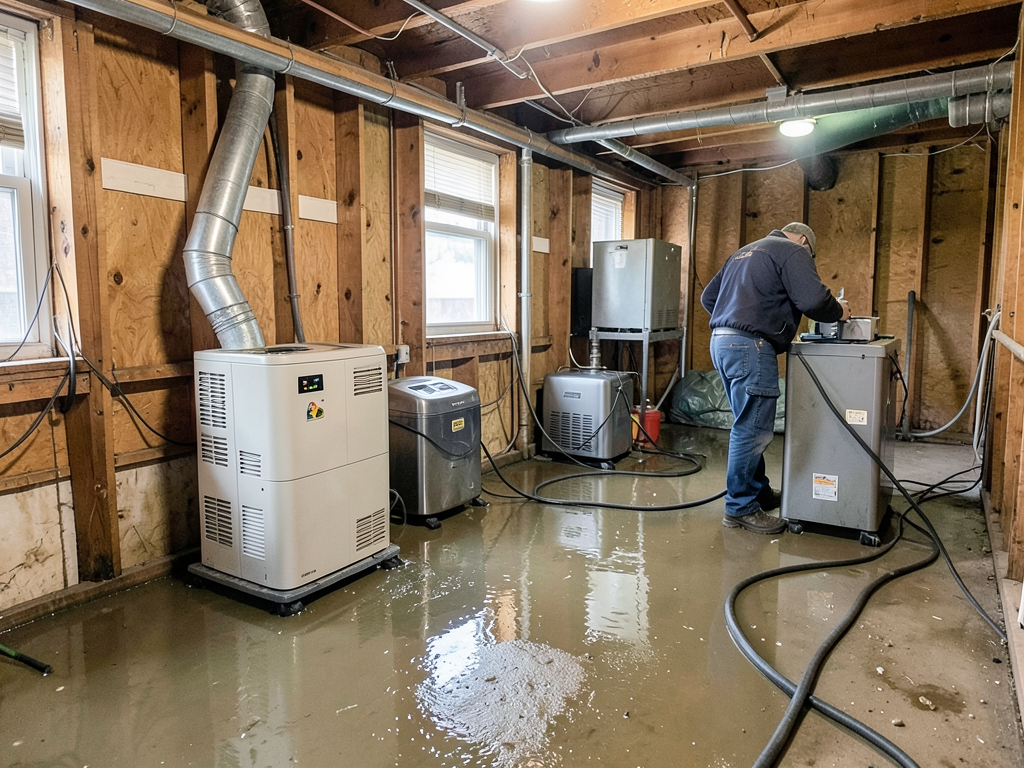
Second, they carry specialized equipment that goes beyond basic shop vacs and fans. Professional-grade dehumidifiers, air movers with specific CFM ratings, moisture meters with multiple probe types, and thermal imaging cameras are standard tools for certified technicians. They don’t guess where moisture is hiding—they map it with precision instruments.
Third, they provide detailed documentation that insurance companies require. This includes moisture mapping, drying logs, photo documentation, and daily progress reports. When you’re dealing with a $20,000 restoration claim, this documentation isn’t paperwork—it’s your protection against denied claims.
The Science Behind Professional Water Restoration
Professional water restoration is applied psychrometrics. Technicians calculate the exact number of air movers needed based on room volume, calculate dehumidifier capacity based on water volume and temperature, and monitor the drying process with scientific instruments rather than guesswork.
Category 1 water (clean water from a supply line) becomes Category 2 (gray water) within 24-48 hours as bacteria begin to multiply. Category 3 water (sewage, flood water) contains pathogens that can cause serious illness. A certified company understands these timelines and acts accordingly, often making the difference between salvageable materials and complete demolition.
The drying process itself involves creating a vapor pressure differential. Dehumidifiers remove moisture from the air while air movers evaporate moisture from materials. This isn’t just setting up fans—it’s engineering a drying chamber that can save hardwood floors, prevent mold growth, and restore the structure to pre-loss condition.
Philadelphia Building Codes and Restoration Standards
Philadelphia restoration work must comply with Pennsylvania’s Uniform Construction Code (UCC), which adopts the International Building Code with state amendments. Additionally, the Philadelphia Department of Licenses and Inspections requires specific permits for structural modifications, even during restoration work. EPA Lead Renovation, Repair and Painting Rule.
The EPA’s Lead Renovation, Repair and Painting Rule (RRP) applies to homes built before 1978. Certified restoration companies must test for lead before disturbing painted surfaces and follow specific containment and cleanup procedures. This isn’t optional—it’s federal law with substantial fines for non-compliance.
Philadelphia also has specific mold remediation requirements. While Pennsylvania doesn’t license mold remediation companies, the city requires that remediation work follow industry standards and that affected areas be properly contained to prevent cross-contamination.
Emergency Response: What Certified Companies Do Differently
When water damage strikes, the first 24 hours are critical. Certified companies operate 24/7 emergency response teams that can be on-site within 60 minutes in most Philadelphia neighborhoods. They bring industrial pumps capable of moving 300+ gallons per minute, not just shop vacs. Emergency Frozen Pipe Repair and Cleanup for West Philly Homeowners.
Upon arrival, certified technicians perform a systematic assessment. They use moisture meters to detect hidden water in walls, thermal imaging to identify temperature variations that indicate moisture, and hygrometers to measure air moisture content. This diagnostic approach prevents the common mistake of only addressing visible water while missing the moisture that causes mold growth.
They also understand the importance of preventing secondary damage. This means immediately addressing safety hazards like electrical risks, stabilizing structures that might collapse, and protecting unaffected areas from cross-contamination. These aren’t optional steps—they’re requirements under IICRC S500.
Insurance Claims and Documentation
Certified restoration companies have experience navigating Philadelphia’s insurance landscape. They understand that Pennsylvania is a modified comparative negligence state, which affects how claims are processed and paid. They know which insurance providers are common in Philadelphia and what documentation each requires.
The documentation process starts with a detailed scope of work that itemizes every step of the restoration process. This includes water extraction, demolition of unsalvageable materials, drying equipment placement, cleaning and sanitizing, and reconstruction. Each line item includes the industry-standard pricing that insurance adjusters expect.
Daily monitoring reports track the drying process, showing moisture content readings, equipment run times, and progress toward drying goals. These reports prove that the restoration was completed according to industry standards, which is crucial for claim approval and preventing future disputes.
Equipment and Technology: The Certified Difference
Professional restoration requires industrial-grade equipment that most homeowners have never seen. LGR (Low Grain Refrigerant) dehumidifiers can remove 20-30 gallons of water per day from the air, while conventional dehumidifiers might only handle 5-10 gallons. This difference matters when you’re trying to dry a 2,000 square foot basement in 72 hours. How Manayunk Homeowners Can Recover Fast After Schuylkill River Flooding.
Air movers aren’t just fans—they’re engineered to create specific air velocities that maximize evaporation without damaging materials. Certified companies calculate the exact number needed based on the cubic footage of the affected area and the type of materials being dried.
Moisture meters come in several types: penetrating meters that measure moisture at depth, non-penetrating meters that scan without damage, and thermo-hygrometers that measure temperature and humidity. A certified technician uses all three to create a complete moisture map of the affected area.
Common Philadelphia Restoration Scenarios
Philadelphia row homes frequently experience basement flooding due to the city’s combined sewer system. When heavy rains overwhelm the system, sewage can back up through floor drains, creating a Category 3 contamination scenario that requires specific PPE, containment, and disposal procedures.
Burst pipes are common in Philadelphia’s historic homes, especially during cold snaps. Galvanized steel pipes common in homes built before 1960 are particularly susceptible to freezing and bursting. A certified company understands the material science behind pipe failures and can prevent secondary damage during the restoration process.
Roof leaks in Philadelphia’s older buildings often reveal hidden problems. Water can travel along rafters for 20+ feet before dripping through a ceiling. Certified technicians use thermal imaging and moisture meters to track the water path back to its source, rather than just repairing the visible damage.
The Cost of Cutting Corners
Choosing an uncertified restoration company might save money upfront, but it often costs more in the long run. Incomplete drying leads to mold growth, which can spread throughout a home’s HVAC system. Improper sewage cleanup can leave harmful bacteria in living spaces. Inadequate documentation can result in denied insurance claims.
Philadelphia’s humid summers create perfect conditions for mold growth if structures aren’t dried properly. Mold can begin growing within 24-48 hours of water exposure, and once established, it requires professional remediation that can cost 5-10 times more than proper initial drying.
Structural damage from improper restoration can also be costly. Water trapped in wall cavities can cause drywall to fail, wood to rot, and metal to corrode. These secondary damages often aren’t covered by insurance because they result from inadequate initial restoration work.
Questions to Ask Before Hiring
Before hiring a restoration company, ask specific questions that reveal their certification status and experience. Do they employ IICRC-certified technicians? Can they provide proof of current certifications? Do they follow IICRC S500 standards on every job?
Ask about their emergency response times. A truly professional company should be able to respond within 60 minutes in most Philadelphia neighborhoods. Ask about their equipment—do they use industrial-grade dehumidifiers and air movers, or just basic fans and shop vacs?
Request references from recent jobs in your neighborhood. A company that works regularly in Philadelphia should have references from row homes similar to yours. Ask about their insurance experience—can they directly bill your insurance company and provide the documentation required for claim approval?
Call (215) 610-8188 for Certified Restoration in Philadelphia
When water damage strikes your Philadelphia home or business, you need a restoration company that combines local expertise with national certification standards. Our IICRC-certified technicians understand Philadelphia’s unique challenges, from combined sewer backups to historic row home construction.
We’re available 24/7 for emergency response throughout Philadelphia, including Center City, Northeast Philadelphia, South Philly, and the Main Line. Our industrial-grade equipment and certified technicians ensure your property is restored to pre-loss condition, with documentation that satisfies insurance requirements.
Don’t trust your property to uncertified contractors who might cut corners and leave you with mold, structural damage, and denied insurance claims. Call (215) 610-8188 now for professional, certified water damage restoration that protects your investment and your health.
Frequently Asked Questions
What does IICRC certification mean for water restoration?
IICRC certification means technicians have completed specialized training in water damage restoration science, including psychrometrics, drying principles, and safety protocols. They follow the S500 standard, which ensures proper drying techniques and documentation that insurance companies require.
How quickly should a restoration company respond to water damage?
A certified restoration company should respond within 60 minutes for emergency calls. The first 24 hours are critical for preventing secondary damage like mold growth and structural deterioration. Our teams are available 24/7 throughout Philadelphia.
Will my insurance cover water damage restoration?
Most homeowner’s insurance policies cover sudden, accidental water damage from sources like burst pipes or appliance failures. However, coverage varies by policy and provider. A certified restoration company can help navigate your specific coverage and provide the documentation insurance companies require.
What’s the difference between Category 1, 2, and 3 water damage?
Category 1 is clean water from supply lines, Category 2 is gray water with some contamination, and Category 3 is black water containing pathogens or sewage. Philadelphia’s combined sewer system often creates Category 3 scenarios during heavy rains, requiring specialized cleanup procedures.
How long does the water damage restoration process take?
The timeline varies based on damage extent, but typical residential restoration takes 3-5 days for drying alone. Complete restoration including repairs can take 2-4 weeks. Certified companies provide detailed timelines and daily progress reports throughout the process.
{
“@context”: “https://schema.org”,
“@type”: “BlogPosting”,
“headline”: “What Makes a Restoration Company Truly Certified for Work in Philadelphia”,
“description”: “Discover what true certification means for water damage restoration in Philadelphia. Learn IICRC standards, local expertise, and why credentials matter for your property.”,
“wordCount”: 2050,
“datePublished”: “2026-03-20T08:12:00.000Z”,
“dateModified”: “2026-03-20T08:12:00.000Z”,
“inLanguage”: “en-US”,
“mainEntityOfPage”: {
“@type”: “WebPage”,
“@id”: “https://reliancewaterdamagerestorationphiladelphia.com”
},
“publisher”: {
“@type”: “LocalBusiness”,
“name”: “Reliance Water Damage Restoration Philadelphia”,
“url”: “https://reliancewaterdamagerestorationphiladelphia.com”
},
“author”: {
“@type”: “Organization”,
“name”: “Reliance Water Damage Restoration Philadelphia”,
“url”: “https://reliancewaterdamagerestorationphiladelphia.com”
},
“image”: {
“@type”: “ImageObject”,
“url”: “https://reliancewaterdamagerestorationphiladelphia.com/wp-content/uploads/2026/03/what-makes-a-restoration-company-truly-certified-f-1.png”
}
}
{
“@context”: “https://schema.org”,
“@type”: “LocalBusiness”,
“name”: “Reliance Water Damage Restoration Philadelphia”,
“url”: “https://reliancewaterdamagerestorationphiladelphia.com”,
“address”: {
“@type”: “PostalAddress”,
“addressLocality”: “Philadelphia”
},
“areaServed”: {
“@type”: “City”,
“name”: “Philadelphia”
}
}
{
“@context”: “https://schema.org”,
“@type”: “FAQPage”,
“mainEntity”: [
{
“@type”: “Question”,
“name”: “What does IICRC certification mean for water restoration?”,
“acceptedAnswer”: {
“@type”: “Answer”,
“text”: “IICRC certification means technicians have completed specialized training in water damage restoration science, including psychrometrics, drying principles, and safety protocols. They follow the S500 standard, which ensures proper drying techniques and documentation that insurance companies require.”
}
},
{
“@type”: “Question”,
“name”: “How quickly should a restoration company respond to water damage?”,
“acceptedAnswer”: {
“@type”: “Answer”,
“text”: “A certified restoration company should respond within 60 minutes for emergency calls. The first 24 hours are critical for preventing secondary damage like mold growth and structural deterioration. Our teams are available 24/7 throughout Philadelphia.”
}
},
{
“@type”: “Question”,
“name”: “Will my insurance cover water damage restoration?”,
“acceptedAnswer”: {
“@type”: “Answer”,
“text”: “Most homeowner’s insurance policies cover sudden, accidental water damage from sources like burst pipes or appliance failures. However, coverage varies by policy and provider. A certified restoration company can help navigate your specific coverage and provide the documentation insurance companies require.”
}
},
{
“@type”: “Question”,
“name”: “What’s the difference between Category 1, 2, and 3 water damage?”,
“acceptedAnswer”: {
“@type”: “Answer”,
“text”: “Category 1 is clean water from supply lines, Category 2 is gray water with some contamination, and Category 3 is black water containing pathogens or sewage. Philadelphia’s combined sewer system often creates Category 3 scenarios during heavy rains, requiring specialized cleanup procedures.”
}
},
{
“@type”: “Question”,
“name”: “How long does the water damage restoration process take?”,
“acceptedAnswer”: {
“@type”: “Answer”,
“text”: “The timeline varies based on damage extent, but typical residential restoration takes 3-5 days for drying alone. Complete restoration including repairs can take 2-4 weeks. Certified companies provide detailed timelines and daily progress reports throughout the process.”
}
}
]
}
{
“@context”: “https://schema.org”,
“@type”: “BreadcrumbList”,
“itemListElement”: [
{
“@type”: “ListItem”,
“position”: 1,
“name”: “Home”,
“item”: “https://reliancewaterdamagerestorationphiladelphia.com”
},
{
“@type”: “ListItem”,
“position”: 2,
“name”: “Blog”,
“item”: “https://reliancewaterdamagerestorationphiladelphia.com/blog”
},
{
“@type”: “ListItem”,
“position”: 3,
“name”: “What Makes a Restoration Company Truly Certified for Work in Philadelphia”
}
]
}
{
“@context”: “https://schema.org”,
“@type”: “Service”,
“serviceType”: “Water Damage Restoration”,
“provider”: {
“@type”: “LocalBusiness”,
“name”: “Reliance Water Damage Restoration Philadelphia”,
“url”: “https://reliancewaterdamagerestorationphiladelphia.com”
},
“areaServed”: {
“@type”: “City”,
“name”: “Philadelphia”
},
“description”: “Discover what true certification means for water damage restoration in Philadelphia. Learn IICRC standards, local expertise, and why credentials matter for your property.”
}