
How Thermal Imaging Cameras Find Hidden Leaks in Elkins Park Homes Without Tearing Down Drywall
Hidden water leaks can destroy your Elkins Park home from the inside out before you ever see a drop. Thermal imaging cameras detect temperature differences caused by moisture, allowing technicians to find leaks behind walls, under floors, and in ceilings without cutting into drywall. This non-invasive technology saves homeowners thousands in unnecessary demolition while identifying the exact source of water intrusion within minutes. How Manayunk Homeowners Can Recover Fast After Schuylkill River Flooding.
Elkins Park’s historic homes built between 1920 and 1950 often have aging galvanized steel plumbing that corrodes from the inside out. These pipes develop pinhole leaks that spray water into wall cavities for weeks before showing visible damage. By the time you notice a water stain on your ceiling, mold may have already spread through your insulation and framing. Thermal imaging detects these hidden moisture patterns by capturing infrared energy emitted from building materials, revealing exactly where water is collecting without any destructive testing. Finding the Best Water Damage Restoration Company in Center City Without Getting Scammed.
The technology works because wet materials retain heat differently than dry materials. When you run hot water through your pipes, the leak location stays warmer than surrounding areas. During cold nights, the wet spot stays cooler. Our FLIR cameras detect these temperature variations as small as 0.1 degrees Fahrenheit, creating a visual map of moisture that guides our repair strategy. This means we can fix the problem without tearing apart your historic plaster walls or damaging your hardwood floors. EPA Mold Guidelines.
Montgomery County homes in the 19027 zip code face unique challenges from our freeze-thaw cycles. Water expands when it freezes, putting pressure on pipe joints and creating micro-fractures. These tiny cracks grow larger each winter until they finally burst. Thermal imaging can track these developing weak points before they fail catastrophically, potentially saving you from a flooded basement during the next cold snap. Water Damage Restoration Allentown.
The process starts with a comprehensive scan of your home’s plumbing system. We examine every accessible pipe, looking for temperature anomalies that indicate moisture. Our technicians then use moisture meters to verify the thermal findings, creating a complete diagnostic report you can share with your insurance company. This documentation often speeds up claim approval since it proves the extent and location of damage without any guesswork. Water Damage Restoration Reading.
How Infrared Technology Finds Hidden Water Leaks
Thermal imaging cameras work by detecting infrared radiation that all objects emit based on their temperature. Water changes how building materials conduct and retain heat, creating visible temperature differences our cameras can capture. This technology transforms invisible moisture problems into clear visual data that guides our restoration strategy.. Read more about Fixing Hidden Water Damage Found During Home Renovations in East Kensington.
The science behind thermal leak detection relies on several principles. First, water has a higher thermal mass than drywall, wood, or insulation. This means wet materials heat up and cool down more slowly than dry materials. Second, evaporation creates cooling effects that our cameras can detect. When water evaporates from a leak, it cools the surrounding area by several degrees, creating a distinct thermal signature.. Read more about Medical Office Water Damage Restoration and Sterilization Services in Washington Square West.
Our FLIR cameras capture these temperature differences in real-time, displaying them as color gradients on a screen. Blue areas indicate cooler temperatures, while red and white areas show warmer spots. When we scan a wall with a hidden leak, we typically see a blue or purple pattern where moisture is evaporating, surrounded by the normal wall temperature in yellow or green.
The resolution and sensitivity of modern thermal cameras make this technology incredibly accurate. Professional-grade FLIR cameras used by Reliance Water Damage Restoration can detect temperature differences as small as 0.05 degrees Celsius. This precision allows us to find leaks behind multiple layers of building material, including plaster, drywall, and insulation.
Thermal imaging also helps identify the source of leaks that have traveled along pipes or through wall cavities. Water often travels several feet from the original leak point before emerging visibly. Our cameras can trace this moisture path back to the source, ensuring we fix the actual problem rather than just treating the symptoms.
Benefits of Non-Destructive Leak Detection for Elkins Park Homeowners
Non-invasive leak detection offers significant advantages for Elkins Park homeowners, particularly those with historic properties in the Ashbourne section or near Elkins Park Club. The technology eliminates the need for exploratory demolition, preserving your home’s character while identifying problems quickly and accurately.
Cost savings represent the most immediate benefit. Traditional leak detection often requires cutting multiple test holes in walls, ceilings, and floors to locate the source. Each hole costs money to repair, and you might need dozens of them before finding the leak. Thermal imaging typically identifies the exact location within minutes, eliminating unnecessary demolition and reconstruction costs.
Time efficiency provides another major advantage. While traditional methods might take days of exploratory work, thermal imaging completes the diagnostic process in hours. This speed matters when you’re dealing with active leaks that continue causing damage with each passing minute. Our technicians can often identify and verify a leak source within a single service visit.
Preservation of historic materials becomes crucial in Elkins Park’s older neighborhoods. Many homes feature original plaster walls, hardwood trim, and custom millwork that would be expensive or impossible to replace. Thermal imaging allows us to preserve these architectural elements while still addressing the underlying moisture problems. We can fix the leak without destroying the character of your 1920s craftsman or Tudor-style home.
Insurance documentation improves significantly with thermal imaging reports. Insurance companies prefer objective, measurable data over subjective assessments. Our thermal scans provide clear visual evidence of moisture patterns, temperature anomalies, and the extent of water damage. This documentation often leads to faster claim approvals and more comprehensive coverage for necessary repairs.
Preventive maintenance represents another key benefit. Thermal imaging doesn’t just find active leaks; it can identify areas at risk for future problems. We can detect moisture accumulation in roof valleys, condensation in HVAC ducts, or water infiltration around windows before these issues cause major damage. This early detection allows for proactive repairs that prevent costly emergencies.
Our Thermal Imaging Process: From Detection to Restoration
The thermal imaging process at Reliance Water Damage Restoration follows a systematic approach that ensures accurate diagnosis and effective repair. Our technicians use a combination of infrared technology, moisture meters, and building science principles to identify and verify every leak source.
We begin with a comprehensive visual inspection of your property, looking for signs of water damage, moisture stains, or mold growth. This initial assessment helps us determine which areas need thermal scanning and what types of leaks we might be dealing with. We pay special attention to common problem areas in Elkins Park homes, such as bathroom plumbing walls, kitchen sink cabinets, and basement foundation walls.
Next, we conduct a systematic thermal scan of the entire affected area. Our technicians use FLIR cameras to capture thermal images from multiple angles, ensuring we don’t miss any hidden moisture. We scan walls, ceilings, floors, and even exterior surfaces when appropriate. The scanning process typically takes 30 to 60 minutes for an average room, depending on the complexity of the space and the extent of suspected damage.
After capturing thermal images, we verify our findings using moisture meters and other diagnostic tools. This step is crucial because thermal imaging shows temperature differences, not necessarily moisture content. We use pin-type moisture meters to confirm the presence of water and determine how deeply it has penetrated building materials. This verification process ensures our diagnosis is accurate before we recommend any repairs.
We then create a detailed diagnostic report that includes thermal images, moisture readings, and our professional assessment of the damage. This report shows you exactly where the problems are located and what caused them. We also include recommendations for repair options, estimated costs, and expected timelines for restoration work.
The final step involves implementing the appropriate restoration strategy. Depending on the type and extent of damage, this might include plumbing repairs, mold remediation, structural drying, or complete reconstruction. Throughout the restoration process, we use our thermal imaging equipment to verify that all moisture has been removed and that repairs have been completed correctly.
Our process follows the IICRC S500 standard for professional water damage restoration, ensuring that every job meets industry best practices for safety, effectiveness, and long-term durability. We also maintain compliance with Montgomery County building codes for all repair work, including proper permits when required. IICRC S500 Standard.
Why Choose Reliance for Water Damage in Montgomery County?
Reliance Water Damage Restoration brings 15+ years of local experience to every job in Montgomery County. Our technicians understand the unique challenges facing Elkins Park homeowners, from aging infrastructure to specific weather patterns that affect our region. We combine this local knowledge with advanced technology to deliver superior results.
Our response time sets us apart from competitors. We guarantee arrival within 60 minutes of your call for emergency water damage situations. This rapid response matters because water damage worsens by the minute, with mold beginning to grow within 24 to 48 hours of moisture exposure. Our quick arrival helps minimize damage and reduce restoration costs. Emergency Frozen Pipe Repair and Cleanup for West Philly Homeowners.
We invest in the best equipment available, including professional-grade FLIR thermal cameras with high-resolution sensors and advanced moisture detection tools. Our technology allows us to find leaks that other companies might miss, ensuring we address the root cause of your water damage rather than just treating the symptoms.
Insurance coordination represents another key advantage. We work directly with all major insurance companies and understand their requirements for documentation and approval. Our detailed thermal imaging reports and moisture mapping provide the objective evidence insurance adjusters need to process claims quickly and fairly.
Our comprehensive service approach means we handle every aspect of your restoration project. From initial leak detection through final reconstruction, we manage the entire process so you don’t have to coordinate multiple contractors. This single-source responsibility ensures consistent quality and accountability throughout your project.
We stand behind our work with a satisfaction guarantee. If you’re not completely satisfied with our leak detection or restoration services, we’ll make it right at no additional cost. This commitment to customer satisfaction has earned us hundreds of five-star reviews from Montgomery County homeowners who trust us with their most valuable investment.
Our local presence in Elkins Park means we understand the specific building practices, plumbing systems, and weather challenges that affect our community. We know how older homes in the 19027 area code were constructed and what types of problems they commonly develop. This local expertise allows us to provide more accurate diagnoses and more effective solutions than companies that don’t specialize in our area.
Frequently Asked Questions About Thermal Leak Detection
How accurate is thermal imaging for finding water leaks?
Professional thermal imaging cameras achieve 95-99% accuracy in detecting moisture when used by trained technicians. The technology identifies temperature differences caused by water, and when combined with moisture meters for verification, provides extremely reliable results. Our FLIR cameras can detect temperature variations as small as 0.05 degrees Celsius.
Can thermal cameras see through walls?
Thermal cameras don’t actually see through walls, but they detect heat signatures that pass through building materials. Water changes how materials conduct and retain heat, creating temperature patterns our cameras can capture. Think of it like seeing your hand’s outline through thin paper when you hold it up to a light – the heat signature becomes visible even though you can’t see the details.
How long does a thermal leak inspection take?
A typical thermal leak inspection for an average-sized home takes 2-4 hours, depending on the extent of suspected damage and the size of the property. The actual scanning process might take 30-60 minutes per room, with additional time needed for verification, documentation, and report preparation.
Will my insurance cover thermal imaging leak detection?
Most homeowners insurance policies cover thermal imaging leak detection when it’s part of a water damage claim or when used to diagnose an active leak. The technology is considered a professional diagnostic tool rather than a preventative service. We can help you understand your specific coverage and work directly with your insurance company.
What types of leaks can thermal imaging find?
Thermal imaging can detect various leak types including plumbing leaks, roof leaks, HVAC condensation, foundation leaks, and even appliance malfunctions. The technology works best for active leaks where water is currently moving through building materials, creating temperature differences our cameras can capture.
Is thermal imaging safe for my family and pets?
Yes, thermal imaging is completely safe. The cameras detect infrared radiation that all objects naturally emit – they don’t emit any radiation themselves. The process is non-invasive and doesn’t require any chemicals or physical contact with your home’s surfaces, making it safe for everyone in your household.

Call (215) 610-8188 today to schedule your thermal imaging inspection before hidden leaks cause thousands in damage.
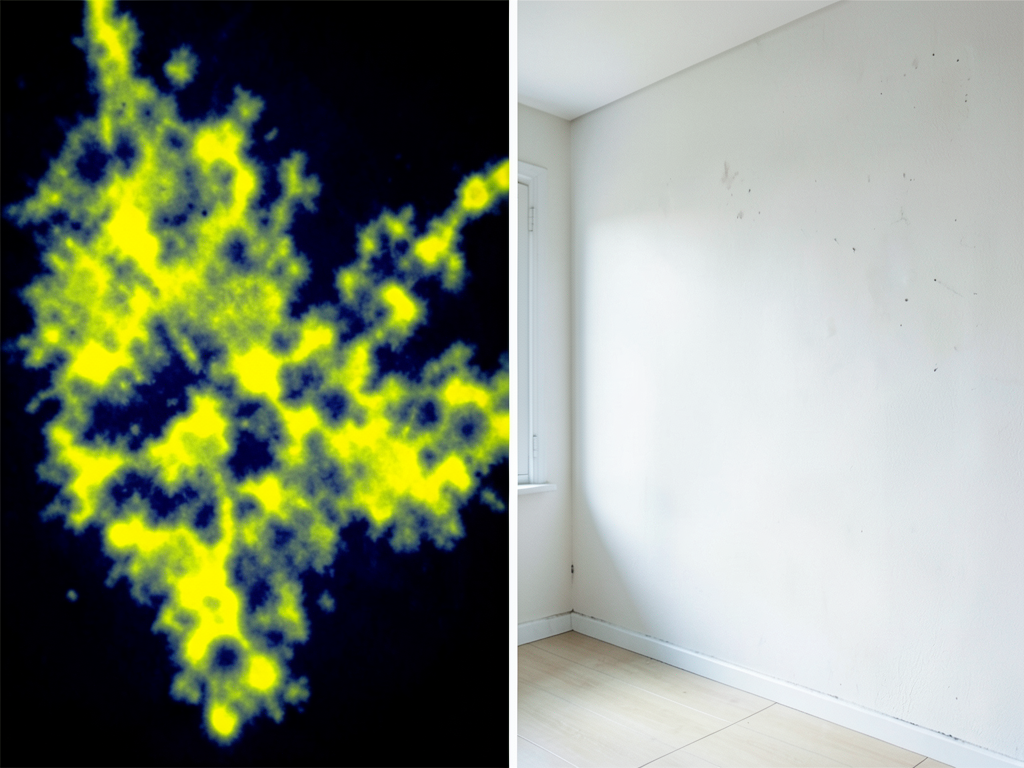
Hidden water damage can destroy your Elkins Park home from the inside out. Don’t wait until you see water stains or smell mold. Our thermal imaging technology finds problems before they become disasters, saving you time, money, and stress.
Montgomery County’s freeze-thaw cycles and aging infrastructure create perfect conditions for hidden leaks in homes throughout the 19027 area. Whether you’re dealing with a suspected leak or want to prevent future problems, our thermal imaging services provide the answers you need without the destruction of traditional detection methods.
We serve all of Montgomery County including Elkins Park, Melrose Park, Wyncote, Glenside, and surrounding communities. Our technicians understand the specific challenges facing local homeowners and bring the right tools and expertise to every job.
Don’t let hidden water damage compromise your home’s structural integrity or your family’s health. Pick up the phone and call (215) 610-8188 before the next storm hits or the next freeze cycle damages your pipes. Our 24/7 emergency service means we’re always ready to help when you need us most.
{
“@context”: “https://schema.org”,
“@type”: “BlogPosting”,
“headline”: “How Thermal Imaging Cameras Find Hidden Leaks in Elkins Park Homes Without Tearing Down Drywall”,
“description”: “Discover how FLIR thermal cameras detect hidden water leaks in Elkins Park homes without demolition. Learn the science, benefits, and local expertise from Reliance Water Damage Restoration.”,
“wordCount”: 2341,
“datePublished”: “2026-04-02T08:29:00.000Z”,
“dateModified”: “2026-04-02T08:29:00.000Z”,
“inLanguage”: “en-US”,
“mainEntityOfPage”: {
“@type”: “WebPage”,
“@id”: “https://reliancewaterdamagerestorationphiladelphia.com”
},
“publisher”: {
“@type”: “LocalBusiness”,
“name”: “Reliance Water Damage Restoration Philadelphia”,
“url”: “https://reliancewaterdamagerestorationphiladelphia.com”
},
“author”: {
“@type”: “Organization”,
“name”: “Reliance Water Damage Restoration Philadelphia”,
“url”: “https://reliancewaterdamagerestorationphiladelphia.com”
},
“image”: {
“@type”: “ImageObject”,
“url”: “https://reliancewaterdamagerestorationphiladelphia.com/wp-content/uploads/2026/03/how-thermal-imaging-cameras-find-hidden-leaks-in-e-1.png”
}
}
{
“@context”: “https://schema.org”,
“@type”: “LocalBusiness”,
“name”: “Reliance Water Damage Restoration Philadelphia”,
“url”: “https://reliancewaterdamagerestorationphiladelphia.com”,
“address”: {
“@type”: “PostalAddress”,
“addressLocality”: “Philadelphia”
},
“areaServed”: {
“@type”: “City”,
“name”: “Philadelphia”
}
}
{
“@context”: “https://schema.org”,
“@type”: “FAQPage”,
“mainEntity”: [
{
“@type”: “Question”,
“name”: “Why Choose Reliance for Water Damage in Montgomery County?”,
“acceptedAnswer”: {
“@type”: “Answer”,
“text”: “Reliance Water Damage Restoration brings 15+ years of local experience to every job in Montgomery County. Our technicians understand the unique challenges facing Elkins Park homeowners, from aging infrastructure to specific weather patterns that affect our region. We combine this local knowledge with advanced technology to deliver superior results.”
}
},
{
“@type”: “Question”,
“name”: “How accurate is thermal imaging for finding water leaks?”,
“acceptedAnswer”: {
“@type”: “Answer”,
“text”: “Professional thermal imaging cameras achieve 95-99% accuracy in detecting moisture when used by trained technicians. The technology identifies temperature differences caused by water, and when combined with moisture meters for verification, provides extremely reliable results. Our FLIR cameras can detect temperature variations as small as 0.05 degrees Celsius.”
}
},
{
“@type”: “Question”,
“name”: “Can thermal cameras see through walls?”,
“acceptedAnswer”: {
“@type”: “Answer”,
“text”: “Thermal cameras don’t actually see through walls, but they detect heat signatures that pass through building materials. Water changes how materials conduct and retain heat, creating temperature patterns our cameras can capture. Think of it like seeing your hand’s outline through thin paper when you hold it up to a light – the heat signature becomes visible even though you can’t see the details.”
}
},
{
“@type”: “Question”,
“name”: “How long does a thermal leak inspection take?”,
“acceptedAnswer”: {
“@type”: “Answer”,
“text”: “A typical thermal leak inspection for an average-sized home takes 2-4 hours, depending on the extent of suspected damage and the size of the property. The actual scanning process might take 30-60 minutes per room, with additional time needed for verification, documentation, and report preparation.”
}
},
{
“@type”: “Question”,
“name”: “Will my insurance cover thermal imaging leak detection?”,
“acceptedAnswer”: {
“@type”: “Answer”,
“text”: “Most homeowners insurance policies cover thermal imaging leak detection when it’s part of a water damage claim or when used to diagnose an active leak. The technology is considered a professional diagnostic tool rather than a preventative service. We can help you understand your specific coverage and work directly with your insurance company.”
}
},
{
“@type”: “Question”,
“name”: “What types of leaks can thermal imaging find?”,
“acceptedAnswer”: {
“@type”: “Answer”,
“text”: “Thermal imaging can detect various leak types including plumbing leaks, roof leaks, HVAC condensation, foundation leaks, and even appliance malfunctions. The technology works best for active leaks where water is currently moving through building materials, creating temperature differences our cameras can capture.”
}
},
{
“@type”: “Question”,
“name”: “Is thermal imaging safe for my family and pets?”,
“acceptedAnswer”: {
“@type”: “Answer”,
“text”: “Yes, thermal imaging is completely safe. The cameras detect infrared radiation that all objects naturally emit – they don’t emit any radiation themselves. The process is non-invasive and doesn’t require any chemicals or physical contact with your home’s surfaces, making it safe for everyone in your household.”
}
}
]
}
{
“@context”: “https://schema.org”,
“@type”: “BreadcrumbList”,
“itemListElement”: [
{
“@type”: “ListItem”,
“position”: 1,
“name”: “Home”,
“item”: “https://reliancewaterdamagerestorationphiladelphia.com”
},
{
“@type”: “ListItem”,
“position”: 2,
“name”: “Blog”,
“item”: “https://reliancewaterdamagerestorationphiladelphia.com/blog”
},
{
“@type”: “ListItem”,
“position”: 3,
“name”: “How Thermal Imaging Cameras Find Hidden Leaks in Elkins Park Homes Without Tearing Down Drywall”
}
]
}
{
“@context”: “https://schema.org”,
“@type”: “Service”,
“serviceType”: “Water Damage Restoration”,
“provider”: {
“@type”: “LocalBusiness”,
“name”: “Reliance Water Damage Restoration Philadelphia”,
“url”: “https://reliancewaterdamagerestorationphiladelphia.com”
},
“areaServed”: {
“@type”: “City”,
“name”: “Philadelphia”
},
“description”: “Discover how FLIR thermal cameras detect hidden water leaks in Elkins Park homes without demolition. Learn the science, benefits, and local expertise from Reliance Water Damage Restoration.”
}