
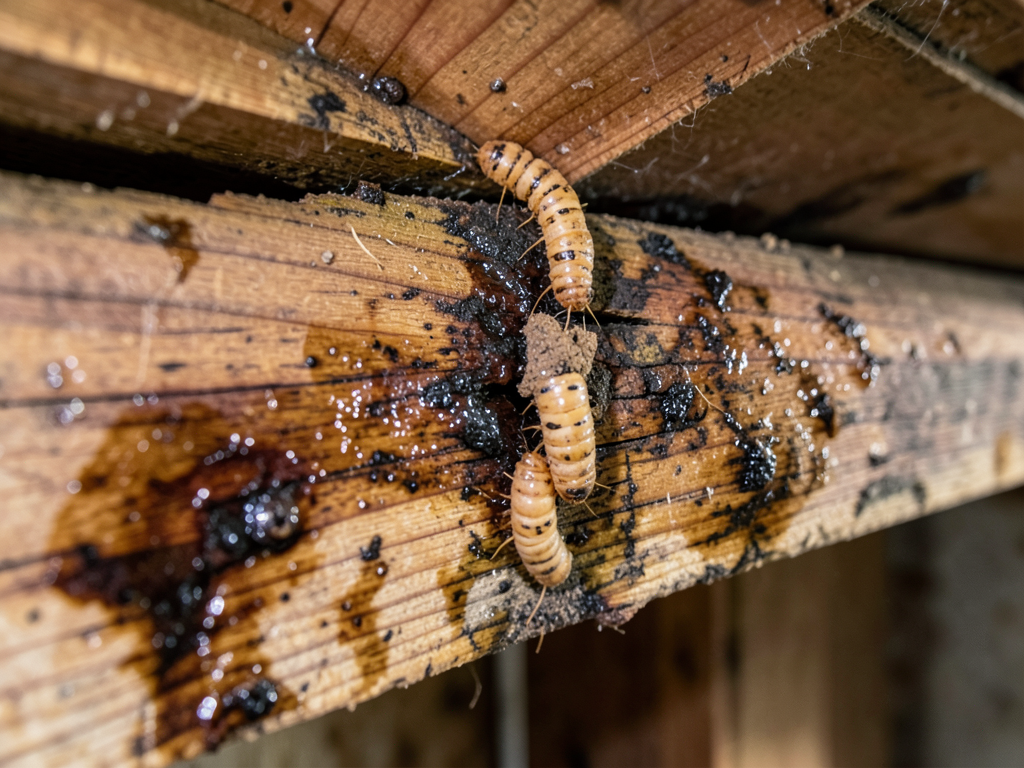
Why water damage in your North Philly rowhome is a magnet for termites and pests
Water damage in Philadelphia row homes does more than create mold problems. When moisture seeps into wood framing or basement walls it creates perfect conditions for termites, cockroaches, and rodents to move in. The humid Delaware Valley climate already pushes moisture levels high enough to support pest populations. Add a leak or flood and you have created an open invitation for infestation. Philadelphia Property Maintenance Code.
Philadelphia row homes built before the 1980s often have porous brick mortar, aging cast-iron plumbing, and shared party walls that trap moisture. Once water penetrates these structures it softens wood, creates standing puddles, and raises humidity in wall cavities. These conditions give pests exactly what they need to survive and multiply. Finding the Best Water Damage Restoration Company in Center City Without Getting Scammed.
How moisture attracts specific pests to your Philadelphia home
Different pests respond to different moisture signals. Subterranean termites follow moisture gradients in soil and wood. They need wood with a moisture content above 20 percent to thrive. A slow leak behind a bathroom wall can raise that level and create a hidden termite highway through your joists.
Cockroaches seek out dark humid spaces near food and water. German cockroaches prefer temperatures between 70 and 80 degrees with humidity above 50 percent. A damp basement corner with a slow drip from an old pipe becomes their ideal harborage. American cockroaches, often called “water bugs,” actually prefer even wetter conditions and can survive submerged for short periods. Water Damage Restoration Allentown.
Rodents enter through gaps created by water-rotted wood or corroded flashing. A mouse can squeeze through a hole the size of a dime. Water-damaged fascia boards or crumbling mortar joints create those entry points. Once inside they follow plumbing lines and nest near consistent water sources. Water Damage Restoration Reading.
Common Philadelphia pests found in water-damaged properties
Philadelphia’s pest profile reflects its urban density and climate. German cockroaches dominate indoor infestations. They breed rapidly in moist kitchen and bathroom areas. A single female can produce 30,000 descendants in one year under ideal conditions.. Read more about What Philadelphia renters should do when a landlord refuses to fix a leaking ceiling.
Termites in Philadelphia are primarily subterranean species that build mud tubes from soil to wood. They remain hidden until swarmers emerge in spring. By then structural damage may already exist. The Mid-Atlantic region’s freeze-thaw cycles push moisture into wood seams each winter, creating entry points termites exploit.. Read more about Why your North Philadelphia brick walls are crumbling after years of water absorption.
Silverfish and firebrats thrive in damp basements and crawl spaces. They feed on paper, glue, and mold growing on wet surfaces. Their presence often indicates chronic moisture problems rather than sudden leaks.. Read more about Deciding if crawl space encapsulation is the right move for your damp Fern Rock house.
Norway rats and house mice use water-damaged exterior walls as entry ramps. They gnaw through softened wood and nest in insulation near consistent water sources. A single rat can contaminate ten times its body weight in food annually through droppings and urine.. Read more about Special precautions for water damage cleanup in older homes with lead paint in Nicetown.
The hidden danger: mold and pest synergy
Where you find moisture you often find both mold and pests. Mold breaks down cellulose in wood, creating softer material that pests can tunnel through more easily. Some mold-eating beetles and mites feed directly on fungal growth, creating a secondary pest problem.
Combined mold and pest infestations create compound health risks. Cockroach allergens trigger asthma attacks. Rodent droppings spread hantavirus and salmonella. Mold spores aggravate respiratory conditions. The simultaneous presence of these hazards multiplies the health threat to residents.
Philadelphia’s Building Code requires property owners to address both moisture intrusion and pest harborage. Section 305 of the Philadelphia Property Maintenance Code mandates elimination of conditions that attract rodents and insects. Ignoring water damage violates this code and creates liability.
Restoration steps to prevent a pest infestation
Rapid structural drying prevents pests from establishing populations. The first 24 to 48 hours after water intrusion are critical. Industrial dehumidifiers can reduce humidity from above 70 percent to below 40 percent within 48 hours, removing the moisture pests need.
Antimicrobial treatments applied during the drying phase kill mold before it can provide food for pest species. EPA-registered antimicrobials prevent regrowth for up to six months when properly applied to affected surfaces. EPA-registered antimicrobials.
Sealing entry points during reconstruction blocks pest access. This includes replacing water-rotted wood, repairing mortar joints, and installing proper flashing around penetrations. Technicians use moisture meters to verify wood moisture content drops below 15 percent before sealing walls.
Dehumidification systems maintain safe humidity levels year-round. In Philadelphia’s humid summers, standalone dehumidifiers in basements prevent the moisture buildup that attracts pests. Proper grading and gutter maintenance direct water away from foundations.. Read more about How cleaning your gutters can stop foundation leaks in your East Oak Lane stone home.
When to call a Philadelphia water damage professional
Call immediately if you notice water stains spreading, musty odors persisting after rain, or pest sightings concentrated in one area. These signs indicate active moisture problems that require professional assessment.
Professional restoration teams use thermal imaging cameras to detect hidden moisture in walls and thermal patterns that indicate active leaks. Moisture meters measure water content at multiple depths to map the true extent of damage. These diagnostic tools reveal problems DIY methods miss.
Combined restoration and pest prevention saves money long-term. Addressing only the visible water damage leaves hidden moisture that will attract pests again. Professional teams coordinate with pest control experts when infestations accompany water damage.
Philadelphia’s humid climate and aging housing stock create year-round vulnerability to water damage and pest problems. Proactive moisture control protects your home’s structure and your family’s health. Do not wait for visible damage or pest sightings to take action.
Call (215) 610-8188 today to schedule your inspection. Our team responds 24/7 to water emergencies throughout Philadelphia and provides complete restoration with pest prevention strategies built in.
Frequently Asked Questions
How quickly do pests move into water-damaged areas?
Cockroaches can detect moisture sources within hours and establish harborage within days. Termites may take weeks to months to locate and exploit water-damaged wood, but once established they cause rapid structural damage.
Can I treat water damage and pests myself?
DIY approaches often miss hidden moisture that continues attracting pests. Professional restoration uses specialized equipment to detect and eliminate all moisture sources, while pest control targets existing populations. Combined professional treatment provides complete protection.
Does homeowners insurance cover pest damage from water leaks?
Most policies cover sudden water damage but not gradual leaks or pest damage. Insurance typically requires prompt professional mitigation to prevent secondary damage. Document all damage and contact your insurer immediately after discovery.
What humidity level prevents pest infestations?
Maintaining indoor humidity below 50 percent discourages most pest species. Use dehumidifiers in basements and ensure proper ventilation in bathrooms and kitchens. Monitor humidity with a hygrometer and address spikes immediately.
How can I tell if I have termites versus water damage?
Termites create mud tubes along foundations, produce swarmers in spring, and cause wood to sound hollow when tapped. Water damage shows staining, warping, and soft spots but lacks the organized tunneling patterns termites create.
You may also find this helpful. Protecting your vintage piano or guitar collection from basement dampness in Germantown.
{
“@context”: “https://schema.org”,
“@type”: “BlogPosting”,
“headline”: “Why water damage in your North Philly rowhome is a magnet for termites and pests”,
“description”: “Water damage in North Philly row homes attracts termites and pests. Learn how moisture creates pest havens and what restoration steps prevent infestations.”,
“wordCount”: 1150,
“datePublished”: “2026-05-03T09:08:00.000Z”,
“dateModified”: “2026-05-03T09:08:00.000Z”,
“inLanguage”: “en-US”,
“mainEntityOfPage”: {
“@type”: “WebPage”,
“@id”: “https://reliancewaterdamagerestorationphiladelphia.com”
},
“publisher”: {
“@type”: “LocalBusiness”,
“name”: “Reliance Water Damage Restoration Philadelphia”,
“url”: “https://reliancewaterdamagerestorationphiladelphia.com”
},
“author”: {
“@type”: “Organization”,
“name”: “Reliance Water Damage Restoration Philadelphia”,
“url”: “https://reliancewaterdamagerestorationphiladelphia.com”
},
“image”: {
“@type”: “ImageObject”,
“url”: “https://reliancewaterdamagerestorationphiladelphia.com/wp-content/uploads/2026/03/why-water-damage-in-your-north-philly-rowhome-is-a-1.png”
}
}
{
“@context”: “https://schema.org”,
“@type”: “LocalBusiness”,
“name”: “Reliance Water Damage Restoration Philadelphia”,
“url”: “https://reliancewaterdamagerestorationphiladelphia.com”,
“address”: {
“@type”: “PostalAddress”,
“addressLocality”: “Philadelphia”
},
“areaServed”: {
“@type”: “City”,
“name”: “Philadelphia”
}
}
{
“@context”: “https://schema.org”,
“@type”: “FAQPage”,
“mainEntity”: [
{
“@type”: “Question”,
“name”: “How quickly do pests move into water-damaged areas?”,
“acceptedAnswer”: {
“@type”: “Answer”,
“text”: “Cockroaches can detect moisture sources within hours and establish harborage within days. Termites may take weeks to months to locate and exploit water-damaged wood, but once established they cause rapid structural damage.”
}
},
{
“@type”: “Question”,
“name”: “Can I treat water damage and pests myself?”,
“acceptedAnswer”: {
“@type”: “Answer”,
“text”: “DIY approaches often miss hidden moisture that continues attracting pests. Professional restoration uses specialized equipment to detect and eliminate all moisture sources, while pest control targets existing populations. Combined professional treatment provides complete protection.”
}
},
{
“@type”: “Question”,
“name”: “Does homeowners insurance cover pest damage from water leaks?”,
“acceptedAnswer”: {
“@type”: “Answer”,
“text”: “Most policies cover sudden water damage but not gradual leaks or pest damage. Insurance typically requires prompt professional mitigation to prevent secondary damage. Document all damage and contact your insurer immediately after discovery.”
}
},
{
“@type”: “Question”,
“name”: “What humidity level prevents pest infestations?”,
“acceptedAnswer”: {
“@type”: “Answer”,
“text”: “Maintaining indoor humidity below 50 percent discourages most pest species. Use dehumidifiers in basements and ensure proper ventilation in bathrooms and kitchens. Monitor humidity with a hygrometer and address spikes immediately.”
}
},
{
“@type”: “Question”,
“name”: “How can I tell if I have termites versus water damage?”,
“acceptedAnswer”: {
“@type”: “Answer”,
“text”: “Termites create mud tubes along foundations, produce swarmers in spring, and cause wood to sound hollow when tapped. Water damage shows staining, warping, and soft spots but lacks the organized tunneling patterns termites create.”
}
}
]
}
{
“@context”: “https://schema.org”,
“@type”: “BreadcrumbList”,
“itemListElement”: [
{
“@type”: “ListItem”,
“position”: 1,
“name”: “Home”,
“item”: “https://reliancewaterdamagerestorationphiladelphia.com”
},
{
“@type”: “ListItem”,
“position”: 2,
“name”: “Blog”,
“item”: “https://reliancewaterdamagerestorationphiladelphia.com/blog”
},
{
“@type”: “ListItem”,
“position”: 3,
“name”: “Why water damage in your North Philly rowhome is a magnet for termites and pests”
}
]
}
{
“@context”: “https://schema.org”,
“@type”: “Service”,
“serviceType”: “Water Damage Restoration”,
“provider”: {
“@type”: “LocalBusiness”,
“name”: “Reliance Water Damage Restoration Philadelphia”,
“url”: “https://reliancewaterdamagerestorationphiladelphia.com”
},
“areaServed”: {
“@type”: “City”,
“name”: “Philadelphia”
},
“description”: “Water damage in North Philly row homes attracts termites and pests. Learn how moisture creates pest havens and what restoration steps prevent infestations.”
}