
New construction in Philadelphia’s Northern Liberties neighborhood is booming, with sleek townhomes replacing old warehouses and factories. But many new homeowners are shocked to discover their brand-new windows are already leaking. This isn’t just an inconvenience—it’s a structural problem that can lead to mold growth, wood rot, and expensive repairs. EPA Mold Guidelines.
Window leaks in new construction typically stem from improper installation during the building process. When flashing isn’t installed correctly or house wrap is compromised, water finds its way behind the siding and into your walls. The humid Philadelphia climate, with summer thunderstorms and winter freeze-thaw cycles, makes these problems worse over time. Finding the Best Water Damage Restoration Company in Center City Without Getting Scammed.
The good news is that most new construction window leaks fall under builder warranties. Pennsylvania law requires builders to stand behind their work for at least one year after completion. But you need to act fast—waiting too long can mean the warranty expires before you discover the full extent of the damage. Pennsylvania Attorney General Construction Complaints.
Professional water damage restoration companies use thermal imaging cameras and moisture meters to detect hidden leaks that aren’t visible to the naked eye. These tools can find water trapped behind drywall before it causes major structural damage. If you’re seeing water stains, feeling dampness, or noticing condensation between window panes, it’s time to call a professional. Water Damage Restoration Allentown.
Don’t let a small window leak turn into a major renovation project. Call (215) 610-8188 today for a professional inspection of your Northern Liberties townhome. Our team can identify the source of the leak, document the damage for your warranty claim, and provide immediate mitigation to prevent further water intrusion. What To Do If Your Northern Liberties Ceiling Is Sagging From A Leak.
Common Causes of Window Leaks in New Philly Construction
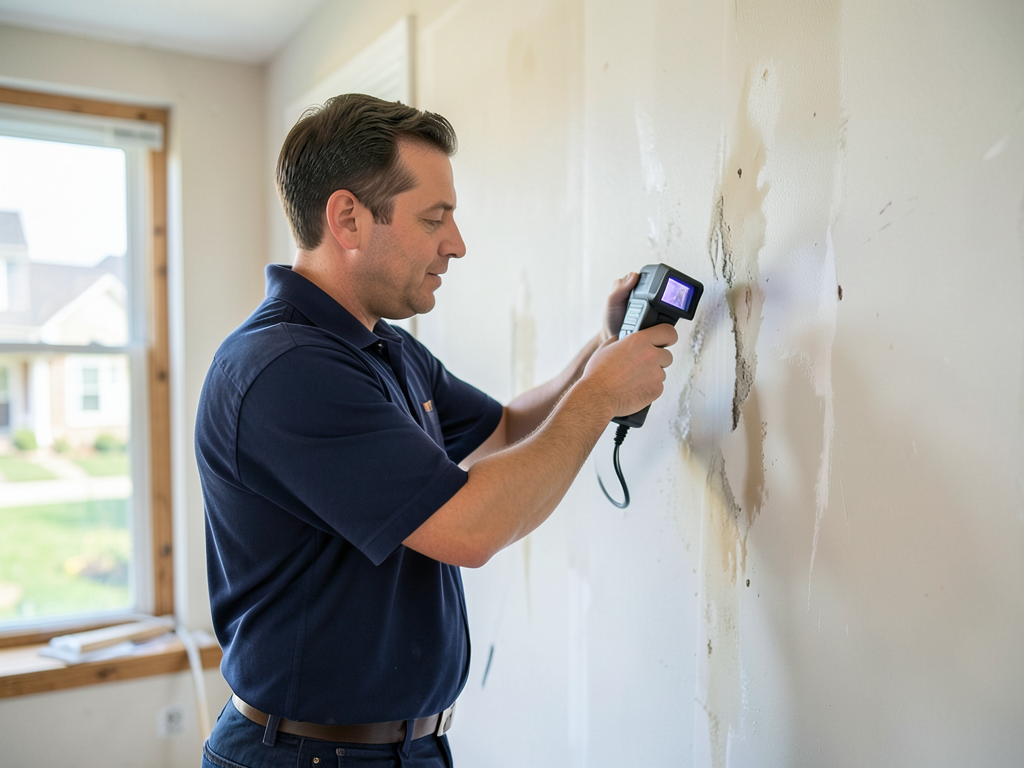
Window leaks in new construction often trace back to installation errors that occur during the rush to complete buildings. Understanding these common failure points can help you identify problems early and build a stronger case for warranty claims.
Improper flashing installation is the most frequent culprit. Flashing creates a waterproof barrier around the window frame, directing water away from the building. When installers use the wrong type of flashing, overlap pieces incorrectly, or leave gaps, water penetrates the barrier and enters wall cavities. Water Damage Restoration Reading.
House wrap integration failures are another major issue. Modern construction relies on weather-resistant barriers like Tyvek to protect the building envelope. If the house wrap isn’t properly integrated with window flashing, or if it’s torn during installation, water can flow behind the siding and into your home.. Read more about How to spot previous water damage when touring potential homes in Blue Bell.
Sealant problems plague many new builds. Low-quality caulk or improper application leaves gaps that allow water intrusion. In Philadelphia’s temperature extremes, these gaps expand and contract, creating larger openings over time.
Missing or clogged weep holes prevent proper drainage. These small openings at the bottom of window frames allow water to escape. When they’re omitted during construction or blocked by debris, water accumulates and eventually finds its way inside.
Structural settling can also cause leaks in new construction. As buildings settle during the first year, small gaps can form around windows. While some settling is normal, excessive movement indicates construction issues that need addressing.
The Hidden Dangers Behind Your Walls
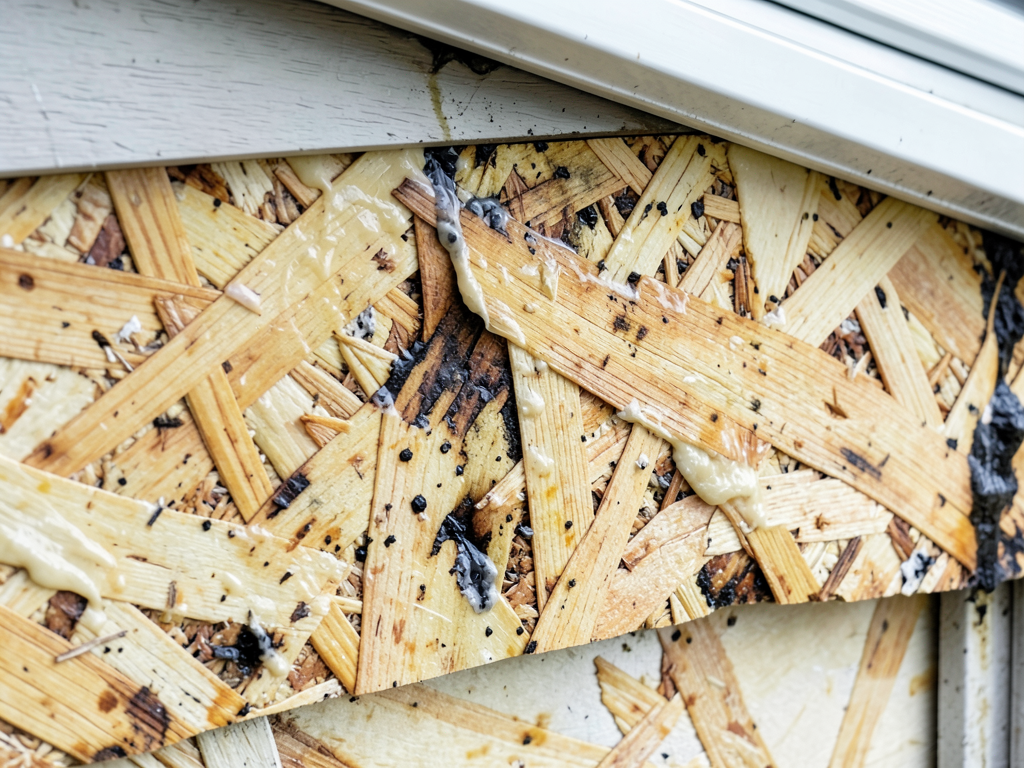
What starts as a small window leak can quickly become a major structural problem. Water trapped behind walls creates the perfect environment for mold growth, which can begin within 24-48 hours of moisture exposure.
OSB (oriented strand board) sheathing, commonly used in new construction, is particularly vulnerable to water damage. Unlike older plywood, OSB swells when wet and loses structural integrity. Once OSB begins to deteriorate, it can’t be repaired—it must be replaced entirely.
Wall cavity moisture creates ideal conditions for mold species that thrive in dark, humid environments. Stachybotrys chartarum, commonly known as black mold, can grow behind drywall where you can’t see it. This mold produces mycotoxins that can cause respiratory problems, headaches, and other health issues.
Electrical wiring in wall cavities faces serious risks from water exposure. Moisture can corrode wire connections, create short circuits, and pose fire hazards. In severe cases, water-damaged electrical systems require complete replacement.
Insulation loses its effectiveness when wet. Fiberglass insulation clumps and compacts when exposed to water, creating cold spots in your walls. This leads to higher energy bills and uncomfortable temperature variations throughout your home.
Window frame rot is another hidden danger. Modern vinyl windows have wooden frames underneath the exterior cladding. When water penetrates these frames, it causes rot that weakens the entire window assembly and compromises your home’s structural integrity.
Philadelphia’s Climate Makes Window Leaks Worse
Philadelphia’s humid continental climate creates unique challenges for new construction. The city experiences hot, humid summers with frequent thunderstorms, followed by cold winters with freeze-thaw cycles. This weather pattern puts tremendous stress on building materials and window installations.
Summer humidity levels in Philadelphia often exceed 80%, creating conditions where even small amounts of trapped moisture can lead to significant mold growth. The Delaware Valley’s proximity to water bodies contributes to this persistent humidity.
Winter freeze-thaw cycles cause materials to expand and contract repeatedly. Water that enters small gaps around windows freezes, expands, and creates larger openings. This process, called ice lensing, can turn a minor leak into a major problem within a single season.
Nor’easters and tropical storm remnants bring wind-driven rain that can force water through even properly installed windows if they’re not specifically designed for high wind loads. Philadelphia’s location makes it vulnerable to these severe weather events.
Philadelphia’s Building Code requires specific wind load calculations for new construction, but not all builders adhere to these standards. Windows installed without proper consideration for local wind patterns are more likely to fail during storms.
The city’s combined sewer system can back up during heavy rains, causing basement flooding that puts additional pressure on first-floor windows and doors. This infrastructure issue affects many Philadelphia neighborhoods, including Northern Liberties.
Pennsylvania New Home Construction Consumer Protection
Pennsylvania law provides specific protections for new home buyers through the Unfair Trade Practices and Consumer Protection Law. Builders must warranty their work for at least one year from the date of substantial completion.
The Pennsylvania Attorney General’s Office handles complaints about new construction defects. If your builder refuses to address window leaks, you can file a formal complaint. The AG’s office can investigate and potentially force builders to make repairs.. Read more about Solving the mystery of office park leaks in Plymouth Meeting before they ruin the carpet.
Most new construction in Philadelphia includes a one-year builder’s warranty that covers workmanship defects. Window installation falls under this warranty if the leak results from improper installation rather than homeowner neglect.
Material defects may be covered by manufacturer warranties that extend beyond the builder’s one-year period. Window manufacturers typically offer 5-10 year warranties on their products, but these usually don’t cover installation errors.
Documentation is crucial for warranty claims. Take photos of all water damage, keep copies of all communications with your builder, and document when you first noticed the problem. This creates a timeline that supports your claim.
Professional moisture testing and documentation from a certified restoration company can strengthen your warranty claim. Insurance companies and builders take third-party assessments more seriously than homeowner observations.
Professional Leak Detection and Restoration Process
Professional water damage restoration follows a systematic process that ensures all moisture is identified and properly addressed. This isn’t a DIY project—it requires specialized equipment and training.
The process begins with a comprehensive inspection using thermal imaging cameras. These devices detect temperature differences that indicate moisture behind walls. Cold spots often reveal water intrusion that isn’t visible to the naked eye.
Moisture meters provide quantitative data about water content in building materials. Penetrating moisture meters can measure moisture levels at various depths within walls, helping technicians determine the extent of water damage.
Air quality testing may be necessary if mold growth is suspected. Professional testing can identify specific mold species and quantify spore counts, providing data needed for proper remediation.
The restoration process typically involves controlled demolition of affected areas. This means carefully removing only the materials that are water-damaged, preserving as much of the structure as possible while ensuring complete moisture removal.
Structural drying uses commercial-grade dehumidifiers and air movers to remove moisture from building materials. This process can take several days depending on the extent of the damage and the materials involved.
Antimicrobial treatment prevents mold growth during the drying process. Professional-grade antimicrobials are more effective than consumer products and are safe for use in occupied buildings.
Final testing verifies that all moisture has been removed and that mold levels have returned to normal. This documentation is essential for insurance claims and provides peace of mind that the problem is truly resolved.
Preventing Future Window Leaks
Once your current window leak is addressed, taking preventive measures can protect your investment. Regular maintenance and inspections can catch small problems before they become major issues.
Annual window inspections should include checking caulking and sealants for cracks or gaps. Even high-quality caulk deteriorates over time, especially in Philadelphia’s temperature extremes.
Cleaning weep holes ensures proper drainage. These small openings can become clogged with dirt, insects, or debris. A simple cleaning with compressed air can restore their function.
Checking flashing during exterior maintenance can identify problems early. Look for signs of separation, rust, or damage around window frames. Any gaps in flashing should be addressed immediately.
Monitoring interior window sills for signs of moisture can catch leaks early. Water stains, peeling paint, or soft spots in the wood indicate water intrusion that needs investigation.
Maintaining proper drainage around your home prevents water from accumulating near windows. Ensure gutters are clean, downspouts direct water away from the foundation, and the ground slopes away from your home.
Professional inspections every few years can identify problems that homeowners might miss. Restoration companies can use thermal imaging and moisture meters to detect issues before they become visible. How Manayunk Homeowners Can Recover Fast After Schuylkill River Flooding.
When to Call a Professional
Not every water spot requires professional intervention, but certain signs indicate it’s time to call in experts. Understanding these warning signs can save you money and prevent extensive damage.
Visible water stains on interior walls or ceilings near windows always warrant professional investigation. These stains indicate ongoing water intrusion that needs immediate attention.
Mold growth visible on window frames or surrounding walls requires professional remediation. Mold can spread quickly and poses health risks that DIY cleaning can’t address.
Musty odors near windows often indicate hidden mold growth. If you smell dampness but can’t see water damage, professional testing can locate the source.
Soft or spongy window sills suggest water damage to the underlying structure. This indicates rot that compromises the window’s structural integrity.
Cracking or peeling paint around windows can indicate moisture problems beneath the surface. While paint issues can have other causes, they often accompany water damage.
Condensation between double-pane window glass indicates seal failure. While this doesn’t always mean water intrusion, it does require professional assessment to determine if the window needs replacement.
If you’re experiencing any of these issues in your Northern Liberties townhome, don’t wait for the problem to worsen. Call (215) 610-8188 for a professional inspection. Our team specializes in new construction water damage and can help you navigate warranty claims while protecting your investment.
Frequently Asked Questions
How do I know if my window leak is covered by warranty?
Most new construction window leaks are covered if they result from installation errors within the first year. Check your builder’s warranty documents and look for workmanship guarantees. If the leak appears within 12 months of closing, it’s likely covered.
Can I fix a window leak myself?
Small sealant issues might be DIY-able, but most window leaks indicate deeper problems that require professional diagnosis. Improper DIY repairs can void warranties and lead to more extensive damage.
How long does professional water damage restoration take?
The timeline varies based on damage extent. Simple leak detection might take a few hours, while complete restoration including drying and repairs can take several days to weeks. Your restoration company should provide a detailed timeline after inspection.
Will my insurance cover window leaks?
Most homeowners insurance policies don’t cover leaks from installation defects, as these fall under builder warranties. However, if the leak causes secondary damage like mold growth, some policies may cover remediation costs.
How can I prevent window leaks in my new construction home?
Choose reputable builders with strong warranties, conduct thorough inspections before closing, and address any water intrusion immediately. Regular maintenance and professional inspections can catch problems early.
{
“@context”: “https://schema.org”,
“@type”: “BlogPosting”,
“headline”: “Why brand new townhomes in Northern Liberties are already seeing window leaks”,
“description”: “Discover why new construction in NoLibs is failing. Learn about window flashing defects, builder liability, and professional restoration solutions in Philadelphia.”,
“wordCount”: 2100,
“datePublished”: “2026-06-01T06:04:00.000Z”,
“dateModified”: “2026-06-01T06:04:00.000Z”,
“inLanguage”: “en-US”,
“mainEntityOfPage”: {
“@type”: “WebPage”,
“@id”: “https://reliancewaterdamagerestorationphiladelphia.com”
},
“publisher”: {
“@type”: “LocalBusiness”,
“name”: “Reliance Water Damage Restoration Philadelphia”,
“url”: “https://reliancewaterdamagerestorationphiladelphia.com”
},
“author”: {
“@type”: “Organization”,
“name”: “Reliance Water Damage Restoration Philadelphia”,
“url”: “https://reliancewaterdamagerestorationphiladelphia.com”
},
“image”: {
“@type”: “ImageObject”,
“url”: “https://reliancewaterdamagerestorationphiladelphia.com/wp-content/uploads/2026/03/why-brand-new-townhomes-in-northern-liberties-are-1.png”
}
}
{
“@context”: “https://schema.org”,
“@type”: “LocalBusiness”,
“name”: “Reliance Water Damage Restoration Philadelphia”,
“url”: “https://reliancewaterdamagerestorationphiladelphia.com”,
“address”: {
“@type”: “PostalAddress”,
“addressLocality”: “Philadelphia”
},
“areaServed”: {
“@type”: “City”,
“name”: “Philadelphia”
}
}
{
“@context”: “https://schema.org”,
“@type”: “FAQPage”,
“mainEntity”: [
{
“@type”: “Question”,
“name”: “How do I know if my window leak is covered by warranty?”,
“acceptedAnswer”: {
“@type”: “Answer”,
“text”: “Most new construction window leaks are covered if they result from installation errors within the first year. Check your builder’s warranty documents and look for workmanship guarantees. If the leak appears within 12 months of closing, it’s likely covered.”
}
},
{
“@type”: “Question”,
“name”: “Can I fix a window leak myself?”,
“acceptedAnswer”: {
“@type”: “Answer”,
“text”: “Small sealant issues might be DIY-able, but most window leaks indicate deeper problems that require professional diagnosis. Improper DIY repairs can void warranties and lead to more extensive damage.”
}
},
{
“@type”: “Question”,
“name”: “How long does professional water damage restoration take?”,
“acceptedAnswer”: {
“@type”: “Answer”,
“text”: “The timeline varies based on damage extent. Simple leak detection might take a few hours, while complete restoration including drying and repairs can take several days to weeks. Your restoration company should provide a detailed timeline after inspection.”
}
},
{
“@type”: “Question”,
“name”: “Will my insurance cover window leaks?”,
“acceptedAnswer”: {
“@type”: “Answer”,
“text”: “Most homeowners insurance policies don’t cover leaks from installation defects, as these fall under builder warranties. However, if the leak causes secondary damage like mold growth, some policies may cover remediation costs.”
}
},
{
“@type”: “Question”,
“name”: “How can I prevent window leaks in my new construction home?”,
“acceptedAnswer”: {
“@type”: “Answer”,
“text”: “Choose reputable builders with strong warranties, conduct thorough inspections before closing, and address any water intrusion immediately. Regular maintenance and professional inspections can catch problems early.”
}
}
]
}
{
“@context”: “https://schema.org”,
“@type”: “BreadcrumbList”,
“itemListElement”: [
{
“@type”: “ListItem”,
“position”: 1,
“name”: “Home”,
“item”: “https://reliancewaterdamagerestorationphiladelphia.com”
},
{
“@type”: “ListItem”,
“position”: 2,
“name”: “Blog”,
“item”: “https://reliancewaterdamagerestorationphiladelphia.com/blog”
},
{
“@type”: “ListItem”,
“position”: 3,
“name”: “Why brand new townhomes in Northern Liberties are already seeing window leaks”
}
]
}
{
“@context”: “https://schema.org”,
“@type”: “Service”,
“serviceType”: “Water Damage Restoration”,
“provider”: {
“@type”: “LocalBusiness”,
“name”: “Reliance Water Damage Restoration Philadelphia”,
“url”: “https://reliancewaterdamagerestorationphiladelphia.com”
},
“areaServed”: {
“@type”: “City”,
“name”: “Philadelphia”
},
“description”: “Discover why new construction in NoLibs is failing. Learn about window flashing defects, builder liability, and professional restoration solutions in Philadelphia.”
}