
Identifying moisture problems in the unique limestone foundations of Swarthmore homes
If you own a historic home in Swarthmore you may have noticed white powdery deposits on your basement walls or a persistent damp smell that never quite goes away. These are classic signs of moisture problems in limestone foundations a common issue in our area’s older homes built before 1940. Unlike modern concrete foundations limestone is naturally porous and absorbs water through capillary action creating unique challenges for homeowners. How Manayunk Homeowners Can Recover Fast After Schuylkill River Flooding.
Swarthmore’s limestone foundations face specific threats from our local clay-heavy soil and seasonal freeze-thaw cycles. The combination of Philadelphia’s average annual rainfall of 47 inches and Swarthmore’s proximity to Crum Creek creates hydrostatic pressure that pushes water through the stone. Understanding these moisture patterns is the first step to protecting your home’s foundation and preventing costly structural damage. Finding the Best Water Damage Restoration Company in Center City Without Getting Scammed.
How Swarthmore’s limestone foundations differ from modern concrete
Limestone foundations in Swarthmore homes were typically built using rubble stone and lime-based mortar a technique that creates a breathable but vulnerable structure. Unlike Portland cement used in modern foundations lime mortar allows some moisture vapor transmission but also permits water infiltration through microscopic pores and hairline cracks that develop over decades. Water Damage Restoration Allentown.
The porosity of limestone means water moves through the stone via capillary action similar to how a sponge draws up liquid. This process accelerates when water pressure builds from saturated soil surrounding your foundation. A diagnostic test we perform involves using a moisture meter at multiple depths to map water migration patterns through the stone.
Many Swarthmore homeowners mistakenly apply modern waterproofing products like Drylok to limestone foundations only to discover the moisture problem worsens. These products trap water inside the stone causing spalling where the surface flakes off and accelerates deterioration. The correct approach requires understanding the stone’s need to breathe while managing water intrusion.

Image description: Close-up of efflorescence on limestone foundation wall showing white crystalline deposits that form when water evaporates leaving mineral salts behind.
Common signs of limestone foundation moisture problems
Efflorescence appears as a white powdery substance on basement walls and is often the first visible sign of moisture issues in limestone foundations. This occurs when water dissolves mineral salts inside the stone then evaporates leaving the salts on the surface. While efflorescence itself is harmless it indicates active water movement through your foundation.
Damp odors in basements typically indicate chronic moisture presence even when no visible water appears. The smell comes from mold and mildew growth on organic materials like wood framing or stored items. In limestone foundations this moisture often travels through the stone and condenses on cooler surfaces creating ideal conditions for microbial growth.
Mortar deterioration between limestone blocks signals advancing moisture damage. When water repeatedly freezes and thaws inside the mortar joints it expands creating cracks that widen each cycle. This process known as freeze-thaw spalling can cause entire sections of mortar to crumble leaving gaps where water freely enters.
Interior wall staining on finished basement walls often appears as dark streaks or patches where water travels through the limestone behind the wall surface. These stains may come and go with seasonal moisture changes but indicate a persistent pathway for water infiltration that requires professional assessment.
Why Swarthmore’s climate creates unique foundation challenges
Swarthmore experiences Philadelphia’s characteristic freeze-thaw cycles where temperatures fluctuate above and below freezing multiple times each winter. This creates ideal conditions for frost damage in limestone foundations as water trapped in microscopic pores expands when frozen. The Delaware Valley’s clay-heavy soil retains moisture exacerbating this pressure on foundation walls. Emergency Frozen Pipe Repair and Cleanup for West Philly Homeowners.
Philadelphia’s Building Code requires proper drainage systems for new construction but many Swarthmore homes predate these requirements. The Pennsylvania Uniform Construction Code (UCC) Section 403.1 mandates specific foundation drainage but does not require retrofitting existing structures making older limestone foundations particularly vulnerable to modern rainfall patterns.
Spring rains combined with winter snowmelt create seasonal hydrostatic pressure peaks that test limestone foundations. The clay soil common in Delaware County expands when saturated creating lateral pressure against foundation walls. This pressure can force water through even the smallest cracks or porous areas in the limestone.
Summer humidity in the Philadelphia region averages 70% creating condensation issues when cool basement walls meet warm moist air. This condensation can mimic foundation leaks leading homeowners to misdiagnose the source of moisture problems. A professional inspection uses thermal imaging to distinguish between condensation and actual water infiltration.
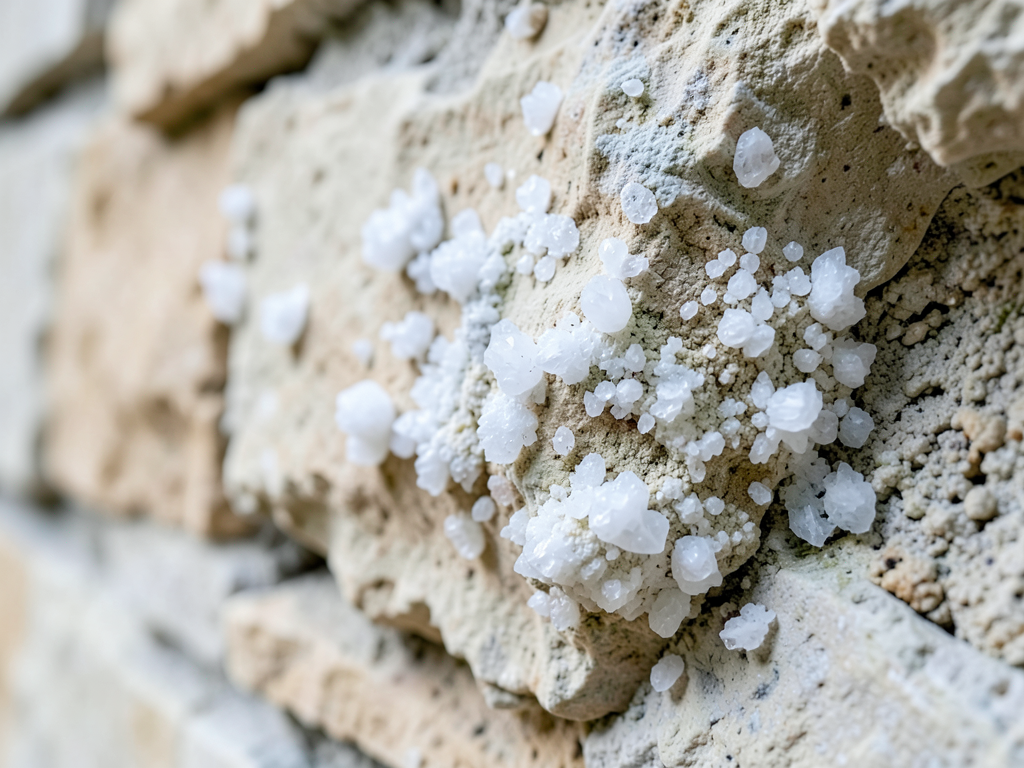
Image description: Technician using thermal imaging camera on basement wall to identify moisture patterns and temperature differences indicating water infiltration paths.
Professional inspection techniques for limestone foundations
A comprehensive limestone foundation inspection begins with visual assessment of both interior and exterior conditions. We examine mortar joints for signs of deterioration efflorescence patterns and structural movement. The exterior inspection includes checking grade slope gutter discharge and surface water management around the foundation perimeter.
Moisture mapping involves using penetrating and non-penetrating moisture meters to create a detailed picture of water distribution through the foundation. This diagnostic process reveals whether moisture enters from the bottom up through hydrostatic pressure or from the top down through surface water intrusion. The data guides our repair strategy selection. EPA mold information.
Core sampling in severe cases allows us to examine the actual stone structure and mortar composition. This testing reveals the extent of internal deterioration and helps determine whether repointing or more extensive restoration is necessary. We follow IICRC S500 standards for moisture assessment ensuring professional quality and documentation. IICRC S500 standards.
Foundation movement monitoring tracks any horizontal or vertical displacement that could indicate structural compromise. Limestone foundations in Swarthmore often settle unevenly due to variable soil conditions creating stress points where cracks develop. Laser level measurements document any movement over time helping predict future problems.
Effective restoration solutions for limestone foundations
Lime-based mortar repointing is the preferred method for repairing deteriorated mortar joints in limestone foundations. This process involves carefully removing damaged mortar to a depth of 1-2 inches then replacing it with a mortar mix that matches the original composition. The new mortar must have similar porosity to the limestone to maintain the foundation’s breathing ability.
Exterior drainage improvements often provide the most lasting solution for limestone foundation moisture problems. French drains installed around the foundation perimeter collect and redirect groundwater away from the structure. These systems typically include perforated pipe wrapped in filter fabric and surrounded by gravel to prevent soil clogging.
Interior waterproofing for limestone foundations requires a different approach than concrete. Instead of applying impermeable coatings we install drainage systems that collect water and direct it to sump pumps. This method manages water without trapping it inside the stone preventing the spalling damage caused by modern waterproofing products.
Foundation parging with lime-based mortar creates a sacrificial layer that protects the actual stone from direct water contact. This technique involves applying a thin coat of specialized mortar to the exterior foundation surface. The parging layer absorbs moisture and weathering protecting the limestone while maintaining the structure’s historical appearance.
Preventive maintenance for Swarthmore limestone foundations
Regular gutter cleaning and downspout maintenance prevents the majority of limestone foundation moisture problems. Downspouts should discharge at least 6 feet from the foundation and gutters must remain free of debris to handle Philadelphia’s heavy rainfall events. Clogged gutters cause water to overflow directly against foundation walls creating concentrated moisture exposure.
Grading adjustments around your home ensure surface water flows away from the foundation. The soil should slope away from the house at a rate of 1 inch per foot for the first 6 feet. This simple correction often resolves minor moisture issues by preventing water from pooling against foundation walls.
Landscaping choices impact foundation moisture levels. Plants with deep root systems can create pathways for water to reach foundation walls while certain trees may cause soil desiccation leading to foundation settlement. Maintain a 2-foot clear zone around your foundation free of plants and mulch that retain moisture.
Seasonal inspections allow early detection of developing problems. Check your basement walls after heavy rains for new efflorescence or moisture signs. Examine exterior mortar joints for deterioration. Look for foundation cracks that may indicate structural movement. Early intervention prevents minor issues from becoming major repairs.
Image description: Before and after comparison of limestone foundation repointing showing deteriorated mortar joints replaced with matching lime-based mortar restoring structural integrity and moisture resistance.
When to call a professional foundation specialist
Horizontal cracks in limestone foundation walls indicate serious structural problems requiring immediate professional attention. These cracks often result from excessive lateral pressure from saturated soil and may signal imminent wall failure. A structural engineer should evaluate any horizontal cracking regardless of size.
Active water infiltration during rainfall shows that your foundation’s moisture management systems have failed. If you observe water entering through walls or up through the floor during storms professional intervention is necessary. This situation typically requires both exterior and interior waterproofing solutions tailored to limestone’s unique properties. Why Your Roxborough Sump Pump Failed and How to Dry Your Basement Fast.
Efflorescence that appears rapidly or in large quantities suggests a significant moisture problem rather than normal seasonal moisture migration. When white deposits cover large wall areas or appear suddenly professional assessment can determine whether structural repairs or drainage improvements are needed.
Musty odors that persist despite dehumidification indicate ongoing moisture intrusion that requires source identification and correction. Professional testing can distinguish between condensation issues and actual water infiltration helping you select the most effective remediation strategy for your specific situation.
Local building considerations for Swarthmore foundation work
The Swarthmore Historic District guidelines require special consideration for foundation repairs on properties within designated historic areas. Any exterior modifications must maintain the building’s historical character including mortar color and tooling patterns. The Borough of Swarthmore works with homeowners to ensure repairs meet both structural and preservation requirements.
Delaware County soil conditions affect foundation repair strategies. The region’s clay-heavy soil requires specific drainage solutions that account for soil expansion and contraction. Local building officials understand these conditions and may require engineered plans for foundation repairs to ensure long-term effectiveness.
Pennsylvania’s climate extremes from summer humidity to winter freeze-thaw cycles demand foundation solutions that perform year-round. Repairs must accommodate seasonal movement while maintaining moisture protection. Materials and techniques must be selected based on their performance in our specific regional conditions.
Insurance considerations for foundation repairs vary by policy type and damage cause. Many standard homeowner policies exclude foundation damage from gradual deterioration but cover sudden failures. Professional documentation of foundation conditions can support insurance claims and may be required for certain repair approaches.
Cost factors for limestone foundation restoration
Restoration costs depend on the extent of damage the accessibility of the foundation and the chosen repair method. Minor repointing projects may cost $500-1500 while comprehensive exterior waterproofing systems can exceed $10000. Limestone foundations typically require more labor-intensive work than concrete due to the need for specialized techniques and materials.
Diagnostic testing adds to initial costs but often prevents unnecessary repairs by identifying the true moisture sources. Professional moisture mapping and structural assessment typically range from $300-800 but provide valuable data for developing effective repair strategies. This investment often saves money by targeting repairs to actual problems.
DIY approaches to limestone foundation repair frequently result in higher long-term costs. Improper mortar selection or application can accelerate deterioration while incorrect waterproofing can trap moisture causing spalling. Professional restoration ensures repairs address both immediate problems and underlying causes using appropriate materials and techniques.
Financing options for foundation repairs may include home equity loans insurance coverage or specialized restoration grants for historic properties. Some Swarthmore homeowners qualify for preservation tax credits when maintaining historically significant limestone foundations. Professional contractors can often provide financing information and help navigate available options.
Protecting your investment in a historic Swarthmore home
Limestone foundation moisture problems in Swarthmore homes require specialized knowledge and techniques that differ significantly from modern construction. The unique combination of historic building methods local soil conditions and Philadelphia’s climate creates challenges that demand professional expertise for effective resolution.
Understanding the signs of moisture problems allows you to address issues before they cause major structural damage. Regular maintenance proper drainage and prompt attention to developing problems protect both your home’s structural integrity and its historical character. Professional assessment provides the information needed to make informed repair decisions.
Call (215) 610-8188 today to schedule your limestone foundation inspection. Our experienced technicians understand Swarthmore’s unique foundation challenges and can develop a restoration plan that protects your home while preserving its historic character. Don’t wait for minor moisture issues to become major structural problems.
Frequently Asked Questions
How can I tell if my limestone foundation has a serious moisture problem?
Look for horizontal cracks active water infiltration during rainfall or rapidly spreading efflorescence. Musty odors that persist despite dehumidification also indicate serious moisture issues requiring professional assessment.
Can I use regular concrete mortar to repair my limestone foundation?
No concrete mortar is too hard for limestone and can cause spalling by trapping moisture. Always use lime-based mortar that matches the original composition and allows the stone to breathe.
How often should I inspect my limestone foundation?
Perform visual inspections quarterly and after heavy rainfall events. Professional comprehensive inspections every 2-3 years help identify developing issues before they become major problems.
Will waterproofing paint solve my limestone foundation moisture problems?
Waterproofing paint often worsens limestone foundation issues by trapping moisture inside the stone. Professional drainage and appropriate mortar repairs provide more effective long-term solutions.
Are limestone foundation repairs covered by homeowners insurance?
Coverage varies by policy and damage cause. Gradual deterioration is typically excluded but sudden failures may be covered. Professional documentation helps support insurance claims when applicable.
{
“@context”: “https://schema.org”,
“@type”: “BlogPosting”,
“headline”: “Identifying moisture problems in the unique limestone foundations of Swarthmore homes”,
“description”: “Discover how Swarthmore’s historic limestone foundations develop moisture problems. Learn the signs, causes, and professional solutions specific to our local geology and climate.”,
“wordCount”: 2307,
“datePublished”: “2026-06-15T12:19:00.000Z”,
“dateModified”: “2026-06-15T12:19:00.000Z”,
“inLanguage”: “en-US”,
“mainEntityOfPage”: {
“@type”: “WebPage”,
“@id”: “https://reliancewaterdamagerestorationphiladelphia.com”
},
“publisher”: {
“@type”: “LocalBusiness”,
“name”: “Reliance Water Damage Restoration Philadelphia”,
“url”: “https://reliancewaterdamagerestorationphiladelphia.com”
},
“author”: {
“@type”: “Organization”,
“name”: “Reliance Water Damage Restoration Philadelphia”,
“url”: “https://reliancewaterdamagerestorationphiladelphia.com”
},
“image”: {
“@type”: “ImageObject”,
“url”: “https://reliancewaterdamagerestorationphiladelphia.com/wp-content/uploads/2026/03/identifying-moisture-problems-in-the-unique-limest-1.png”
}
}
{
“@context”: “https://schema.org”,
“@type”: “LocalBusiness”,
“name”: “Reliance Water Damage Restoration Philadelphia”,
“url”: “https://reliancewaterdamagerestorationphiladelphia.com”,
“address”: {
“@type”: “PostalAddress”,
“addressLocality”: “Philadelphia”
},
“areaServed”: {
“@type”: “City”,
“name”: “Philadelphia”
}
}
{
“@context”: “https://schema.org”,
“@type”: “FAQPage”,
“mainEntity”: [
{
“@type”: “Question”,
“name”: “How can I tell if my limestone foundation has a serious moisture problem?”,
“acceptedAnswer”: {
“@type”: “Answer”,
“text”: “Look for horizontal cracks active water infiltration during rainfall or rapidly spreading efflorescence. Musty odors that persist despite dehumidification also indicate serious moisture issues requiring professional assessment.”
}
},
{
“@type”: “Question”,
“name”: “Can I use regular concrete mortar to repair my limestone foundation?”,
“acceptedAnswer”: {
“@type”: “Answer”,
“text”: “No concrete mortar is too hard for limestone and can cause spalling by trapping moisture. Always use lime-based mortar that matches the original composition and allows the stone to breathe.”
}
},
{
“@type”: “Question”,
“name”: “How often should I inspect my limestone foundation?”,
“acceptedAnswer”: {
“@type”: “Answer”,
“text”: “Perform visual inspections quarterly and after heavy rainfall events. Professional comprehensive inspections every 2-3 years help identify developing issues before they become major problems.”
}
},
{
“@type”: “Question”,
“name”: “Are limestone foundation repairs covered by homeowners insurance?”,
“acceptedAnswer”: {
“@type”: “Answer”,
“text”: “Coverage varies by policy and damage cause. Gradual deterioration is typically excluded but sudden failures may be covered. Professional documentation helps support insurance claims when applicable.”
}
}
]
}
{
“@context”: “https://schema.org”,
“@type”: “BreadcrumbList”,
“itemListElement”: [
{
“@type”: “ListItem”,
“position”: 1,
“name”: “Home”,
“item”: “https://reliancewaterdamagerestorationphiladelphia.com”
},
{
“@type”: “ListItem”,
“position”: 2,
“name”: “Blog”,
“item”: “https://reliancewaterdamagerestorationphiladelphia.com/blog”
},
{
“@type”: “ListItem”,
“position”: 3,
“name”: “Identifying moisture problems in the unique limestone foundations of Swarthmore homes”
}
]
}
{
“@context”: “https://schema.org”,
“@type”: “Service”,
“serviceType”: “Water Damage Restoration”,
“provider”: {
“@type”: “LocalBusiness”,
“name”: “Reliance Water Damage Restoration Philadelphia”,
“url”: “https://reliancewaterdamagerestorationphiladelphia.com”
},
“areaServed”: {
“@type”: “City”,
“name”: “Philadelphia”
},
“description”: “Discover how Swarthmore’s historic limestone foundations develop moisture problems. Learn the signs, causes, and professional solutions specific to our local geology and climate.”
}