
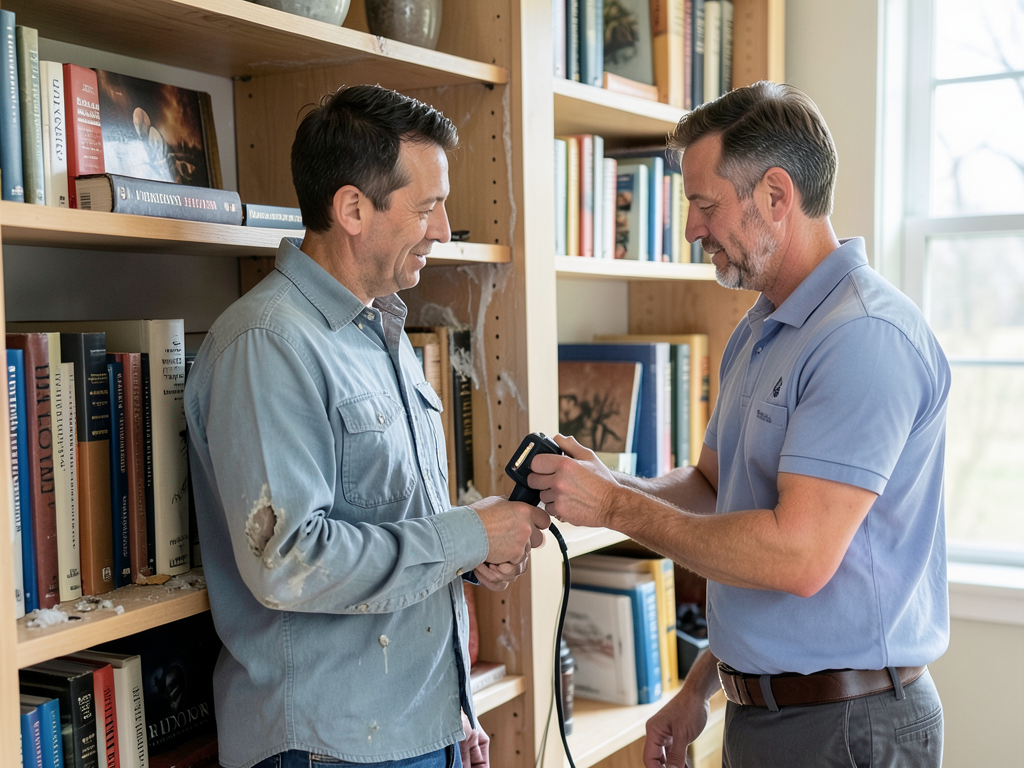
Can Your Custom Built-In Bookshelves in Radnor Be Saved After a Pipe Burst?
Water damage to custom built-ins in Radnor homes is a race against time. Philadelphia’s seasonal humidity combined with the solid oak and mahogany common in Main Line properties creates unique restoration challenges. The answer depends on water category, exposure duration, and wood type. Category 1 clean water from a burst pipe may be salvageable if addressed within 24-48 hours. Category 2 or 3 water (dishwasher overflow or sewage) often requires complete replacement due to contamination risks. Finding the Best Water Damage Restoration Company in Center City Without Getting Scammed.
Radnor’s historic homes built before 1950 often feature solid hardwood built-ins that respond differently to moisture than modern MDF units. Solid wood can often be restored through controlled drying, sanding, and refinishing. Engineered materials typically swell irreversibly and must be replaced. The key diagnostic test is measuring moisture content (MC) with a penetrating moisture meter. Wood should return to 6-8% MC for Philadelphia’s climate before any restoration work begins.
Assessment: Is Your Built-In Salvageable?
Start with a visual inspection. Look for warping, bubbling veneer, or separation at joints. Press gently on the surface. If it feels soft or spongy, delamination has likely occurred. Solid wood will feel firm even when wet. Check the base where the unit meets the floor. This is where wicking damage often starts. EPA RRP (Renovation, Repair, and Painting) rules.
Category 1 water damage assessment:
- Less than 48 hours exposure
- No visible mold growth
- Wood remains structurally sound
- No warping beyond 1/8 inch
Category 2 or 3 water damage assessment:
- Any exposure over 24 hours
- Visible staining or odor
- Presence of mold or mildew
- Engineered materials involved
Testing moisture content is critical. Use a penetrating moisture meter at multiple depths. Surface readings can be misleading. Wood may feel dry on the surface while retaining moisture at the core. Philadelphia’s high summer humidity (average 70-80%) means wood can take 72-96 hours to dry completely even with professional equipment.
The Restoration Process: Step-by-Step
Professional restoration follows a specific sequence. Skipping steps or rushing the process leads to failure.
- Water Extraction and Containment
Remove standing water using weighted extraction tools. Protect surrounding flooring and walls from secondary damage. Set up containment barriers to prevent moisture migration. Water Damage Restoration Allentown.
- Controlled Drying
Deploy commercial-grade dehumidifiers and air movers. Monitor moisture levels daily. Philadelphia’s humidity requires LGR (low grain refrigerant) dehumidifiers for effective moisture removal.
- Structural Assessment
Check for warping, joint separation, and delamination. Test wood hardness with a screwdriver. Soft spots indicate structural compromise. EPA mold remediation guidelines.
- Surface Preparation
Remove damaged finish. Sand progressively from 80 to 220 grit. Clean thoroughly to remove dust and contaminants. Water Damage Restoration Reading.
- Refinishing
Apply matching stain if needed. Seal with appropriate finish (polyurethane for durability, lacquer for traditional look). Allow proper cure time between coats.
Temperature and humidity control during restoration is critical. Ideal conditions are 70-75°F with 40-50% relative humidity. Philadelphia’s summer conditions often require climate control to achieve these parameters.
Philadelphia Specifics: Dealing with Historic Woodwork
Radnor and surrounding Main Line communities feature homes built between 1890-1940 with distinctive woodworking. These solid hardwood built-ins require specialized restoration approaches.
Common Radnor built-in characteristics:
- Solid quarter-sawn oak or mahogany construction
- Dove-tail joinery rather than modern fasteners
- Hand-applied finishes with shellac or lacquer
- Integration with plaster walls and wood flooring
Historic woodwork restoration requires understanding original construction methods. Modern fasteners can damage antique joinery. Chemical strippers must be compatible with original finishes. The Pennsylvania Historical and Museum Commission recommends preservation of original materials when structurally feasible.
Radnor’s clay-heavy soil contributes to foundation movement. This causes built-ins to shift slightly over time, creating small gaps that allow water infiltration during floods or pipe bursts. These gaps often go unnoticed until significant damage occurs.
Health and Safety: Mold and Black Water Risks
Trapped moisture behind built-ins creates ideal mold growth conditions. Philadelphia’s humid climate accelerates this process. Mold can begin growing within 24-48 hours of water exposure.
Warning signs of mold behind built-ins:
- Musty odor that intensifies when doors are closed
- Dark spotting visible from the front
- Condensation on interior surfaces
- Allergic reactions when near the unit
Black water contamination requires immediate professional remediation. Category 3 water contains pathogens and requires EPA-registered antimicrobials. The EPA’s Guidelines for Environmental Infection Control in Health-Care Facilities (2003) recommend complete removal of materials exposed to black water.
Professional testing is essential. Surface swabs and air quality testing identify hidden contamination. Philadelphia’s older homes may contain lead-based paint or asbestos in original finishes. These require specialized handling under EPA RRP (Renovation, Repair, and Painting) rules.
Cost vs. Replacement in the Philadelphia Market
Restoration costs vary significantly based on damage extent and material. Here’s a comparison of typical scenarios in the Philadelphia area:
| Restoration Scenario | Typical Cost Range | Timeframe | Success Rate |
|---|---|---|---|
| Category 1 Solid Oak | $800 – $2,500 | 3-5 days | 85% |
| Category 2 Veneer | $1,200 – $3,800 | 5-7 days | 60% |
| Category 3 MDF | $2,500 – $6,000 | 1-2 days | 15% |
| Complete Replacement | $4,000 – $12,000 | 2-3 weeks | N/A |
Insurance coverage varies. Most policies cover sudden pipe bursts but may exclude secondary damage from poor maintenance. Document everything with photos and moisture readings. This supports insurance claims and helps determine restoration vs. replacement decisions.
Philadelphia’s building permit requirements may apply for extensive restoration work. The Philadelphia Department of Licenses and Inspections requires permits for structural modifications. Check local requirements before starting work.
Preventing Future Built-In Water Damage
Prevention is more cost-effective than restoration. Simple measures can protect your investment.
- Install water leak detectors near plumbing runs
- Maintain proper humidity levels (40-50%) year-round
- Inspect caulking and seals annually
- Install automatic shut-off valves on main water supply
Philadelphia’s freeze-thaw cycles create unique risks. Pipes in exterior walls are vulnerable to freezing and bursting. Insulate these pipes and maintain consistent indoor temperatures during cold snaps.
Professional inspection every 2-3 years can identify potential problems before they cause damage. Look for signs of moisture, pest activity, or structural movement.
Call (215) 610-8188 today to schedule your inspection. Don’t wait until water damage becomes irreversible.
Frequently Asked Questions
How long can built-ins survive water exposure?
Solid wood built-ins can survive 24-48 hours of clean water exposure if properly dried. Engineered materials begin swelling within hours. Category 2 or 3 water requires immediate professional attention.
Can I restore built-ins myself?
Minor surface damage may be DIY-able. However, structural water damage requires professional equipment and expertise. Improper drying can lead to mold growth and permanent damage.
Will insurance cover built-in restoration?
Most policies cover sudden, accidental water damage. Coverage for gradual damage or lack of maintenance is typically excluded. Document damage thoroughly and contact your agent promptly.
How do I know if mold is growing behind my built-ins?
Musty odors, visible spotting, or allergic reactions near the unit indicate potential mold growth. Professional testing can confirm presence and extent of contamination.
What’s the difference between restoration and replacement?
Restoration preserves original materials through drying, repair, and refinishing. Replacement involves removing damaged units and installing new ones. Restoration is often more cost-effective for historic or high-quality built-ins.
How long does built-in restoration take?
Restoration typically takes 3-7 days depending on damage extent and material. Drying alone requires 72-96 hours in Philadelphia’s climate. Additional time is needed for repairs and finishing.
{
“@context”: “https://schema.org”,
“@type”: “BlogPosting”,
“headline”: “Can your custom built-in bookshelves in Radnor be saved after a pipe burst?”,
“description”: “Philadelphia’s high humidity and historic Radnor homes make built-in restoration complex. Learn when water-damaged wood can be saved vs. replaced.”,
“wordCount”: 1218,
“datePublished”: “2026-06-14T09:08:00.000Z”,
“dateModified”: “2026-06-14T09:08:00.000Z”,
“inLanguage”: “en-US”,
“mainEntityOfPage”: {
“@type”: “WebPage”,
“@id”: “https://reliancewaterdamagerestorationphiladelphia.com”
},
“publisher”: {
“@type”: “LocalBusiness”,
“name”: “Reliance Water Damage Restoration Philadelphia”,
“url”: “https://reliancewaterdamagerestorationphiladelphia.com”
},
“author”: {
“@type”: “Organization”,
“name”: “Reliance Water Damage Restoration Philadelphia”,
“url”: “https://reliancewaterdamagerestorationphiladelphia.com”
},
“image”: {
“@type”: “ImageObject”,
“url”: “https://reliancewaterdamagerestorationphiladelphia.com/wp-content/uploads/2026/03/can-your-custom-built-in-bookshelves-in-radnor-be-1.png”
}
}
{
“@context”: “https://schema.org”,
“@type”: “LocalBusiness”,
“name”: “Reliance Water Damage Restoration Philadelphia”,
“url”: “https://reliancewaterdamagerestorationphiladelphia.com”,
“address”: {
“@type”: “PostalAddress”,
“addressLocality”: “Philadelphia”
},
“areaServed”: {
“@type”: “City”,
“name”: “Philadelphia”
}
}
{
“@context”: “https://schema.org”,
“@type”: “FAQPage”,
“mainEntity”: [
{
“@type”: “Question”,
“name”: “Assessment: Is Your Built-In Salvageable?”,
“acceptedAnswer”: {
“@type”: “Answer”,
“text”: “Start with a visual inspection. Look for warping, bubbling veneer, or separation at joints. Press gently on the surface. If it feels soft or spongy, delamination has likely occurred. Solid wood will feel firm even when wet. Check the base where the unit meets the floor. This is where wicking damage often starts. EPA RRP (Renovation, Repair, and Painting) rules.”
}
},
{
“@type”: “Question”,
“name”: “How long can built-ins survive water exposure?”,
“acceptedAnswer”: {
“@type”: “Answer”,
“text”: “Solid wood built-ins can survive 24-48 hours of clean water exposure if properly dried. Engineered materials begin swelling within hours. Category 2 or 3 water requires immediate professional attention.”
}
},
{
“@type”: “Question”,
“name”: “Can I restore built-ins myself?”,
“acceptedAnswer”: {
“@type”: “Answer”,
“text”: “Minor surface damage may be DIY-able. However, structural water damage requires professional equipment and expertise. Improper drying can lead to mold growth and permanent damage.”
}
},
{
“@type”: “Question”,
“name”: “Will insurance cover built-in restoration?”,
“acceptedAnswer”: {
“@type”: “Answer”,
“text”: “Most policies cover sudden, accidental water damage. Coverage for gradual damage or lack of maintenance is typically excluded. Document damage thoroughly and contact your agent promptly.”
}
},
{
“@type”: “Question”,
“name”: “How do I know if mold is growing behind my built-ins?”,
“acceptedAnswer”: {
“@type”: “Answer”,
“text”: “Musty odors, visible spotting, or allergic reactions near the unit indicate potential mold growth. Professional testing can confirm presence and extent of contamination.”
}
},
{
“@type”: “Question”,
“name”: “What’s the difference between restoration and replacement?”,
“acceptedAnswer”: {
“@type”: “Answer”,
“text”: “Restoration preserves original materials through drying, repair, and refinishing. Replacement involves removing damaged units and installing new ones. Restoration is often more cost-effective for historic or high-quality built-ins.”
}
},
{
“@type”: “Question”,
“name”: “How long does built-in restoration take?”,
“acceptedAnswer”: {
“@type”: “Answer”,
“text”: “Restoration typically takes 3-7 days depending on damage extent and material. Drying alone requires 72-96 hours in Philadelphia’s climate. Additional time is needed for repairs and finishing.”
}
}
]
}
{
“@context”: “https://schema.org”,
“@type”: “HowTo”,
“name”: “Water Damaged Built-In Restoration Process”,
“step”: [
{
“@type”: “HowToStep”,
“position”: 1,
“name”: “Water Extraction and Containment”,
“text”: “Remove standing water using weighted extraction tools. Protect surrounding flooring and walls from secondary damage. Set up containment barriers to prevent moisture migration. Water Damage Restoration Allentown.”
},
{
“@type”: “HowToStep”,
“position”: 2,
“name”: “Controlled Drying”,
“text”: “Deploy commercial-grade dehumidifiers and air movers. Monitor moisture levels daily. Philadelphia’s humidity requires LGR (low grain refrigerant) dehumidifiers for effective moisture removal.”
},
{
“@type”: “HowToStep”,
“position”: 3,
“name”: “Structural Assessment”,
“text”: “Check for warping, joint separation, and delamination. Test wood hardness with a screwdriver. Soft spots indicate structural compromise. EPA mold remediation guidelines.”
},
{
“@type”: “HowToStep”,
“position”: 4,
“name”: “Surface Preparation”,
“text”: “Remove damaged finish. Sand progressively from 80 to 220 grit. Clean thoroughly to remove dust and contaminants. Water Damage Restoration Reading.”
},
{
“@type”: “HowToStep”,
“position”: 5,
“name”: “Refinishing”,
“text”: “Apply matching stain if needed. Seal with appropriate finish (polyurethane for durability, lacquer for traditional look). Allow proper cure time between coats.”
}
],
“image”: “https://reliancewaterdamagerestorationphiladelphia.com/wp-content/uploads/2026/03/can-your-custom-built-in-bookshelves-in-radnor-be-1.png”
}
{
“@context”: “https://schema.org”,
“@type”: “BreadcrumbList”,
“itemListElement”: [
{
“@type”: “ListItem”,
“position”: 1,
“name”: “Home”,
“item”: “https://reliancewaterdamagerestorationphiladelphia.com”
},
{
“@type”: “ListItem”,
“position”: 2,
“name”: “Blog”,
“item”: “https://reliancewaterdamagerestorationphiladelphia.com/blog”
},
{
“@type”: “ListItem”,
“position”: 3,
“name”: “Can your custom built-in bookshelves in Radnor be saved after a pipe burst?”
}
]
}
{
“@context”: “https://schema.org”,
“@type”: “Service”,
“serviceType”: “Water Damage Restoration”,
“provider”: {
“@type”: “LocalBusiness”,
“name”: “Reliance Water Damage Restoration Philadelphia”,
“url”: “https://reliancewaterdamagerestorationphiladelphia.com”
},
“areaServed”: {
“@type”: “City”,
“name”: “Philadelphia”
},
“description”: “Philadelphia’s high humidity and historic Radnor homes make built-in restoration complex. Learn when water-damaged wood can be saved vs. replaced.”
}