
Comparing DIY Mold Removal and Professional Services for Germantown Basements
Germantown’s historic row homes and stone-foundation basements create the perfect environment for mold growth. Philadelphia’s humid summers and freeze-thaw winters cause moisture to seep through aging masonry, leading to black mold colonies that can spread through your home’s air system. The question isn’t whether you have mold—it’s whether you can handle it safely yourself or need professional help.. Read more about How to Handle a Flooded Basement in Your Bridesburg Rental Property.
Small bathroom mildew spots under 10 square feet can be cleaned with proper safety gear and EPA-approved cleaners. But once mold spreads beyond that threshold or appears on porous materials like drywall and insulation, you’re dealing with a health hazard that requires containment protocols and specialized equipment. This guide breaks down exactly when DIY mold removal works and when Germantown homeowners need professional remediation to protect their property and family. EPA Mold Resources.
Understanding Philadelphia’s Mold Problem
Philadelphia’s climate creates ideal conditions for mold growth. The Delaware Valley experiences average relative humidity levels above 70% during summer months, with frequent thunderstorms pushing moisture through foundation cracks. Germantown’s historic homes, many built before 1940, feature stone and brick foundations that absorb water like sponges. These structures lack modern vapor barriers and drainage systems found in newer construction. Finding the Best Water Damage Restoration Company in Center City Without Getting Scammed.
The combination of high humidity, aging infrastructure, and poor drainage means mold isn’t just a possibility—it’s a certainty in many Germantown basements. The question becomes: how much mold can you safely remove yourself, and when does it become a professional job?. Read more about How to Tell if Your Society Hill Basement Needs a French Drain or a Sump Pump.
When DIY Mold Removal is Safe and Effective
The EPA establishes clear guidelines for safe DIY mold remediation. If the affected area is less than 10 square feet—roughly a 3×3 foot patch—and the mold grows on non-porous surfaces like tile, glass, or sealed concrete, you can handle it yourself with proper precautions.
Safe DIY conditions include:
- Mold covering less than 10 square feet
- Growth on non-porous materials only
- No visible water damage or structural issues
- No strong musty odors throughout the home
- No symptoms of mold-related illness in residents
For safe DIY removal, you’ll need N-95 respirators, chemical-resistant gloves, safety goggles, and EPA-registered mold cleaners. The process involves physically removing visible mold, cleaning the surface thoroughly, and ensuring the area dries completely. However, never use bleach on porous surfaces—it only kills surface mold while leaving roots intact to regrow.
The Hidden Dangers of DIY Mold Removal
Most DIY mold removal attempts fail because homeowners don’t understand mold’s biology. Mold releases microscopic spores that become airborne during cleaning, spreading throughout your home’s HVAC system. Without proper containment, you’re not removing mold—you’re redistributing it. How Manayunk Homeowners Can Recover Fast After Schuylkill River Flooding.
Common DIY mistakes that make problems worse:
- Using bleach on porous materials (drywall, wood, insulation)
- Disturbing mold without HEPA filtration, releasing spores
- Painting over mold instead of removing it
- Ignoring the moisture source that caused mold growth
- Improper disposal of contaminated materials
The biggest danger isn’t the immediate exposure—it’s the false sense of security. Homeowners often think they’ve solved the problem when they’ve only masked it. Mold can hide inside wall cavities, under flooring, and in HVAC ducts where it continues growing unseen.
Professional Mold Remediation: Equipment and Protocols
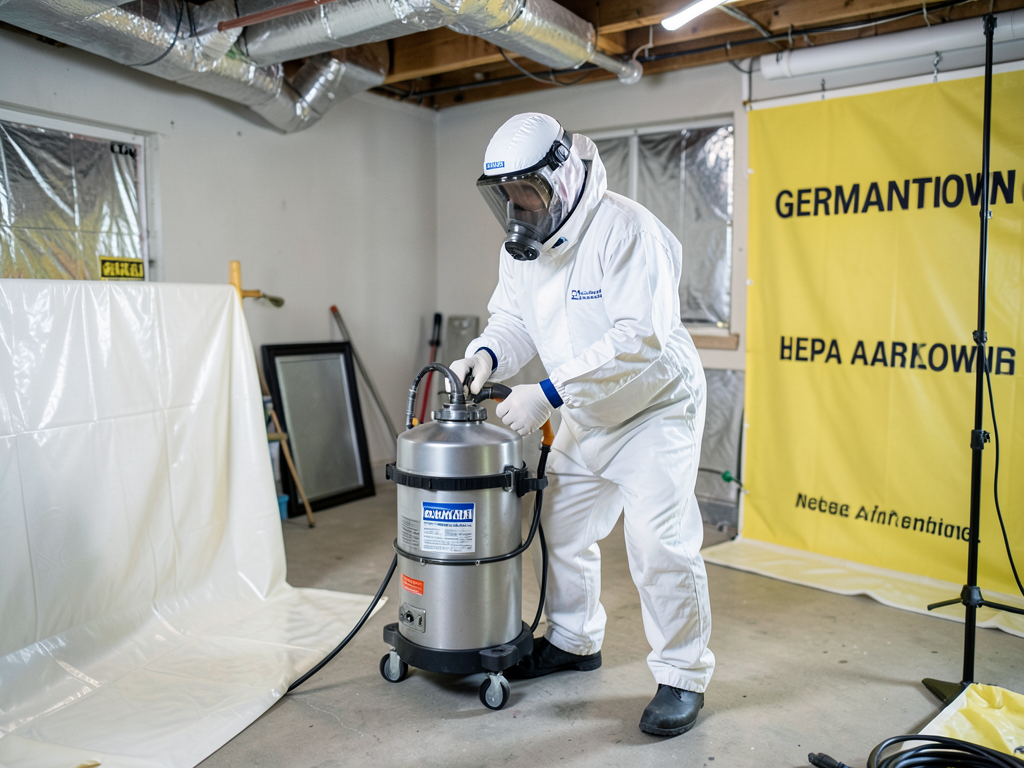
Professional mold remediation follows strict IICRC S520 standards that ensure complete removal and prevent cross-contamination. The process begins with containment—creating negative air pressure zones using HEPA-filtered air scrubbers that prevent spores from escaping the work area. IICRC S520 Standard.
Professional equipment includes:
- Industrial HEPA air scrubbers with 99.97% efficiency
- Negative air machines creating containment barriers
- Infrared thermal imaging cameras to detect hidden moisture
- Moisture meters measuring material saturation levels
- Antimicrobial treatments that prevent regrowth
Technicians wear full PPE including respirators, Tyvek suits, and boot covers. They establish containment barriers with plastic sheeting and create decontamination chambers for entering and exiting work areas. This level of protection and protocol is impossible to replicate with DIY methods.
Cost Comparison: Short-Term Savings vs. Long-Term Liability
DIY mold removal might save $500-1,000 initially, but failed attempts often cost more long-term. Professional remediation in Philadelphia typically ranges from $1,500 to $6,000 depending on the affected area size and material types. While this seems expensive, consider the alternatives. Why Your Roxborough Sump Pump Failed and How to Dry Your Basement Fast.
Failed DIY jobs lead to:
- Structural damage from undetected moisture
- Failed home inspections during property sales
- Increased remediation costs as mold spreads
- Health problems requiring medical treatment
- Insurance claim denials due to improper handling
Professional remediation includes documentation that satisfies insurance companies and future home inspectors. This documentation proves the work was done correctly and can prevent costly disputes during property transactions.. Read more about Deciding if You Need Professional Air Scrubbers After a Leak in Brewerytown.
Philadelphia Specifics: Why Local Climate Matters
Philadelphia’s unique climate creates mold growth patterns that differ from other regions. The city’s average annual precipitation of 41 inches, combined with high humidity levels, means moisture problems persist year-round. Germantown’s elevation changes and proximity to the Wissahickon Creek create microclimates where basements stay damp even during dry spells.. Read more about Why Standard Dehumidifiers Fail During Basement Floods in Overbrook.
Local building codes require specific moisture management practices. Philadelphia’s plumbing code mandates proper drainage for all below-grade spaces, and the city’s housing code requires landlords to address mold within 30 days of tenant notification. However, enforcement varies, and many older homes predate these requirements.
Pennsylvania’s Department of Environmental Protection regulates mold remediation practices, requiring certified technicians for jobs over 10 square feet. This regulation exists because improper mold removal poses public health risks that extend beyond individual properties.
Identifying When Professional Help is Essential
Certain conditions always require professional intervention. If you notice any of these signs, DIY methods won’t solve the problem:. Read more about Common Signs of Hidden Pipe Leaks in Historic Strawberry Mansion Properties.
- Musty odors throughout multiple rooms
- Visible mold covering more than 10 square feet
- Water damage or recent flooding
- Residents experiencing respiratory symptoms
- Mold on porous materials like drywall or insulation
- Recurring mold growth after previous cleaning
Professional assessment includes moisture mapping using thermal imaging and moisture meters to identify the full extent of contamination. What looks like a small spot on the surface might indicate extensive growth inside wall cavities or under flooring.. Read more about The Real Cost of Ignoring a Small Leak in Your Queen Village Kitchen.
Insurance Considerations for Mold Damage
Pennsylvania homeowners insurance typically covers mold damage only when it results from a covered peril like burst pipes or storm damage. Gradual mold growth from maintenance issues usually isn’t covered. Professional remediation companies document the cause and extent of damage, which is crucial for insurance claims. Water Damage Restoration Allentown.
Insurance companies often require:
- Professional assessment and documentation
- Proof of moisture source identification and repair
- Containment and proper disposal procedures
- Post-remediation verification testing
Attempting DIY removal and then filing a claim often results in denial because insurers can argue you contributed to the damage through improper handling. Water Damage Restoration Reading.
Making the Right Choice for Your Germantown Home
The decision between DIY and professional mold removal comes down to three factors: the extent of growth, the materials affected, and your health risk tolerance. Small, surface-level mold on non-porous materials can be safely handled yourself. Everything else requires professional expertise.
Consider this: mold remediation isn’t just about removing visible growth—it’s about identifying and eliminating the conditions that allowed it to grow in the first place. Professional remediation addresses both the symptoms and the underlying causes.
Germantown’s historic homes deserve careful handling. Professional remediation preserves your home’s character while ensuring it remains safe and healthy for your family. The peace of mind that comes from knowing the job was done correctly is worth the investment.
Frequently Asked Questions
Can I use bleach to kill mold in my basement?
No. Bleach only kills surface mold on non-porous materials and can actually feed mold growth on porous surfaces by adding moisture. EPA-registered mold cleaners are more effective and safer for DIY use.
How long does professional mold remediation take?
Most residential jobs take 2-5 days depending on the affected area size. This includes containment setup, removal, cleaning, and post-remediation verification. Larger commercial projects may take longer.
Will mold come back after professional removal?
Not if the moisture source is properly addressed. Professional remediation includes identifying and fixing the underlying cause, whether it’s plumbing leaks, poor drainage, or humidity control issues.
Is mold in my basement dangerous to my health?
Yes, especially for people with allergies, asthma, or compromised immune systems. Mold produces allergens and mycotoxins that can cause respiratory issues, headaches, and other health problems. Children and elderly individuals are particularly vulnerable.
How much does professional mold testing cost in Philadelphia?
Professional mold testing typically costs $300-600 for a basic assessment. This includes air sampling, surface sampling, and lab analysis to identify mold types and concentrations. Testing is recommended before and after remediation.. Read more about Steps to Take Immediately After an Upstairs Bathroom Leak in East Falls.
Can I stay in my home during mold remediation?
Usually yes, if the affected area is isolated and proper containment is established. However, for extensive contamination or if anyone in the home has respiratory issues, temporary relocation might be recommended during the remediation process.
What should I do if I find mold during a home renovation?
Stop work immediately and contact a professional mold remediation company. Disturbing mold during renovations can release massive amounts of spores throughout your home. Professional assessment will determine the extent and proper remediation approach.
Does professional mold remediation come with a warranty?
Most reputable companies offer 1-2 year warranties on their work, provided you address the underlying moisture issues. The warranty typically covers regrowth in the same area if proper conditions are maintained.
How can I prevent mold from coming back after removal?
Control moisture through proper ventilation, dehumidification, and prompt repair of leaks. Maintain indoor humidity below 60%, ensure proper drainage around your foundation, and address any water intrusion immediately. Regular inspections help catch problems early.
Conclusion: Protecting Your Germantown Investment
Germantown’s historic charm comes with unique maintenance challenges. Mold isn’t just an aesthetic issue—it’s a structural and health concern that requires proper handling. While DIY methods work for very small, contained problems, most mold situations in Philadelphia basements need professional expertise.
Professional mold remediation provides comprehensive solutions that DIY methods cannot match. From proper containment and specialized equipment to insurance documentation and warranty protection, the benefits far outweigh the initial cost savings of DIY attempts.
Don’t risk your family’s health or your home’s value on incomplete solutions. Call (215) 610-8188 today to schedule your professional mold assessment. Our certified technicians understand Germantown’s unique challenges and provide solutions that last. Pick up the phone and call (215) 610-8188 before that small spot becomes a major problem.
{
“@context”: “https://schema.org”,
“@type”: “BlogPosting”,
“headline”: “Comparing DIY Mold Removal and Professional Services for Germantown Basements”,
“description”: “Germantown basements face unique mold challenges. Learn when DIY mold removal works and when professional services are essential for your Philadelphia home.”,
“wordCount”: 1741,
“datePublished”: “2026-03-11T16:08:00.000Z”,
“dateModified”: “2026-03-11T16:08:00.000Z”,
“inLanguage”: “en-US”,
“mainEntityOfPage”: {
“@type”: “WebPage”,
“@id”: “https://reliancewaterdamagerestorationphiladelphia.com”
},
“publisher”: {
“@type”: “LocalBusiness”,
“name”: “Reliance Water Damage Restoration Philadelphia”,
“url”: “https://reliancewaterdamagerestorationphiladelphia.com”
},
“author”: {
“@type”: “Organization”,
“name”: “Reliance Water Damage Restoration Philadelphia”,
“url”: “https://reliancewaterdamagerestorationphiladelphia.com”
},
“image”: {
“@type”: “ImageObject”,
“url”: “https://reliancewaterdamagerestorationphiladelphia.com/wp-content/uploads/2026/03/comparing-diy-mold-removal-and-professional-servic-1.png”
}
}
{
“@context”: “https://schema.org”,
“@type”: “LocalBusiness”,
“name”: “Reliance Water Damage Restoration Philadelphia”,
“url”: “https://reliancewaterdamagerestorationphiladelphia.com”,
“address”: {
“@type”: “PostalAddress”,
“addressLocality”: “Philadelphia”
},
“areaServed”: {
“@type”: “City”,
“name”: “Philadelphia”
}
}
{
“@context”: “https://schema.org”,
“@type”: “FAQPage”,
“mainEntity”: [
{
“@type”: “Question”,
“name”: “Can I use bleach to kill mold in my basement?”,
“acceptedAnswer”: {
“@type”: “Answer”,
“text”: “No. Bleach only kills surface mold on non-porous materials and can actually feed mold growth on porous surfaces by adding moisture. EPA-registered mold cleaners are more effective and safer for DIY use.”
}
},
{
“@type”: “Question”,
“name”: “How long does professional mold remediation take?”,
“acceptedAnswer”: {
“@type”: “Answer”,
“text”: “Most residential jobs take 2-5 days depending on the affected area size. This includes containment setup, removal, cleaning, and post-remediation verification. Larger commercial projects may take longer.”
}
},
{
“@type”: “Question”,
“name”: “Will mold come back after professional removal?”,
“acceptedAnswer”: {
“@type”: “Answer”,
“text”: “Not if the moisture source is properly addressed. Professional remediation includes identifying and fixing the underlying cause, whether it’s plumbing leaks, poor drainage, or humidity control issues.”
}
},
{
“@type”: “Question”,
“name”: “Is mold in my basement dangerous to my health?”,
“acceptedAnswer”: {
“@type”: “Answer”,
“text”: “Yes, especially for people with allergies, asthma, or compromised immune systems. Mold produces allergens and mycotoxins that can cause respiratory issues, headaches, and other health problems. Children and elderly individuals are particularly vulnerable.”
}
},
{
“@type”: “Question”,
“name”: “How much does professional mold testing cost in Philadelphia?”,
“acceptedAnswer”: {
“@type”: “Answer”,
“text”: “Professional mold testing typically costs $300-600 for a basic assessment. This includes air sampling, surface sampling, and lab analysis to identify mold types and concentrations. Testing is recommended before and after remediation.”
}
},
{
“@type”: “Question”,
“name”: “Can I stay in my home during mold remediation?”,
“acceptedAnswer”: {
“@type”: “Answer”,
“text”: “Usually yes, if the affected area is isolated and proper containment is established. However, for extensive contamination or if anyone in the home has respiratory issues, temporary relocation might be recommended during the remediation process.”
}
},
{
“@type”: “Question”,
“name”: “What should I do if I find mold during a home renovation?”,
“acceptedAnswer”: {
“@type”: “Answer”,
“text”: “Stop work immediately and contact a professional mold remediation company. Disturbing mold during renovations can release massive amounts of spores throughout your home. Professional assessment will determine the extent and proper remediation approach.”
}
},
{
“@type”: “Question”,
“name”: “Does professional mold remediation come with a warranty?”,
“acceptedAnswer”: {
“@type”: “Answer”,
“text”: “Most reputable companies offer 1-2 year warranties on their work, provided you address the underlying moisture issues. The warranty typically covers regrowth in the same area if proper conditions are maintained.”
}
},
{
“@type”: “Question”,
“name”: “How can I prevent mold from coming back after removal?”,
“acceptedAnswer”: {
“@type”: “Answer”,
“text”: “Control moisture through proper ventilation, dehumidification, and prompt repair of leaks. Maintain indoor humidity below 60%, ensure proper drainage around your foundation, and address any water intrusion immediately. Regular inspections help catch problems early.”
}
}
]
}
{
“@context”: “https://schema.org”,
“@type”: “BreadcrumbList”,
“itemListElement”: [
{
“@type”: “ListItem”,
“position”: 1,
“name”: “Home”,
“item”: “https://reliancewaterdamagerestorationphiladelphia.com”
},
{
“@type”: “ListItem”,
“position”: 2,
“name”: “Blog”,
“item”: “https://reliancewaterdamagerestorationphiladelphia.com/blog”
},
{
“@type”: “ListItem”,
“position”: 3,
“name”: “Comparing DIY Mold Removal and Professional Services for Germantown Basements”
}
]
}
{
“@context”: “https://schema.org”,
“@type”: “Service”,
“serviceType”: “Water Damage Restoration”,
“provider”: {
“@type”: “LocalBusiness”,
“name”: “Reliance Water Damage Restoration Philadelphia”,
“url”: “https://reliancewaterdamagerestorationphiladelphia.com”
},
“areaServed”: {
“@type”: “City”,
“name”: “Philadelphia”
},
“description”: “Germantown basements face unique mold challenges. Learn when DIY mold removal works and when professional services are essential for your Philadelphia home.”
}