
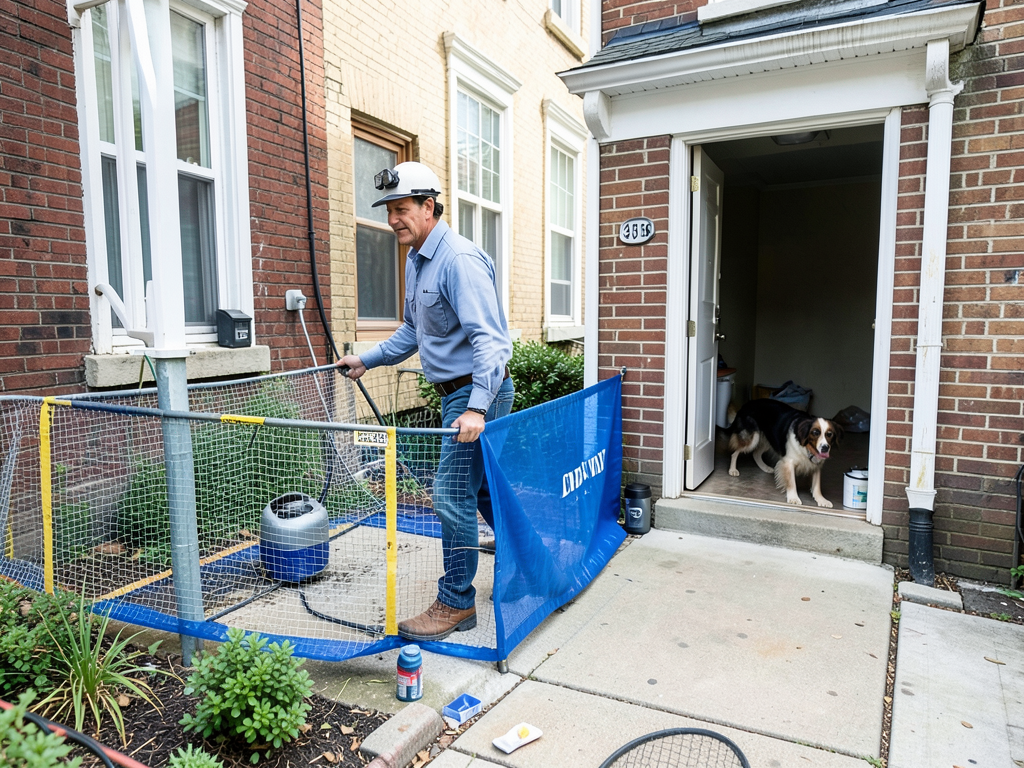
Keeping Your Pets Safe During a Water Damage Emergency and Cleanup in Your Philly Home
When water floods your Philadelphia home your first concern is usually the damage to floors walls and belongings. But if you have pets their safety becomes just as urgent. Industrial fans air scrubbers and chemical treatments create an environment that can harm animals in ways you might not expect. This guide explains how to keep your pets safe during every phase of restoration and where to find local help if you need it. Finding the Best Water Damage Restoration Company in Center City Without Getting Scammed.
Why Water Damage Restoration Poses Unique Risks to Pets
Philadelphia homes especially row houses and older buildings in neighborhoods like South Philly and Fishtown often have hidden hazards that become dangerous during water damage cleanup. Mold spores can multiply in 24 to 48 hours in our humid summer climate. Industrial drying equipment runs at high decibels that can cause acoustic stress in pets. Chemical antimicrobials used to treat contaminated water may contain ingredients that are safe for surfaces but toxic if inhaled or licked by animals. Water Damage Restoration Allentown.
Category 2 and 3 water damage gray or black water carries bacteria and pathogens that can cause secondary poisoning in pets. Even the physical setup of a restoration site with loose cords open access panels and unstable flooring creates trip and fall hazards for curious animals. Water Damage Restoration Reading.
Common Hazards During Restoration
Understanding what makes a restoration site dangerous helps you plan ahead. Here are the main risks:
Microscopic Dangers in Older Philly Homes
Many Philadelphia homes built before the 1980s contain lead paint and asbestos. When water damage occurs these materials can become airborne. Pets are closer to the ground than humans so they inhale more contaminated dust. HEPA air scrubbers help but they do not eliminate all risk during demolition or aggressive drying.
Chemical Risks From Restoration Treatments
EPA registered antimicrobials are standard in water damage restoration. Some contain quaternary ammonium compounds which can cause respiratory irritation in birds and cats. Dogs may develop skin reactions from direct contact. Always ask your restoration team for the Safety Data Sheets and confirm which products are pet safe.
Physical Hazards From Equipment and Debris
Industrial air movers create high velocity airflow that can blow lightweight objects into your pet’s path. Dehumidifiers have hot surfaces and electrical cords that can cause burns or shocks. Exposed subflooring nails and loose drywall create laceration risks. Even the plastic sheeting used for containment can become a suffocation hazard if chewed.
Phase Specific Safety Protocols
Different stages of restoration require different safety measures. Here is what to expect and how to protect your pets.
The Extraction Phase
During water removal large pumps and truck mounted extractors create intense noise and vibration. Pets may panic and try to hide or escape. Keep them in a quiet interior room with familiar bedding and close the door. Play white noise to mask the sound. If possible arrange for a friend or pet sitter to watch them off site.
The Drying Phase
Industrial air movers and dehumidifiers run 24 7 for several days. The constant airflow stirs up mold spores and construction dust. Small pets and animals with flat faces like bulldogs and Persian cats are especially vulnerable to respiratory distress. Consider boarding them at a local facility such as Ryan Hospital at the University of Pennsylvania or PA SPCA until drying is complete.
Reconstruction and Finishing
Sawdust paint fumes and adhesive vapors are common during rebuild. Even low VOC products can irritate sensitive pet lungs. Keep pets out of the home or seal them in a well ventilated room with an air purifier. Watch for signs of stress like excessive panting drooling or hiding.
The Stay or Go Decision Matrix
Deciding whether to keep pets at home or relocate them depends on several factors. Use this checklist to guide your choice.
Factors Favoring Relocation
- Restoration involves Category 2 or 3 water damage
- Your pet has a history of anxiety or respiratory issues
- The work zone covers more than half your home
- Neighbors report strong chemical odors
Factors Favoring Staying Home
- Only clean water is involved and drying is minimal
- You can create a sealed safe room with its own HVAC vent
- A friend or sitter can monitor the pet during noisy periods
- Your pet is geriatric and relocation would cause more stress
If you choose to keep pets at home create a pet proof safe zone. Use baby gates to block access to the work area. Remove all small objects that could be swallowed. Provide fresh water and a comfortable bed. Check on them every few hours.
Emergency Contacts for Philly Pet Owners
Having the right phone numbers ready can save precious time during a crisis. Keep this list visible near your phone or saved in your mobile contacts.
24/7 Emergency Veterinary Care
- Veterinary Specialty and Emergency Center (multiple locations including Levittown)
- University of Pennsylvania Ryan Hospital
- PA SPCA Emergency Service
Pet Poison Control
- ASPCA Animal Poison Control Center 888 426 4435
- Pet Poison Helpline 855 764 7661
Short Term Boarding Options
- PA SPCA
- University of Pennsylvania Veterinary Hospital
- PetSmart PetsHotel (multiple Philly locations)
Recognizing Signs of Distress in Pets
Even with precautions pets can show signs of stress or illness during restoration. Watch for these symptoms and seek veterinary care if they appear.
Respiratory Distress
- Rapid or labored breathing
- Noisy breathing or wheezing
- Blue or pale gums
Neurological Signs
- Tremors or seizures
- Disorientation or confusion
- Sudden aggression or fearfulness
Gastrointestinal Issues
- Vomiting or diarrhea
- Loss of appetite lasting more than 12 hours
- Excessive drooling
Creating a Pet Safe Restoration Plan
Before the restoration crew arrives prepare your home and your pets. Follow these steps to minimize risk.
Step One: Assess the Scope of Work
Ask your restoration company for a detailed work plan. Identify which rooms will be affected and for how long. This helps you decide whether to relocate pets or create a safe zone.
Step Two: Remove Pet Items From the Work Zone
Take away beds toys and food bowls from areas where work will occur. Even if you plan to keep pets elsewhere they may wander back and ingest contaminated items.
Step Three: Seal Off the Safe Zone
If pets stay home use plastic sheeting and painter’s tape to seal doorways. Place a HEPA air purifier inside the room. Provide fresh water and a litter box or potty pads.
Step Four: Communicate With the Restoration Team
Tell the crew about your pets and your safety plan. Ask them to store chemicals and equipment in a locked area when not in use. Request that they use pet safe antimicrobials if possible.
Local Building Codes and Restoration Standards
Philadelphia follows the Pennsylvania Uniform Construction Code which incorporates IICRC S500 standards for water damage restoration. These standards require containment barriers when Category 2 or 3 water is present. They also mandate the use of EPA registered antimicrobials and proper disposal of contaminated materials. Restoration companies must follow OSHA guidelines for worker safety which include protocols that also protect pets such as sealing off work zones and using proper ventilation.
Special Considerations for Different Pet Types
Not all pets react the same way to restoration hazards. Here is how to tailor your plan.
Dogs
Dogs are sensitive to noise and may bark or try to escape when stressed. Provide a crate with a cover in a quiet room. Exercise them before noisy work begins to reduce anxiety.
Cats
Cats hide when frightened and may wedge themselves in dangerous spots. Block off small spaces behind appliances or under beds. Use Feliway pheromone diffusers to calm them.
Birds
Birds have extremely sensitive respiratory systems. Even low levels of airborne irritants can cause fatal distress. Relocate birds to a friend’s home or a veterinary boarding facility for the duration of the project.
Small Mammals and Reptiles
Rabbits guinea pigs and reptiles can suffer heat stress from equipment. Keep their enclosures in a climate controlled room away from the work zone. Cover glass tanks to reduce visual stress.
Cost Factors to Consider
Pet safety measures can add to your restoration budget. Boarding fees range from $25 to $75 per night depending on the facility and your pet’s needs. HEPA air purifiers cost $100 to $300. Pet safe antimicrobials may cost slightly more than standard products but are worth the investment for peace of mind.
Long Term Prevention Tips
Once your home is restored take steps to prevent future water damage. Install a smart water leak detector near your water heater and washing machine. Clean your gutters twice a year to prevent overflow. Inspect your roof annually for missing shingles. These small investments can save you from another stressful restoration and keep your pets safe.
Frequently Asked Questions
How long should I keep my pets away from a restoration site?
Keep pets away until all equipment is removed and any chemical treatments have dried completely. This usually takes 24 to 72 hours after the final treatment. Ask your restoration company for a clearance certificate before allowing pets back in.
Are there pet safe antimicrobials for water damage?
Yes some EPA registered antimicrobials are formulated to be low odor and non toxic once dry. Ask your restoration company to use products with quaternary ammonium compounds in low concentrations or plant based alternatives. Always verify with the Safety Data Sheet.
Can mold exposure harm my pets?
Yes mold spores can cause respiratory irritation allergic reactions and in severe cases neurological symptoms in pets. Birds are especially vulnerable. Use HEPA filtration and keep pets out of affected areas until remediation is complete.
What should I do if my pet ingests a chemical during restoration?
Call your veterinarian or a pet poison control hotline immediately. Do not induce vomiting unless instructed. Have the product label ready so you can describe the ingredients. Quick action can prevent serious harm.
Conclusion
Water damage restoration in Philadelphia creates unique risks for pets from mold spores and chemical treatments to noise and physical hazards. By understanding these dangers planning ahead and using local emergency resources you can keep your animals safe during the process. If you are facing water damage and need help creating a pet safe restoration plan call (215) 610 8188 today to schedule your inspection. Your pets will thank you. Emergency Frozen Pipe Repair and Cleanup for West Philly Homeowners.
{
“@context”: “https://schema.org”,
“@type”: “BlogPosting”,
“headline”: “Keeping your pets safe during a water damage emergency and cleanup in your Philly home”,
“description”: “Protect your pets during water damage cleanup in Philadelphia. Learn about hazards from mold, chemicals, and equipment, plus local emergency resources.”,
“wordCount”: 1739,
“datePublished”: “2026-06-04T10:45:00.000Z”,
“dateModified”: “2026-06-04T10:45:00.000Z”,
“inLanguage”: “en-US”,
“mainEntityOfPage”: {
“@type”: “WebPage”,
“@id”: “https://reliancewaterdamagerestorationphiladelphia.com”
},
“publisher”: {
“@type”: “LocalBusiness”,
“name”: “Reliance Water Damage Restoration Philadelphia”,
“url”: “https://reliancewaterdamagerestorationphiladelphia.com”
},
“author”: {
“@type”: “Organization”,
“name”: “Reliance Water Damage Restoration Philadelphia”,
“url”: “https://reliancewaterdamagerestorationphiladelphia.com”
},
“image”: {
“@type”: “ImageObject”,
“url”: “https://reliancewaterdamagerestorationphiladelphia.com/wp-content/uploads/2026/03/keeping-your-pets-safe-during-a-water-damage-emerg-1.png”
}
}
{
“@context”: “https://schema.org”,
“@type”: “LocalBusiness”,
“name”: “Reliance Water Damage Restoration Philadelphia”,
“url”: “https://reliancewaterdamagerestorationphiladelphia.com”,
“address”: {
“@type”: “PostalAddress”,
“addressLocality”: “Philadelphia”
},
“areaServed”: {
“@type”: “City”,
“name”: “Philadelphia”
}
}
{
“@context”: “https://schema.org”,
“@type”: “FAQPage”,
“mainEntity”: [
{
“@type”: “Question”,
“name”: “How long should I keep my pets away from a restoration site?”,
“acceptedAnswer”: {
“@type”: “Answer”,
“text”: “Keep pets away until all equipment is removed and any chemical treatments have dried completely. This usually takes 24 to 72 hours after the final treatment. Ask your restoration company for a clearance certificate before allowing pets back in.”
}
},
{
“@type”: “Question”,
“name”: “Are there pet safe antimicrobials for water damage?”,
“acceptedAnswer”: {
“@type”: “Answer”,
“text”: “Yes some EPA registered antimicrobials are formulated to be low odor and non toxic once dry. Ask your restoration company to use products with quaternary ammonium compounds in low concentrations or plant based alternatives. Always verify with the Safety Data Sheet.”
}
},
{
“@type”: “Question”,
“name”: “Can mold exposure harm my pets?”,
“acceptedAnswer”: {
“@type”: “Answer”,
“text”: “Yes mold spores can cause respiratory irritation allergic reactions and in severe cases neurological symptoms in pets. Birds are especially vulnerable. Use HEPA filtration and keep pets out of affected areas until remediation is complete.”
}
},
{
“@type”: “Question”,
“name”: “What should I do if my pet ingests a chemical during restoration?”,
“acceptedAnswer”: {
“@type”: “Answer”,
“text”: “Call your veterinarian or a pet poison control hotline immediately. Do not induce vomiting unless instructed. Have the product label ready so you can describe the ingredients. Quick action can prevent serious harm.”
}
}
]
}
{
“@context”: “https://schema.org”,
“@type”: “BreadcrumbList”,
“itemListElement”: [
{
“@type”: “ListItem”,
“position”: 1,
“name”: “Home”,
“item”: “https://reliancewaterdamagerestorationphiladelphia.com”
},
{
“@type”: “ListItem”,
“position”: 2,
“name”: “Blog”,
“item”: “https://reliancewaterdamagerestorationphiladelphia.com/blog”
},
{
“@type”: “ListItem”,
“position”: 3,
“name”: “Keeping your pets safe during a water damage emergency and cleanup in your Philly home”
}
]
}
{
“@context”: “https://schema.org”,
“@type”: “Service”,
“serviceType”: “Water Damage Restoration”,
“provider”: {
“@type”: “LocalBusiness”,
“name”: “Reliance Water Damage Restoration Philadelphia”,
“url”: “https://reliancewaterdamagerestorationphiladelphia.com”
},
“areaServed”: {
“@type”: “City”,
“name”: “Philadelphia”
},
“description”: “Protect your pets during water damage cleanup in Philadelphia. Learn about hazards from mold, chemicals, and equipment, plus local emergency resources.”
}