
Knowing when to replace wet drywall or just dry it out in your Fairmount home
Water-damaged drywall creates an immediate dilemma for Philadelphia homeowners. The decision between replacement and restoration hinges on three critical factors: water category, exposure time, and moisture content readings. In Fairmount’s historic rowhomes, where shared walls and aging plumbing systems create unique vulnerabilities, making the right choice can save thousands while preventing future mold problems. Philadelphia Water Department combined sewer information.
Within 24 to 48 hours of water exposure, gypsum board begins absorbing moisture beyond its safe threshold. Once moisture content exceeds 16 percent, microbial growth becomes likely even if the surface appears dry. The Philadelphia region’s summer humidity accelerates this process, making rapid assessment essential for Fairmount residents dealing with burst pipes or roof leaks. Finding the Best Water Damage Restoration Company in Center City Without Getting Scammed.
The 24-Hour Rule: Why Time is the Deciding Factor
Gypsum board functions as a sponge once water contacts its paper facing. The material’s permeability rating of approximately 5.9 perms allows moisture migration through the core. In Fairmount’s older construction, many homes lack modern vapor barriers, creating direct pathways for water infiltration through brick party walls or shared plumbing chases. Water Damage Restoration Allentown.
Time becomes the enemy when water contacts drywall. Mold spores, which exist naturally in Philadelphia’s air, require only moisture and organic material to germinate. The critical window closes quickly: Category 1 clean water from a broken supply line remains salvageable if dried within 24 hours using industrial dehumidifiers and air movers. After 48 hours, even clean water transitions to Category 2, requiring antimicrobial treatment. Water Damage Restoration Reading.
Fairmount’s historic district presents unique challenges. Many homes built before 1950 contain plaster over wood lath rather than modern drywall. This older construction absorbs water differently, often requiring complete removal when saturated. The Philadelphia Historical Commission mandates specific preservation protocols for visible water damage in designated buildings, affecting restoration decisions.
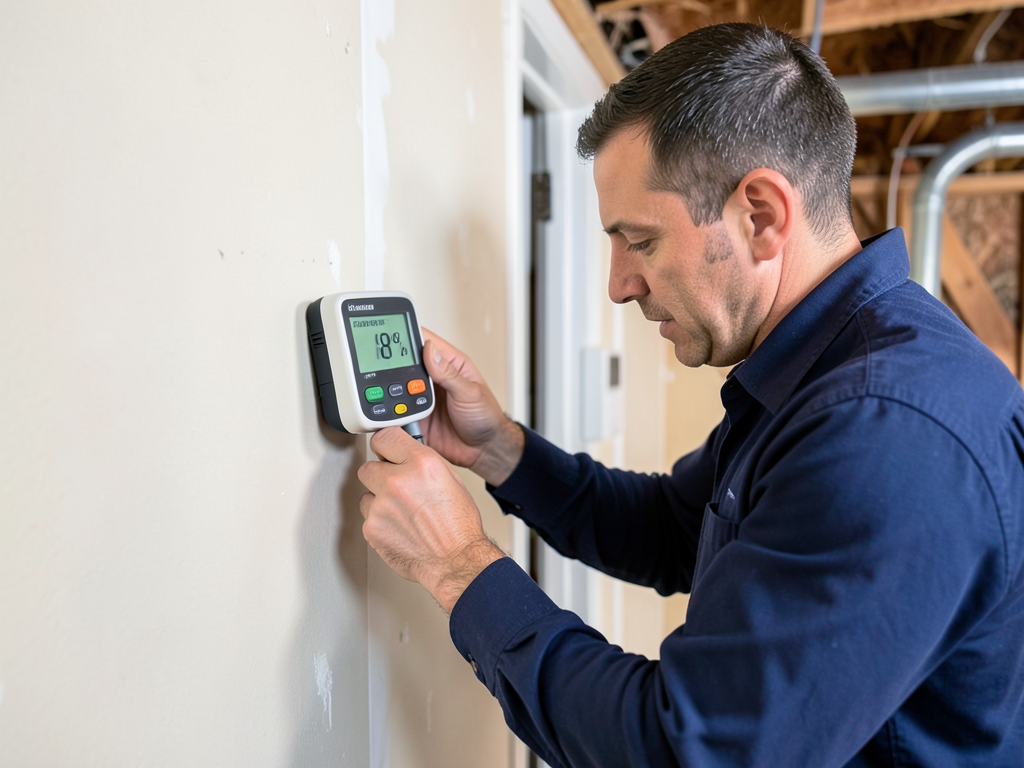
Image description: Moisture meter technician measuring wall cavity humidity levels in a Fairmount rowhome basement, showing digital display reading 18% moisture content.
The Three Categories of Water (IICRC Standards)
The Institute of Inspection Cleaning and Restoration Certification establishes clear guidelines for water damage classification. Category 1 water originates from clean sources like broken pipes or rainwater. Category 2 contains significant contamination from dishwasher overflow or washing machine discharge. Category 3 represents grossly contaminated water including sewage, flooding from rivers, or water containing toxic materials.
Philadelphia’s combined sewer system creates particular risks for Fairmount residents. During heavy rainfall, the city’s aging infrastructure can cause backups through floor drains, instantly elevating clean water incidents to Category 3 contamination. The Philadelphia Water Department reports that combined sewer overflows affect approximately 60 percent of the city’s collection system during major storms.. Read more about How to keep your Chestnut Hill shop running during a water damage emergency.
Category 3 water mandates complete drywall removal regardless of exposure time. The IICRC S500 Standard for Professional Water Damage Restoration requires removal and disposal of all affected gypsum board, insulation, and any materials that contacted black water. This standard applies even if the water only wicked up two feet from the floor, as contamination spreads through capillary action. IICRC S500 Standard for Professional Water Damage Restoration.
Category 2 water presents a judgment call. If exposure remains under 24 hours and contamination levels stay low, professional drying with antimicrobial treatment may suffice. However, Fairmount’s older homes often contain lead paint and asbestos in wall cavities, complicating drying efforts and sometimes making removal the safer option.
Professional Drying Techniques vs. DIY Methods
Successful drywall restoration requires industrial-grade equipment unavailable to homeowners. Professional water restoration companies deploy desiccant dehumidifiers capable of removing 20 to 40 gallons of water per day from affected materials. These units maintain relative humidity below 40 percent, creating conditions that prevent mold growth while extracting moisture from gypsum cores. How Manayunk Homeowners Can Recover Fast After Schuylkill River Flooding.
Air movers create the critical airflow patterns necessary for rapid drying. Standard box fans move approximately 1,700 cubic feet per minute, while professional-grade air movers achieve 3,000 to 4,000 CFM. This increased velocity accelerates evaporation from wall cavities, reducing drying time from weeks to days. In Fairmount’s humid summer conditions, this difference proves crucial for preventing secondary damage.
Moisture mapping technology guides restoration decisions. Technicians use penetrating moisture meters to test wall cavities at multiple depths. Readings above 16 percent moisture content indicate materials require further drying or removal. Non-penetrating meters provide surface readings but cannot detect moisture trapped behind vapor barriers or within insulation.. Read more about Should you replace or dry out wet insulation in your Ambler attic?.
The screwdriver test serves as a quick diagnostic tool. If a standard screwdriver penetrates drywall easily or leaves a depression, the gypsum has lost structural integrity and requires replacement. This simple test helps homeowners make initial assessments before professional evaluation arrives.
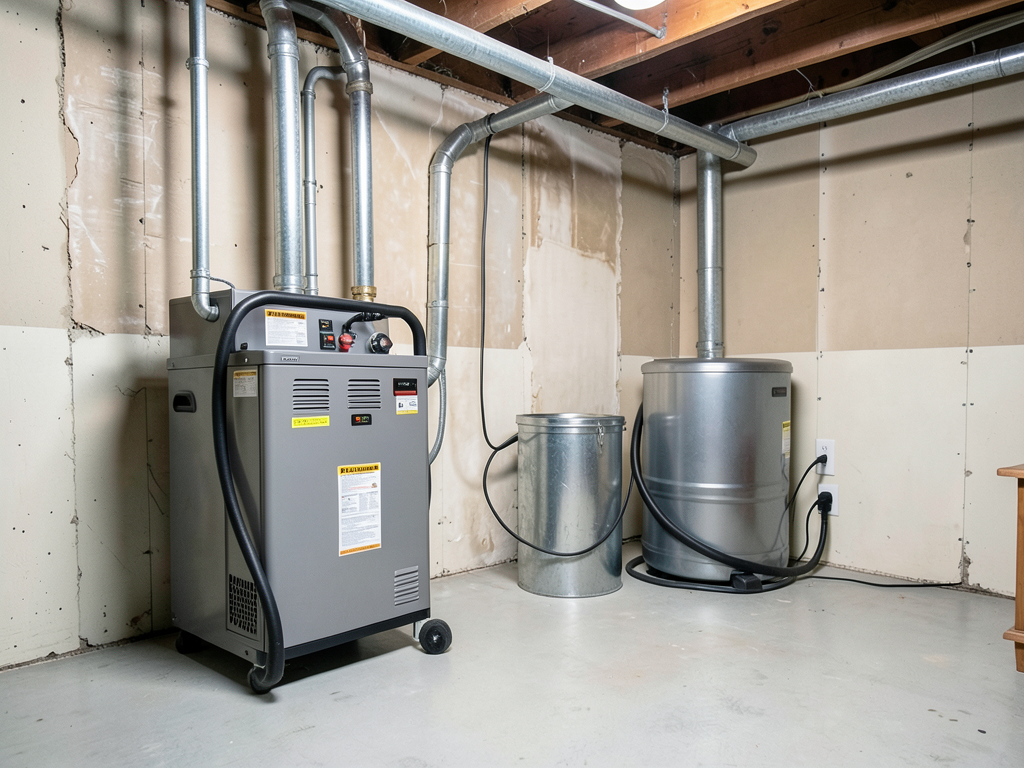
Image description: Industrial dehumidifier and air mover setup in a Fairmount basement showing moisture removal equipment configuration for optimal wall cavity drying.
Cost Analysis: Restoration vs. Reconstruction in Philadelphia
Professional drying services for water-damaged drywall typically cost between $3 to $5 per square foot in the Philadelphia area. This includes equipment setup, monitoring, and antimicrobial treatment. A standard 12×12 foot room containing 432 square feet of wall surface would cost approximately $1,300 to $2,100 to dry professionally.
Complete drywall replacement involves demolition, disposal, hanging new sheets, taping, mudding, and painting. Material costs average $1.50 to $2.00 per square foot, while labor adds $2.00 to $3.50 per square foot. For the same 432 square foot room, replacement costs range from $1,600 to $2,700, not including painting or ceiling work.
Hidden costs often make restoration the better financial choice. Demolition generates significant debris requiring dumpster rental and disposal fees. Older homes frequently contain hazardous materials requiring specialized abatement. Insurance companies typically prefer restoration over replacement, as it maintains the home’s pre-loss condition while reducing claim costs.
Fairmount’s historic character adds complexity to replacement decisions. The Philadelphia Historical Commission may require approval for exterior modifications, and replacement materials must match existing profiles. Restoration preserves original materials, avoiding potential compliance issues with preservation guidelines.
The ‘Philadelphia Factor’: Rowhomes and Shared Walls
Fairmount’s rowhome architecture creates interconnected vulnerabilities. Water damage in one unit often affects adjacent properties through shared party walls. These brick walls, typically 8 to 12 inches thick, can wick moisture horizontally for dozens of feet, creating hidden damage that appears in seemingly unrelated areas.
Philadelphia’s building code requires fire blocking in wall cavities, which also affects water migration patterns. These horizontal blocking members create moisture dams, causing water to travel upward or laterally rather than draining freely. Professional moisture mapping must account for these structural elements when determining damage extent.. Read more about Why your attic HVAC drain line is leaking through the ceiling of your Wynnefield home.
The city’s climate exacerbates drying challenges. Philadelphia experiences approximately 41 inches of annual rainfall, with summer humidity levels often exceeding 85 percent. These conditions slow natural evaporation, making professional dehumidification essential for successful restoration. Fairmount’s elevation near the Schuylkill River also means higher groundwater tables, increasing basement moisture risks.
Insurance considerations vary by damage source. Sudden pipe bursts typically receive full coverage, while gradual leaks from aging plumbing may face coverage limitations. Philadelphia homeowners should document damage thoroughly and contact insurance providers immediately after discovering water intrusion.
Moisture Content Testing: The Scientific Approach
Professional restoration relies on quantitative moisture measurements rather than visual assessment. Penetrating moisture meters use electrical resistance to determine water content within materials. Drywall registers readings below 12 percent, while readings above 16 percent indicate problematic moisture levels requiring intervention.
Thermo-hygrometers measure ambient conditions affecting drying progress. These devices track temperature, relative humidity, and dew point, allowing technicians to adjust equipment placement for optimal results. Fairmount’s summer conditions often require supplemental heating to maintain drying chamber temperatures between 70 and 90 degrees Fahrenheit.
Infrared cameras detect temperature variations indicating moisture presence. Wet materials appear cooler than surrounding dry areas due to evaporative cooling. This technology identifies hidden moisture pockets behind cabinets, in wall cavities, or under flooring without destructive testing.. Read more about What you need to know about wet vinyl floor tiles and asbestos in your older Oxford Circle home.
Daily monitoring documents drying progress. Technicians record moisture readings from multiple locations, tracking reduction rates to ensure materials reach safe levels before equipment removal. This documentation proves essential for insurance claims and quality assurance.
Image description: Technician using infrared camera to scan walls for hidden moisture in a Fairmount rowhome showing temperature variations in wall cavities.
Making the Final Decision: A Practical Framework
Start with water category assessment. Category 3 contamination requires immediate removal regardless of other factors. For Category 1 or 2 water, measure exposure time. Damage under 24 hours with moisture content below 16 percent typically permits restoration. Between 24 and 48 hours requires professional evaluation weighing contamination risks against restoration feasibility.
Consider structural factors. If drywall shows signs of sagging, warping, or crumbling, replacement becomes necessary regardless of moisture readings. The material’s paper facing provides strength, and once this delaminates, the gypsum core cannot support itself.
Evaluate contamination risks. Fairmount’s older homes may contain lead paint, asbestos, or other hazardous materials. Professional testing becomes essential when these materials might be disturbed during restoration. The cost of testing often proves less than the liability of improper handling.
Factor in future plans. If planning renovations within the next year, complete replacement during the water damage event may prove more economical than restoring materials that will be removed anyway. However, if preserving historic character matters, restoration maintains original materials and craftsmanship.
Consult professionals early. Water damage restoration companies provide free evaluations and can often determine salvageability within hours of arrival. Their expertise prevents costly mistakes and ensures proper drying protocols protect your home’s structural integrity.
Preventing Future Water Damage in Fairmount Homes
Regular plumbing inspections identify potential failure points before catastrophic leaks occur. Philadelphia’s aging infrastructure means many Fairmount homes contain galvanized steel pipes nearing the end of their 50 to 70 year lifespan. Annual inspections by licensed plumbers can detect corrosion, pressure issues, or failing joints.
Roof maintenance prevents one of the most common water damage sources. Missing shingles, deteriorated flashing, or clogged gutters allow water infiltration during Philadelphia’s frequent storms. Professional roof inspections every two to three years identify problems before they cause interior damage.
Appliance maintenance reduces failure risks. Washing machine hoses should be replaced every five years, while water heater tanks typically last 8 to 12 years. Installing water alarm sensors near high-risk appliances provides early warning of developing leaks.
Consider whole-home water monitoring systems. These devices detect unusual water flow patterns and can automatically shut off supply lines when leaks occur. While representing an upfront investment, they prevent the thousands in damage that even small leaks can cause over time.. Read more about Dealing with the thousands of gallons of water left by fire hoses in a West Oak Lane home.
Fairmount residents should also prepare for Philadelphia’s seasonal challenges. Winter freeze-thaw cycles stress plumbing systems, while summer humidity creates ideal conditions for mold growth in any moisture present. Understanding these local factors helps homeowners take appropriate preventive measures.
Insurance and Documentation Best Practices
Document damage thoroughly before beginning any cleanup. Photos and videos showing the extent of water intrusion provide essential evidence for insurance claims. Capture multiple angles, including close-ups of affected materials and wider shots showing the overall scope.
Maintain records of all communications with insurance providers. Note dates, times, representative names, and conversation summaries. This documentation proves valuable if coverage disputes arise later in the claims process.
Understand your policy’s specific coverage limitations. Many Philadelphia homeowners policies exclude flood damage, requiring separate coverage through the National Flood Insurance Program. Others limit coverage for gradual damage or maintenance-related issues.
Work with restoration companies experienced in insurance coordination. Professional water damage firms understand documentation requirements and can provide the technical reports insurance adjusters need to process claims efficiently.
Keep receipts for all emergency measures taken to prevent further damage. This includes costs for temporary repairs, equipment rentals, or professional services. Most policies cover these reasonable expenses when properly documented. Emergency Frozen Pipe Repair and Cleanup for West Philly Homeowners.
Frequently Asked Questions
How long can wet drywall sit before mold grows?
Mold can begin growing within 24 to 48 hours of water exposure, depending on temperature and humidity conditions. Philadelphia’s summer climate accelerates this process, making rapid response essential for preventing mold growth in water-damaged drywall.
Can I dry wet drywall with fans and dehumidifiers myself?
DIY drying may work for very minor water exposure to clean water within the first 12 hours. However, professional equipment achieves moisture removal rates 5 to 10 times faster than consumer-grade tools. Without proper monitoring, DIY efforts often leave hidden moisture that causes future problems.
Does wet drywall always need to be replaced?
No, wet drywall does not always require replacement. Clean water exposure under 24 hours with moisture content below 16 percent can often be successfully dried and restored. The water category, exposure time, and contamination risks determine the appropriate restoration approach.
How much does it cost to dry wet drywall professionally?
Professional drying services in Philadelphia typically cost $3 to $5 per square foot of affected wall area. This includes equipment setup, monitoring, and antimicrobial treatment. A standard room might cost $1,300 to $2,100 to dry professionally versus $1,600 to $2,700 for complete replacement.
What are the signs that wet drywall needs replacement?
Signs requiring replacement include moisture content above 16 percent, structural sagging or warping, Category 3 water contamination, exposure exceeding 48 hours, or visible mold growth. The screwdriver test also helps: if the tool penetrates easily or leaves a depression, the material has lost structural integrity.
Should I call a professional for water-damaged drywall?
Yes, you should call a professional immediately when water damages drywall. Professionals can assess damage within hours, prevent mold growth, and determine the most cost-effective restoration approach. Early intervention typically saves thousands compared to delayed response requiring extensive replacement.
How do I know if water got behind my walls?
Signs of water behind walls include bubbling paint, soft spots when pressed, musty odors, visible mold growth, or moisture readings above normal levels. Professional moisture meters and infrared cameras can detect hidden moisture without destructive testing.
Conclusion
Water-damaged drywall in Fairmount homes requires careful evaluation based on contamination category, exposure time, and moisture content. Clean water incidents under 24 hours often permit successful restoration, while contaminated water or extended exposure mandates replacement. Philadelphia’s unique climate and historic architecture create specific challenges that affect restoration decisions.
The cost difference between drying and replacement can be substantial, but making the wrong choice often proves more expensive long-term. Hidden moisture leads to mold growth, structural damage, and potential health hazards that far exceed initial restoration costs.
Don’t let water damage compromise your Fairmount home’s safety and value. Call (215) 610-8188 today to schedule your inspection. Our IICRC-certified technicians provide 24/7 emergency response throughout Philadelphia, using professional equipment and proven protocols to restore your property to pre-loss condition. Whether you need rapid drying or complete replacement, we’ll help you make the right decision for your specific situation.
Pick up the phone and call (215) 610-8188 before the next storm hits. Fairmount’s historic character deserves expert care, and your family deserves a safe, dry home. We’re ready to respond whenever water threatens your property.
{
“@context”: “https://schema.org”,
“@type”: “BlogPosting”,
“headline”: “Knowing when to replace wet drywall or just dry it out in your Fairmount home”,
“description”: “Learn the critical factors that determine if your Fairmount drywall needs replacement or can be saved. IICRC standards, moisture testing, and local Philadelphia conditions explained.”,
“wordCount”: 2492,
“datePublished”: “2026-05-08T13:37:00.000Z”,
“dateModified”: “2026-05-08T13:37:00.000Z”,
“inLanguage”: “en-US”,
“mainEntityOfPage”: {
“@type”: “WebPage”,
“@id”: “https://reliancewaterdamagerestorationphiladelphia.com”
},
“publisher”: {
“@type”: “LocalBusiness”,
“name”: “Reliance Water Damage Restoration Philadelphia”,
“url”: “https://reliancewaterdamagerestorationphiladelphia.com”
},
“author”: {
“@type”: “Organization”,
“name”: “Reliance Water Damage Restoration Philadelphia”,
“url”: “https://reliancewaterdamagerestorationphiladelphia.com”
},
“image”: {
“@type”: “ImageObject”,
“url”: “https://reliancewaterdamagerestorationphiladelphia.com/wp-content/uploads/2026/03/knowing-when-to-replace-wet-drywall-or-just-dry-it-1.png”
}
}
{
“@context”: “https://schema.org”,
“@type”: “LocalBusiness”,
“name”: “Reliance Water Damage Restoration Philadelphia”,
“url”: “https://reliancewaterdamagerestorationphiladelphia.com”,
“address”: {
“@type”: “PostalAddress”,
“addressLocality”: “Philadelphia”
},
“areaServed”: {
“@type”: “City”,
“name”: “Philadelphia”
}
}
{
“@context”: “https://schema.org”,
“@type”: “FAQPage”,
“mainEntity”: [
{
“@type”: “Question”,
“name”: “How long can wet drywall sit before mold grows?”,
“acceptedAnswer”: {
“@type”: “Answer”,
“text”: “Mold can begin growing within 24 to 48 hours of water exposure, depending on temperature and humidity conditions. Philadelphia’s summer climate accelerates this process, making rapid response essential for preventing mold growth in water-damaged drywall.”
}
},
{
“@type”: “Question”,
“name”: “Can I dry wet drywall with fans and dehumidifiers myself?”,
“acceptedAnswer”: {
“@type”: “Answer”,
“text”: “DIY drying may work for very minor water exposure to clean water within the first 12 hours. However, professional equipment achieves moisture removal rates 5 to 10 times faster than consumer-grade tools. Without proper monitoring, DIY efforts often leave hidden moisture that causes future problems.”
}
},
{
“@type”: “Question”,
“name”: “Does wet drywall always need to be replaced?”,
“acceptedAnswer”: {
“@type”: “Answer”,
“text”: “No, wet drywall does not always require replacement. Clean water exposure under 24 hours with moisture content below 16 percent can often be successfully dried and restored. The water category, exposure time, and contamination risks determine the appropriate restoration approach.”
}
},
{
“@type”: “Question”,
“name”: “How much does it cost to dry wet drywall professionally?”,
“acceptedAnswer”: {
“@type”: “Answer”,
“text”: “Professional drying services in Philadelphia typically cost $3 to $5 per square foot of affected wall area. This includes equipment setup, monitoring, and antimicrobial treatment. A standard room might cost $1,300 to $2,100 to dry professionally versus $1,600 to $2,700 for complete replacement.”
}
},
{
“@type”: “Question”,
“name”: “What are the signs that wet drywall needs replacement?”,
“acceptedAnswer”: {
“@type”: “Answer”,
“text”: “Signs requiring replacement include moisture content above 16 percent, structural sagging or warping, Category 3 water contamination, exposure exceeding 48 hours, or visible mold growth. The screwdriver test also helps: if the tool penetrates easily or leaves a depression, the material has lost structural integrity.”
}
},
{
“@type”: “Question”,
“name”: “Should I call a professional for water-damaged drywall?”,
“acceptedAnswer”: {
“@type”: “Answer”,
“text”: “Yes, you should call a professional immediately when water damages drywall. Professionals can assess damage within hours, prevent mold growth, and determine the most cost-effective restoration approach. Early intervention typically saves thousands compared to delayed response requiring extensive replacement.”
}
},
{
“@type”: “Question”,
“name”: “How do I know if water got behind my walls?”,
“acceptedAnswer”: {
“@type”: “Answer”,
“text”: “Signs of water behind walls include bubbling paint, soft spots when pressed, musty odors, visible mold growth, or moisture readings above normal levels. Professional moisture meters and infrared cameras can detect hidden moisture without destructive testing.”
}
}
]
}
{
“@context”: “https://schema.org”,
“@type”: “BreadcrumbList”,
“itemListElement”: [
{
“@type”: “ListItem”,
“position”: 1,
“name”: “Home”,
“item”: “https://reliancewaterdamagerestorationphiladelphia.com”
},
{
“@type”: “ListItem”,
“position”: 2,
“name”: “Blog”,
“item”: “https://reliancewaterdamagerestorationphiladelphia.com/blog”
},
{
“@type”: “ListItem”,
“position”: 3,
“name”: “Knowing when to replace wet drywall or just dry it out in your Fairmount home”
}
]
}
{
“@context”: “https://schema.org”,
“@type”: “Service”,
“serviceType”: “Water Damage Restoration”,
“provider”: {
“@type”: “LocalBusiness”,
“name”: “Reliance Water Damage Restoration Philadelphia”,
“url”: “https://reliancewaterdamagerestorationphiladelphia.com”
},
“areaServed”: {
“@type”: “City”,
“name”: “Philadelphia”
},
“description”: “Learn the critical factors that determine if your Fairmount drywall needs replacement or can be saved. IICRC standards, moisture testing, and local Philadelphia conditions explained.”
}