
What to Do When Your South Philly Rowhome Basement Floods Overnight
A flooded basement in your South Philadelphia rowhome is more than a mess—it’s a race against time. Old cast-iron pipes, combined sewer overflows, and aging foundations make South Philly basements especially vulnerable when heavy rain hits. The water you see is just the beginning; hidden moisture can destroy walls, trigger mold growth within 24-48 hours, and compromise your home’s structural integrity.. Read more about Permanent Solutions for Damp Basements in South Philadelphia.
Every minute counts. The first 60 minutes after discovering standing water are critical for preventing permanent damage. While you wait for professional help, knowing exactly what to do—and what not to do—can save you thousands in restoration costs and protect your family’s health.. Read more about Commercial Water Damage Restoration for Businesses in the Navy Yard.
Immediate Steps to Take When Your Basement Floods
Before you do anything else, prioritize safety. Water and electricity create a lethal combination, especially in older South Philly homes where electrical panels may be outdated. If you can safely reach your breaker box without stepping in water, shut off power to the affected area immediately.
Never enter standing water if you can’t confirm the power is off. Many South Philly basements have gas lines running through them—even a small spark can create an explosion risk. If you smell gas or see visible structural damage, evacuate immediately and call emergency services.
Once safety is secured, your next priority is stopping the water source if possible. For plumbing failures, locate your main water shutoff valve—typically found in the front basement wall near the street side in rowhomes. Turn it clockwise until it stops. For sewer backups, the problem is municipal; attempting to drain water back into overwhelmed city lines will only make things worse.
Document everything before cleanup begins. Use your phone to photograph standing water levels, damaged items, and the source if visible. These images are crucial for insurance claims and help restoration professionals assess the situation before arrival.
Remove valuable items from the affected area if you can do so safely. Water wicks up through porous materials like cardboard, paper, and fabric within hours. Elevate furniture on blocks or remove it entirely if the flooding is shallow. Electronics and important documents should be your top priority—once water damage sets in, recovery becomes much more difficult.
Open windows and doors if weather permits. Philadelphia’s humid summer air actually helps with initial ventilation, though professional dehumidification is still essential. Avoid using household fans, as they can spread contaminated water droplets throughout your home.
Now call for professional help. South Philly’s rowhome basements require specialized equipment and expertise that goes beyond what’s available at hardware stores. The unique construction—shared walls, narrow staircases, and often no exterior access—means standard water extraction methods won’t work effectively.
Understanding South Philly Basement Vulnerabilities
Philadelphia’s combined sewer system, where stormwater and sewage share the same pipes, creates unique flooding risks. During heavy rainfall, the system can back up into basements through floor drains, toilets, and even foundation cracks. This isn’t just water—it’s Category 3 contamination containing bacteria, viruses, and other pathogens.
Many South Philly rowhomes were built before modern building codes existed. Their foundations often lack proper waterproofing, and the shared plumbing walls between connected homes mean a problem in one house can affect several neighbors. The narrow basement stairs typical of rowhomes also make emergency access difficult for equipment.
The soil composition in South Philadelphia—primarily clay-heavy with poor drainage—exacerbates flooding issues. When saturated, this soil expands and creates hydrostatic pressure against basement walls, forcing water through even tiny cracks. Combined with the area’s average annual rainfall of over 40 inches, these conditions create a perfect storm for basement flooding.
Older cast-iron plumbing pipes, common in South Philly homes built before the 1960s, corrode from the inside out. They can fail suddenly without warning, releasing hundreds of gallons before you realize there’s a problem. The shared nature of rowhome plumbing means one failed connection can flood multiple basements simultaneously.
Philadelphia’s building code requires specific flood mitigation measures for new construction, but most South Philly rowhomes predate these requirements. Without proper sump pumps, backflow preventers, or waterproof membranes, these basements remain vulnerable to even moderate rainfall events.
The Professional Restoration Process
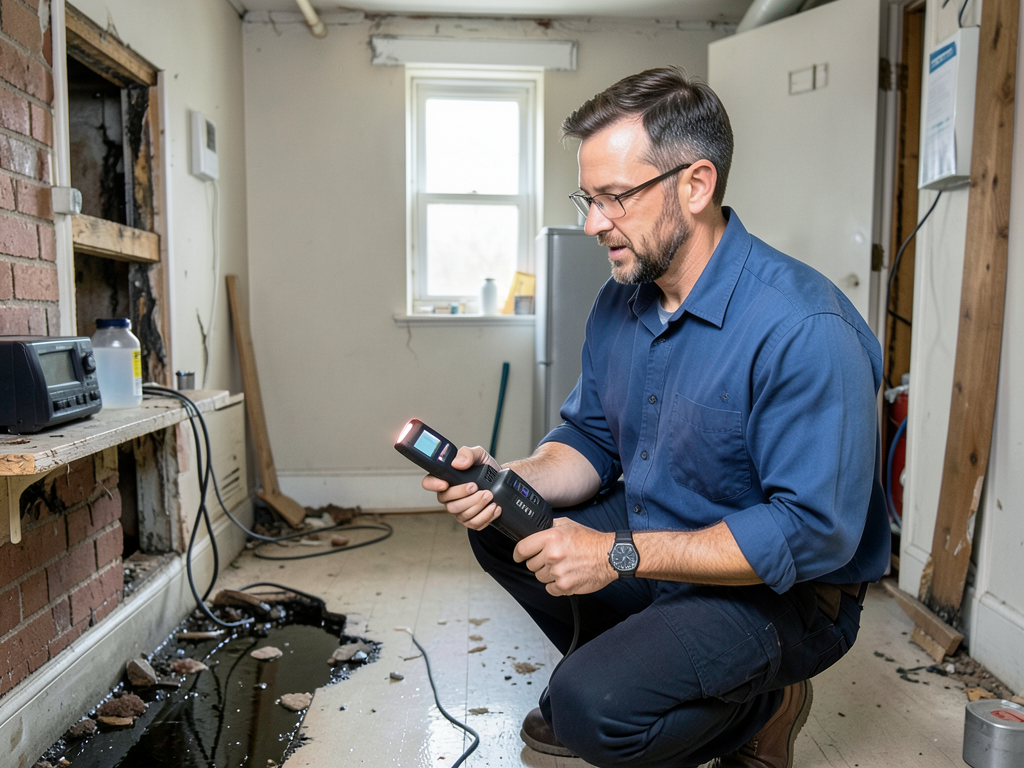
When our team arrives, we begin with a comprehensive assessment using moisture meters and thermal imaging cameras. These tools detect hidden water in walls, under flooring, and in ceiling cavities—areas you can’t see but where damage is occurring. We follow IICRC S500 standards for water damage restoration, ensuring every step meets industry best practices. IICRC certification standards.
Water extraction is our first priority. For South Philly basements, we use submersible pumps for deep flooding and truck-mounted extraction units for faster removal. The narrow staircases mean we often need to carry equipment through the house, requiring extra care to protect your property during the process.
Once standing water is removed, we deploy commercial-grade dehumidifiers and air movers. These aren’t your standard hardware store units—our equipment can remove up to 30 gallons of moisture per day from the air, preventing secondary damage and mold growth. We monitor humidity levels continuously, aiming for below 40% relative humidity.
Sanitization follows extraction. Category 3 water requires antimicrobial treatments that kill bacteria and prevent mold spores from taking hold. We use EPA-registered disinfectants specifically formulated for sewage contamination. This step is non-negotiable—skipping it can lead to serious health issues months later. EPA mold guidelines.
Structural drying involves removing damaged materials that can’t be salvaged. In South Philly rowhomes, this often means sections of drywall, insulation, and sometimes flooring. We cut materials at the precise moisture content threshold to prevent unnecessary demolition while ensuring complete drying.
Throughout the process, we maintain detailed documentation for your insurance claim. This includes moisture readings, photographs, and a complete inventory of damaged items. We work directly with insurance adjusters to streamline your claim and get you back to normal as quickly as possible.
Common Causes of South Philly Basement Flooding
Plumbing failures top the list of causes. Burst pipes, failed water heaters, and washing machine hose ruptures can release thousands of gallons before you notice. In rowhomes, a problem on one side of the wall can affect the entire connected structure.
Sewer backups occur when Philadelphia’s combined system becomes overwhelmed. During heavy storms, water backs up through floor drains and toilets, bringing contaminated water into your basement. This is especially common in low-lying areas near the Schuylkill and Delaware rivers.
Foundation cracks develop over time as soil expands and contracts with moisture changes. Even hairline cracks can allow significant water intrusion during heavy rains. South Philly’s clay soil is particularly problematic, as it retains water and creates pressure against foundation walls.
Window well flooding happens when exterior drainage fails. Many South Philly basements have small windows at or below ground level. Without proper drainage, rainwater collects in these wells and seeps through window frames into the basement.
Sump pump failures leave basements vulnerable when they need protection most. Power outages during storms render electric pumps useless. Even working pumps can be overwhelmed by the volume of water during severe weather events common to Philadelphia.
Roof drainage issues affect basements more than you might expect. Clogged gutters and downspouts cause water to pool around foundation walls. In South Philly’s rowhome configuration, water from multiple roofs can concentrate in small areas, overwhelming drainage systems.
Insurance and Philadelphia Water Department Resources
Most standard homeowners insurance policies cover sudden water damage from plumbing failures but exclude groundwater flooding and sewer backups. Philadelphia Water Department (PWD) offers a Basement Protection Program that provides free backflow preventers to qualifying residents. This device can prevent many sewer backup situations.
When filing an insurance claim, documentation is everything. Take photos before cleanup, keep all receipts, and maintain a detailed inventory of damaged items. Our team can provide the technical documentation insurance companies require, including moisture readings and professional assessments.
PWD also offers resources for flood-prone areas, including drainage improvement programs and flood mitigation grants. While these programs have waiting lists, they can provide significant protection for vulnerable properties in the long term.
For severe flooding events, Philadelphia may declare a disaster area, opening up additional assistance programs through FEMA. Keep documentation of all damages even if immediate help isn’t available—reimbursement programs can take months to process.
Working with a restoration company that understands local insurance requirements can make the claims process much smoother. We know what documentation Philadelphia-area adjusters expect and can communicate effectively with them on your behalf.
Preventing Future Basement Flooding
Install a battery backup sump pump system. During Philadelphia’s frequent thunderstorms, power outages often coincide with heavy rainfall—exactly when you need pumping capacity most. A battery backup ensures continuous protection even during extended outages.
Consider a backwater valve installation. This one-way valve prevents sewage from backing up through your floor drains during combined sewer overflows. While not foolproof, it significantly reduces the risk of Category 3 contamination in your basement.
Maintain your gutters and downspouts religiously. Clean them at least twice yearly, and ensure downspouts direct water at least six feet away from your foundation. In South Philly’s rowhome configuration, coordinating with neighbors on drainage improvements can provide mutual benefit.
Inspect your foundation annually for new cracks or signs of water intrusion. Even small changes can indicate developing problems. Early detection allows for preventive repairs before major flooding occurs.
Replace old plumbing before it fails. If your home still has original cast-iron pipes, consider proactive replacement. The cost of prevention is far less than emergency restoration after a major failure.
Consider professional waterproofing for your basement. Modern techniques include interior drainage systems, exterior waterproofing membranes, and improved vapor barriers. While expensive, these systems can prevent the most common causes of basement flooding.
Health and Safety Considerations
Category 3 water contamination poses serious health risks. Sewage contains bacteria like E. coli, Salmonella, and various parasites that can cause severe illness. Even brief exposure can lead to infections, especially for children, elderly individuals, and those with compromised immune systems.
Mold begins growing within 24-48 hours of water exposure. South Philly’s humid climate accelerates this process. Once established, mold can spread through your entire home via HVAC systems, causing respiratory issues and allergic reactions.
Structural damage may not be immediately visible. Water weakens wooden support structures, corrodes metal fasteners, and compromises drywall integrity. What looks like minor damage today can become a major safety hazard tomorrow.
Electrical hazards persist long after water recedes. Corrosion can develop in outlets, switches, and wiring, creating fire risks that may not manifest for months. Professional inspection is essential before restoring power to flooded areas.
Emotional stress from flooding events is real and significant. The disruption to your home, concerns about health risks, and financial uncertainty can take a toll. Professional restoration services handle not just the physical damage but also help you navigate the recovery process.
Why Choose Professional Restoration
Professional restoration isn’t just about removing water—it’s about preventing the cascade of problems that follow flooding. Our team understands South Philly’s unique construction challenges and has the equipment to handle them effectively. We work within the constraints of rowhome basements while delivering comprehensive restoration.
We provide 24/7 emergency response because flooding doesn’t wait for business hours. Our average response time in South Philadelphia is under 45 minutes, ensuring we can begin mitigation before secondary damage occurs.
Our technicians are IICRC-certified and trained in the latest restoration techniques. We use commercial-grade equipment that achieves results impossible with consumer-grade tools. More importantly, we understand the science behind water damage and can ensure complete drying and sanitization.
We handle the insurance process from start to finish. Our documentation meets insurance company requirements, and we communicate directly with adjusters to streamline your claim. This allows you to focus on your family while we handle the technical details.
Most importantly, we provide peace of mind during a stressful situation. We explain every step of the process, answer your questions honestly, and work to restore not just your property but your sense of security.
Frequently Asked Questions
How much does basement flood cleanup cost?
Costs vary based on water volume, contamination level, and damage extent. Category 1 clean water from a broken supply line costs significantly less than Category 3 sewage backup. Most homeowners insurance covers sudden, accidental damage but may exclude groundwater flooding. We provide detailed estimates after our initial assessment.
How long does the restoration process take?
Water extraction typically takes 4-8 hours. Complete drying requires 3-5 days with commercial equipment. The total restoration timeline depends on damage extent, ranging from a few days for minor incidents to several weeks for extensive damage requiring reconstruction.
Can I clean up the water myself?
For clean water incidents under 10 square feet, DIY cleanup might be possible. However, South Philly basements often involve contaminated water or hidden moisture in walls and floors. Professional equipment and expertise are essential for complete drying and preventing mold growth.
What should I do if I discover flooding at night?
Safety first—shut off power if possible, then call for emergency service immediately. Most restoration companies offer 24/7 response. While waiting, document damage with photos and remove valuable items if safe to do so. Avoid using household fans or attempting extensive cleanup yourself.
Will my insurance cover the damage?
Coverage depends on your policy and the water source. Sudden plumbing failures are typically covered, while groundwater flooding and sewer backups often require additional endorsements. We can help you understand your coverage and provide the documentation your insurance company needs.
Take Action Now
Standing water in your South Philly basement isn’t just an inconvenience—it’s an emergency that requires immediate professional attention. Every hour you wait allows water to spread deeper into your home’s structure, increases mold growth risk, and compounds the damage.
Don’t risk your family’s health or your home’s integrity by attempting DIY cleanup. Professional restoration ensures complete water removal, proper sanitization, and thorough drying to prevent future problems. We understand the unique challenges of South Philly rowhome basements and have the equipment and expertise to handle them effectively.
Call (215) 610-8188 now for 24/7 emergency response. Our team is ready to help you through this crisis and restore your home to its pre-flood condition. When your basement floods, we’re the professionals you can count on to be there when you need us most.
Pick up the phone and call (215) 610-8188 before the next storm hits. A quick call today could prevent a major disaster tomorrow. Your home deserves professional protection, and your family deserves peace of mind.
{
“@context”: “https://schema.org”,
“@type”: “BlogPosting”,
“headline”: “What to Do When Your South Philly Rowhome Basement Floods Overnight”,
“description”: “Emergency basement flood cleanup in South Philadelphia. 24/7 rapid response for rowhome flooding. Call (215) 610-8188 for immediate help.”,
“wordCount”: 2402,
“datePublished”: “2026-02-16T14:20:00.000Z”,
“dateModified”: “2026-02-16T14:20:00.000Z”,
“inLanguage”: “en-US”,
“mainEntityOfPage”: {
“@type”: “WebPage”,
“@id”: “https://reliancewaterdamagerestorationphiladelphia.com”
},
“publisher”: {
“@type”: “LocalBusiness”,
“name”: “Reliance Water Damage Restoration Philadelphia”,
“url”: “https://reliancewaterdamagerestorationphiladelphia.com”
},
“author”: {
“@type”: “Organization”,
“name”: “Reliance Water Damage Restoration Philadelphia”,
“url”: “https://reliancewaterdamagerestorationphiladelphia.com”
},
“image”: {
“@type”: “ImageObject”,
“url”: “https://reliancewaterdamagerestorationphiladelphia.com/wp-content/uploads/2026/03/what-to-do-when-your-south-philly-rowhome-basement-1.png”
}
}
{
“@context”: “https://schema.org”,
“@type”: “LocalBusiness”,
“name”: “Reliance Water Damage Restoration Philadelphia”,
“url”: “https://reliancewaterdamagerestorationphiladelphia.com”,
“address”: {
“@type”: “PostalAddress”,
“addressLocality”: “Philadelphia”
},
“areaServed”: {
“@type”: “City”,
“name”: “Philadelphia”
}
}
{
“@context”: “https://schema.org”,
“@type”: “FAQPage”,
“mainEntity”: [
{
“@type”: “Question”,
“name”: “How much does basement flood cleanup cost?”,
“acceptedAnswer”: {
“@type”: “Answer”,
“text”: “Costs vary based on water volume, contamination level, and damage extent. Category 1 clean water from a broken supply line costs significantly less than Category 3 sewage backup. Most homeowners insurance covers sudden, accidental damage but may exclude groundwater flooding. We provide detailed estimates after our initial assessment.”
}
},
{
“@type”: “Question”,
“name”: “How long does the restoration process take?”,
“acceptedAnswer”: {
“@type”: “Answer”,
“text”: “Water extraction typically takes 4-8 hours. Complete drying requires 3-5 days with commercial equipment. The total restoration timeline depends on damage extent, ranging from a few days for minor incidents to several weeks for extensive damage requiring reconstruction.”
}
},
{
“@type”: “Question”,
“name”: “Can I clean up the water myself?”,
“acceptedAnswer”: {
“@type”: “Answer”,
“text”: “For clean water incidents under 10 square feet, DIY cleanup might be possible. However, South Philly basements often involve contaminated water or hidden moisture in walls and floors. Professional equipment and expertise are essential for complete drying and preventing mold growth.”
}
},
{
“@type”: “Question”,
“name”: “What should I do if I discover flooding at night?”,
“acceptedAnswer”: {
“@type”: “Answer”,
“text”: “Safety first—shut off power if possible, then call for emergency service immediately. Most restoration companies offer 24/7 response. While waiting, document damage with photos and remove valuable items if safe to do so. Avoid using household fans or attempting extensive cleanup yourself.”
}
},
{
“@type”: “Question”,
“name”: “Will my insurance cover the damage?”,
“acceptedAnswer”: {
“@type”: “Answer”,
“text”: “Coverage depends on your policy and the water source. Sudden plumbing failures are typically covered, while groundwater flooding and sewer backups often require additional endorsements. We can help you understand your coverage and provide the documentation your insurance company needs.”
}
}
]
}
{
“@context”: “https://schema.org”,
“@type”: “BreadcrumbList”,
“itemListElement”: [
{
“@type”: “ListItem”,
“position”: 1,
“name”: “Home”,
“item”: “https://reliancewaterdamagerestorationphiladelphia.com”
},
{
“@type”: “ListItem”,
“position”: 2,
“name”: “Blog”,
“item”: “https://reliancewaterdamagerestorationphiladelphia.com/blog”
},
{
“@type”: “ListItem”,
“position”: 3,
“name”: “What to Do When Your South Philly Rowhome Basement Floods Overnight”
}
]
}
{
“@context”: “https://schema.org”,
“@type”: “Service”,
“serviceType”: “Water Damage Restoration”,
“provider”: {
“@type”: “LocalBusiness”,
“name”: “Reliance Water Damage Restoration Philadelphia”,
“url”: “https://reliancewaterdamagerestorationphiladelphia.com”
},
“areaServed”: {
“@type”: “City”,
“name”: “Philadelphia”
},
“description”: “Emergency basement flood cleanup in South Philadelphia. 24/7 rapid response for rowhome flooding. Call (215) 610-8188 for immediate help.”
}