
What you need to know about wet vinyl floor tiles and asbestos in your older Oxford Circle home
Water damage in older Oxford Circle homes often hides a serious health hazard. If your home was built before the 1980s and has original 9×9-inch vinyl floor tiles, those tiles may contain asbestos. When water saturates the floor adhesive, it can make asbestos fibers friable, meaning they become airborne and dangerous to breathe. This guide explains how to identify the risk, what not to do, and why professional testing and removal are essential for your family’s safety. Finding the Best Water Damage Restoration Company in Center City Without Getting Scammed.
The Immediate Danger: Why Water Damage and Asbestos Tiles are a Toxic Mix
Vinyl asbestos tiles themselves are considered non-friable when dry and intact. However, once water damage occurs, the black mastic adhesive beneath the tiles can soften and break down. This process can cause the tiles to lift, crack, or crumble, releasing microscopic asbestos fibers into the air. According to the EPA, there is no safe level of asbestos exposure. Inhalation can lead to serious diseases like mesothelioma and asbestosis, which may not appear for decades. EPA Asbestos Guidelines.
Common signs of water-damaged asbestos tiles include discoloration, warping, or a musty smell from trapped moisture. In Oxford Circle’s older homes, basements and first floors are especially vulnerable to flooding from heavy rains or plumbing failures. If you see 9×9-inch tiles with black adhesive, do not attempt to dry or remove them yourself. Water Damage Restoration Allentown.
How to Identify Asbestos Tiles in Older Philadelphia Homes
Identifying asbestos-containing floor tiles requires knowing what to look for. The most common asbestos tiles in Philadelphia are: Philadelphia Asbestos Regulations.
- 9×9-inch vinyl tiles (most likely to contain asbestos)
- 12×12-inch vinyl tiles (less likely but still possible)
- Black or dark brown mastic adhesive (often contains asbestos)
Homes built before 1980 in Oxford Circle are at highest risk. These tiles were popular for their durability and fire resistance, but the health risks were unknown at the time. If you are unsure, the only safe way to confirm is through professional testing. A certified inspector will take a small sample and send it to a lab for analysis under a microscope.
Do not disturb the area. Walking on wet tiles or using fans can spread fibers. Seal off the room and keep children and pets away until testing is complete.
The Do’s and Don’ts of Handling Wet Asbestos Flooring
Safety is the top priority when dealing with potential asbestos exposure. Follow these critical steps:
Do:
- Isolate the area by closing doors and covering vents
- Call a certified asbestos inspector immediately
- Document the damage with photos for insurance
- Wear a respirator if you must enter the area briefly
Don’t:
- Do not use fans or open windows (spreads fibers)
- Do not vacuum or sweep (disturbs fibers)
- Do not remove tiles yourself
- Do not let children or pets near the area
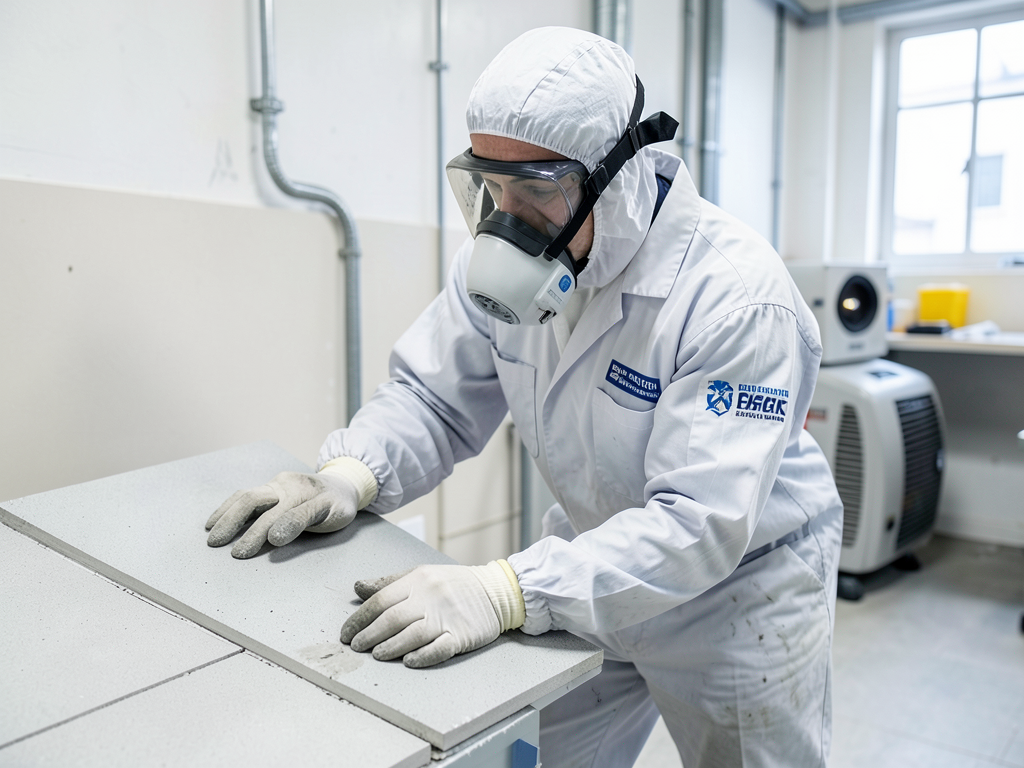
Attempting DIY removal can create a long-term contamination problem. Professional abatement teams use negative air pressure, HEPA filtration, and full containment to protect your home and family.
Professional Restoration Process in Philadelphia
Once asbestos is confirmed, the restoration process must follow strict safety protocols. Here is what to expect from a licensed Philadelphia abatement contractor:
- Containment Setup – Plastic sheeting seals off the work area. Negative air machines create inward airflow to prevent fiber escape.
- HEPA Air Scrubbing – High-efficiency particulate air filters capture airborne fibers continuously.
- Wet Removal – Tiles and mastic are kept damp to minimize dust. Specialized tools remove materials without breaking them into powder.
- Safe Disposal – Asbestos waste is double-bagged, labeled, and transported to a licensed landfill under Pennsylvania Department of Environmental Protection (PA DEP) regulations.
- Air Clearance Testing – After removal, the area is tested to ensure fiber levels are below the EPA’s clearance standard of 0.01 fibers per cubic centimeter.
The entire process can take several days depending on the size of the affected area. Your contractor will coordinate with your insurance company and provide documentation for your records.
Philadelphia Regulations and Compliance
Philadelphia enforces strict asbestos regulations under the Philadelphia Air Management Services (AMS) and the PA DEP. Any renovation or demolition project disturbing more than 260 linear feet of asbestos-containing material requires a permit and notification. The City of Philadelphia also follows EPA’s National Emission Standards for Hazardous Air Pollutants (NESHAP).
Homeowners must hire a PA DEP-certified asbestos abatement contractor. These professionals carry specific licenses and liability insurance. DIY removal is not only dangerous but also illegal in many cases. Violators can face fines up to $25,000 per day and criminal penalties. How Manayunk Homeowners Can Recover Fast After Schuylkill River Flooding.
Always ask for proof of certification and insurance before work begins. A reputable company will provide a written plan, air monitoring results, and disposal documentation.
Cost Factors and Insurance Considerations
The cost of asbestos abatement varies based on the size of the area, type of material, and level of contamination. On average, Philadelphia homeowners can expect to pay between $1,500 and $5,000 for a typical room. Factors that increase cost include:. Read more about A business owner guide to preventing retail floor damage in Conshohocken.
- Larger areas requiring more containment
- Multiple layers of flooring
- Contaminated HVAC ducts
- Emergency weekend or night service
Most homeowner insurance policies cover water damage restoration but may exclude asbestos abatement unless the damage was sudden and accidental. Check your policy or speak with your agent. Some policies offer pollution coverage as an add-on. Water Damage Restoration Reading.
Keep all receipts and documentation. If you sell your home later, you must disclose any asbestos work performed.
Preventing Future Problems
Once your home is safe, take steps to prevent future water damage and asbestos disturbance:
- Fix plumbing leaks immediately
- Install a sump pump if your basement is prone to flooding
- Use dehumidifiers in humid months
- Replace old 9×9 tiles with modern, asbestos-free flooring
If you plan to renovate, have a certified inspector test for asbestos before starting. Even minor drilling or sanding can release fibers.
Frequently Asked Questions
Can I just seal over asbestos tiles instead of removing them?
Encapsulation is an option if the tiles are intact and not water-damaged. However, if water has already penetrated, sealing may trap moisture and cause mold growth. Professional assessment is required.
How long does asbestos stay in the air?
Asbestos fibers can remain airborne for hours or days depending on air movement. HEPA filtration and containment are necessary to clear the air safely.
Is it safe to live in a home with asbestos tiles if they are not damaged?
Yes, undamaged asbestos tiles are considered safe. The risk comes from disturbing them. Regular inspections and moisture control are key to safety.
Do I need to move out during abatement?
In most cases, you can stay in your home if the work is properly contained. Your contractor will advise based on the scope of the project.
What should I do if I already vacuumed the area?
Stop all activity immediately. Close off the area and contact a certified asbestos professional. Standard vacuums do not capture asbestos fibers and can spread contamination.
Call (215) 610-8188 today to schedule your inspection
Water damage in your Oxford Circle home can hide a serious health risk. If you suspect asbestos tiles, do not wait. Call (215) 610-8188 now for fast, certified testing and safe removal. Protect your family and your property with professional help you can trust.
Pick up the phone and call (215) 610-8188 before the next storm hits
Philadelphia’s heavy rains and aging infrastructure put older homes at risk. If your vinyl floor tiles get wet, the danger is real. Call (215) 610-8188 today to schedule an inspection and keep your home safe from asbestos exposure.
{
“@context”: “https://schema.org”,
“@type”: “BlogPosting”,
“headline”: “What you need to know about wet vinyl floor tiles and asbestos in your older Oxford Circle home”,
“description”: “Water damage in your Oxford Circle home can disturb asbestos tiles. Learn the safety risks, legal requirements, and why professional testing is critical before cleanup.”,
“wordCount”: 1287,
“datePublished”: “2026-05-19T15:31:00.000Z”,
“dateModified”: “2026-05-19T15:31:00.000Z”,
“inLanguage”: “en-US”,
“mainEntityOfPage”: {
“@type”: “WebPage”,
“@id”: “https://reliancewaterdamagerestorationphiladelphia.com”
},
“publisher”: {
“@type”: “LocalBusiness”,
“name”: “Reliance Water Damage Restoration Philadelphia”,
“url”: “https://reliancewaterdamagerestorationphiladelphia.com”
},
“author”: {
“@type”: “Organization”,
“name”: “Reliance Water Damage Restoration Philadelphia”,
“url”: “https://reliancewaterdamagerestorationphiladelphia.com”
},
“image”: {
“@type”: “ImageObject”,
“url”: “https://reliancewaterdamagerestorationphiladelphia.com/wp-content/uploads/2026/03/what-you-need-to-know-about-wet-vinyl-floor-tiles-1.png”
}
}
{
“@context”: “https://schema.org”,
“@type”: “LocalBusiness”,
“name”: “Reliance Water Damage Restoration Philadelphia”,
“url”: “https://reliancewaterdamagerestorationphiladelphia.com”,
“address”: {
“@type”: “PostalAddress”,
“addressLocality”: “Philadelphia”
},
“areaServed”: {
“@type”: “City”,
“name”: “Philadelphia”
}
}
{
“@context”: “https://schema.org”,
“@type”: “FAQPage”,
“mainEntity”: [
{
“@type”: “Question”,
“name”: “Can I just seal over asbestos tiles instead of removing them?”,
“acceptedAnswer”: {
“@type”: “Answer”,
“text”: “Encapsulation is an option if the tiles are intact and not water-damaged. However, if water has already penetrated, sealing may trap moisture and cause mold growth. Professional assessment is required.”
}
},
{
“@type”: “Question”,
“name”: “How long does asbestos stay in the air?”,
“acceptedAnswer”: {
“@type”: “Answer”,
“text”: “Asbestos fibers can remain airborne for hours or days depending on air movement. HEPA filtration and containment are necessary to clear the air safely.”
}
},
{
“@type”: “Question”,
“name”: “Do I need to move out during abatement?”,
“acceptedAnswer”: {
“@type”: “Answer”,
“text”: “In most cases, you can stay in your home if the work is properly contained. Your contractor will advise based on the scope of the project.”
}
},
{
“@type”: “Question”,
“name”: “What should I do if I already vacuumed the area?”,
“acceptedAnswer”: {
“@type”: “Answer”,
“text”: “Stop all activity immediately. Close off the area and contact a certified asbestos professional. Standard vacuums do not capture asbestos fibers and can spread contamination.”
}
}
]
}
{
“@context”: “https://schema.org”,
“@type”: “BreadcrumbList”,
“itemListElement”: [
{
“@type”: “ListItem”,
“position”: 1,
“name”: “Home”,
“item”: “https://reliancewaterdamagerestorationphiladelphia.com”
},
{
“@type”: “ListItem”,
“position”: 2,
“name”: “Blog”,
“item”: “https://reliancewaterdamagerestorationphiladelphia.com/blog”
},
{
“@type”: “ListItem”,
“position”: 3,
“name”: “What you need to know about wet vinyl floor tiles and asbestos in your older Oxford Circle home”
}
]
}
{
“@context”: “https://schema.org”,
“@type”: “Service”,
“serviceType”: “Water Damage Restoration”,
“provider”: {
“@type”: “LocalBusiness”,
“name”: “Reliance Water Damage Restoration Philadelphia”,
“url”: “https://reliancewaterdamagerestorationphiladelphia.com”
},
“areaServed”: {
“@type”: “City”,
“name”: “Philadelphia”
},
“description”: “Water damage in your Oxford Circle home can disturb asbestos tiles. Learn the safety risks, legal requirements, and why professional testing is critical before cleanup.”
}