
Why Mold is a Common Problem in Older Chestnut Hill Homes and How to Kill It for Good
Historic Chestnut Hill’s charming stone and brick homes built before 1940 face unique mold challenges due to aging foundations, poor original ventilation, and Philadelphia’s humid climate. The combination of Wissahickon schist foundations, original single-pane windows, and proximity to Wissahickon Creek creates perfect conditions for persistent mold growth. Understanding these specific vulnerabilities is the first step to eliminating mold for good. Philadelphia stormwater management.
Philadelphia’s 19118 zip code experiences humidity levels averaging 68% during summer months, well above the 50% threshold where mold spores begin active growth. Older homes in the area often lack modern vapor barriers and proper drainage systems, allowing moisture to seep through stone foundations that have been absorbing water for over a century. This creates a continuous moisture supply that feeds mold colonies behind walls, under floors, and in basement corners.. Read more about Drying Out Water Damaged Attics in Lower Merion After a Storm.
The real problem isn’t just visible mold spots. Stachybotrys chartarum, commonly known as black mold, thrives in the cellulose-rich materials found in historic Chestnut Hill homes. Original plaster, wood lath, and antique wallpaper provide ideal food sources for mold when moisture levels exceed 16% by weight. Without proper remediation, these colonies release mycotoxins that can cause respiratory issues, especially problematic for families with children or elderly members.
Professional mold remediation in Chestnut Hill requires specialized knowledge of historic construction methods. Standard approaches that work in modern homes often fail when applied to properties with horsehair plaster walls, original wood flooring, and stone foundations. The remediation process must preserve architectural integrity while completely eliminating mold colonies and their moisture sources.
Our Comprehensive Mold Removal Process for Historic Chestnut Hill Homes
Effective mold remediation follows a systematic approach based on IICRC S520 standards. This industry-recognized protocol ensures complete removal while protecting both the home’s structure and its occupants’ health. The process begins with a thorough inspection using moisture meters and thermal imaging cameras to identify hidden moisture sources. IICRC S520 standards.
Containment represents the critical first step. We establish negative air pressure zones using HEPA-filtered air scrubbers, preventing mold spores from spreading to unaffected areas during removal. This containment includes sealing HVAC vents, doorways, and creating airlock entry points with polyethylene sheeting. The containment area maintains pressure differentials of at least 0.02 inches of water column to ensure spores move outward rather than infiltrating clean spaces. EPA mold guidelines.
Removal involves physical extraction of contaminated materials combined with antimicrobial treatments. Non-porous surfaces receive thorough cleaning with EPA-registered fungicides, while porous materials like drywall or insulation may require complete removal and replacement. Our technicians use HEPA vacuums with .3-micron filtration to capture even the smallest mold spores during the cleaning process.. Read more about Certified Mold Testing and Removal Services in Mount Airy.
Drying and dehumidification follow removal to prevent recurrence. We deploy commercial-grade dehumidifiers capable of removing 70-100 pints of moisture per day, combined with air movers that create directional airflow across affected surfaces. Moisture levels are monitored daily until materials reach safe levels below 12% moisture content.
Post-remediation verification confirms success through visual inspection and air quality testing. We collect air samples from both inside and outside the containment area, comparing spore counts to ensure levels match or fall below outdoor concentrations. This testing provides documentation for insurance claims and peace of mind for homeowners.
Prevention strategies complete the process. We identify and address the moisture sources that allowed mold growth initially, whether that means repairing foundation cracks, improving drainage, or installing vapor barriers. Our recommendations focus on long-term solutions rather than temporary fixes that allow mold to return within months.
Identifying Common Mold Issues in Philadelphia’s 19118 Area
Chestnut Hill’s specific geography creates mold patterns that differ from other Philadelphia neighborhoods. The area’s elevation changes, ranging from 200 to 400 feet above sea level, affect how water moves through soil and into foundations. Homes near the Wissahickon Creek experience higher groundwater levels, especially during Philadelphia’s rainy spring months when precipitation averages 4 inches per month.
Stone foundation homes in the 19118 area commonly develop mold in basement corners where walls meet floors. These cold joints, where different construction materials meet, create capillary breaks that allow moisture migration. The Wissahickon schist used in many historic homes absorbs water readily, then releases it slowly as vapor, creating ideal conditions for mold growth behind finished basement walls.
Attic mold represents another common issue in Chestnut Hill’s older homes. Original construction often lacked proper soffit and ridge ventilation, trapping warm, moist air in attic spaces. Combined with Philadelphia’s summer humidity, this creates condensation on the underside of roof sheathing, leading to mold growth that can compromise structural integrity over time.
Interior wall mold often goes unnoticed until it becomes severe. Plaster walls in homes built before 1940 typically lack vapor barriers, allowing moisture from bathrooms, kitchens, and exterior walls to penetrate interior surfaces. Mold colonies can grow undetected for years behind wallpaper or within wall cavities, releasing spores throughout the home’s living spaces.
Window mold occurs frequently in Chestnut Hill’s historic homes due to single-pane glass and original wooden frames. Condensation forms on interior glass surfaces during temperature differentials, creating moisture that feeds mold growth on window sills and surrounding wall areas. This problem intensifies during Philadelphia’s cold winters when indoor-outdoor temperature differences exceed 40 degrees.
Basement mold patterns in the area often follow specific paths. Water enters through foundation cracks, then moves along the path of least resistance, typically following plumbing lines or electrical conduits. Mold grows where this moisture contacts organic materials, creating distinctive patterns that experienced technicians can trace back to specific entry points.
Why IICRC-Certified Remediation Matters
IICRC S520 certification represents the gold standard for mold remediation, establishing protocols that protect both property and occupants. This standard requires specific containment procedures, personal protective equipment, and verification methods that unlicensed contractors often skip to save time and money. The certification process includes extensive training in microbiology, building science, and safety protocols.
Professional certification matters because improper mold removal can worsen the problem. Disturbing mold colonies without proper containment releases millions of spores into the air, spreading contamination throughout the home. Certified technicians understand how to prevent this cross-contamination through negative air pressure, HEPA filtration, and systematic removal procedures.
Insurance companies recognize IICRC certification when processing claims. Many policies require remediation work to meet industry standards to qualify for coverage. Documentation from certified professionals provides the proof insurers need to approve claims, potentially saving homeowners thousands in out-of-pocket expenses.
Health considerations drive the need for professional certification. Mold exposure can trigger asthma attacks, allergic reactions, and other respiratory issues. Certified technicians use proper personal protective equipment and containment procedures to protect both themselves and home occupants during the remediation process.
Building code compliance requires professional knowledge. Philadelphia’s building codes, combined with EPA and OSHA safety regulations, create a complex framework that certified technicians navigate daily. This knowledge ensures remediation work meets all legal requirements while protecting the property’s value and structural integrity.
Quality assurance comes through certification. The IICRC standards include specific verification procedures that confirm mold removal success. These protocols involve both visual inspection and scientific testing, providing objective evidence that the remediation achieved its goals rather than relying on subjective assessments.
Mold Inspection Testing Services
Professional mold inspection begins with a comprehensive visual assessment using specialized equipment. Moisture meters detect elevated moisture levels within walls, floors, and ceilings without requiring destructive testing. These non-invasive tools can identify problem areas behind finished surfaces, directing remediation efforts to the source rather than just treating symptoms.
Thermal imaging cameras reveal temperature differences that indicate moisture presence. Wet materials appear cooler than dry materials due to evaporative cooling, creating thermal patterns that cameras detect. This technology allows inspectors to identify hidden moisture sources behind walls or under floors without removing building materials.
Air quality testing measures airborne mold spore concentrations. Samples collected from inside the home compare to outdoor baseline samples to determine if indoor levels exceed normal ranges. This testing identifies both the types and quantities of mold present, guiding appropriate remediation strategies for specific mold species.
Surface sampling confirms mold presence on visible growth. Tape lifts or swab samples collected from affected areas undergo laboratory analysis to identify mold species and determine toxicity levels. This information helps prioritize remediation efforts and assess potential health risks to occupants.
Bulk material testing examines pieces of building materials for mold contamination. This destructive testing provides definitive information about mold presence within walls, floors, or ceilings. Results guide decisions about whether materials can be cleaned or require complete removal and replacement.
Post-remediation verification testing confirms removal success. Air and surface samples collected after remediation compare to pre-remediation levels, providing objective evidence that mold levels have returned to normal ranges. This documentation proves remediation effectiveness for insurance purposes and homeowner peace of mind.
Moisture mapping creates visual documentation of problem areas. Inspectors use multiple moisture meters to create detailed maps showing moisture distribution throughout affected areas. These maps guide remediation planning and help identify all sources requiring attention to prevent mold recurrence.
Frequently Asked Questions About Mold in Chestnut Hill
How much does mold remediation cost in Chestnut Hill?
Costs vary based on contamination extent, affected materials, and required containment. Small bathroom mold issues might cost $500-1,500, while whole-house remediation can exceed $10,000. Factors include demolition needs, material replacement, and specialized equipment requirements for historic homes.
Can I clean mold myself with bleach?
DIY cleaning often spreads mold spores and fails to address moisture sources. Bleach can remove surface mold but doesn’t penetrate porous materials where most mold grows. Professional remediation addresses both visible mold and hidden colonies while preventing cross-contamination throughout the home.
How long does mold remediation take?
Timeline depends on contamination extent and home size. Small areas might require 1-2 days, while extensive remediation can take 1-2 weeks. The process includes inspection, containment setup, removal, drying, and verification testing. Historic homes may require additional time due to specialized procedures.
Will mold come back after remediation?
Mold returns if moisture sources persist. Professional remediation includes moisture source identification and correction. We provide prevention recommendations addressing ventilation, drainage, and humidity control. Following these guidelines prevents recurrence, though new leaks or moisture problems can create fresh mold growth.
Is mold covered by homeowners insurance?
Coverage depends on the cause. Sudden water damage from burst pipes often qualifies for coverage, while long-term moisture issues typically don’t. Many policies exclude mold damage entirely. We work with insurance companies to maximize coverage and provide documentation meeting their requirements.
How do I know if mold is making me sick?
Mold exposure symptoms include respiratory issues, headaches, fatigue, and allergic reactions. Symptoms often worsen in specific home areas or improve when away from home. Professional testing identifies mold presence, while medical evaluation determines if symptoms relate to mold exposure or other causes.
What makes Chestnut Hill homes more susceptible to mold?
Historic construction methods, stone foundations, original single-pane windows, and Philadelphia’s humid climate create ideal mold conditions. Many homes lack modern moisture barriers and proper ventilation. Proximity to Wissahickon Creek affects local groundwater levels, increasing basement moisture problems common in the area.
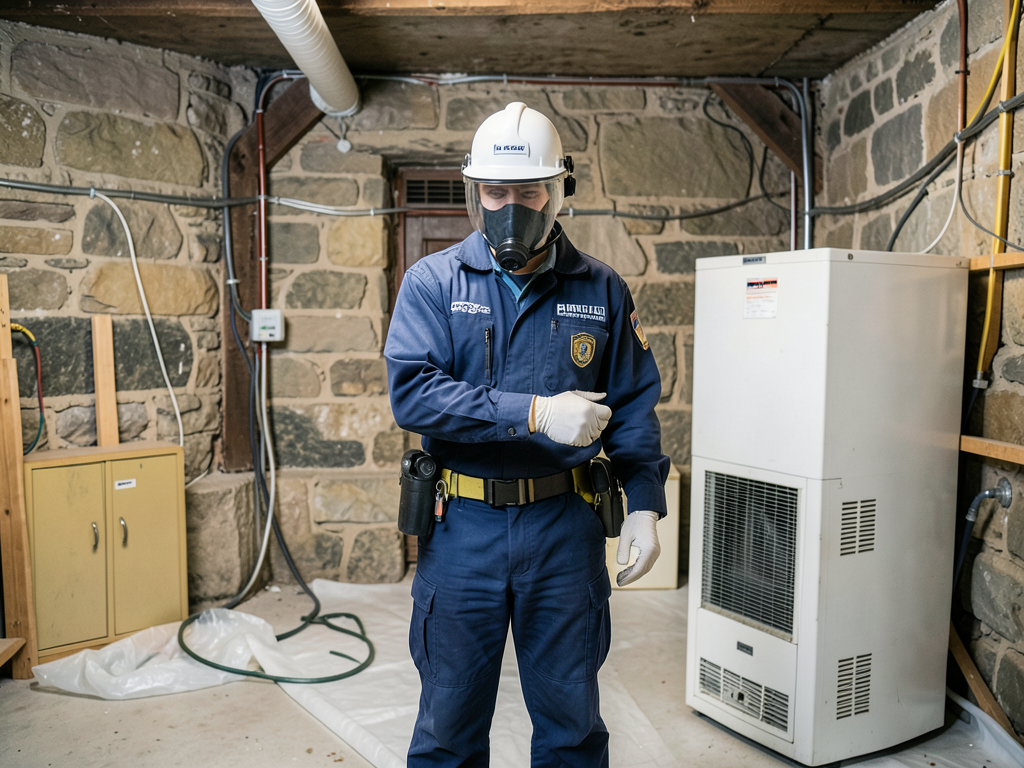
Diagram showing how moisture migrates through stone foundations in historic Chestnut Hill homes, creating mold growth patterns along cold joints and behind finished basement walls.
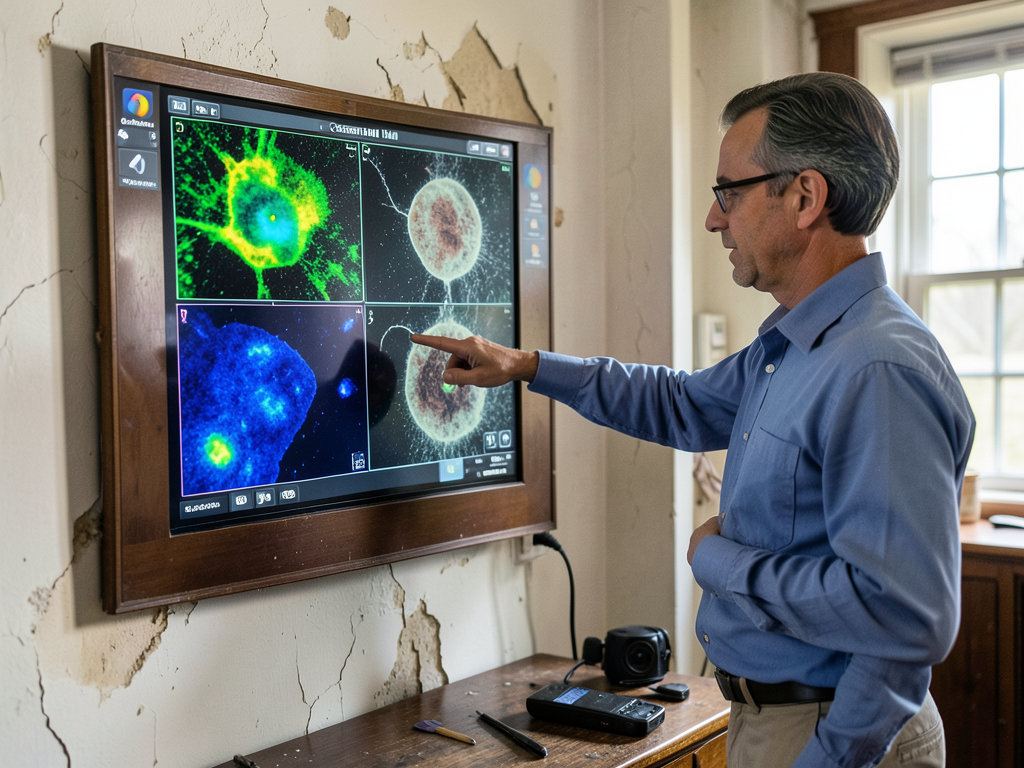
Photo of professional mold remediation containment setup with negative air pressure, HEPA filtration, and polyethylene sheeting protecting unaffected areas during removal procedures.
Thermal imaging scan revealing moisture patterns behind plaster walls in a historic Chestnut Hill home, showing temperature differentials indicating hidden water sources feeding mold growth.
Don’t Let Mold Destroy Your Historic Home
Mold doesn’t just damage your home’s structure—it threatens your family’s health and your property’s value. Chestnut Hill’s unique combination of historic construction and Philadelphia’s climate creates perfect conditions for persistent mold growth that DIY solutions can’t fix. Professional remediation following IICRC S520 standards provides the only reliable path to complete mold elimination.
Our team understands the specific challenges of restoring historic Chestnut Hill homes while preserving their architectural integrity. We combine modern remediation technology with respect for original construction methods, ensuring your home remains both safe and beautiful. From stone foundation moisture issues to attic ventilation problems, we address the root causes rather than just treating symptoms.
Time matters when dealing with mold. Every day of delay allows colonies to expand and release more spores throughout your home. Don’t risk your family’s health or your home’s structural integrity by waiting. Professional inspection can identify problems before they become catastrophic, potentially saving thousands in repair costs.
Call (215) 610-8188 today to schedule your free mold inspection. Our certified technicians will assess your specific situation, explain our findings in plain language, and provide a clear remediation plan tailored to your historic Chestnut Hill home. We serve the entire 19118 area with 24/7 emergency response available for urgent situations.
Protect your investment and your family’s health. Pick up the phone and call (215) 610-8188 before the next storm hits and moisture problems worsen. Your historic Chestnut Hill home deserves professional care that understands both modern remediation standards and historic preservation needs.
Don’t let mold win. Call (215) 610-8188 now and take the first step toward a healthier, mold-free home.
{
“@context”: “https://schema.org”,
“@type”: “BlogPosting”,
“headline”: “Why Mold is a Common Problem in Older Chestnut Hill Homes and How to Kill It for Good”,
“description”: “Mold thrives in Chestnut Hill’s historic homes due to stone foundations, single-pane windows, and Philadelphia’s humidity. Learn professional remediation methods.”,
“wordCount”: 2188,
“datePublished”: “2026-02-17T09:38:00.000Z”,
“dateModified”: “2026-02-17T09:38:00.000Z”,
“inLanguage”: “en-US”,
“mainEntityOfPage”: {
“@type”: “WebPage”,
“@id”: “https://reliancewaterdamagerestorationphiladelphia.com”
},
“publisher”: {
“@type”: “LocalBusiness”,
“name”: “Reliance Water Damage Restoration Philadelphia”,
“url”: “https://reliancewaterdamagerestorationphiladelphia.com”
},
“author”: {
“@type”: “Organization”,
“name”: “Reliance Water Damage Restoration Philadelphia”,
“url”: “https://reliancewaterdamagerestorationphiladelphia.com”
},
“image”: {
“@type”: “ImageObject”,
“url”: “https://reliancewaterdamagerestorationphiladelphia.com/wp-content/uploads/2026/03/why-mold-is-a-common-problem-in-older-chestnut-hil-1.png”
}
}
{
“@context”: “https://schema.org”,
“@type”: “LocalBusiness”,
“name”: “Reliance Water Damage Restoration Philadelphia”,
“url”: “https://reliancewaterdamagerestorationphiladelphia.com”,
“address”: {
“@type”: “PostalAddress”,
“addressLocality”: “Philadelphia”
},
“areaServed”: {
“@type”: “City”,
“name”: “Philadelphia”
}
}
{
“@context”: “https://schema.org”,
“@type”: “FAQPage”,
“mainEntity”: [
{
“@type”: “Question”,
“name”: “How much does mold remediation cost in Chestnut Hill?”,
“acceptedAnswer”: {
“@type”: “Answer”,
“text”: “Costs vary based on contamination extent, affected materials, and required containment. Small bathroom mold issues might cost $500-1,500, while whole-house remediation can exceed $10,000. Factors include demolition needs, material replacement, and specialized equipment requirements for historic homes.”
}
},
{
“@type”: “Question”,
“name”: “Can I clean mold myself with bleach?”,
“acceptedAnswer”: {
“@type”: “Answer”,
“text”: “DIY cleaning often spreads mold spores and fails to address moisture sources. Bleach can remove surface mold but doesn’t penetrate porous materials where most mold grows. Professional remediation addresses both visible mold and hidden colonies while preventing cross-contamination throughout the home.”
}
},
{
“@type”: “Question”,
“name”: “How long does mold remediation take?”,
“acceptedAnswer”: {
“@type”: “Answer”,
“text”: “Timeline depends on contamination extent and home size. Small areas might require 1-2 days, while extensive remediation can take 1-2 weeks. The process includes inspection, containment setup, removal, drying, and verification testing. Historic homes may require additional time due to specialized procedures.”
}
},
{
“@type”: “Question”,
“name”: “Will mold come back after remediation?”,
“acceptedAnswer”: {
“@type”: “Answer”,
“text”: “Mold returns if moisture sources persist. Professional remediation includes moisture source identification and correction. We provide prevention recommendations addressing ventilation, drainage, and humidity control. Following these guidelines prevents recurrence, though new leaks or moisture problems can create fresh mold growth.”
}
},
{
“@type”: “Question”,
“name”: “Is mold covered by homeowners insurance?”,
“acceptedAnswer”: {
“@type”: “Answer”,
“text”: “Coverage depends on the cause. Sudden water damage from burst pipes often qualifies for coverage, while long-term moisture issues typically don’t. Many policies exclude mold damage entirely. We work with insurance companies to maximize coverage and provide documentation meeting their requirements.”
}
},
{
“@type”: “Question”,
“name”: “How do I know if mold is making me sick?”,
“acceptedAnswer”: {
“@type”: “Answer”,
“text”: “Mold exposure symptoms include respiratory issues, headaches, fatigue, and allergic reactions. Symptoms often worsen in specific home areas or improve when away from home. Professional testing identifies mold presence, while medical evaluation determines if symptoms relate to mold exposure or other causes.”
}
},
{
“@type”: “Question”,
“name”: “What makes Chestnut Hill homes more susceptible to mold?”,
“acceptedAnswer”: {
“@type”: “Answer”,
“text”: “Historic construction methods, stone foundations, original single-pane windows, and Philadelphia’s humid climate create ideal mold conditions. Many homes lack modern moisture barriers and proper ventilation. Proximity to Wissahickon Creek affects local groundwater levels, increasing basement moisture problems common in the area.”
}
}
]
}
{
“@context”: “https://schema.org”,
“@type”: “BreadcrumbList”,
“itemListElement”: [
{
“@type”: “ListItem”,
“position”: 1,
“name”: “Home”,
“item”: “https://reliancewaterdamagerestorationphiladelphia.com”
},
{
“@type”: “ListItem”,
“position”: 2,
“name”: “Blog”,
“item”: “https://reliancewaterdamagerestorationphiladelphia.com/blog”
},
{
“@type”: “ListItem”,
“position”: 3,
“name”: “Why Mold is a Common Problem in Older Chestnut Hill Homes and How to Kill It for Good”
}
]
}
{
“@context”: “https://schema.org”,
“@type”: “Service”,
“serviceType”: “Water Damage Restoration”,
“provider”: {
“@type”: “LocalBusiness”,
“name”: “Reliance Water Damage Restoration Philadelphia”,
“url”: “https://reliancewaterdamagerestorationphiladelphia.com”
},
“areaServed”: {
“@type”: “City”,
“name”: “Philadelphia”
},
“description”: “Mold thrives in Chestnut Hill’s historic homes due to stone foundations, single-pane windows, and Philadelphia’s humidity. Learn professional remediation methods.”
}