
Why your Lower Merion sump pump needs a battery backup for the next power outage
When the next Nor’easter rolls up the Delaware Valley and PECO’s grid falters, your Lower Merion basement could be minutes away from flooding. A standard sump pump without power is just a plastic shell in the corner. A battery backup system keeps water moving even when the lights go out, giving you the critical time to ride out the storm without waking up to ruined floors and mold growth. Finding the Best Water Damage Restoration Company in Center City Without Getting Scammed.
Lower Merion Township sits in a low-lying area near the Schuylkill River where heavy rains and rapid snowmelt create high water table conditions. The combination of aging clay sewer infrastructure and frequent storm-related outages means your primary pump is only as reliable as the electricity feeding it. A backup system switches to battery power automatically, pumping thousands of gallons per hour without interruption. Water Damage Restoration Allentown.
Most homeowners don’t realize that a single 12-volt deep-cycle battery can run a backup pump for 24 to 48 hours depending on discharge rate. That’s often enough to outlast the worst of a storm. The system includes a float switch that activates when water rises, an inverter that converts DC battery power to AC pump power, and a check valve that prevents backflow. Without these components working together, even a fully charged battery won’t protect your home. How Manayunk Homeowners Can Recover Fast After Schuylkill River Flooding.
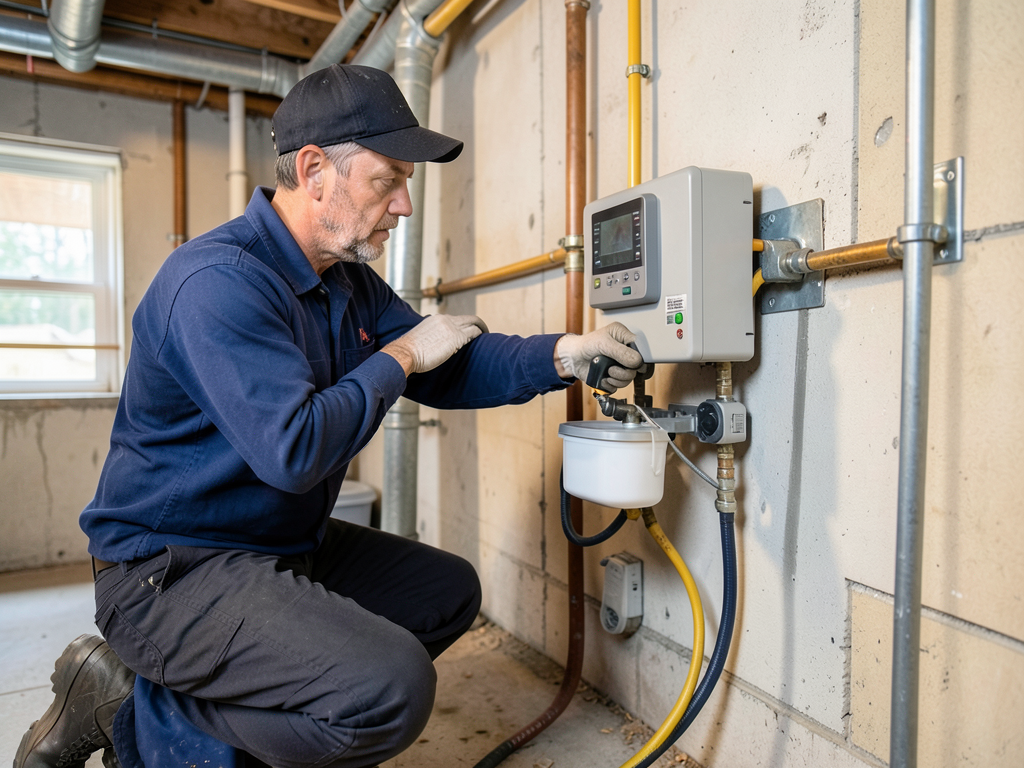
Lower Merion’s storm vulnerability makes battery backup non-negotiable. The township’s proximity to the Schuylkill River floodplain and its mix of historic stone foundations and modern poured concrete basements create unique drainage challenges. When PECO reports outages lasting 4 to 12 hours during major storms, your primary pump stops working while groundwater continues to seep in. A battery backup provides the insurance policy your home needs.
How sump pump battery backup systems work
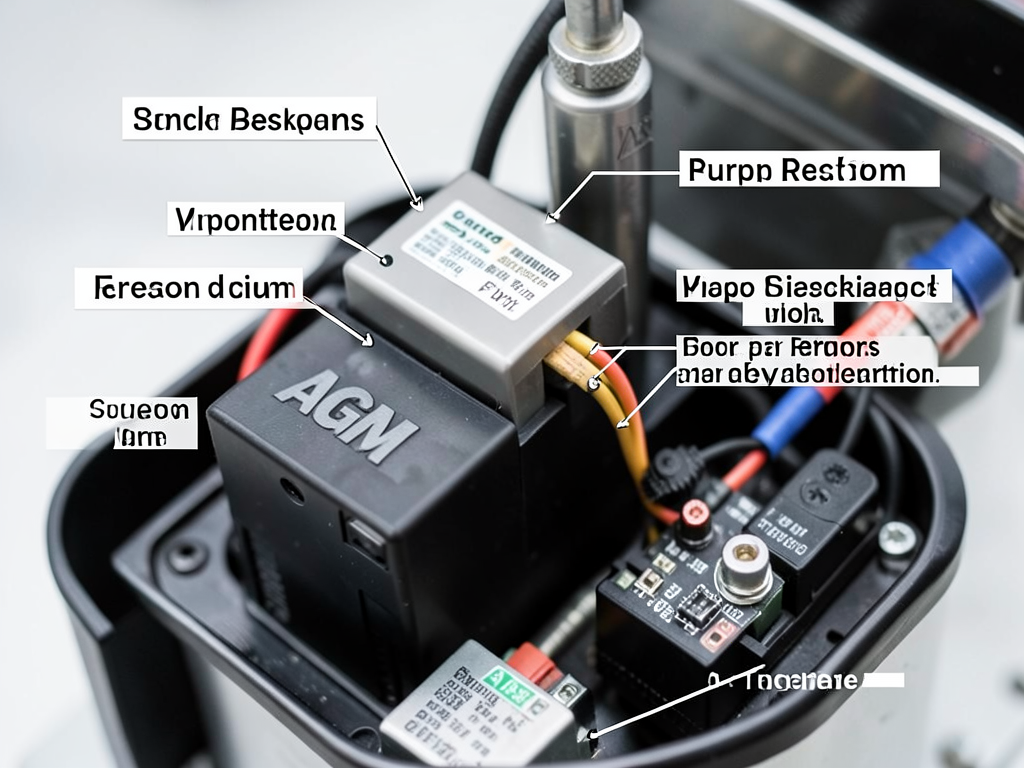
A battery backup sump pump system consists of three main components: the battery, the pump, and the control module. The battery is typically a sealed AGM (Absorbent Glass Mat) or deep-cycle marine battery that can handle repeated discharge cycles. The pump is usually a 12-volt DC unit capable of moving 1,500 to 2,500 gallons per hour at a 10-foot head height. The control module monitors AC power and activates the backup pump when the primary fails or when water levels rise too quickly. Water Damage Restoration Reading.
The float switch triggers the backup pump when water in the basin reaches a predetermined level. This happens either because the primary pump lost power or because water is entering faster than the primary can handle. The inverter inside the control module converts the battery’s 12-volt DC power to the 120-volt AC power the pump motor needs. A check valve on the discharge pipe prevents pumped water from flowing back into the basin.. Read more about What to do when your water softener overflows and floods your Broomall utility room.
Testing your system monthly is essential. Pour water into the basin until the float rises, verify the backup pump activates, and check battery voltage with a multimeter. A fully charged 12-volt battery should read 12.6 volts or higher. Anything below 12.3 volts indicates the battery needs charging or replacement. This simple diagnostic test can prevent failure when you need protection most.. Read more about The essential waterproofing steps to take before finishing your basement in a Ludlow new build.
Installation process for battery backup sump pumps
Professional installation ensures your backup system integrates seamlessly with your existing setup. The process begins with testing your primary pump to verify it’s functioning properly and determining the appropriate backup pump size based on your basin dimensions and typical water inflow rates. A licensed plumber will then mount the battery and control module on a wall bracket above potential flood level.
The backup pump installs in the same basin as your primary pump, either on a separate float switch or sharing the primary’s switch depending on the system design. Plumbing connections include a dedicated discharge pipe or a combination fitting that allows both pumps to share the same outlet line. The check valve installation is critical – improper placement can cause water hammer and premature pump failure. EPA water damage guidelines.
Battery charging setup involves connecting the control module to a trickle charger that maintains optimal voltage. The system should include low-voltage disconnect protection to prevent deep discharge that shortens battery life. Installation typically takes 2 to 4 hours for a straightforward retrofit. Complex installations involving custom plumbing or battery enclosure construction may require additional time.
Benefits of professional vs DIY installation
Professional installation provides several advantages over DIY approaches. First, code compliance matters. The International Plumbing Code and local Lower Merion ordinances require proper discharge routing, check valve installation, and electrical connections that meet National Electrical Code standards. A licensed professional ensures your system passes inspection and won’t create liability issues.
Second, proper sizing prevents system failure. A backup pump that’s too small won’t keep up with inflow during heavy storms. A pump that’s too large drains your battery quickly without providing additional protection. Professionals calculate your specific needs based on basement square footage, soil type, and historical water table levels in your immediate area.. Read more about Keeping window well drains clear to prevent basement flooding in your Roxborough twin.
Third, warranty protection covers both equipment and labor. Most manufacturers void warranties on self-installed systems. Professional installation typically includes 1 to 3 years of labor coverage plus extended equipment warranties. This protection matters when you’re dealing with water damage that could cost thousands to repair.
Local failure patterns and prevention strategies
Lower Merion’s clay-heavy soil creates unique challenges for sump pump systems. Clay retains water and drains slowly, meaning your pump may run continuously for days after heavy rainfall. This constant operation stresses both primary and backup systems. Additionally, the township’s combined sewer system can back up during extreme weather, overwhelming standard sump pump capacity.
Common failure points include float switch jamming from debris, battery sulfation from infrequent use, and check valve failure allowing backflow. Annual maintenance should include cleaning the basin, testing all electrical connections, and replacing batteries every 3 to 5 years regardless of apparent function. A battery that tests at 12.4 volts might fail under actual load conditions.
Installation location matters significantly. Basements below grade in areas near the Schuylkill River experience higher hydrostatic pressure than those on elevated lots. Homes on slopes may have different drainage patterns requiring customized solutions. A professional assessment considers these factors rather than applying one-size-fits-all recommendations.. Read more about Why Eastwick homes are so prone to flooding and how to prepare for the next big storm.
Cost factors and long-term value
Battery backup sump pump systems range from $800 to $2,500 installed, depending on pump capacity, battery type, and installation complexity. AGM batteries cost more upfront but last longer and require less maintenance than traditional lead-acid batteries. The investment typically pays for itself by preventing a single major flooding event that could cost $5,000 to $15,000 in damage repairs.
Insurance considerations add another layer of value. Some carriers offer premium discounts for homes with backup systems, while others may deny claims for damage that could have been prevented with proper equipment. Document your installation with photos and maintenance records to support any future claims.
Energy efficiency has improved significantly in recent years. Modern backup pumps use 30 to 50 percent less power than older models while maintaining or increasing pumping capacity. This efficiency extends battery life during outages and reduces the frequency of battery replacement.
Maintenance requirements for optimal performance
Monthly testing involves pouring 5 to 10 gallons of water into the basin to verify both primary and backup pumps activate properly. Check battery voltage with a multimeter and clean any debris from the basin and intake screens. Quarterly inspections should include verifying all electrical connections are tight and checking for corrosion on battery terminals.
Annual professional maintenance includes load testing the battery, inspecting the check valve for debris or damage, and verifying discharge pipe integrity. The technician should also test the alarm system if your unit includes one that alerts you to pump failure or high water conditions. Replace batteries every 3 to 5 years even if they test within normal voltage ranges.
Keep a maintenance log documenting all tests, inspections, and replacements. This record helps identify patterns and ensures you don’t miss critical service intervals. Many homeowners find that regular maintenance prevents 90 percent of backup system failures.
Frequently Asked Questions
How long will a battery backup pump run during a power outage?
A fully charged 12-volt deep-cycle battery typically powers a backup sump pump for 24 to 48 hours depending on pumping frequency and battery capacity. Continuous operation at maximum capacity may deplete the battery in 8 to 12 hours. Battery life varies based on age, temperature, and discharge depth.
Can I install a battery backup system myself?
While DIY installation is possible, professional installation ensures code compliance, proper sizing, and warranty protection. Incorrect installation can create electrical hazards, violate local building codes, or result in system failure when you need protection most. Most manufacturers require professional installation for warranty coverage.
What size battery backup pump do I need?
Pump size depends on your basement square footage, soil type, and typical water inflow rates. A 1/3 HP backup pump handles most residential applications, moving 1,500 to 2,200 gallons per hour. Homes with high water tables or large basements may require 1/2 HP units rated for 2,500 to 3,000 gallons per hour.
How much does battery backup sump pump installation cost in Lower Merion?
Installation costs range from $800 to $2,500 depending on system capacity, battery type, and installation complexity. Basic systems with standard batteries start around $800, while premium systems with AGM batteries and advanced monitoring features can exceed $2,000. Most installations fall in the $1,200 to $1,800 range.
How often should I replace the battery?
Replace backup batteries every 3 to 5 years regardless of apparent function. Battery capacity degrades over time even when not in use. A battery that tests at normal voltage might fail under actual load conditions. Annual professional testing can help determine optimal replacement timing for your specific conditions.
Take action before the next storm hits
Lower Merion’s combination of clay soil, combined sewer systems, and frequent storm-related outages creates a perfect storm for basement flooding. Your primary sump pump is only half the solution. A battery backup system provides the complete protection your home needs when the power fails and water keeps rising.
Professional installation ensures your system meets all local codes and manufacturer specifications. The investment typically pays for itself by preventing a single major flooding event. Plus, you’ll have peace of mind knowing your basement stays dry even when the rest of the neighborhood is dealing with water damage.
Don’t wait for the next big storm to discover your backup system isn’t ready. Call (215) 610-8188 today to schedule your battery backup sump pump installation. Our licensed technicians will assess your specific needs and install a system that protects your home when you need it most. Pick up the phone and call (215) 610-8188 before the next storm hits. For more information, visit IICRC certification standards.
You may also find this helpful. Deciding if crawl space encapsulation is the right move for your damp Fern Rock house.
You may also find this helpful. Using smart leak detectors to protect your Manayunk rental property while you’re away.
{
“@context”: “https://schema.org”,
“@type”: “BlogPosting”,
“headline”: “Why your Lower Merion sump pump needs a battery backup for the next power outage”,
“description”: “Protect your Lower Merion basement from flooding with a battery backup sump pump. Learn why PECO outages and storm surges make this upgrade essential.”,
“wordCount”: 1819,
“datePublished”: “2026-05-10T06:28:00.000Z”,
“dateModified”: “2026-05-10T06:28:00.000Z”,
“inLanguage”: “en-US”,
“mainEntityOfPage”: {
“@type”: “WebPage”,
“@id”: “https://reliancewaterdamagerestorationphiladelphia.com”
},
“publisher”: {
“@type”: “LocalBusiness”,
“name”: “Reliance Water Damage Restoration Philadelphia”,
“url”: “https://reliancewaterdamagerestorationphiladelphia.com”
},
“author”: {
“@type”: “Organization”,
“name”: “Reliance Water Damage Restoration Philadelphia”,
“url”: “https://reliancewaterdamagerestorationphiladelphia.com”
},
“image”: {
“@type”: “ImageObject”,
“url”: “https://reliancewaterdamagerestorationphiladelphia.com/wp-content/uploads/2026/03/why-your-lower-merion-sump-pump-needs-a-battery-ba-1.png”
}
}
{
“@context”: “https://schema.org”,
“@type”: “LocalBusiness”,
“name”: “Reliance Water Damage Restoration Philadelphia”,
“url”: “https://reliancewaterdamagerestorationphiladelphia.com”,
“address”: {
“@type”: “PostalAddress”,
“addressLocality”: “Philadelphia”
},
“areaServed”: {
“@type”: “City”,
“name”: “Philadelphia”
}
}
{
“@context”: “https://schema.org”,
“@type”: “FAQPage”,
“mainEntity”: [
{
“@type”: “Question”,
“name”: “How long will a battery backup pump run during a power outage?”,
“acceptedAnswer”: {
“@type”: “Answer”,
“text”: “A fully charged 12-volt deep-cycle battery typically powers a backup sump pump for 24 to 48 hours depending on pumping frequency and battery capacity. Continuous operation at maximum capacity may deplete the battery in 8 to 12 hours. Battery life varies based on age, temperature, and discharge depth.”
}
},
{
“@type”: “Question”,
“name”: “Can I install a battery backup system myself?”,
“acceptedAnswer”: {
“@type”: “Answer”,
“text”: “While DIY installation is possible, professional installation ensures code compliance, proper sizing, and warranty protection. Incorrect installation can create electrical hazards, violate local building codes, or result in system failure when you need protection most. Most manufacturers require professional installation for warranty coverage.”
}
},
{
“@type”: “Question”,
“name”: “What size battery backup pump do I need?”,
“acceptedAnswer”: {
“@type”: “Answer”,
“text”: “Pump size depends on your basement square footage, soil type, and typical water inflow rates. A 1/3 HP backup pump handles most residential applications, moving 1,500 to 2,200 gallons per hour. Homes with high water tables or large basements may require 1/2 HP units rated for 2,500 to 3,000 gallons per hour.”
}
},
{
“@type”: “Question”,
“name”: “How much does battery backup sump pump installation cost in Lower Merion?”,
“acceptedAnswer”: {
“@type”: “Answer”,
“text”: “Installation costs range from $800 to $2,500 depending on system capacity, battery type, and installation complexity. Basic systems with standard batteries start around $800, while premium systems with AGM batteries and advanced monitoring features can exceed $2,000. Most installations fall in the $1,200 to $1,800 range.”
}
},
{
“@type”: “Question”,
“name”: “How often should I replace the battery?”,
“acceptedAnswer”: {
“@type”: “Answer”,
“text”: “Replace backup batteries every 3 to 5 years regardless of apparent function. Battery capacity degrades over time even when not in use. A battery that tests at normal voltage might fail under actual load conditions. Annual professional testing can help determine optimal replacement timing for your specific conditions.”
}
}
]
}
{
“@context”: “https://schema.org”,
“@type”: “BreadcrumbList”,
“itemListElement”: [
{
“@type”: “ListItem”,
“position”: 1,
“name”: “Home”,
“item”: “https://reliancewaterdamagerestorationphiladelphia.com”
},
{
“@type”: “ListItem”,
“position”: 2,
“name”: “Blog”,
“item”: “https://reliancewaterdamagerestorationphiladelphia.com/blog”
},
{
“@type”: “ListItem”,
“position”: 3,
“name”: “Why your Lower Merion sump pump needs a battery backup for the next power outage”
}
]
}
{
“@context”: “https://schema.org”,
“@type”: “Service”,
“serviceType”: “Water Damage Restoration”,
“provider”: {
“@type”: “LocalBusiness”,
“name”: “Reliance Water Damage Restoration Philadelphia”,
“url”: “https://reliancewaterdamagerestorationphiladelphia.com”
},
“areaServed”: {
“@type”: “City”,
“name”: “Philadelphia”
},
“description”: “Protect your Lower Merion basement from flooding with a battery backup sump pump. Learn why PECO outages and storm surges make this upgrade essential.”
}