menu

Commercial Water Damage Restoration in Philadelphia – Minimize Downtime and Protect Your Operations

Fast-response commercial water mitigation and business water damage restoration built to keep Philadelphia businesses operational through burst pipes, flooding, and equipment failures with minimal interruption to revenue and compliance.

Slider Image 1
Slider Image 2
Slider Image 3
Slider Image 4
Slider Image 5
Slider Image 7
Slider Image 8
Slider Image 9
Slider Image 10
Slider Image 11

Philadelphia Commercial Properties Face Unique Water Damage Risks

Philadelphia's aging commercial infrastructure creates predictable failure points. Buildings in Center City, Old City, and University City contain original cast iron piping installed between 1900 and 1960. These systems corrode from the inside, causing catastrophic failures during winter freeze-thaw cycles that drop temperatures below 20 degrees for extended periods.

The city's high water table, particularly in low-lying areas near the Delaware and Schuylkill Rivers, creates hydrostatic pressure against below-grade spaces. This pressure forces groundwater through foundation cracks during heavy rainfall events, flooding basement storage, mechanical rooms, and electrical systems.

Multi-story office buildings and industrial facilities face additional complexity. A third-floor pipe break saturates drywall, insulation, and flooring on multiple levels before detection. Water travels through HVAC chases, elevator shafts, and stairwells, spreading contamination and structural damage across entire floors.

Commercial water damage cleanup requires different protocols than residential work. You face liability exposure, code compliance requirements, and the financial pressure of lost revenue. A retail space closed for three weeks during holiday season can lose annual profit margins. A manufacturing facility offline for five days disrupts supply chains and contract obligations.

Philadelphia's L&I Department enforces strict building codes for commercial water damage repair. Work requires permits, inspections, and documentation that residential projects do not. Business water damage restoration must meet ADA accessibility standards, fire code requirements, and occupancy classifications that impact timeline and cost.

Philadelphia Commercial Properties Face Unique Water Damage Risks
Our Commercial Water Mitigation Protocol for Philadelphia Businesses

Our Commercial Water Mitigation Protocol for Philadelphia Businesses

Commercial water remediation starts with containment and loss control. Our teams establish negative air pressure zones using air movers and HEPA filtration systems. This prevents cross-contamination between affected areas and operational spaces, allowing partial business continuity during restoration.

We document everything for your insurance carrier and legal protection. Our technicians photograph damage progression, moisture readings, and restoration phases using calibrated thermal imaging and moisture meters. This documentation supports your claim and protects against future liability if mold or structural issues emerge months later.

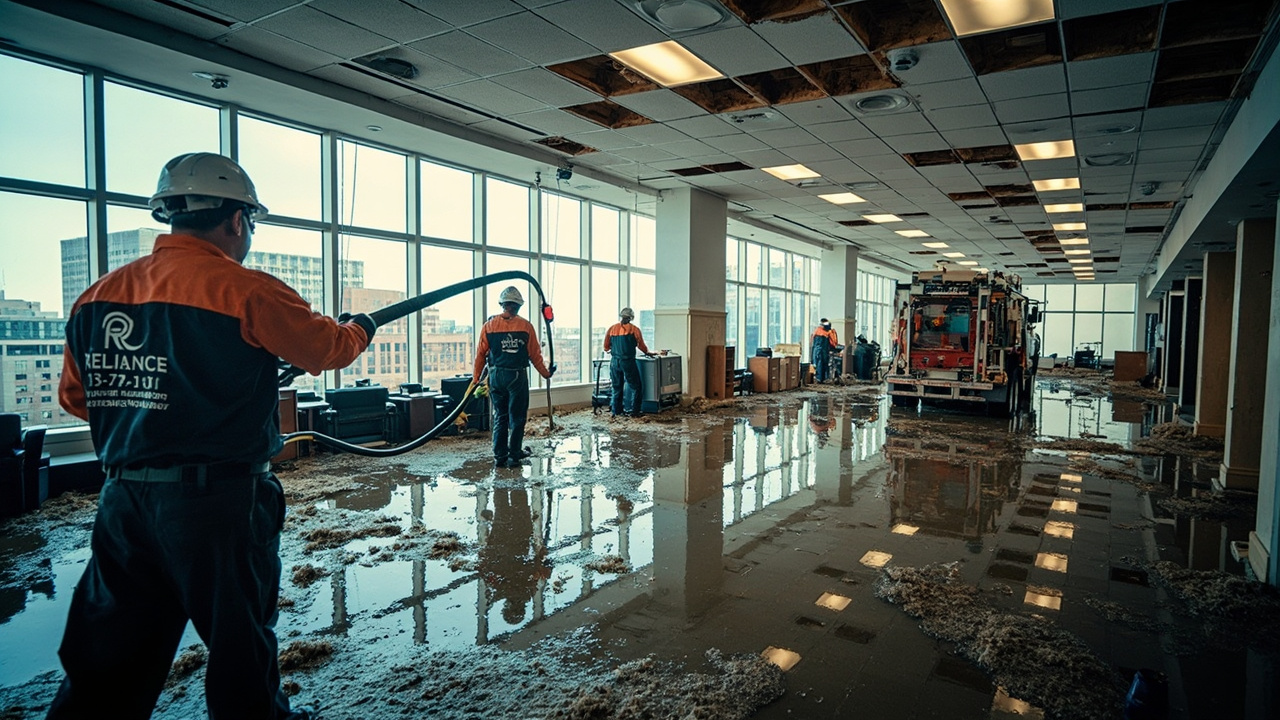
Commercial water mitigation requires industrial-grade equipment capacity. We deploy truck-mounted extraction systems that remove thousands of gallons per hour, not the small portable units used in homes. Our desiccant dehumidifiers process 2,000 cubic feet per minute, reducing humidity in warehouse spaces and manufacturing floors within 48 hours.

We coordinate with your other vendors. If you need emergency electrical work, temporary HVAC, or structural engineering assessments, we integrate those contractors into the timeline. We communicate directly with your property manager, insurance adjuster, and building inspector to keep the project moving.

Material selection matters in commercial spaces. We do not install residential-grade drywall in a medical office or retail store. Commercial water damage repair uses moisture-resistant Type X drywall, antimicrobial mold-resistant products, and finishes that meet your industry's sanitation or aesthetic requirements.

Reliance Water Damage Restoration Philadelphia understands the operational pressure. We work overnight and weekend shifts to avoid disrupting your business hours. Our crews stage equipment in loading docks or service corridors to minimize customer and employee impact.

How Commercial Water Damage Restoration Protects Your Business

Commercial Water Damage Restoration in Philadelphia – Minimize Downtime and Protect Your Operations
01

Emergency Response and Containment

Our teams arrive within 90 minutes to assess damage scope, shut off water sources, and establish containment barriers. We map affected areas using moisture meters and thermal imaging to identify hidden saturation in walls, ceilings, and subfloors. Immediate extraction begins to prevent secondary damage and reduce drying time, minimizing your operational downtime and revenue loss.
02

Structural Drying and Monitoring

Industrial dehumidifiers and air movers run continuously under monitored conditions. We track moisture levels twice daily using calibrated hygrometers and document readings for insurance and compliance purposes. Antimicrobial treatments prevent microbial growth on wet surfaces. This phase typically requires three to seven days depending on materials affected and ambient conditions, with adjustments made to maintain business operations where possible.
03

Reconstruction and Code Compliance

Once structures reach acceptable moisture content below 15 percent, reconstruction begins. We replace damaged drywall, insulation, flooring, and finishes using commercial-grade materials that meet Philadelphia L&I codes and your industry requirements. All work includes permit acquisition, inspection scheduling, and final code compliance certification. We coordinate with your team to phase reconstruction around business hours and operational needs.

Why Philadelphia Businesses Choose Reliance for Commercial Water Damage Restoration

Philadelphia's commercial building stock presents challenges that require local knowledge. Buildings constructed before 1980 contain asbestos floor tile, lead paint, and vermiculite insulation. Water damage restoration in these structures triggers EPA and OSHA regulations for hazardous material handling. Our teams hold the certifications and training to work in these environments legally and safely.

We understand Philadelphia's permitting process. Commercial work in Center City Historic District requires Historical Commission approval before starting. Projects in buildings over three stories need structural engineer assessments. We navigate these requirements daily and know which inspectors cover which districts.

Our equipment inventory supports large-scale projects. We maintain truck-mounted extraction units, industrial desiccant dehumidifiers, and negative air machines capable of handling 50,000-square-foot facilities. When a manufacturing plant floods or a hospital basement takes on water, we have the capacity to respond without renting equipment or delaying start times.

Insurance carriers recognize our documentation standards. We provide detailed moisture mapping, photo progression logs, and equipment placement diagrams that support claims and prevent disputes. Our estimates separate emergency mitigation costs from reconstruction costs, giving you clarity on immediate expenses versus long-term repairs.

Business continuity matters. We schedule work during your off-hours when possible. A restaurant gets overnight restoration so it opens for lunch service. An office building gets weekend drying equipment placement so employees work Monday morning. We adapt to your revenue cycle, not force you into our schedule.

Reliance Water Damage Restoration Philadelphia works with properties throughout the city, from Old City warehouses to University City medical offices to Northeast Philadelphia retail centers. We know the building types, the infrastructure age, and the code requirements that impact your project timeline and cost.

What Philadelphia Business Owners Can Expect from Commercial Water Damage Restoration

Response Time and Availability

We dispatch crews 24 hours a day, seven days a week, including holidays. Most Philadelphia locations receive technicians within 90 minutes of your call. Our trucks carry extraction equipment, moisture meters, and containment supplies to begin work immediately upon arrival. You do not wait for equipment delivery or second trips. Emergency mitigation starts the moment we walk through your door, stopping damage progression and beginning the drying process that determines your total downtime and repair cost.

Damage Assessment and Documentation

Initial assessment includes thermal imaging to detect hidden moisture, moisture meter readings on all affected materials, and photographic documentation of damage extent. We provide a written scope of work within 24 hours that separates emergency mitigation from reconstruction costs. This assessment identifies structural concerns, code compliance requirements, and material replacement needs. You receive moisture maps showing affected areas, equipment placement plans, and projected drying timelines based on material types and ambient conditions in your facility.

Quality of Restoration Work

Commercial restoration uses commercial-grade materials that meet your building's occupancy classification and use requirements. We install moisture-resistant drywall in areas prone to humidity, antimicrobial treatments in healthcare or food service facilities, and finishes that match your existing aesthetic. All electrical, plumbing, and HVAC work meets Philadelphia building codes and includes required permits and inspections. Final delivery includes certificate of occupancy when required, code compliance documentation, and materials warranties from manufacturers.

Post-Restoration Support and Prevention

After restoration completion, we provide final moisture verification readings confirming all materials have reached acceptable levels below 15 percent moisture content. You receive detailed documentation of all work performed, materials installed, and code inspections passed. We identify the failure points that caused the original damage and recommend prevention measures, whether that means pipe insulation upgrades, sump pump installation, or backflow preventer replacement. Follow-up moisture checks are available at 30 and 90 days to verify no hidden moisture or secondary issues have developed.

Frequently Asked Questions

You Have Questions,
We Have Answers

How much money does it cost to repair water damage? +

Commercial water damage repair costs vary based on the extent of damage, affected square footage, and contamination level. Minor incidents affecting a small area may run a few thousand dollars. Major damage requiring structural drying, mold remediation, and reconstruction can exceed $50,000. Philadelphia's older commercial buildings often have hidden moisture intrusion behind masonry or in basement spaces, which increases scope. Factors include water source (clean, gray, or black water), materials affected (drywall versus hardwood), and business interruption costs. Request a detailed estimate with line-item breakdowns for transparency and better insurance documentation.

Is water damage restoration worth it? +

Professional water damage restoration is worth it for commercial properties because unaddressed water intrusion leads to structural failure, mold growth, and liability exposure. Philadelphia's humid climate accelerates mold colonization within 48 hours, creating health hazards for employees and customers. A proper restoration prevents secondary damage that multiplies initial costs by five to ten times. You protect your property value, maintain code compliance, and avoid business interruption. DIY approaches miss hidden moisture in wall cavities and subfloors, creating long-term problems. Professional restoration includes documentation for insurance claims and protects you from future litigation.

Does insurance pay for water restoration? +

Insurance typically covers sudden and accidental water damage from burst pipes, roof leaks, or appliance failures. Coverage excludes gradual damage from deferred maintenance or flooding (which requires separate flood insurance). Commercial policies often include business interruption coverage for lost revenue during restoration. Philadelphia properties in FEMA flood zones need specific flood policies. Your policy may cover emergency mitigation like water extraction and temporary repairs but review your deductible and coverage limits. Document everything immediately with photos and detailed notes. Work with restoration companies experienced in commercial claims to maximize your coverage and streamline the adjuster process.

What does water damage restoration include? +

Commercial water damage restoration includes emergency water extraction, structural drying using industrial dehumidifiers and air movers, moisture mapping with thermal imaging, antimicrobial treatment, content pack-out and cleaning, and final reconstruction. The process starts with source identification and stoppage, followed by damage assessment and moisture detection in walls, ceilings, and subfloors. Technicians monitor drying progress with moisture meters until materials reach acceptable levels. Philadelphia's brick and stone buildings require specialized drying techniques due to porous masonry. Documentation includes photos, moisture readings, and equipment logs for insurance purposes. The goal is complete drying to prevent mold and restore your facility to pre-loss condition.

What is the average water damage claim? +

The average commercial water damage claim ranges from $10,000 to $75,000, depending on building size and damage severity. Small incidents like a burst pipe in a restroom area may settle around $15,000. Significant events affecting multiple floors or large square footage can exceed $100,000 when including inventory loss and business interruption. Philadelphia's aging infrastructure increases risk from supply line failures and sewer backups. Claims vary based on water category (clean versus contaminated), affected materials, and restoration timeline. Multi-story buildings or properties with finished basements typically generate higher claims due to gravity-driven water migration and increased affected areas.

Why is water damage so expensive? +

Water damage costs accumulate because water migrates quickly through building materials, affecting far more than the visible wet area. Within hours, water wicks into drywall, insulation, and subflooring, requiring demolition and replacement. Commercial facilities need industrial-grade equipment running continuously for days to achieve proper drying. Philadelphia's humid conditions slow evaporation, extending equipment rental periods. Labor costs include 24/7 emergency response, skilled technicians monitoring moisture levels, and reconstruction trades. Hidden damage behind walls or under flooring requires exploratory work. Contaminated water (Category 2 or 3) demands specialized disposal and antimicrobial treatment, increasing costs significantly compared to clean water incidents.

How long does Servpro take for water damage? +

Timeline varies by damage severity. Typical commercial water damage restoration takes three to five days for drying, followed by one to three weeks for reconstruction. Large-scale damage affecting multiple areas or floors extends timelines to several weeks. Emergency water extraction begins within hours of your call. Drying time depends on materials affected, humidity levels, and airflow. Philadelphia's brick buildings retain moisture longer than wood-frame structures. Your specific timeline depends on the water source, contamination level, affected square footage, and permit requirements. Businesses requiring rapid reopening may opt for phased restoration, addressing customer-facing areas first while continuing work in back-of-house spaces.

What is the difference between water remediation and restoration? +

Water remediation is the emergency phase focusing on water removal, extraction, and initial drying to stop damage progression. This includes source stoppage, standing water removal, and moisture detection. Remediation prevents mold growth and secondary damage. Water restoration is the complete process, including remediation plus reconstruction, repairs, and returning your property to pre-loss condition. Restoration rebuilds what remediation removed, replacing drywall, flooring, and finishes. In Philadelphia's commercial sector, remediation happens first to stabilize the situation within 24 to 48 hours. Restoration follows, addressing structural repairs and cosmetic work. Many companies provide both services under one contract for continuity and accountability.

How to get the most out of a water damage claim? +

Maximize your water damage claim by documenting everything immediately with photos and video before any cleanup begins. Create a detailed inventory of damaged property with purchase dates and values. Contact your insurance carrier within 24 hours and request a copy of your policy to understand coverage limits and exclusions. Hire a licensed restoration company experienced with commercial claims to provide detailed estimates and moisture documentation. Keep all receipts for emergency repairs, temporary relocation, and lost inventory. In Philadelphia, work with contractors familiar with local building codes to avoid compliance issues that could jeopardize your claim. Consider a public adjuster for claims exceeding $100,000.

How much can I claim for water damage? +

Claim amounts depend on your policy limits, deductible, and damage scope. Commercial policies typically have higher limits than residential coverage but review your declarations page for exact figures. You can claim emergency mitigation costs, structural repairs, contents cleaning or replacement, business interruption losses, and reasonable temporary relocation expenses. Document everything with invoices and receipts. Philadelphia properties may qualify for additional claims if water damage results from code violations by neighboring properties or municipal infrastructure failures. Your adjuster determines actual cash value or replacement cost based on your policy type. Underclaiming is common, so work with experienced restoration professionals who understand commercial insurance requirements and proper documentation.

How Philadelphia's Aging Infrastructure Increases Commercial Water Damage Risk

Philadelphia ranks among the oldest major cities in the United States, with commercial building stock dating to the early 1900s. Many properties in Center City, Old City, and Society Hill contain original plumbing systems installed between 1920 and 1960. These galvanized steel and cast iron pipes corrode from the inside, reducing water flow and creating weak points that fail during pressure changes or temperature drops. The city's harsh freeze-thaw cycles, with winter temperatures frequently dropping below 20 degrees, accelerate this deterioration. Commercial water damage cleanup in these older buildings often reveals cascading failures where one pipe break exposes additional compromised sections throughout the system.

Philadelphia's Department of Licenses and Inspections requires permits for commercial water damage repair work that exceeds basic cosmetic fixes. Any project involving structural elements, electrical systems, or plumbing modifications needs plan submission, permit approval, and inspection sign-off before occupancy. Business water damage restoration in Philadelphia demands familiarity with these procedures and relationships with inspectors who understand commercial code requirements. Reliance Water Damage Restoration Philadelphia maintains these connections and handles permit acquisition as part of our restoration process, preventing delays that extend your business closure and increase lost revenue.

Water Damage Restoration Services in The Philadelphia Area

View our service area to see how Reliance Water Damage Restoration delivers fast, reliable support across the region. Whether it’s residential basements or commercial spaces, our team is locally based and ready to respond 24/7. We’re committed to being near you when emergencies strike—count on us for prompt, professional care.
(80 words)

Address:
Reliance Water Damage Restoration Philadelphia, 100 N 18th St, Philadelphia, PA, 19103

Additional Services We Offer

Our news updates

Latest Articles & News from The Blogs

Identifying moisture problems in the unique limestone foundations of Swarthmore homes If you own a historic home in Swarthmore you…

Identifying moisture problems in the unique limestone foundations of Swarthmore homes

Identifying moisture problems in the unique limestone foundations of Swarthmore homes If you own a historic home in Swarthmore you…

Can your custom built-in bookshelves in Radnor be saved after a pipe burst?

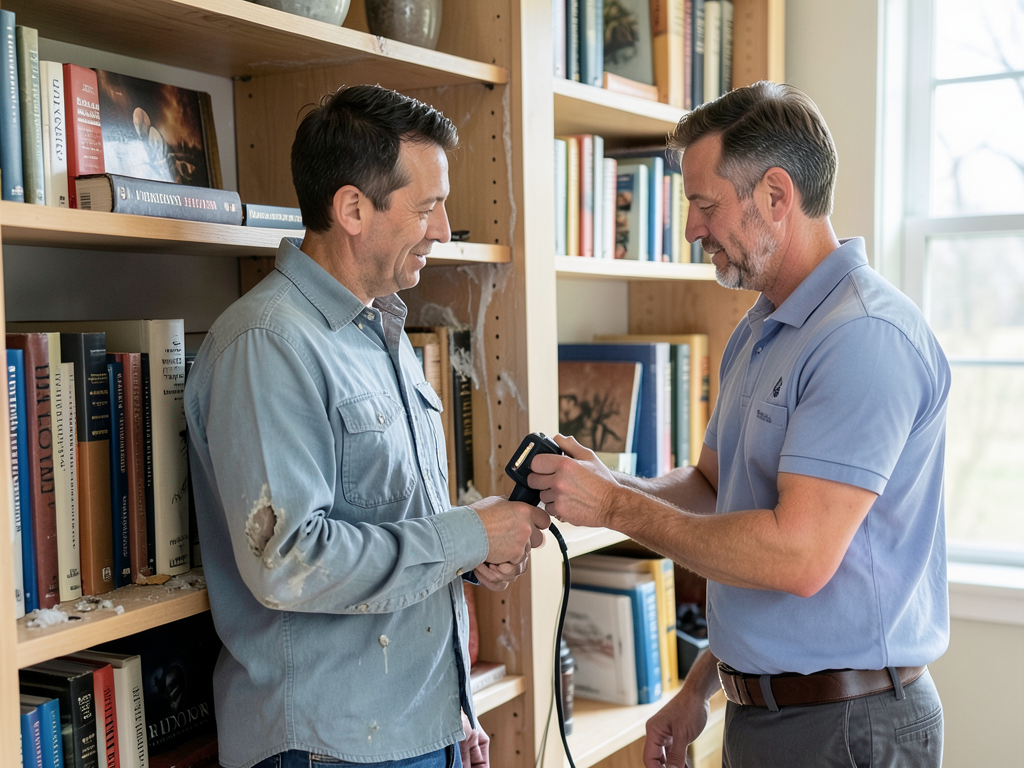
Can Your Custom Built-In Bookshelves in Radnor Be Saved After a Pipe Burst? Water damage to custom built-ins in Radnor…

Solving the mystery of office park leaks in Plymouth Meeting before they ruin the carpet

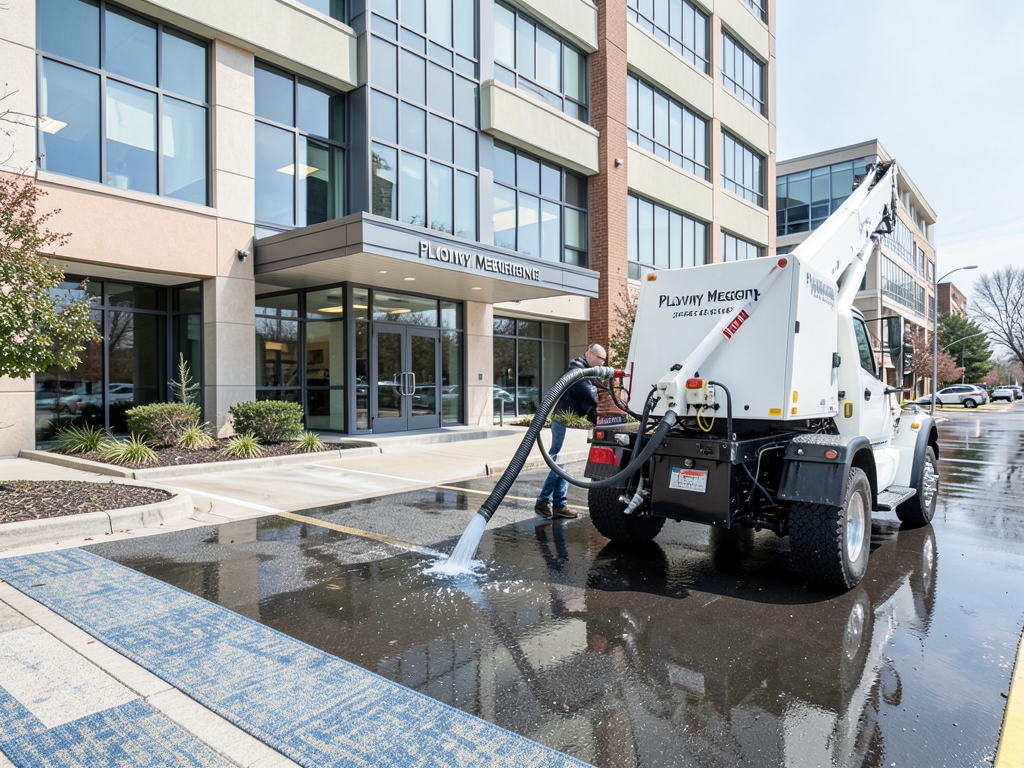
Solving the mystery of office park leaks in Plymouth Meeting before they ruin the carpet Office park leaks in Plymouth…

Contact Us

Every hour of delay increases your total damage and lost revenue. Call Reliance Water Damage Restoration Philadelphia now at (215) 610-8188 for immediate dispatch. Our crews are ready 24/7 to begin emergency mitigation and get your business operational again.