menu

24/7 Emergency Water Removal in Philadelphia – Trucks Dispatched in Under 60 Minutes

When water floods your home or business, every minute accelerates structural damage and mold growth. Our emergency water extraction services deploy certified technicians to Philadelphia properties day or night, stopping damage before it spreads.

Slider Image 1
Slider Image 2
Slider Image 3
Slider Image 4
Slider Image 5
Slider Image 7
Slider Image 8
Slider Image 9
Slider Image 10
Slider Image 11

Why Water Damage Becomes a Crisis Fast in Philadelphia

Philadelphia's freeze-thaw cycles and aging infrastructure create perfect conditions for sudden water emergencies. When a pipe bursts at 2 AM or your basement floods during a Schuylkill River overflow, you do not have days to respond. You have hours.

Water migrates through drywall, subflooring, and insulation at alarming speed. In Philadelphia's humid climate, standing water can trigger mold colonization in as little as 24 hours. The moisture seeps into century-old row home foundations, weakening structural supports and compromising historical masonry common in neighborhoods like Society Hill and Old City.

You need immediate water removal, not next-day appointments. A delayed response turns a manageable flood into a full structural remediation project. Hardwood floors buckle. Ceiling joists rot. Electrical systems short out. Your insurance deductible balloons as damage spreads room to room.

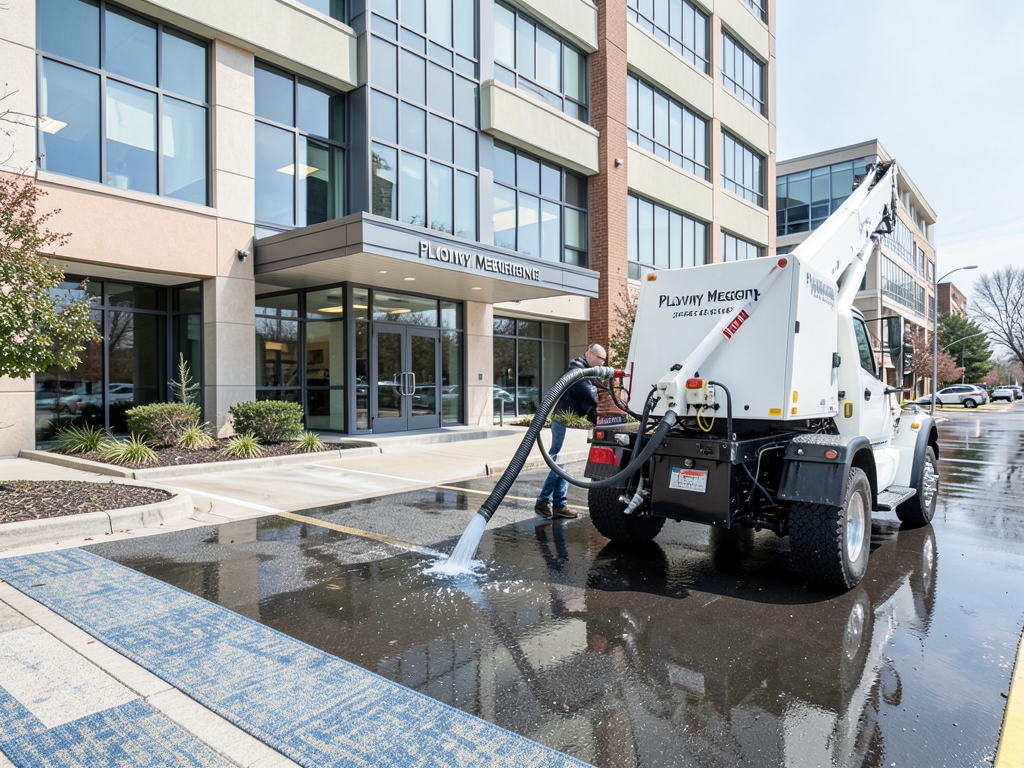
24 hour water damage cleanup is not about convenience. It is about containment. The first three hours after water intrusion determine whether you face minor repairs or major reconstruction. Our urgent water mitigation teams understand this window. We carry truck-mounted extractors powerful enough to pull water from carpet padding and concrete slabs before saturation reaches critical mass.

Philadelphia's mix of Victorian homes, contemporary condos, and brick rowhomes each respond differently to water. Older properties lack vapor barriers. Newer construction traps moisture in sealed wall cavities. Both scenarios demand immediate professional extraction, not fans and prayers.

When water invades your property, you are fighting physics and time. Both win if you wait.

Why Water Damage Becomes a Crisis Fast in Philadelphia
How Professional Emergency Water Extraction Works

How Professional Emergency Water Extraction Works

We do not show up with shop vacs and box fans. Our 24/7 flood extraction process uses industrial-grade extraction equipment and moisture mapping technology that consumers cannot rent or replicate.

First, we perform a rapid damage assessment using thermal imaging cameras to identify hidden moisture pockets behind walls and under flooring. Water follows gravity and capillary action, hiding in places visual inspection misses. We document moisture readings with pin-type and non-invasive meters, creating a baseline map for insurance documentation and extraction verification.

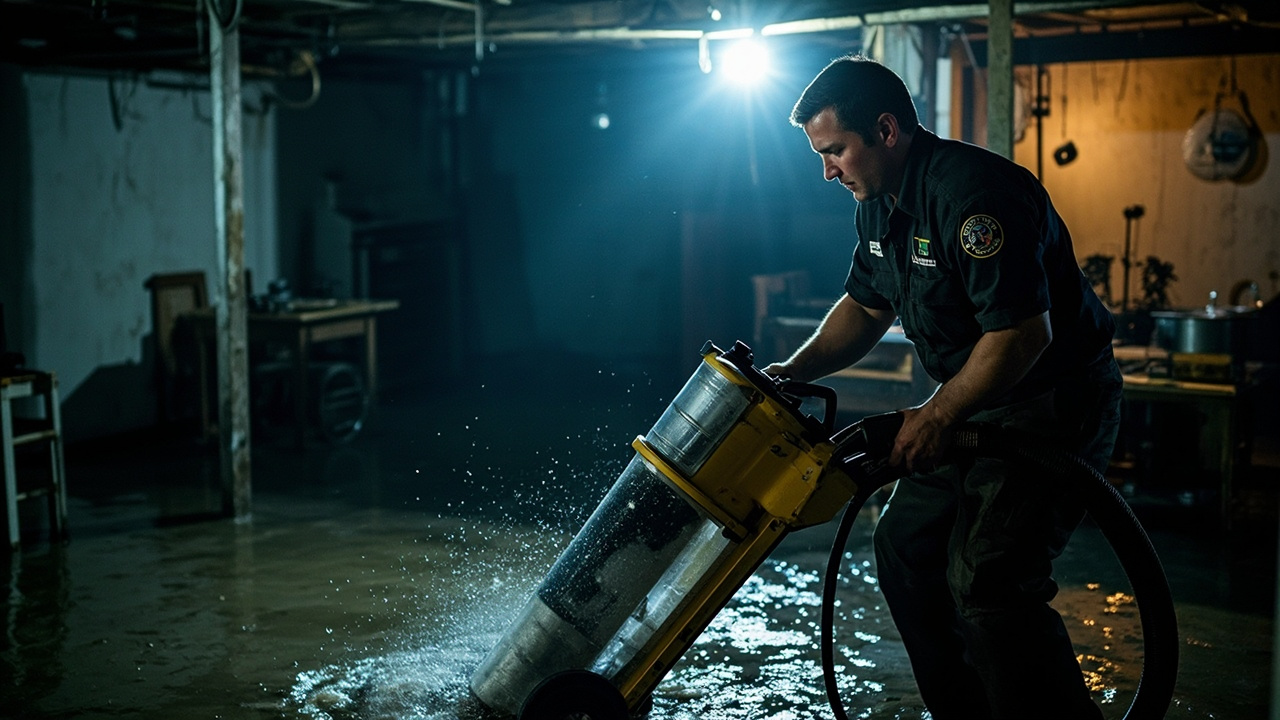
Next comes staged extraction. We deploy truck-mounted pumps capable of removing hundreds of gallons per minute from basements and crawl spaces. For saturated carpets and padding, we use weighted extraction tools that apply 500+ PSI of pressure, forcing water up through fibers rather than spreading it laterally. This technique removes up to 95% of water in the first pass, something conventional wet vacs cannot achieve.

After bulk extraction, we position commercial air movers and refrigerant dehumidifiers in calculated patterns based on psychrometric principles. Air movement without dehumidification just circulates humid air. Our equipment works in tandem, creating negative pressure that pulls moisture from building materials into the air, then strips that moisture before recirculation.

We monitor drying progress with daily moisture readings, adjusting equipment placement as readings drop. Hardwood floors require slow, controlled drying to prevent cupping. Plaster walls need different airflow than drywall. We adapt the approach based on materials and moisture levels, not guesswork.

Reliance Water Damage Restoration Orlando brings this methodology to every emergency call in Philadelphia, regardless of property size or damage severity.

What Happens When You Call for Emergency Water Removal

24/7 Emergency Water Removal in Philadelphia – Trucks Dispatched in Under 60 Minutes
01

Immediate Dispatch and Assessment

Your call triggers immediate crew dispatch, not a morning callback. We ask targeted questions about water source, affected area, and safety hazards while our technician drives to your property. Upon arrival, we perform a visual and instrumental assessment, identifying extraction priorities and safety risks like electrical hazards or structural instability. You receive a verbal scope before equipment unloads.
02

High-Volume Water Extraction

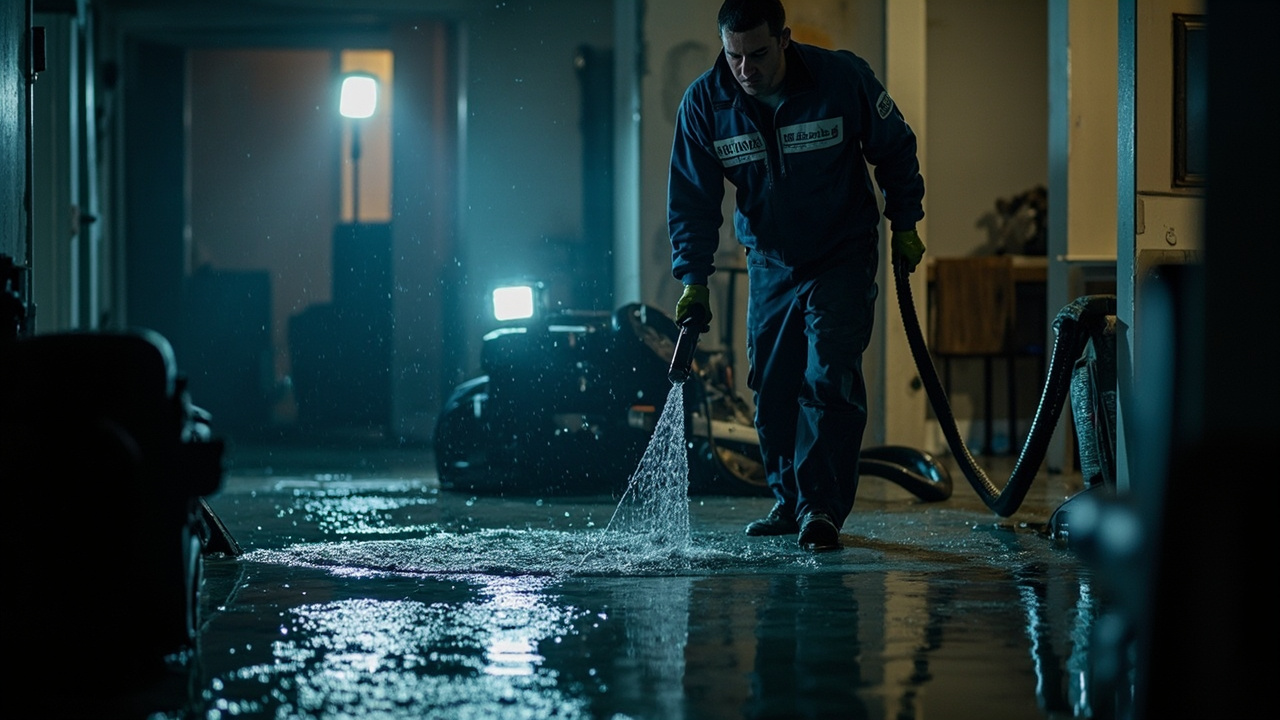
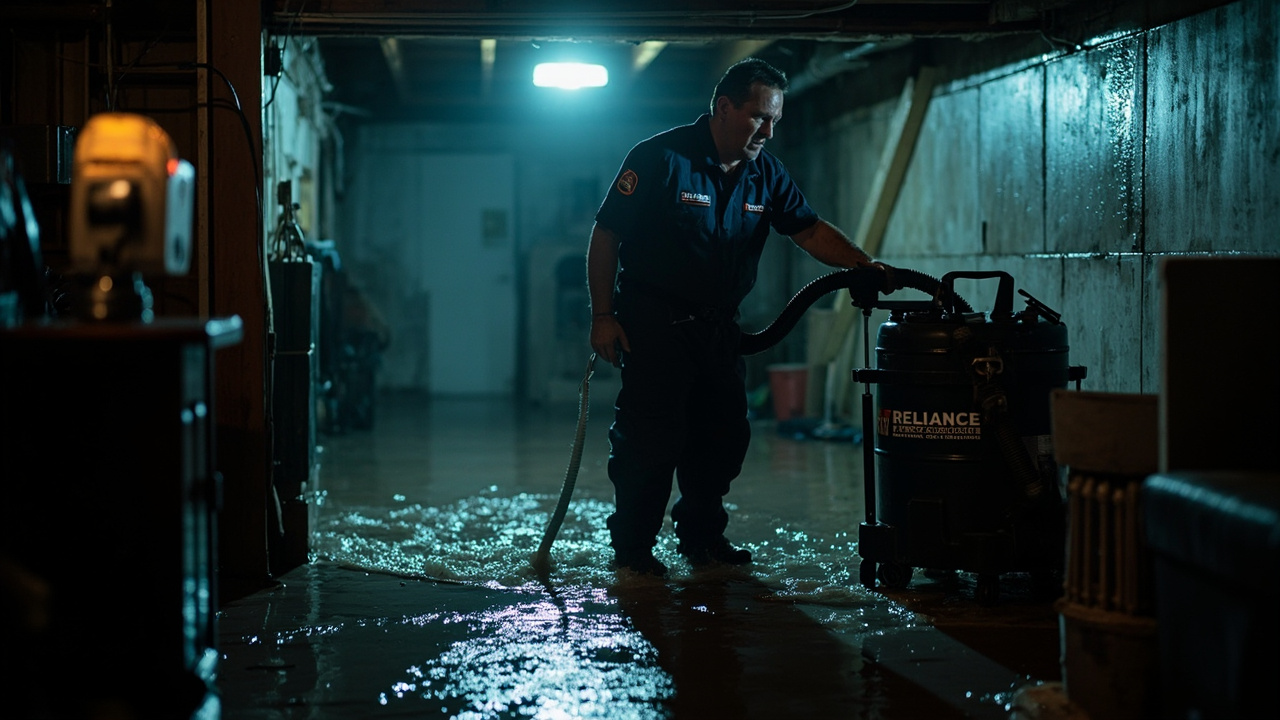
We position truck-mounted extraction equipment and begin water removal starting with the deepest pooling. Submersible pumps handle standing water. Weighted wands extract water from carpets and pad. We pull baseboards when necessary to access wall cavities and prevent wicking. This phase prioritizes speed and volume, removing the bulk of water before it migrates deeper into structural components.
03

Drying and Monitoring

After extraction, we deploy air movers and dehumidifiers in strategic configurations based on moisture readings and airflow dynamics. We return daily to monitor progress, adjust equipment, and document drying with updated moisture maps. Extraction is complete when all affected materials return to normal moisture content ranges, verified by meter readings, not visual inspection or timelines.

Why Philadelphia Properties Need Local Emergency Water Experts

Philadelphia is not Atlanta or Phoenix. Your property faces water challenges specific to Mid-Atlantic climate patterns, Delaware Valley geography, and regional construction methods.

We understand how Schuylkill and Delaware River flood plains affect basement properties in Manayunk and Fishtown. We know that Philadelphia's combined sewer system creates backflow risks during heavy rain events. We have extracted water from hundred-year-old row homes where foundation stone has shifted and modern homes in the Northeast where builders cut corners on grading.

Local knowledge determines extraction success. Philadelphia building codes require specific moisture barriers and drainage systems that vary by neighborhood and construction era. Center City high-rises need different approach protocols than single-family homes in West Philadelphia. We adjust extraction methods based on these variables, not generic procedures.

Our familiarity with local insurance providers streamlines your claims process. We document damage using formats Philadelphia adjusters expect. We understand supplemental claim procedures for Liberty Mutual, State Farm, and regional carriers common in this market. This expertise accelerates approvals and reimbursement.

When you call a national franchise, you get a local subcontractor following corporate scripts. When you call Reliance Water Damage Restoration Orlando, you get technicians who have extracted water from properties in your zip code, who understand Philadelphia's seasonal weather patterns, and who maintain relationships with local plumbers, electricians, and general contractors for coordinated emergency response.

We also navigate Philadelphia's permitting requirements when water damage requires structural repairs. Some restoration work triggers permit requirements depending on scope and neighborhood historical designation. We know which repairs need L&I approval and which do not, preventing compliance issues down the road.

Local expertise is not marketing language. It is the difference between proper restoration and expensive do-overs.

What to Expect During Emergency Water Removal

Arrival Time and Availability

We dispatch crews 24 hours a day, 365 days a year, including holidays. Most Philadelphia properties receive response within 60 to 90 minutes of your call, depending on traffic and your specific location. We do not operate on appointment schedules during emergencies. If you have active water intrusion at 3 AM on Sunday, we respond at 3 AM on Sunday. Our trucks carry full extraction equipment, not assessment tools requiring a return visit. We begin work immediately upon arrival, not the next business day.

Initial Assessment and Documentation

Before extraction begins, we perform a complete damage assessment using moisture meters and thermal imaging. We photograph affected areas, document moisture readings, and identify the water source if not immediately obvious. You receive a verbal explanation of the damage scope, extraction approach, and estimated timeline before we position equipment. We coordinate with your insurance company if requested, providing documentation they require for claims processing. This assessment takes 15 to 30 minutes and establishes baseline conditions for measuring restoration progress.

Extraction Quality and Completion

We define completion by moisture readings, not calendar days. Extraction continues until affected materials return to normal moisture content for that material type. Concrete slabs dry slower than drywall. Hardwood floors require controlled drying to prevent damage. We monitor progress with daily meter readings and adjust equipment placement as needed. You receive documentation showing moisture levels at start, during drying, and at completion. We do not remove equipment based on timelines. We remove it when readings confirm complete drying.

Post-Extraction Follow-Up

After equipment removal, we provide a final moisture report documenting that affected areas have returned to normal ranges. We identify any secondary damage requiring repair, such as damaged drywall, warped flooring, or compromised insulation. We can coordinate these repairs or provide documentation for your contractor. For properties at risk of recurring water intrusion, we offer recommendations for prevention measures like improved drainage, sump pump installation, or plumbing upgrades. This follow-up ensures complete restoration, not just water removal.

Frequently Asked Questions

You Have Questions,
We Have Answers

What would be considered a water emergency? +

A water emergency includes burst pipes, sewage backups, roof leaks during heavy rain, flooded basements, overflowing water heaters, and appliance failures. In Philadelphia, freeze-thaw cycles during winter often cause pipe bursts in older rowhomes. Storm surges from the Delaware and Schuylkill Rivers can flood properties quickly. If water spreads rapidly, threatens electrical systems, or comes from contaminated sources, you need immediate help. Mold begins growing within 24 hours in Philadelphia's humid climate. Call a 24/7 emergency water removal service right away to prevent structural damage and health risks.

How much does it cost to remove water from a flooded basement? +

Water removal costs vary based on water volume, contamination level, and damage extent. Minor basement flooding may start around a few hundred dollars, while severe flooding with sewage or structural damage costs more. Philadelphia rowhomes often share walls, which can complicate drying and increase costs. Most reputable companies offer free inspections and work directly with your insurance to reduce out-of-pocket expense. Emergency response minimizes damage, which lowers total restoration costs. Get multiple estimates, but prioritize speed over price. Delayed response allows mold growth and structural deterioration, increasing final costs significantly.

What should I do immediately after water damage? +

Stop the water source if safe. Shut off your main water valve or power to prevent electrical hazards. Move valuables to dry areas. Do not enter standing water if electricity is on. Document everything with photos for insurance claims. Call a 24/7 emergency water removal company immediately. In Philadelphia's older housing stock, water can seep into flooring and walls quickly. Open windows if weather permits to start air circulation. Remove wet rugs and furniture if possible. Do not use household vacuums on standing water. Professional extraction within hours prevents mold and saves your property.

How long does SERVPRO take for water damage? +

Response times vary by company availability and job complexity. While some national franchises advertise fast service, local Philadelphia companies often respond faster because they know the neighborhoods and traffic patterns. Water extraction typically takes a few hours, but complete drying requires three to five days depending on materials affected and humidity levels. Philadelphia rowhomes with brick and plaster walls dry slower than modern drywall construction. Ask any company for their guaranteed response time and get it in writing. Choose a service that arrives within one to two hours for true emergencies.

Is it against the law to live in a house with no water? +

Philadelphia housing codes require functional water supply for occupancy. Living without running water violates health and safety regulations. Landlords must provide potable water, and tenants can report violations to the Department of Licenses and Inspections. If water damage causes a shut-off, you may need temporary housing until repairs restore service. Homeowners face similar habitability issues. Insurance may cover temporary relocation costs during water damage restoration. Do not ignore water shutoffs after flooding. Standing water and lack of sanitation create health hazards. Get professional restoration started immediately to restore safe living conditions and comply with local codes.

How much water for a 3 day emergency? +

This question refers to personal emergency water storage, not water damage removal. The standard recommendation is one gallon per person per day, so a family of four needs 12 gallons for three days. Philadelphia tap water is safe, but store bottled water or fill clean containers for emergencies. Keep supplies in cool, dark areas. Replace stored water every six months. This preparation helps during power outages or water main breaks, which occasionally happen in older Philadelphia infrastructure. For property water emergencies like flooding, focus on immediate extraction and drying, not storage.

Will homeowners insurance cover water in the basement? +

Standard homeowners insurance typically covers sudden and accidental water damage, like burst pipes or appliance failures. Basement flooding from heavy rain, sewer backups, or ground saturation usually requires separate flood insurance or sewer backup endorsements. Philadelphia sits between two rivers, making flood coverage important for many neighborhoods. Review your policy carefully. Most insurers exclude gradual damage from poor maintenance. Take photos immediately and call your insurer before starting cleanup. Many emergency water removal companies in Philadelphia work directly with insurance adjusters to streamline claims. Get professional documentation to maximize your coverage and reimbursement.

What's the best way to get water out of a flooded basement? +

Call a professional 24/7 emergency water removal service immediately. They use industrial pumps, extractors, and dehumidifiers that remove water faster and more completely than shop vacuums or mops. Philadelphia basements often have brick foundations and concrete floors that absorb water deeply. Professionals use moisture meters to detect hidden saturation behind walls and under floors. They set up proper airflow and dehumidification to prevent mold. Do not delay. Every hour increases damage and mold risk. If you must wait, remove small amounts with a wet-dry vacuum, but professional equipment is necessary for thorough drying.

Does flood insurance pay for clean up? +

Flood insurance through the National Flood Insurance Program covers structural damage and some contents, but cleanup labor is limited. Policies typically cover debris removal and necessary repairs to make your home habitable. They do not cover temporary housing or full restoration to pre-flood condition. In Philadelphia flood-prone areas near the rivers, read your policy details carefully. Standard homeowners insurance does not cover flooding. If you have flood insurance, document everything and file claims quickly. Professional water removal companies often navigate insurance paperwork and provide detailed reports that support your claim and speed reimbursement.

Is water damage covered under house insurance? +

Homeowners insurance covers sudden, accidental water damage like burst pipes, appliance leaks, and roof damage from storms. It does not cover flooding from external sources, which requires separate flood insurance. Philadelphia policies often exclude sewer backups unless you add an endorsement. Gradual damage from leaks or poor maintenance is excluded. Ice dam damage is usually covered, common in Philadelphia winters. Review your policy and understand exclusions before disaster strikes. File claims immediately after water damage occurs. Professional emergency water removal companies document damage thoroughly, which strengthens insurance claims and speeds approval for covered losses.

How Philadelphia's Aging Water Infrastructure Increases Emergency Water Removal Needs

Philadelphia operates one of the oldest municipal water systems in the country, with some supply lines dating to the early 1900s. These aging pipes corrode, develop pinhole leaks, and fail without warning, particularly during winter freezes when ground temperatures drop below 32 degrees. The city's combined sewer system also creates backflow risks during heavy rain events, pushing water into basement drains in low-lying neighborhoods near the rivers. Row home construction compounds these risks since shared walls and connected plumbing mean a neighbor's pipe failure can flood your property. Emergency water extraction services become critical infrastructure in a city where water main breaks occur weekly and basement flooding follows every major storm system.

Reliance Water Damage Restoration Orlando maintains relationships with Philadelphia Water Department contractors and local plumbing companies, allowing coordinated emergency response when municipal infrastructure fails. We understand the permitting requirements for properties in historic districts like Rittenhouse Square and Queen Village, where restoration work faces additional oversight. Our technicians train specifically on the construction methods and materials common to Philadelphia's diverse housing stock, from Trinity row homes to modern Fishtown developments. This local specialization ensures appropriate extraction techniques for your specific property type, not generic approaches that work in Houston but fail in Philadelphia's unique building environment.

Water Damage Restoration Services in The Philadelphia Area

View our service area to see how Reliance Water Damage Restoration delivers fast, reliable support across the region. Whether it’s residential basements or commercial spaces, our team is locally based and ready to respond 24/7. We’re committed to being near you when emergencies strike—count on us for prompt, professional care.
(80 words)

Address:
Reliance Water Damage Restoration Philadelphia, 100 N 18th St, Philadelphia, PA, 19103

Additional Services We Offer

Our news updates

Latest Articles & News from The Blogs

Why Your North Philadelphia Brick Walls Are Crumbling After Years of Water Absorption Your North Philadelphia brick wall isn’t just…

Why your North Philadelphia brick walls are crumbling after years of water absorption

Why Your North Philadelphia Brick Walls Are Crumbling After Years of Water Absorption Your North Philadelphia brick wall isn’t just…

What you need to know about wet vinyl floor tiles and asbestos in your older Oxford Circle home

What you need to know about wet vinyl floor tiles and asbestos in your older Oxford Circle home Water damage…

Why Eastwick homes are so prone to flooding and how to prepare for the next big storm

Why Eastwick homes are so prone to flooding and how to prepare for the next big storm Eastwick sits on…

Contact Us

Water damage accelerates every hour you wait. Call (215) 610-8188 now for immediate dispatch to your Philadelphia property. Our emergency water removal crews respond 24/7, arriving with industrial extraction equipment ready to stop damage before it spreads. Do not wait until morning. Call now.