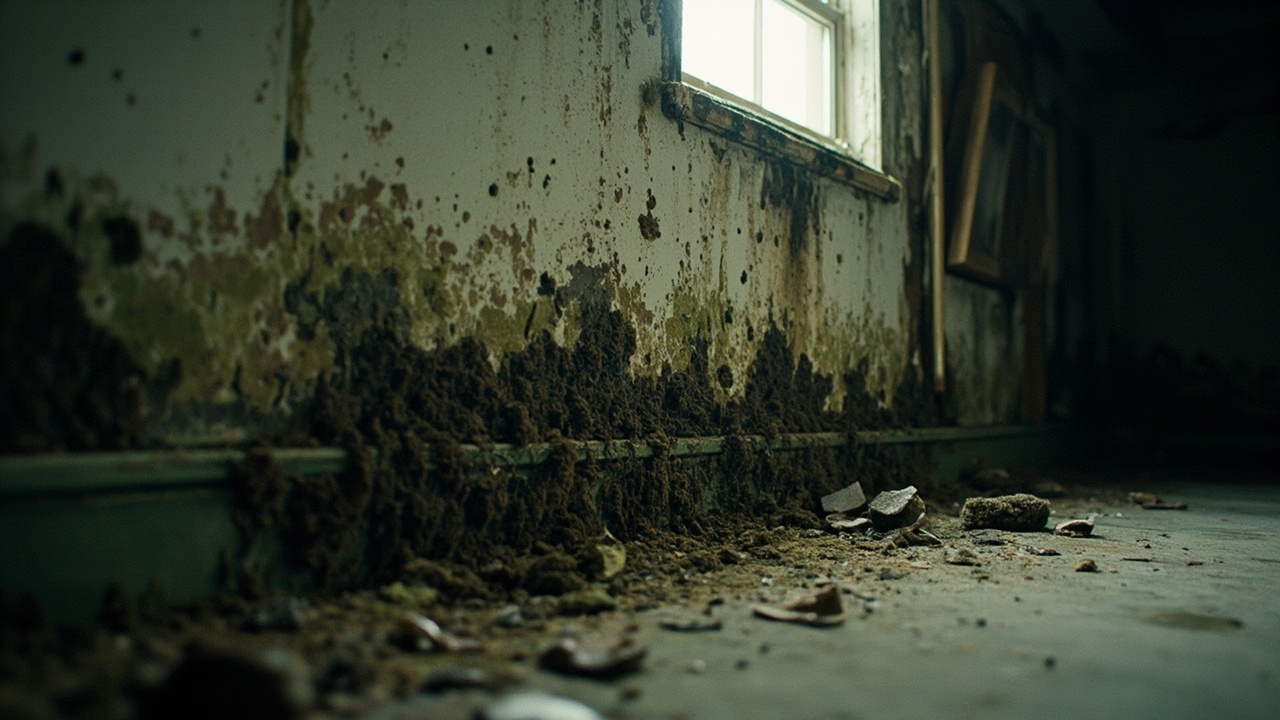


Philadelphia's housing density creates unique mold challenges. Over 60% of city residents live in attached row homes where shared walls trap moisture between units. When your neighbor experiences a slow plumbing leak or inadequate bathroom ventilation, moisture migrates through the common wall into your living space. Summer humidity regularly exceeds 70% near the rivers. Interior relative humidity climbs above the 60% threshold where mold spores activate and colonize. Older homes in neighborhoods like Passyunk Square and Bella Vista lack vapor barriers behind original plaster walls. Modern drywall in newer construction provides cellulose that feeds active growth once moisture penetrates. The combination of aging building envelopes, shared wall construction, and seasonal humidity makes visible mildew on painted walls a recurring complaint across all Philadelphia zip codes.
Philadelphia's Department of Licenses and Inspections requires proper mold remediation documentation for rental properties and pre-sale disclosures. Professional remediation protects you from liability if you rent your property. It provides verified clearance that satisfies title company due diligence during home sales. Local insurance adjusters recognize certified remediation contractors who follow IICRC protocols. They process claims faster and with less dispute when documentation meets industry standards. Reliance Water Damage Restoration Philadelphia maintains relationships with local building inspectors, understands city code requirements for extensive remediation projects, and provides reports formatted for Philadelphia's specific regulatory environment. Choosing contractors unfamiliar with local requirements costs you time and creates compliance problems that delay occupancy or sale closing.