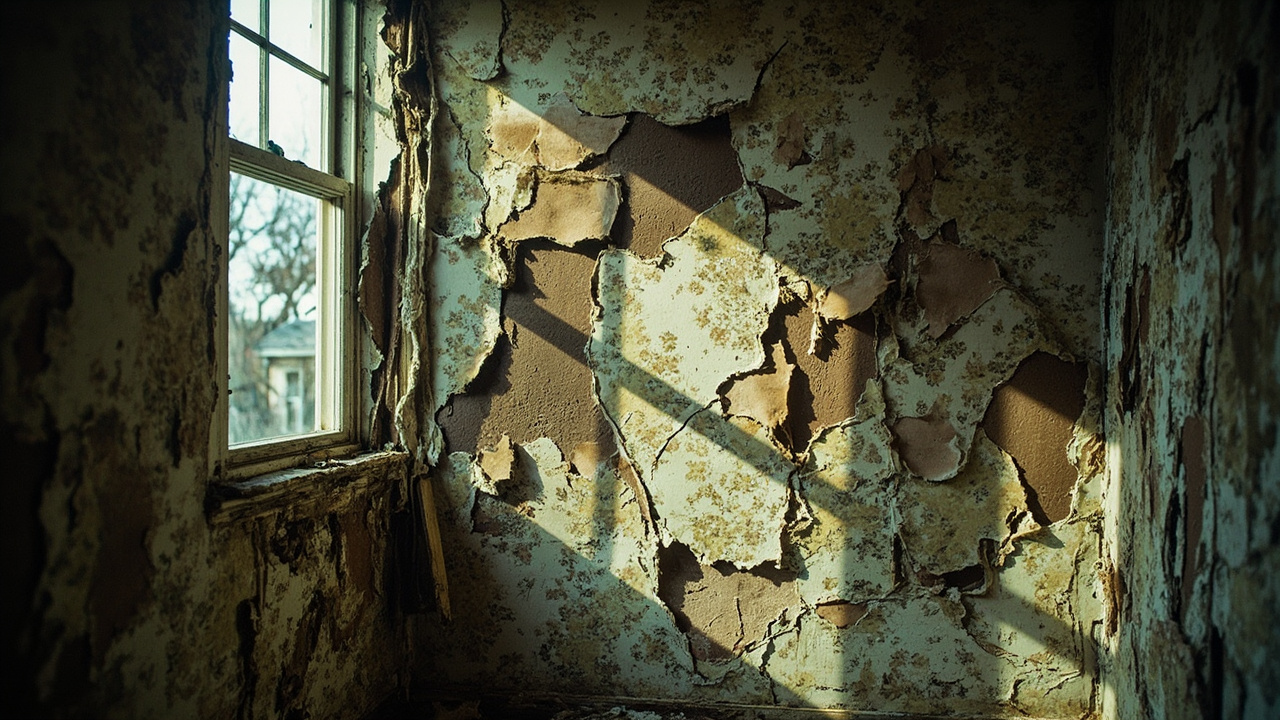
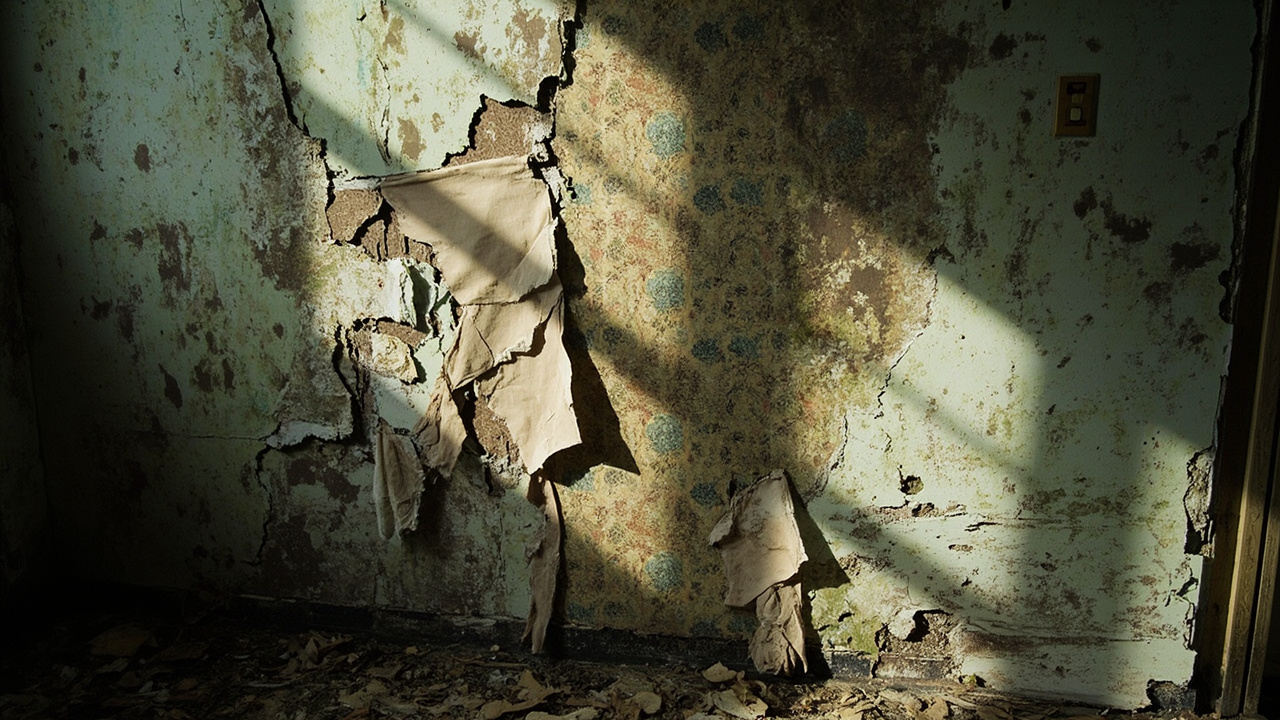

The attached construction that defines Philadelphia neighborhoods creates moisture migration patterns you do not see in detached homes. When water enters through a compromised mortar joint or failed flashing on one unit, it can travel laterally through shared walls to affect adjacent properties. The common-wall construction means your bubbling paint might be caused by a leak originating next door. The lack of air gaps between units also traps moisture that would otherwise evaporate. This is especially problematic in homes built before 1950, when builders used lime mortar and porous brick that absorbs and transmits water readily. If you live in a rowhome and see blistering wall paint on a shared wall, the source might not be in your unit at all.
Philadelphia's Department of Licenses and Inspections enforces specific requirements for work in occupied residential buildings, particularly regarding lead paint and asbestos in older homes. Any remediation work that disturbs pre-1978 paint requires EPA Lead-Safe practices. Many Philadelphia rowhomes also contain plaster over wood lath that may include asbestos-containing joint compound. We follow all local regulations for testing and handling these materials. Working with a restoration company familiar with Philadelphia's regulatory environment protects you from compliance issues and ensures the work is done safely and legally. Local knowledge is not just about knowing the buildings. It is about knowing the rules.